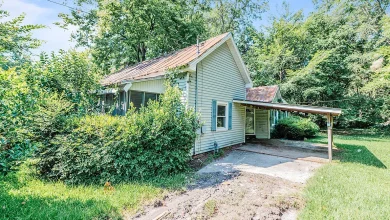
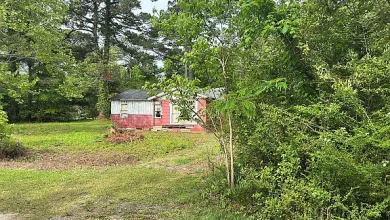
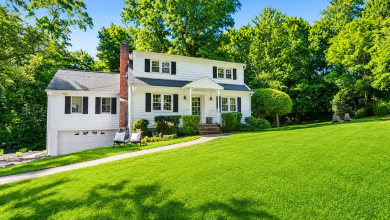
A 4-Bedroom Property With Investment Potential
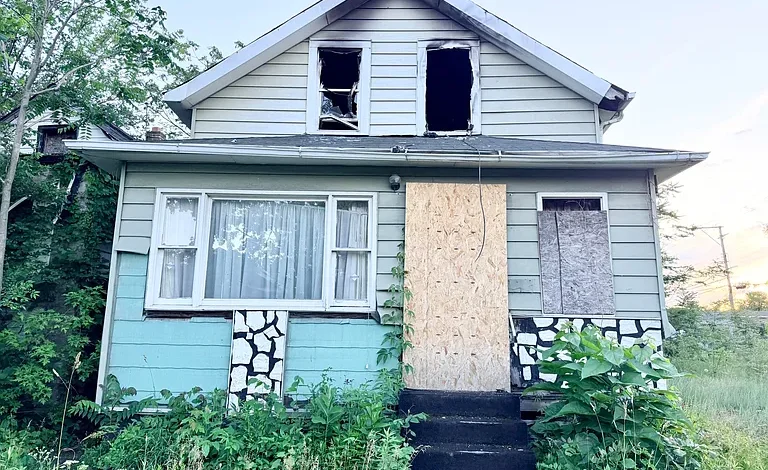
Rehab Opportunity in Growing Gary: A 4-Bedroom Property With Investment Potential
A Property Ready for a Complete Transformation
For buyers who understand the value of location, renovation potential, and long-term real estate opportunities, this Gary, Indiana property offers an interesting project to consider. The home is being presented as a rehab opportunity, providing the next owner with the chance to transform an existing structure into a comfortable residence, rental property, or investment project.
Located in Gary, this approximately 1,806-square-foot single-family home features four bedrooms, two full bathrooms, and an unfinished full basement. Originally built in 1926, the property has the proportions and layout potential that can appeal to buyers searching for an older home with room to renovate and customize.
The home is not being marketed as move-in ready. It is a fixer property that will require substantial work, planning, and investment. However, that condition is also what creates the opportunity. Rather than paying a premium for a completely renovated home, an experienced buyer can evaluate the property, establish a renovation budget, and determine whether the project fits their long-term goals.
With convenient access to major transportation routes, shopping, healthcare, grocery stores, employment areas, and Northwest Indiana communities, the property combines an urban location with redevelopment potential.
Property Overview
This traditional Gary residence offers a practical starting point for a renovation project. The home contains approximately 1,806 square feet of above-ground living space, with four bedrooms and two full bathrooms.
The property sits on a lot of approximately 2,613 square feet, providing a manageable footprint for someone who wants a residential renovation without taking on a large parcel of land.
Key Property Highlights
- 4 bedrooms
- 2 full bathrooms
- Approximately 1,806 square feet
- Unfinished full basement
- Built in 1926
- Single-family residence
- One-and-a-half-story design
- Public water
- Public sewer
- On-street parking
- Backyard
- No HOA
- Fixer/rehabilitation property
- Convenient Northwest Indiana location
- Easy access to major highways
The combination of size, bedroom count, basement space, and location gives buyers several potential strategies to evaluate.
Four Bedrooms Create Flexible Living Potential
One of the most attractive aspects of this property is its four-bedroom configuration.
A four-bedroom home can appeal to a broad segment of the residential market. Depending on the eventual renovation design and local requirements, the bedrooms could provide space for a growing household, home offices, guest accommodations, or other flexible uses.
For an investor, bedroom count can also be an important consideration when estimating potential rental demand. For an owner-occupant, four bedrooms provide considerably more flexibility than a smaller two-bedroom or three-bedroom property.
Because the house requires rehabilitation, the future owner will have the opportunity to reconsider the interior arrangement while planning the renovation. Walls, finishes, flooring, lighting, cabinetry, fixtures, and other elements can potentially be updated as part of a comprehensive remodeling plan.
Any structural or layout changes should, of course, be evaluated by qualified professionals and completed according to applicable building codes and permitting requirements.
Two Full Bathrooms Add Practical Value
The home includes two full bathrooms, another feature that can be valuable during a renovation.
Having two bathrooms can improve the functionality of a four-bedroom residence, particularly for larger households. A thoughtful renovation could focus on updating plumbing fixtures, flooring, lighting, ventilation, cabinetry, and other bathroom finishes where appropriate.
Because the property is being sold as a rehabilitation opportunity, buyers should carefully inspect the plumbing, electrical systems, water supply, drainage, walls, ceilings, floors, and other components before establishing a final renovation budget.
A professional inspection can help identify conditions that may not be visible during an initial walkthrough.
An Unfinished Full Basement Offers Additional Possibilities
The property includes an unfinished full basement, creating another significant component for the next owner to evaluate.
Basements can provide valuable utility space even when they are not finished as living areas. Depending on the property’s construction, moisture conditions, ceiling height, access, mechanical systems, and local regulations, the basement could potentially serve as storage, a workshop, utility space, laundry area, or future renovation space.
For an investor, an unfinished basement can also be an important consideration when calculating the overall project scope.
However, buyers should not automatically assume that basement space can legally be converted into finished living space. Local building codes, egress requirements, ceiling heights, moisture control, electrical standards, plumbing requirements, and other regulations can determine what improvements are permitted.
A qualified contractor or building professional should evaluate the basement before any renovation plans are finalized.
Historic Character From a 1926 Construction Date
Built in 1926, this property represents an older generation of American residential construction.
Homes from this era can contain architectural elements and construction characteristics that differ considerably from modern houses. Even when a property requires extensive rehabilitation, buyers may find opportunities to preserve portions of its original character while incorporating modern systems and finishes.
The challenge with an older property is balancing restoration with practicality.
A successful renovation may involve evaluating the roof, foundation, electrical system, plumbing, heating and cooling systems, windows, doors, insulation, exterior materials, interior finishes, and structural components.
For buyers interested in historic or older-home renovation, the age of the structure can become part of the property’s appeal.
A One-and-a-Half-Story Layout
The property is described as a one-and-a-half-story home, giving it a different profile from a conventional single-level residence.
This type of design can provide opportunities to create distinct living and sleeping areas while maintaining a relatively compact footprint.
The future owner may choose to preserve the existing configuration or explore renovations that improve circulation and functionality.
Before making significant alterations, buyers should have the structure evaluated to understand the condition of framing, flooring systems, roof structure, stairways, walls, and other important components.
A Manageable 2,613-Square-Foot Lot
The home sits on approximately 2,613 square feet of land.
For buyers interested primarily in the structure rather than extensive acreage, a smaller residential lot can be easier to maintain than a large property.
The lot includes a backyard area, providing outdoor space that could potentially be improved during renovation. Depending on local regulations and property conditions, future landscaping could include lawn improvements, garden areas, seating space, or other residential outdoor features.
Because the parcel is relatively compact, buyers should carefully verify property lines, setbacks, easements, access, and zoning requirements before planning additions or exterior improvements.
Convenient Northwest Indiana Location
One of the strongest aspects of this property is its accessibility.
The listing highlights convenient access to I-80/I-94, I-65, shopping, grocery stores, healthcare facilities, and everyday amenities.
For residents who commute for work, transportation access can play an important role in choosing a home.
The property also provides access to major routes connecting Gary with other parts of Northwest Indiana and the greater Chicago region.
That connectivity can be valuable for both homeowners and investors because transportation infrastructure often influences how residents evaluate neighborhoods and housing options.
Access to Chicago and Northwest Indiana
Gary occupies an important position within the broader Northwest Indiana transportation network.
Residents can use major highways to reach employment centers, commercial districts, neighboring communities, and the Chicago metropolitan area.
For a homeowner, this can make the property worth considering when balancing housing costs with commuting requirements.
For an investor, proximity to transportation routes can be an important part of a broader market analysis.
However, investors should conduct their own research into current neighborhood conditions, comparable sales, rental rates, vacancy levels, property taxes, insurance costs, renovation expenses, and potential resale values before purchasing.
A Project for Experienced Buyers
This property is particularly suited to buyers who are comfortable with renovation projects.
A successful rehabilitation requires more than cosmetic improvements. Depending on the property’s current condition, the renovation may involve multiple systems and trades.
Potential areas for evaluation include:
- Roofing
- Foundation
- Structural framing
- Electrical service
- Plumbing
- Heating and cooling
- Windows
- Exterior siding
- Insulation
- Drywall
- Flooring
- Kitchens
- Bathrooms
- Interior doors
- Exterior doors
- Landscaping
- Basement conditions
The actual scope of work should be determined through professional inspection rather than assumptions.
Potential Fix-and-Flip Opportunity
For experienced real estate investors, the property could potentially be evaluated as a fix-and-flip project.
The basic strategy involves acquiring a property, completing renovations, and reselling it based on the resulting market value.
However, profitability depends on many variables.
An investor should calculate the acquisition cost, renovation budget, financing costs, holding expenses, insurance, taxes, utilities, permits, contractor expenses, closing costs, selling expenses, and an appropriate contingency reserve.
The projected after-repair value should also be supported by recent comparable properties rather than optimistic estimates.
Because this home requires rehabilitation, a detailed investment analysis is essential before making an offer.
Potential Rental Property Strategy
Another strategy worth evaluating is long-term rental ownership.
A renovated four-bedroom, two-bath home could potentially appeal to households seeking additional bedroom space.
Investors considering this strategy should research local rental rates for comparable renovated properties and determine whether projected rental income supports the purchase and renovation costs.
Important considerations can include:
- Expected monthly rent
- Property taxes
- Insurance
- Maintenance
- Vacancy
- Property management
- Utilities
- Financing
- Capital expenditures
- Future repairs
Rental investment decisions should be based on realistic local market data and a complete financial analysis.
A Possible Owner-Occupant Project
Not every renovation property needs to be purchased by an investor.
An owner-occupant with construction experience, access to reliable contractors, or a willingness to manage a long-term renovation could potentially transform the property into a personalized home.
The four-bedroom configuration offers room for family living, guests, hobbies, or home offices.
The unfinished basement adds additional utility space, while the backyard provides an opportunity for outdoor improvements.
For someone who prefers to customize rather than buy a finished home, a fixer-upper can offer a different path toward homeownership.
Public Water and Public Sewer
The property is connected to public water and public sewer, according to the listing information.
This can simplify certain aspects of property ownership compared with rural properties that rely on private wells and septic systems.
Nevertheless, buyers should verify the current operational condition of all utility connections and infrastructure.
An older home may require plumbing upgrades even when public utility connections are available.
Professional evaluation of the water supply, sewer connection, electrical service, and other utilities is recommended before renovation planning.
No Homeowners Association
The property is listed as having no HOA.
For some buyers, the absence of an HOA can provide greater flexibility compared with properties governed by private community rules.
However, the absence of an HOA does not eliminate municipal requirements. Buyers should still investigate zoning regulations, building codes, permits, occupancy requirements, exterior improvement rules, and other local regulations before beginning a renovation.
On-Street Parking
The property offers on-street parking rather than a dedicated garage or private parking area.
This is an important consideration for buyers and investors when evaluating the property’s functionality.
Potential buyers should inspect the surrounding streets and determine typical parking availability, especially if the property will eventually accommodate a larger household.
Parking requirements can also vary depending on local zoning and future renovation plans.
Backyard and Outdoor Potential
The backyard provides an opportunity to improve the property’s exterior presentation.
For a future owner, landscaping can be one of the most effective ways to improve curb appeal after major structural and interior work has been completed.
Potential improvements might include grass, low-maintenance landscaping, fencing where permitted, outdoor seating, lighting, or garden areas.
Investors preparing a property for resale should pay particular attention to exterior appearance because curb appeal can influence buyer perception.
Why Renovation Planning Matters
The most important step for anyone considering this property is developing a realistic renovation plan.
A professional contractor can help determine which improvements are necessary and which are optional.
The difference is important.
Structural repairs, roofing, electrical work, plumbing, and other major systems may require priority attention before cosmetic upgrades.
Once the major systems are addressed, buyers can focus on finishes such as flooring, paint, cabinets, countertops, lighting, bathroom fixtures, and landscaping.
A properly sequenced renovation can help control costs and reduce delays.
Understanding the Financial Side of a Fixer-Upper
Renovation properties can appear inexpensive at first glance, but the purchase price is only one part of the total investment.
A buyer should consider the complete project cost.
A basic renovation budget might include:
- Acquisition price
- Inspection costs
- Architectural or engineering services if necessary
- Permits
- Structural repairs
- Roof work
- Electrical upgrades
- Plumbing work
- Heating and cooling
- Interior renovation
- Exterior improvements
- Landscaping
- Financing expenses
- Insurance
- Property taxes
- Utilities
- Contingency funds
- Closing and resale expenses
The final budget should be based on contractor estimates and professional inspections.
Due Diligence Is Essential
Because this property is described as a fixer, buyers should perform thorough due diligence.
An inspection should ideally evaluate the structure and major systems. Buyers should also investigate zoning, permits, property boundaries, taxes, utility status, insurance availability, and any other factors that could affect ownership.
The listing information should be treated as a starting point for research rather than a substitute for independent verification.
Every buyer should determine whether the property meets their own financial, construction, and investment requirements before proceeding.
A Property With Multiple Possible Futures
One of the most interesting aspects of this Gary property is that its future can take several different directions.
It could become:
- A renovated primary residence
- A long-term rental
- A fix-and-flip project
- A contractor-led renovation
- An investment property
- A customized family home
- A redevelopment project
The best strategy will depend on the buyer’s experience, available capital, renovation plan, and understanding of the local real estate market.
Final Thoughts
This 4-bedroom, 2-bathroom fixer-upper in Gary, Indiana presents a project-oriented real estate opportunity for buyers who can see beyond the current condition of the property.
With approximately 1,806 square feet, an unfinished full basement, public utilities, a backyard, and a location near major transportation routes, the property provides several elements that investors and renovation-minded homeowners may find attractive.
Its 1926 construction date adds an older-home character, while the four-bedroom layout creates flexibility for a future residential renovation.
Most importantly, this is not a property to approach casually. A successful purchase requires careful inspection, realistic budgeting, professional advice, and a clear understanding of the local market. Buyers should evaluate the roof, structure, mechanical systems, electrical components, plumbing, basement, exterior, and interior before determining the true cost of bringing the property back to a desirable condition.
For the right buyer, however, the property could become much more than a house in need of work. It could become a carefully planned investment, a customized residence, or a renovated asset positioned to serve the Northwest Indiana housing market.
The combination of four bedrooms, two bathrooms, approximately 1,806 square feet, basement space, public utilities, and convenient access to I-80/I-94 and I-65 makes this an opportunity worth researching for buyers with renovation experience.
Anyone considering the property should conduct independent due diligence, obtain professional inspections and contractor estimates, and verify all zoning, utility, tax, permitting, and property information before making a purchase decision.
For investors and homeowners who are comfortable taking on a substantial renovation project, this Gary property offers the chance to start with an existing structure and create something substantially different through thoughtful planning and improvements.
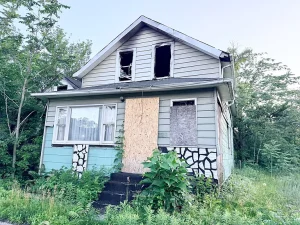
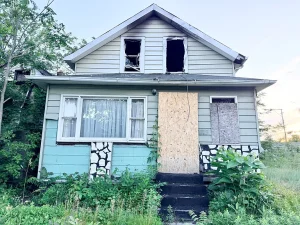
Listed on Zillow.