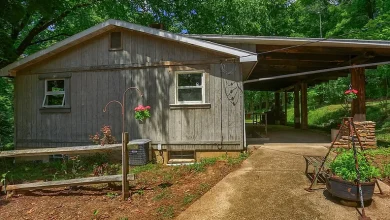
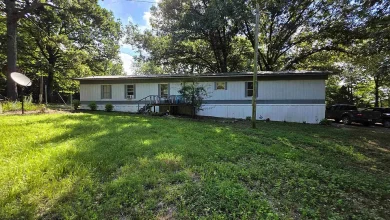
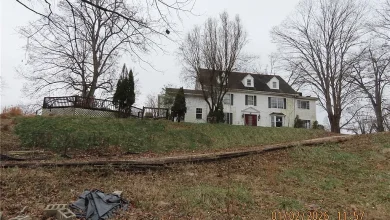
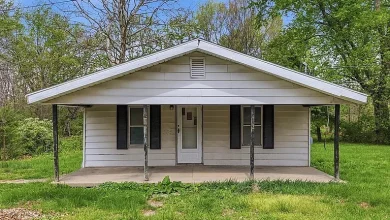
3 beds 1 baths 1,200 sqft
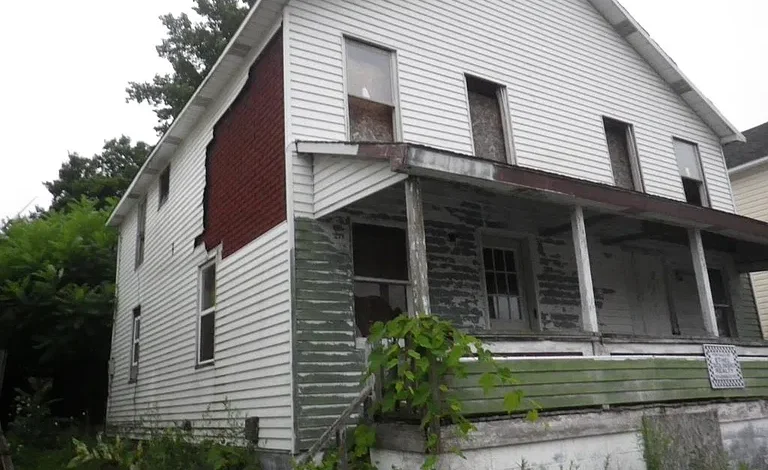
$4,000 Handyman Special in Beaverdale, Pennsylvania – 3-Bedroom Fixer-Upper With Major Renovation Needs
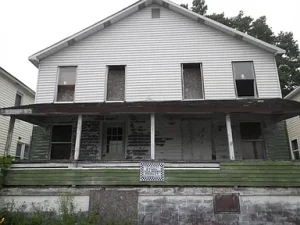
For investors, experienced renovators, contractors, and buyers searching for one of the lowest-priced residential properties currently available in Pennsylvania, 420 Cameron Ave, Beaverdale, PA 15921 is an extreme fixer-upper that immediately stands out because of its $4,000 asking price.
Recently reduced by $4,000, this two-story single-family house is listed at roughly $3 per square foot and includes approximately 1,200 square feet of total interior area, 3 bedrooms, and 1 bathroom, according to the listing. It also has public water, public sewer, a dirt driveway, aluminum siding, a pitched shingle roof, forced-air heating, and cable service.
However, this is not a conventional bargain home that simply needs cosmetic updating.
The listing is very clear that the house is not currently livable, requires major work, and may be unsafe to enter. Interior showings are not permitted because there are concerns that the upstairs floors may be in poor condition. Buyers are instructed to view the exterior only and not enter the structure.
That warning should be taken seriously.
For the right buyer, the low acquisition price may create an opportunity to evaluate the property as a major rehabilitation project, possible demolition-and-rebuild candidate, or land-and-utility opportunity. For someone looking for a move-in-ready home, inexpensive starter house, or simple weekend renovation, this is likely not the right property.
Property Overview
The listing at 420 Cameron Ave includes the following reported details:
- Asking price: $4,000
- Recent price reduction: $4,000
- 3 bedrooms
- 1 bathroom
- 1 half bathroom reported in the facts section
- Approximately 1,200 square feet
- Approximately $3 per square foot
- Two-story single-family residence
- Architectural style listed as shell
- Property is not currently livable
- No interior showings
- Buyers instructed not to enter
- Possible unsafe upstairs flooring
- Major renovation required
- Basement present
- Forced-air heating
- No cooling system
- Aluminum siding
- Pitched shingle roof
- Dirt driveway
- Public water
- Public sewer
- Cable connected
- Residential zoning
- Paved public road
- Annual property taxes approximately $230
- Cash terms
- Existing contents included at closing
The low purchase price is attention-grabbing, but the condition of the structure is the most important part of the story.
A $4,000 House Requires a Different Kind of Analysis
A property listed for $4,000 will naturally attract curiosity.
At first glance, buyers may wonder how an entire three-bedroom house can cost less than many used cars, motorcycles, appliances, or major home repairs.
The answer is that the listing price reflects substantial condition concerns.
The property is being marketed as a handyman special, but that phrase may actually understate the scale of the project. The listing specifically warns that the home is too dangerous to enter, that the upstairs floors may be bad, and that the structure is not livable.
This means buyers should not think of the house as a discounted finished residence.
Instead, it should be evaluated more like a distressed structure requiring professional inspection, major structural rehabilitation, or possible replacement.
Recent 50% Price Reduction
The property was reduced by $4,000, bringing the price down to $4,000.
That means the asking price was effectively cut in half.
On a property already priced extremely low, this is a dramatic reduction.
A price cut of that size may indicate seller motivation, extended market time, difficult condition, or limited buyer demand.
The home has been listed for more than a year, which reinforces the fact that this is a specialized project requiring a buyer with the right experience, budget, and risk tolerance.
A long time on market does not automatically mean the property has no value. It may simply mean that most conventional buyers are not prepared to take on a structure in this condition.
Approximately 1,200 Square Feet
The listing reports approximately 1,200 square feet of total interior area.
The data also indicates approximately:
- 600 square feet above ground
- 600 square feet below ground
That unusual breakdown may reflect the way the property was entered into the listing system, and buyers should independently verify actual finished and unfinished space.
Because the home is unsafe to enter, interior measurements may be difficult to confirm before a professional structural evaluation.
Even so, a 1,200-square-foot footprint can be meaningful if a major rehabilitation is possible.
A completely restored three-bedroom house of this size could potentially function as:
- Primary residence
- Rental property
- Starter home
- Small family home
- Investment property
But that potential depends entirely on structural feasibility and renovation economics.
Three-Bedroom Configuration
The property is listed as having three bedrooms.
A three-bedroom layout can be attractive from both residential and investment perspectives.
For an owner-occupant, it may provide enough space for:
- Primary bedroom
- Children’s room
- Guest bedroom
- Home office
For an investor, three-bedroom homes can appeal to families and long-term tenants.
However, buyers should not assume that the existing bedroom layout can simply be cleaned and reused.
If the floors, framing, walls, roof, or other structural components are compromised, substantial reconstruction may be necessary.
One Bathroom Plus Possible Half Bath
The listing presents somewhat inconsistent bathroom information.
The headline identifies 1 bathroom, while the property facts mention 1 half bathroom.
Because the home cannot safely be entered, buyers should verify the actual bathroom count before making any assumptions.
Plumbing condition is another major concern.
A severely distressed property may require:
- New supply lines
- New drain lines
- New fixtures
- Subfloor repair
- Wall replacement
- New ventilation
- Water heater work
- Sewer-line evaluation
In an older fixer-upper, bathroom renovation can easily become one of the more expensive parts of the project.
No Interior Showings
Perhaps the most important sentence in the listing is that no interior showings are allowed.
This is unusual for a residential sale and signals a high level of physical risk.
The seller or listing agent is effectively telling buyers that the structure may not be safe enough for ordinary walkthroughs.
That means prospective buyers must rely on:
- Exterior inspection
- Available photos
- Virtual tour if available
- Public records
- Professional structural evaluation where possible
- Contractor estimates
- Municipal records
No buyer should ignore the warning and enter the house without authorization.
Possible Unsafe Upstairs Floors
The listing specifically states that the floors upstairs may be bad.
This raises serious structural questions.
Potential causes could include:
- Water damage
- Rot
- Termite or insect damage
- Joist failure
- Subfloor deterioration
- Long-term roof leaks
- Foundation movement
- Neglect
The actual cause is unknown from the listing alone.
Repair costs could range from localized subfloor work to extensive structural rebuilding.
Because the second floor contains bedrooms, the condition of the framing system is critical.
The House Is Not Currently Livable
The property is explicitly described as not currently livable.
That means buyers should not purchase it expecting to move in immediately.
A renovation may require:
- Building permits
- Structural repairs
- Electrical upgrades
- Plumbing replacement
- Heating repair
- Roof work
- Flooring reconstruction
- Wall and ceiling repairs
- Bathroom reconstruction
- Kitchen replacement
- Safety inspections
Depending on local requirements, a certificate of occupancy or other approval may be necessary before legal habitation.
A Major Rehabilitation Project
The best way to understand this listing is as a major rehabilitation project.
Cosmetic improvements alone are unlikely to be enough.
This is probably not a matter of simply painting walls, replacing flooring, and installing new cabinets.
The warning about unsafe floors suggests that critical building systems may need attention first.
Experienced renovators generally prioritize:
- Structural integrity
- Roof and water intrusion
- Foundation
- Electrical safety
- Plumbing
- Heating
- Building envelope
- Interior finishes
That sequence is especially important on a distressed property.
Architectural Style Listed as “Shell”
The architectural style is described as Shell.
That designation reinforces the impression that the house is being sold more for its basic structure than for its current living condition.
A shell property may require major interior reconstruction before it can function as a conventional home.
For some investors, this can actually be attractive because there is less emotional attachment to the current interior.
They can redesign the space from the ground up.
However, the economics must still make sense.
Full or Partial Basement Space
The property facts indicate that the house has a basement.
Basements can be valuable in renovation projects because they provide access to:
- Foundation walls
- Floor framing
- Plumbing
- Mechanical systems
- Electrical runs
However, a distressed basement can also reveal serious issues.
Buyers should look for:
- Water intrusion
- Structural cracks
- Rot
- Mold
- Standing water
- Failed supports
- Damaged joists
- Foundation movement
The basement condition could significantly influence whether rehabilitation is practical.
Forced-Air Heating
The home is listed as having forced-air heating.
That could mean an existing furnace and duct system are present.
However, the listing does not state whether the system is currently operational.
In a house that is not livable and unsafe to enter, buyers should assume that major mechanical systems may require inspection or replacement.
A future renovation budget should include a realistic allowance for HVAC work unless proven otherwise.
No Cooling System
The property has no listed cooling system.
If the house is eventually restored, future owners may consider:
- Central air
- Ductless mini-split
- Window units
- Portable units
If forced-air ductwork is salvageable, central air might be easier to add.
But this should be evaluated only after the structural and heating systems are confirmed usable.
Public Water
The property is connected to public water.
This may be one of the more valuable infrastructure advantages.
A buyer does not need to drill a private well.
However, the condition of interior water lines remains unknown.
If pipes have frozen, leaked, corroded, or been vandalized, substantial plumbing replacement may still be necessary.
Public Sewer
The house is also connected to public sewer.
This eliminates the need for a private septic system.
Public sewer can be valuable when comparing a distressed property with vacant land because the utility connection already exists.
A future buyer should still investigate the sewer lateral from the house to the municipal line.
Older or damaged sewer laterals can require expensive repair.
Cable Connected
Cable service is reported as connected.
This may be useful for future internet or television service once the property is restored.
However, the condition and active status of the connection should be verified.
Aluminum Siding
The exterior is listed as aluminum siding.
Aluminum siding can remain serviceable for decades if maintained.
Potential issues may include:
- Dents
- Fading
- Loose panels
- Oxidation
- Damage around windows
- Moisture behind siding
Exterior siding condition is especially important when a house has suffered neglect because water intrusion behind the siding can damage structural framing.
Pitched Shingle Roof
The home has a pitched shingle roof.
Roof condition is likely one of the first things an experienced renovator will investigate.
If roof leaks contributed to the upstairs floor deterioration, the roof may need immediate replacement.
A failed roof can damage:
- Rafters
- Sheathing
- Ceilings
- Walls
- Insulation
- Floors
- Electrical systems
A $4,000 purchase price can easily be overshadowed by a major roof-and-structure project.
Dirt Driveway
The property includes a dirt driveway.
This provides off-street access, which is better than having no private parking at all.
However, the driveway may require:
- Gravel
- Grading
- Drainage
- Vegetation clearing
- Snow maintenance
The exact condition should be inspected from the exterior.
Paved Public Road
The home is located on a paved road.
This can improve year-round access and make future construction work easier.
Contractors, dumpsters, delivery vehicles, and utility crews generally benefit from straightforward road access.
Residential Zoning
The property is zoned residential.
This supports continued residential use, subject to local code requirements.
Buyers should still verify whether the house is currently subject to:
- Code violations
- Condemnation orders
- Demolition orders
- Outstanding permits
- Unsafe-structure notices
These issues can dramatically affect the timeline and cost of a renovation.
Extremely Low Annual Taxes
The annual property tax is reported at approximately $230.
That is very low.
For an investor holding the property during a renovation, lower taxes can help reduce carrying costs.
However, taxes are only a small part of the financial picture.
A severely distressed property may require significant spending on:
- Insurance
- Security
- Cleanup
- Demolition
- Permits
- Repairs
- Utilities
Cash-Only Terms
The listing specifies cash.
That is understandable given the property’s condition.
Traditional mortgage lenders generally require homes to meet minimum habitability and safety standards.
A structure that cannot safely be entered is unlikely to qualify for standard financing.
Cash buyers, private lenders, or specialized renovation financing may be the most realistic options.
Any Existing Contents Included
The listing states that any existing contents will remain at closing.
This means the buyer may inherit whatever personal property, debris, furniture, or materials are currently inside.
That can create an additional cleanup expense.
Because interior access is restricted, the buyer may not know exactly what remains inside before closing.
Professional cleanout services may be needed.
Potential Cleanup Costs
Distressed homes can contain:
- Old furniture
- Trash
- Appliances
- Construction debris
- Personal belongings
- Damaged flooring
- Water-damaged materials
Cleanup costs can become substantial, especially if hazardous materials are present.
A renovation budget should include a contingency for debris removal.
Potential Hazardous Materials
Older homes may contain materials that require special handling.
Possible concerns include:
- Lead-based paint
- Asbestos
- Mold
- Contaminated insulation
- Damaged flooring materials
Professional testing may be appropriate before demolition or renovation.
Safe disposal can add to project costs.
Could Demolition Make More Sense?
One of the biggest questions is whether the structure is worth saving.
If the floors, framing, roof, foundation, and mechanical systems are all severely damaged, demolition may be more economical than rehabilitation.
A buyer should compare:
Option 1: Repair the house
versus
Option 2: Remove the house and rebuild
The answer depends on:
- Structural condition
- Local construction costs
- Land value
- Utility value
- Demolition cost
- Building-code requirements
- Resale value
A structural engineer or experienced contractor can help evaluate this decision.
Existing Utility Connections May Add Value
Even if the house is beyond economical repair, the parcel may still have value because of existing infrastructure.
Public water and sewer connections can save significant money compared with developing raw land.
A replacement home might be able to use or reconnect to existing utility infrastructure, subject to local approval.
That possibility should be investigated before demolition.
Potential Rebuild Opportunity
If the current structure is removed, the site could potentially support a new residence depending on zoning, setbacks, utility rules, and lot dimensions.
A buyer might consider:
- Small modular home
- Manufactured home if permitted
- Compact stick-built house
- Rental property
The economics could potentially work better than trying to restore a severely deteriorated structure.
Investment Potential
The low asking price will naturally attract investors.
However, buying cheaply is only useful if the total project cost remains below the property’s realistic after-repair value.
An investor should calculate:
- $4,000 purchase price
- Closing costs
- Cleanup
- Structural repairs
- Roof
- Electrical
- Plumbing
- HVAC
- Kitchen
- Bathroom
- Flooring
- Windows
- Exterior
- Permits
- Insurance
- Holding costs
- Resale costs
Only then can the project be evaluated intelligently.
After-Repair Value Matters More Than Purchase Price
For fixer-uppers, purchase price is only one number.
The more important question is:
What is the property worth after repairs?
If renovated homes in the area sell for relatively low prices, a large renovation may not make financial sense.
For example, spending $80,000 on a house that would only be worth $60,000 after renovation would create a poor investment even if the property itself cost only $4,000.
Local comparable sales should be researched carefully.
Rental Potential After Renovation
If successfully restored, a three-bedroom house may appeal to long-term renters.
Rental analysis should include:
- Typical local rent
- Vacancy
- Property taxes
- Insurance
- Maintenance
- Utilities
- Property management
- Renovation cost
Investors should not assume low purchase price automatically means high cash flow.
Potential Owner-Occupied Project
A skilled buyer who performs much of the work personally may view the property differently from an investor paying contractors for everything.
Sweat equity can reduce labor costs.
However, structural, electrical, plumbing, and other specialized work should still be completed by qualified professionals where required.
Safety should always come before savings.
Long Time on Market
The home has been on the market for hundreds of days.
That tells buyers that the property has a very limited audience.
Most traditional homeowners will not consider a house they cannot safely enter.
That can create negotiating leverage, but it also signals real challenges.
A property that remains unsold even at a very low price should be approached cautiously.
Why the Property Is So Cheap
The low price is not mysterious.
The home is:
- Unsafe to enter
- Not livable
- In need of major work
- Restricted to exterior showings
- Possibly structurally compromised
This is why the listing is priced at just $4,000.
The discount reflects risk and condition.
Low Price Does Not Mean Low Project Cost
This point cannot be emphasized enough.
A $4,000 acquisition can still become an expensive project.
Major repairs may include:
- Roof replacement
- Structural framing
- Foundation stabilization
- Complete electrical rewire
- Full plumbing replacement
- HVAC replacement
- Kitchen reconstruction
- Bathroom reconstruction
- Flooring
- Windows
- Insulation
- Drywall
- Siding repair
Buyers should prepare for the possibility that rehabilitation costs could be many times the purchase price.
Possible Insurance Challenges
Insuring a severely distressed house can be difficult.
Standard homeowners insurance may not be available.
Investors may need:
- Vacant property insurance
- Builder’s risk insurance
- Renovation insurance
These policies can cost more than normal coverage.
Insurance availability should be checked before closing.
Municipal Code Review Is Essential
Because the house is unsafe, buyers should contact the local municipality before purchasing.
They should ask:
- Is the property condemned?
- Are there open code violations?
- Is demolition required?
- Are there liens for maintenance?
- Are there unpaid utility bills?
- Are there zoning issues?
- What permits are needed for renovation?
This information can dramatically affect value.
Title and Lien Search
Low-priced distressed properties can sometimes have title complications.
A professional title search should confirm:
- Ownership
- Tax status
- Liens
- Judgments
- Utility balances
- Municipal claims
- Easements
A $4,000 property is not a bargain if the buyer unexpectedly inherits thousands of dollars in unresolved obligations.
Structural Engineer Evaluation
Given the warning about unsafe floors, a structural engineer may be one of the most important professionals involved.
An engineer can help evaluate:
- Joists
- Beams
- Foundation
- Load-bearing walls
- Roof framing
- Floor stability
That assessment can determine whether repair is practical.
Contractor Estimates Before Purchase
Buyers should obtain realistic estimates before making a final decision.
At minimum, contractors should assess:
- Structural repair
- Roof
- Electrical
- Plumbing
- HVAC
- Interior reconstruction
Even rough estimates can help prevent major financial mistakes.
Potential for a Camper or Temporary Use
The listing asks whether the property might be “great for a camper.”
That should not be interpreted as confirmation that an RV or camper can legally be occupied on the property.
Local regulations may restrict:
- RV occupancy
- Temporary living
- Camping
- Utility hookups
- Duration of stay
Anyone considering this use should verify municipal rules in writing.
No HOA
No homeowners association is listed.
That means buyers do not appear to face recurring HOA dues.
However, municipal codes and residential zoning still apply.
For a distressed property, code enforcement will matter much more than HOA rules.
Beaverdale Location
The property is located in Beaverdale, Pennsylvania, within the Cambria subdivision.
For investors, local market conditions should be studied carefully.
Important factors include:
- Population trends
- Employment
- Rental demand
- Home sale prices
- Vacancy rates
- Neighborhood condition
A low-cost property only makes sense if the surrounding market supports the intended strategy.
Who Might Consider This Property?
The ideal buyer may include:
- Experienced contractor
- Professional investor
- Cash buyer
- Structural renovator
- Demolition-and-rebuild buyer
- Skilled handyman with significant experience
This is not a beginner-level cosmetic fixer.
Who Should Avoid This Property?
The home is probably not appropriate for:
- First-time renovators
- Buyers needing immediate housing
- Buyers relying on traditional financing
- Buyers without a substantial repair budget
- Anyone uncomfortable with structural risk
- Buyers unwilling to work with contractors and permits
The extremely low price should not hide the complexity.
Due Diligence Checklist
Before buying, a serious purchaser should investigate:
- Exterior condition
- Structural integrity
- Roof
- Foundation
- Floor framing
- Basement
- Electrical system
- Plumbing
- Heating
- Water service
- Sewer service
- Utility balances
- Code violations
- Condemnation status
- Demolition orders
- Insurance availability
- Title
- Liens
- Taxes
- Cleanup costs
- Hazardous materials
- After-repair value
- Local rents
- Contractor estimates
Skipping these steps could turn an inexpensive purchase into a costly mistake.
Renovate or Rebuild?
The final investment decision may come down to one question:
Is the existing structure worth saving?
If the bones of the house are sound enough, a full renovation could preserve the original footprint and utilities.
If the structure is severely compromised, removing it may provide a cleaner path forward.
A buyer should resist the temptation to make this decision based on emotion.
The correct answer should come from professional inspection and financial analysis.
Why Some Investors Look for Properties Like This
Experienced investors sometimes search specifically for properties with severe problems because competition is limited.
Most buyers are unwilling to take on unsafe structures.
That can create opportunities for people who understand:
- Construction
- Demolition
- Permitting
- Financing
- Local resale values
The risk is high, but so is the potential to create value if the project is managed correctly.
Potential Land Value
Even if the existing house has little or no salvage value, the parcel may still have value because it includes:
- Residential zoning
- Public water
- Public sewer
- Road access
- Existing homesite
- Driveway
For some buyers, that infrastructure may justify the acquisition even if the house itself is removed.
Annual Taxes of About $230
The reported annual tax bill of approximately $230 is very low.
This can reduce carrying costs while a buyer evaluates the project or waits for permits.
However, taxes are likely to change if a new or substantially improved home is eventually assessed.
Cash Purchase Advantage
Because the home is cash-only, a buyer who can close without financing may have a simpler transaction.
There is no lender requiring repairs before closing.
However, the buyer also assumes the full condition risk.
Cash does not reduce the need for inspections.
Final Thoughts on 420 Cameron Ave
At $4,000 after a $4,000 price reduction, 420 Cameron Ave in Beaverdale, Pennsylvania is one of the most extreme low-cost fixer-upper opportunities a buyer is likely to encounter.
The property is listed as a three-bedroom, approximately 1,200-square-foot, two-story single-family residence with public water, public sewer, forced-air heat, a basement, aluminum siding, a shingle roof, a dirt driveway, and residential zoning.
However, those basic features should not distract from the critical condition warnings.
The house is not currently livable.
Interior showings are not permitted.
The listing specifically warns buyers not to enter because the upstairs floors may be unsafe.
This is not a normal renovation project.
It should be treated as a structurally distressed property requiring professional evaluation before any purchase decision.
The $4,000 asking price is extremely low, but renovation expenses could be substantial. Buyers should carefully investigate structural framing, foundation condition, roof integrity, electrical systems, plumbing, heating, basement condition, code status, insurance, title, liens, and demolition costs.
A contractor or structural engineer may determine that the house can be saved.
Alternatively, the best strategy may be demolition and replacement.
If the existing structure must be removed, the site’s public water, public sewer, residential zoning, road access, and established homesite could still provide value for a future project.
For an experienced investor, contractor, or cash buyer who understands major rehabilitation, the property may represent a speculative opportunity.
For a conventional homebuyer, it is likely far too risky and demanding.
The real question is not whether a three-bedroom house can be purchased for $4,000.
The real question is whether the total cost of making the property safe, legal, functional, and marketable will remain below the value that can eventually be created.
That financial and structural analysis should determine whether 420 Cameron Ave is a bargain—or simply an inexpensive entry into a very expensive project.
Listed on Zillow