3 beds 1 baths 1,096 sqft
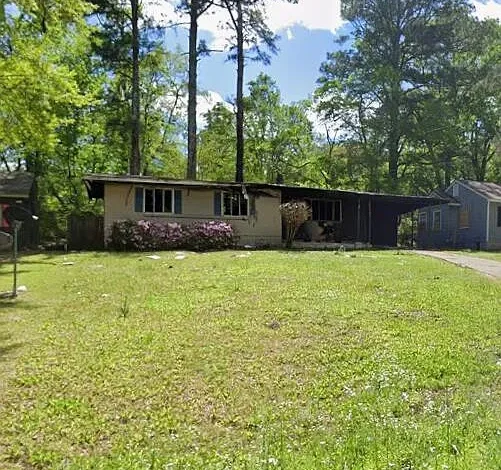
$8,000 Fire-Damaged Fixer-Upper in Jackson, Mississippi – 3 Bedrooms, 1 Bath, Public Utilities, and Owner Financing Potential
For buyers searching for an extremely low-cost investment property in Mississippi, 313 Lawrence Rd, Jackson, MS 39206 is the type of listing that immediately stands out. Offered at just $8,000, this single-family residence includes 3 bedrooms, 1 full bathroom, approximately 1,096 square feet of interior living space, and a quarter-acre lot.
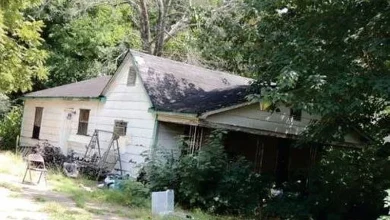
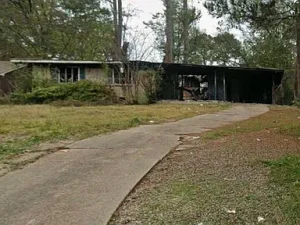
The property was built in 1954 and is located in the Broadmoor subdivision of Jackson. At roughly $7 per square foot, the asking price is dramatically lower than what buyers would expect for a typical occupied home. The reason is clear: the listing states that the property has extensive fire damage and will require a substantial rehabilitation.
This is not a cosmetic fixer-upper.
The home is being sold AS-IS/WHERE-IS, meaning prospective buyers should expect to take responsibility for the property’s existing condition. Depending on the extent of the fire, repairs may involve structural framing, roofing, electrical systems, plumbing, drywall, insulation, flooring, windows, doors, HVAC, smoke remediation, and other work.
At the same time, the listing notes that owner financing is available, which may make the property more accessible to certain investors who do not want to pay the full purchase price in cash immediately.
For an experienced contractor, investor, rehabilitation specialist, or buyer comfortable with a major project, this property may deserve a closer look.
Property Overview
Key reported details include:
- Asking price: $8,000
- 3 bedrooms
- 1 full bathroom
- Approximately 1,096 square feet
- Approximately $7 per square foot
- Single-family residence
- Built in 1954
- One-story home
- Approximately 0.25-acre lot
- Extensive fire damage
- Major rehabilitation required
- Sold AS-IS/WHERE-IS
- Owner financing reportedly available
- Public water
- Public sewer
- No HOA
- Located in the Broadmoor subdivision
- Annual property taxes approximately $1,211
- Tax-assessed value approximately $41,540
- Fixer-upper condition
- Jackson, Mississippi location
The extremely low acquisition cost creates potential, but the home should be evaluated as a serious construction project rather than a conventional residential purchase.
Why the $8,000 Asking Price Is So Attention-Grabbing
The $8,000 price will naturally draw attention.
In many housing markets, $8,000 would not cover a closing-cost package, let alone an entire house.
Here, however, the low price reflects the property’s distressed condition.
A buyer should not focus only on the purchase price.
The more important calculation is:
Purchase price + rehabilitation cost + carrying costs + insurance + permits + closing costs
That total will determine whether this property is a bargain.
A severely fire-damaged home can require repairs that exceed the purchase price many times over.
Approximately $7 Per Square Foot
At roughly $7 per square foot, the property appears extraordinarily inexpensive.
However, price per square foot is not especially meaningful until the scope of damage is understood.
Two houses of the same size can have completely different values if one is move-in ready and the other needs structural reconstruction.
The correct financial analysis should focus on the final project cost rather than the headline price.
Extensive Fire Damage
The listing specifically says the home has extensive fire damage.
That is the single most important condition detail.
Fire damage can affect more than visible surfaces.
Possible problems include:
- Burned structural framing
- Roof damage
- Smoke contamination
- Electrical damage
- Melted plumbing
- Damaged insulation
- Water damage from firefighting
- Compromised windows and doors
- HVAC contamination
Some damage may be obvious.
Other problems can be hidden behind walls or ceilings.
Structural Inspection Is Essential
A fire can weaken structural components even if they do not appear completely destroyed.
A qualified structural engineer or experienced contractor should evaluate:
- Roof framing
- Ceiling joists
- Wall studs
- Floor framing
- Foundation
- Load-bearing walls
Charred wood may need to be removed or reinforced.
In some cases, portions of the home may need to be rebuilt entirely.
Smoke Damage Can Be Expensive to Remove
Smoke damage is another major issue.
Smoke can penetrate:
- Drywall
- Insulation
- Framing
- Ductwork
- Cabinets
- Flooring
Simply painting over smoke damage is usually not enough.
Professional remediation may require:
- Removal of damaged materials
- Odor sealing
- Deep cleaning
- HVAC cleaning
- Replacement of insulation
A buyer should budget for odor remediation if smoke exposure was extensive.
Water Damage After Firefighting
Fire-damaged properties can also suffer water damage.
Fire departments may use large volumes of water to extinguish flames.
That can cause:
- Wet insulation
- Mold
- Rot
- Subfloor damage
- Ceiling collapse
- Electrical issues
If the home remained wet after the fire, mold remediation may also be necessary.
Roof Condition Should Be Evaluated First
The listing does not provide a clear roof condition.
Because the home has fire damage, the roof should be one of the first systems evaluated.
If roof sections are open or damaged, the interior may continue deteriorating from rain.
Temporary weatherproofing may be needed immediately after purchase.
Built in 1954
The home was built in 1954.
That means the buyer is dealing with both fire damage and the age of the original structure.
Older homes may also have:
- Outdated electrical wiring
- Older plumbing
- Older windows
- Limited insulation
- Aging foundation components
Even parts of the house unaffected by fire may still need modernization.
Lead-Based Paint Considerations
Because the property was built before 1978, older painted surfaces may contain lead-based paint.
During demolition and renovation, lead dust can become a health hazard.
Professional testing and lead-safe work practices may be appropriate.
Possible Asbestos-Containing Materials
Homes from the 1950s can also contain materials that historically included asbestos.
Possible locations include:
- Floor tiles
- Pipe insulation
- Adhesives
- Siding
- HVAC materials
Professional testing may be needed before demolition.
Three Bedrooms
The property is listed with 3 bedrooms.
If the home can be rehabilitated economically, a three-bedroom layout may have broad appeal.
Potential future uses include:
- Family residence
- Rental property
- Owner-occupied home
- Resale project
Three bedrooms are generally more marketable than a one-bedroom or two-bedroom layout in many neighborhoods.
One Bathroom
The house includes 1 full bathroom.
For a three-bedroom home, one bathroom is functional but relatively modest.
If renovation plans allow, a future owner might consider adding a second bathroom.
That could potentially improve:
- Rental demand
- Resale value
- Household convenience
However, adding a bathroom should only be considered if the local market supports the cost.
Approximately 1,096 Square Feet
The home offers approximately 1,096 square feet of living area.
This is a manageable size for rehabilitation.
A smaller house can reduce renovation costs because there is less:
- Roofing
- Flooring
- Drywall
- Paint
- Insulation
However, severe fire damage can still make the project expensive.
One-Story Layout
The home is one story.
That may simplify reconstruction compared with a multi-story structure.
Benefits can include:
- Easier contractor access
- Simpler roof work
- No interior stairs
- More straightforward framing repairs
Single-level homes can also appeal to a broader range of future buyers.
Quarter-Acre Lot
The property sits on approximately 0.25 acres.
That provides more outdoor space than many urban lots.
Potential future uses might include:
- Yard
- Garden
- Patio
- Storage shed
- Parking
The lot itself may retain value even if the structure requires major rebuilding.
Public Water
The property has public water.
That is a positive infrastructure feature.
A buyer does not need to install a private well.
However, the internal plumbing system may have been damaged by heat or firefighting activity.
Public Sewer
The home also has public sewer.
This removes the cost and maintenance of a septic system.
The sewer lateral should still be checked for condition.
No HOA
The property has no HOA.
That means no reported monthly association dues.
For investors, lower recurring costs can improve long-term returns.
Local city and neighborhood regulations still apply.
Broadmoor Subdivision
The property is located in the Broadmoor subdivision.
For investors, neighborhood-level research is critical.
Important factors include:
- Recent sales
- Rental demand
- Vacancy
- Property condition nearby
- Crime statistics
- Access to schools and services
A property can only support a certain renovation budget based on its surrounding market.
Tax-Assessed Value of Approximately $41,540
The property has a reported tax-assessed value of approximately $41,540.
That is substantially higher than the $8,000 asking price.
However, assessment values and market values are not the same thing.
The current distressed condition likely explains the large difference.
Annual Property Taxes of Approximately $1,211
Annual property taxes are reported at approximately $1,211.
That is an important carrying cost.
For a property priced at $8,000, annual taxes represent a meaningful percentage of the purchase price.
If renovation takes a year or more, investors should budget for taxes during the project.
Owner Financing Available
The listing notes that owner financing is available.
This could be important for buyers who do not want to pay cash.
Potential benefits may include:
- Lower upfront cash requirement
- Faster closing
- Flexible approval
However, buyers should request written terms.
Important questions include:
- Down payment
- Interest rate
- Monthly payment
- Loan term
- Balloon payment
- Late fees
- Prepayment penalty
Owner financing is not automatically better than cash or bank financing.
The terms matter.
Traditional Mortgage Financing May Be Difficult
A severely fire-damaged home may not qualify for conventional financing.
Traditional lenders usually require properties to meet minimum habitability and safety standards.
This is one reason owner financing may be offered.
Other possibilities might include:
- Cash
- Hard money loan
- Private financing
- Rehabilitation loan
The best option depends on the buyer’s strategy.
AS-IS/WHERE-IS Sale
The property is being sold AS-IS/WHERE-IS.
That generally means the seller does not intend to complete repairs.
The buyer should expect to purchase the property in its current physical condition.
Due diligence is therefore essential.
What “As Is” Really Means
“As is” does not mean the buyer should skip inspection.
In fact, inspection becomes even more important.
The buyer should understand:
- Structural condition
- Fire damage
- Utility condition
- Roof status
- Code issues
- Insurance availability
The seller may simply be unwilling to repair any problems discovered.
Potential Insurance Challenges
Insurance can be difficult on a severely damaged property.
Before purchase, buyers should ask insurers about:
- Builder’s-risk insurance
- Vacant-property insurance
- Renovation coverage
Standard homeowners insurance may not be available until the house is repaired.
City Code Violations Should Be Checked
A fire-damaged home may have:
- Unsafe-structure notices
- Code violations
- Open permits
- Demolition orders
Buyers should contact local authorities to confirm the property’s status.
If the city requires specific repairs within a certain timeframe, that could significantly affect the project.
Demolition May Be an Alternative
In some cases, rehabilitating a burned structure is more expensive than demolishing it.
A buyer should compare:
Rehabilitation cost
versus
Demolition + rebuild cost
The right answer depends on:
- Remaining structural integrity
- Foundation condition
- Utility connections
- Local home values
- Construction costs
Existing Utilities Could Still Add Value
Even if the structure is heavily damaged, the lot may have value because public water and sewer already serve the property.
Reconnecting utilities may be easier than developing raw land.
That can matter if the buyer decides to rebuild.
Potential Fix-and-Flip Strategy
An investor may consider repairing the home and reselling it.
The key numbers are:
- Purchase price
- Repair cost
- After-repair value
- Holding cost
- Selling cost
- Desired profit
The $8,000 acquisition price creates room for repairs, but only if the local resale value supports the project.
Potential Rental Strategy
The property could also become a rental if successfully rehabilitated.
A three-bedroom home may appeal to families.
An investor should research:
- Local rent
- Property taxes
- Insurance
- Maintenance
- Vacancy
- Management fees
The total renovation cost determines whether rental cash flow will be attractive.
After-Repair Value Should Be Verified
A buyer should research nearby renovated three-bedroom homes.
Good comparable sales should match:
- Size
- Bedroom count
- Neighborhood
- Age
- Lot size
Avoid using distant or much larger homes as comparisons.
Avoid Over-Improving
Because the purchase price is low, some buyers may be tempted to install expensive finishes.
That can be a mistake.
The renovation should match the neighborhood.
Practical improvements may include:
- Durable flooring
- Functional kitchen
- Updated bathroom
- Reliable HVAC
- Clean exterior
Luxury finishes may not produce enough additional resale value.
Electrical System May Need Complete Replacement
Fire can severely damage wiring.
Even areas that appear untouched may have heat-damaged insulation.
A licensed electrician should evaluate whether the home requires:
- New panel
- New wiring
- New outlets
- New lighting
- New service entrance
Electrical repair should never be guessed.
Plumbing May Also Require Replacement
Heat and firefighting water can damage plumbing.
Possible issues include:
- Melted PVC
- Burst pipes
- Damaged fixtures
- Leaks
- Sewer problems
A complete plumbing inspection is essential.
HVAC Condition Is Unknown
The listing says heating and cooling details are “See Remarks.”
That means buyers should not assume the systems are functional.
If the HVAC system was exposed to smoke, fire, or water, replacement may be necessary.
Windows and Doors
Fire and heat can damage:
- Window frames
- Glass
- Exterior doors
- Locks
Damaged openings also create security and weather problems.
Securing the building should be an early priority.
Interior Drywall and Insulation
Smoke and water may make drywall and insulation unsalvageable.
A major rehabilitation may require:
- Removing wall coverings
- Replacing insulation
- Installing new drywall
- Sealing smoke odors
This can be labor-intensive.
Flooring and Subfloor
Flooring may need complete replacement.
If the fire or water damage reached the subfloor, structural floor repairs may also be required.
Buyers should inspect for:
- Soft spots
- Rot
- Charred framing
- Moisture damage
Kitchen Could Need Full Reconstruction
The listing does not provide kitchen details.
In a fire-damaged home, buyers should assume the kitchen may need major work.
Possible replacement items include:
- Cabinets
- Countertops
- Appliances
- Plumbing
- Electrical
- Flooring
Bathroom Could Also Require Full Renovation
The bathroom may require similar reconstruction.
Potential work includes:
- Tub or shower
- Toilet
- Vanity
- Plumbing
- Flooring
- Ventilation
Cleanup and Debris Removal
Fire-damaged properties can contain significant debris.
Cleanup may require:
- Dumpster
- Hauling
- Specialized disposal
- Protective equipment
The cost should be included in the renovation budget.
Smoke Odor Remediation
Persistent smoke odor can make a renovated home difficult to sell or rent.
Professional remediation may involve:
- Ozone treatment
- Thermal fogging
- Sealers
- Material replacement
This should be done after damaged materials are removed.
Mold Risk
Water used to extinguish the fire may lead to mold.
Mold remediation may be needed if the home remained wet.
A moisture inspection can help identify hidden problems.
Permit Requirements
Major reconstruction will likely require permits.
Possible permits include:
- Structural
- Electrical
- Plumbing
- HVAC
- Roofing
Buyers should verify requirements with the City of Jackson.
Contractor Estimates Before Purchase
A serious buyer should obtain contractor estimates before committing.
At minimum, the buyer should understand costs for:
- Structural repair
- Roof
- Electrical
- Plumbing
- HVAC
- Interior rebuild
Even rough estimates are better than guessing.
Repair Contingency
Fire-damaged renovations almost always reveal surprises.
A prudent buyer should include a contingency of perhaps 10% to 20% beyond expected repairs.
Unexpected problems can appear once walls are opened.
Potential Land Value
Even if the existing structure proves too damaged to save, the parcel itself may have value.
The quarter-acre lot already has:
- Public water
- Public sewer
- Residential use
- Established street access
That can be a useful foundation for redevelopment.
One-Story Rebuild Potential
If demolition becomes necessary, the site could potentially support a new one-story home, subject to zoning and setbacks.
A new compact three-bedroom house might make more sense than restoring a severely compromised structure.
No HOA Means More Flexibility
Without an HOA, a buyer avoids association approval for many renovation decisions.
However, city code and permitting still govern construction.
Investor Special
The listing explicitly markets the home as an INVESTOR SPECIAL.
That language is appropriate.
This is a property for someone comfortable with:
- Risk
- Construction
- Budgeting
- Permits
- Distressed property
It is not likely to be suitable for a typical first-time buyer looking for immediate occupancy.
Who Might Be Interested in This Property?
The property may appeal to:
- Contractors
- Experienced investors
- Fix-and-flip buyers
- Landlords
- Private lenders
- Buyers interested in redevelopment
The low acquisition price is the main attraction.
Who Should Think Carefully Before Buying?
The property may be unsuitable for:
- Buyers needing move-in-ready housing
- Buyers with no repair reserve
- Buyers relying on conventional financing
- First-time renovators with no professional support
The fire damage creates substantial uncertainty.
Questions Buyers Should Ask
Before purchasing, buyers should ask:
- How extensive is the structural fire damage?
- Is the roof compromised?
- Are utilities active?
- Is the electrical system salvageable?
- Is the plumbing intact?
- Is there mold?
- Are there code violations?
- Is there a demolition order?
- What are the owner-financing terms?
- Are taxes current?
- Are there liens?
- Is the property insurable during renovation?
These answers can dramatically change the investment analysis.
Due Diligence Checklist
A serious buyer should consider:
- Structural engineer
- Contractor estimates
- Roof inspection
- Electrical inspection
- Plumbing inspection
- HVAC inspection
- Mold inspection
- Title search
- Code-status review
- Insurance quote
- Comparable sales analysis
This is the type of property where skipping due diligence can become very expensive.
Potential Renovation Sequence
If the home is worth saving, a logical renovation sequence may be:
Phase 1: Secure and Stabilize
- Board openings
- Repair roof
- Remove debris
- Stop water intrusion
Phase 2: Structural Repair
- Framing
- Foundation
- Floor system
Phase 3: Mechanical Systems
- Electrical
- Plumbing
- HVAC
Phase 4: Interior Rebuild
- Insulation
- Drywall
- Kitchen
- Bathroom
- Flooring
Phase 5: Exterior and Final Finishes
- Paint
- Landscaping
- Driveway
- Final inspections
Following a logical sequence can reduce rework.
Why the Tax-Assessed Value Matters
The approximately $41,540 assessed value is much higher than the $8,000 asking price.
That does not guarantee profit.
But it suggests the parcel and structure had significantly more value before the fire.
A buyer should investigate what comparable renovated properties currently sell for.
Market Demand in Jackson
Investors should study the specific neighborhood.
Jackson has a wide range of property values and neighborhood conditions.
The exact street and nearby sales will determine whether a large renovation budget is reasonable.
Rental Demand
Three-bedroom homes can be attractive to tenants if the neighborhood supports stable rental demand.
The key is to estimate realistic rent after renovation.
Holding Costs
During rehabilitation, the owner may face:
- Property taxes
- Insurance
- Utility costs
- Security
- Lawn care
- Financing payments
Long projects can significantly reduce profit.
Owner Financing Could Improve Flexibility
If the seller offers favorable financing terms, an investor may preserve more cash for repairs.
That can be useful because rehabilitation will likely require far more money than the purchase price.
Still, financing terms should be compared with other funding options.
Final Thoughts on 313 Lawrence Rd
At $8,000, 313 Lawrence Rd in Jackson, Mississippi is an unusually low-priced three-bedroom single-family property, but the low price reflects serious condition concerns.
The home contains approximately 1,096 square feet, 3 bedrooms, 1 full bathroom, a one-story layout, a quarter-acre lot, public water, public sewer, and no HOA.
It was built in 1954 and is being sold AS-IS/WHERE-IS with extensive fire damage.
That means this is not a simple cosmetic renovation.
A buyer may need to address structural framing, roof damage, smoke contamination, electrical systems, plumbing, HVAC, insulation, drywall, flooring, kitchen, bathroom, windows, and possible mold caused by firefighting water.
The property is therefore best suited to an experienced investor, contractor, or buyer with access to qualified professionals and a substantial repair budget.
One notable advantage is that owner financing is reportedly available, which may reduce the upfront cash needed for acquisition and leave more funds available for renovation. The exact financing terms should be reviewed carefully.
The home’s $41,540 reported tax-assessed value is considerably higher than the current asking price, but buyers should not assume that difference represents automatic equity. The fire damage may have reduced the property’s real market value substantially.
The correct way to evaluate this opportunity is to calculate the full project cost.
That means adding the $8,000 purchase price to all expected repairs, permits, insurance, carrying costs, cleanup, and closing expenses, then comparing that total with the realistic after-repair value of similar homes in the Broadmoor area.
If the structure is salvageable and contractor estimates remain reasonable, the property could offer a low-cost entry into a rehabilitation project.
If the fire damage is too extensive, the lot’s public water, public sewer, established residential location, and quarter-acre size may still provide redevelopment value.
For the right buyer, 313 Lawrence Rd may represent an opportunity to restore or replace a distressed home at a very low initial acquisition cost.
For a conventional homebuyer, the repair risk is likely far too high.
Listed on Zillow