21.25 Acres
Unique 21-Acre Pond Property in Templeton, Massachusetts With Development Potential
A Rare Waterfront Land Opportunity
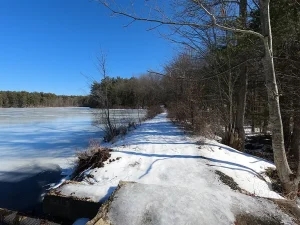
Unique land opportunities do not appear every day, especially when they combine a substantial private pond, waterfront access, an existing earthen dam, nearby utilities, and more than 20 acres of land. Depot Pond in the Templeton area of Massachusetts offers an unusual opportunity for buyers, land investors, conservation-minded purchasers, recreational property seekers, and those interested in exploring the future possibilities of a distinctive waterfront parcel.
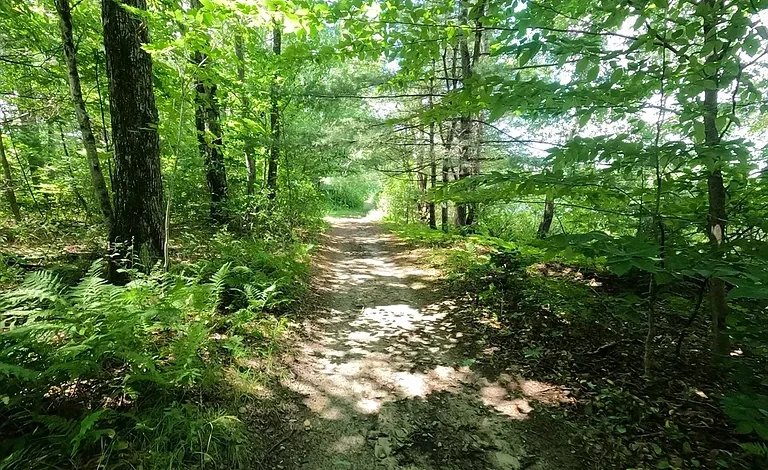
The property encompasses approximately 21.25 acres, although the listing indicates that it consists primarily of pond area with very little dry land. The site includes waterfront features, an inlet stream, an outlet spillway, wooded portions, wetlands, floodplain areas, and an irregular lot configuration.
One of the most significant features is the existing earthen dam. According to the property information, the dam is in need of repair, replacement, or removal. The possibility of removing the dam may potentially create additional usable land, but this is not something a buyer should assume. Any decision involving the dam, water levels, wetlands, floodplain conditions, or future construction should be evaluated by qualified engineers, environmental professionals, and local authorities.
This makes Depot Pond a property that requires careful due diligence but may also offer an uncommon combination of natural resources and future possibilities.
Approximately 21.25 Acres With a Unique Landscape
The property contains approximately 21.25 acres and is described as having an irregular lot configuration.
Unlike a traditional vacant land parcel with a large open building site, this property is primarily characterized by its pond and surrounding natural features. The landscape includes water, wetlands, wooded areas, and floodplain conditions.
These characteristics make the property different from conventional residential development land.
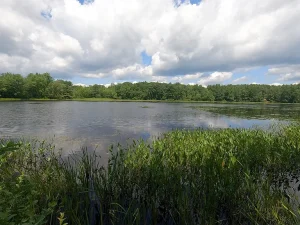
For buyers interested in waterfront real estate, the pond itself is likely to be the central attraction. A private or largely private water feature can create scenic value and may offer recreational or conservation possibilities.
At the same time, wetlands and floodplain areas can significantly affect what can legally and practically be done with the property.
Potential purchasers should therefore view the acreage not simply as a number but as a combination of water, land, environmental features, access areas, and potentially regulated resources.
Before making any plans, buyers should obtain professional information regarding the exact acreage composition, boundaries, wetland delineations, flood zones, and buildable areas.
Depot Pond and Its Waterfront Setting
Depot Pond is the defining feature of this property.
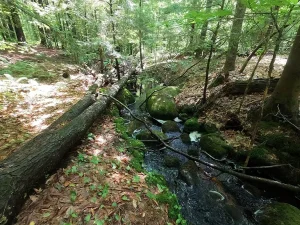
The listing describes direct waterfront, pond frontage, stream access, and private water views. The eastern border includes an inlet stream that feeds the pond, while the southwestern portion includes an outlet spillway through which water eventually travels toward the Otter River.
This creates an interesting natural water system across the property.
Waterfront land can have appeal for a variety of reasons. Some buyers may be attracted to the scenery and peaceful environment, while others may be interested in studying the property from a conservation, recreational, ecological, or long-term land investment perspective.
The pond may also provide opportunities for observing wildlife and enjoying the natural landscape.
However, because water levels and drainage are directly connected to the existing dam and spillway, the property should be evaluated as a complete hydrological system rather than simply as a waterfront parcel.
An engineer familiar with dams and water resources can help determine the condition of the existing structure and explain potential repair, replacement, or removal options.
Existing Earthen Dam Requires Professional Evaluation
The existing earthen dam is one of the property’s most important considerations.
The listing states that the dam needs repair, replacement, or removal. Each option could have very different costs, permitting requirements, environmental implications, and effects on the property.
A buyer should not assume that removing the dam would automatically create usable building land.
Although the listing suggests that dam removal may allow for more land to build, the actual outcome would depend on numerous factors, including water levels, soil conditions, wetlands, floodplain regulations, environmental requirements, drainage, permitting, and engineering considerations.
A qualified engineer should evaluate the dam and surrounding property before any decision is made.
Potential buyers should also investigate whether the dam is subject to state or local regulatory requirements and whether there are inspection, maintenance, repair, or removal obligations associated with ownership.
This is one of the most important elements of the property’s due-diligence process.
Possibility of Additional Usable Land
One of the intriguing aspects of Depot Pond is the potential change in usable land if the existing dam were removed.
The listing indicates that removal could potentially result in additional land becoming available for construction.
However, this should be considered a possibility requiring professional confirmation rather than an established development benefit.
Even if water is removed from portions of the property, previously submerged or wet areas may not automatically become suitable for construction.
Soil stability, drainage, wetlands, floodplain regulations, environmental restrictions, and foundation requirements would all need to be examined.
Anyone considering the property primarily for future development should obtain written opinions from appropriate professionals before relying on any development assumptions.
The distinction between total acreage and legally buildable acreage is especially important with waterfront and environmentally sensitive properties.
Nearby Water, Sewer and Three-Phase Power
Another noteworthy feature is the reported proximity of municipal infrastructure.
Town water and sewer are described as being nearby, while three-phase electrical power is also reported nearby.
This may be useful information for buyers evaluating future possibilities.
Access to nearby utilities can sometimes be an advantage compared with remote land where infrastructure would need to be extended over significant distances.
However, “nearby” does not necessarily mean that a property is already connected.
A prospective buyer should contact the relevant utility providers to determine the exact location of available service, connection requirements, capacity, extension costs, easements, and applicable fees.
Three-phase power may be particularly relevant for certain commercial, industrial, agricultural, or specialized uses, although the property’s current zoning and permitted uses must be confirmed independently.
The availability of nearby utilities should therefore be viewed as a potential advantage for future planning rather than a guarantee of development readiness.
Deeded Access From Pond Street
The property is accessed by deed from Pond Street.
Legal access is an essential consideration when evaluating land, particularly parcels with unusual configurations.
A buyer should review the deed and title documents carefully to confirm the exact access rights, location, width, maintenance responsibilities, and any conditions associated with the access route.
A title company or real estate attorney can help clarify these matters.
Because the property contains significant water and wetland areas, practical access may also differ from legal access.
Survey information, boundary markers, road conditions, and seasonal accessibility should all be evaluated before purchase.
Wetlands and Floodplain Considerations
The property is identified as including wetlands and floodplain areas.
These features are important because environmental and floodplain regulations can affect construction, grading, excavation, drainage modifications, and other activities.
Wetlands can provide important ecological functions, including wildlife habitat, water filtration, and flood mitigation.
At the same time, they can introduce additional regulatory requirements for property owners.
Anyone interested in changing the pond, removing the dam, filling land, constructing structures, or modifying drainage should consult qualified environmental professionals and local authorities.
A formal wetland delineation may be useful to establish the boundaries of regulated wetland areas.
Floodplain mapping should also be reviewed before making any development assumptions.
Potential Uses for the Property
Because Depot Pond is not a conventional vacant residential lot, the best use of the property will depend on zoning, environmental restrictions, engineering conclusions, access, and the buyer’s goals.
Potential concepts could include recreational land ownership, conservation, wildlife habitat management, water-resource stewardship, or carefully planned future development if permitted.
The property could also attract buyers interested in owning a distinctive natural landscape.
Some landowners value properties not only for immediate development but also for privacy, scenery, natural resources, and long-term ownership potential.
Any future use should be evaluated against the property’s zoning designation, which is listed as RA-1.
Buyers should contact the appropriate municipal planning and zoning authorities to determine exactly which uses are allowed.
Zoning and Development Research
The property is listed with an RA-1 zoning designation.
Zoning is an important component of any land purchase because it determines what types of activities may be permitted.
A buyer should obtain the current zoning regulations and determine whether the property can support residential, recreational, agricultural, conservation, or other uses.
Because the property includes wetlands and floodplain areas, zoning alone may not determine development feasibility.
Other state and local regulations may apply.
Potential purchasers should investigate:
- Permitted uses
- Minimum lot requirements
- Setback requirements
- Wetland restrictions
- Floodplain regulations
- Building permits
- Septic requirements
- Water connections
- Road access
- Drainage requirements
- Dam regulations
- Environmental permits
- Conservation restrictions
- Easements and rights-of-way
Professional due diligence is strongly recommended before purchasing.
A Distinctive Land Investment Opportunity
For land investors, unique properties can sometimes provide opportunities that are not available with conventional parcels.
Depot Pond has several characteristics that differentiate it from ordinary vacant land.
The property includes more than 21 acres, a significant pond, water frontage, an inlet stream, an outlet spillway, wooded areas, and nearby infrastructure.
Its unusual physical characteristics may appeal to buyers with specialized knowledge of land, water resources, environmental planning, or recreational property.
However, unusual properties also require unusual levels of due diligence.
The costs associated with maintaining or modifying a dam, managing water resources, addressing wetlands, or developing floodplain areas can be substantial.
An investor should therefore analyze both the potential benefits and the potential liabilities before making a purchase decision.
Understanding the Property’s Tax Situation
The listing contains an important financial consideration for prospective buyers.
The buyer is responsible for taxes due, with approximately $61,335 reported as of May 21, 2026, plus a per diem rate of approximately $12.30.
Because tax balances can change over time, buyers should independently verify the current amount directly with the appropriate municipal or tax authority before closing.
This is particularly important because the stated amount is tied to a specific date.
Any accrued interest, penalties, assessments, or changes after that date should be confirmed.
A real estate attorney, title company, or qualified tax professional can help buyers understand the financial obligations associated with acquiring the property.
No Existing Residential Improvements
The property has no bedrooms or bathrooms and is not presented as a conventional residential home.
There is no existing residential structure described in the listing.
For buyers looking for a traditional move-in-ready property, this parcel would not fit that category.
Instead, it represents a land-focused opportunity centered around its pond, natural landscape, access, and potential future uses.
This distinction is important when comparing Depot Pond with ordinary residential real estate.
The value proposition should be evaluated primarily through the land characteristics and the potential permitted uses rather than through residential square footage.
Recreational and Conservation Potential
The natural characteristics of the property may make it interesting to buyers who value outdoor recreation and conservation.
Waterfront landscapes can provide opportunities for wildlife observation, photography, nature study, and quiet outdoor enjoyment.
The pond and inlet stream create aquatic habitat, while wooded areas may support a variety of plant and animal species.
For a conservation-minded owner, protecting the property’s natural characteristics could be an important part of the ownership experience.
Potential recreational activities should always be evaluated according to local regulations, property rights, environmental restrictions, and safety considerations.
Understanding the Outlet Toward the Otter River
The pond’s outlet spillway is another significant physical feature.
According to the listing, water released from the southwestern corner eventually makes its way toward the Otter River.
This connection demonstrates how the property participates in a broader drainage system.
Changes to the pond, dam, spillway, or surrounding landscape could therefore affect water movement beyond the immediate parcel.
This is another reason engineering and environmental evaluation should be considered essential before making alterations.
A professional assessment can help explain the relationship between the pond, dam, inlet, outlet, surrounding wetlands, and downstream water system.
Why Professional Due Diligence Matters
Depot Pond is a property where due diligence should be considered a central part of the purchasing process.
Before acquiring the property, prospective buyers may want to investigate:
- Current property taxes and outstanding balances
- Title and deed information
- Deeded access
- Property boundaries
- Survey information
- Zoning
- Wetland boundaries
- Floodplain maps
- Dam condition
- Dam ownership responsibilities
- Engineering requirements
- Environmental regulations
- Utility availability
- Water and sewer connection costs
- Electrical service availability
- Development restrictions
- Easements
- Insurance considerations
The information contained in the listing should be independently verified.
A Rare Property for the Right Buyer
Depot Pond is not an ordinary 21-acre land parcel.
Its defining characteristics include substantial water coverage, limited dry land, an existing earthen dam, an inlet stream, an outlet spillway, wetlands, wooded areas, floodplain conditions, deeded access, and nearby utility infrastructure.
These characteristics could make the property appealing to a specialized buyer who understands waterfront land and is prepared to complete comprehensive due diligence.
The potential for dam repair, replacement, or removal creates an additional layer of complexity.
For some buyers, that complexity may be a reason to look elsewhere. For others, it may be part of what makes the property interesting.
The key is understanding exactly what can and cannot be done before purchasing.
Final Thoughts on This Templeton Waterfront Property
Depot Pond represents a distinctive land opportunity in the Templeton area of Massachusetts.
With approximately 21.25 acres, a substantial pond, waterfront frontage, an inlet stream, an outlet spillway, wooded areas, wetlands, floodplain conditions, and deeded access from Pond Street, the property offers a landscape unlike a typical vacant land listing.
Nearby town water, sewer, and three-phase power could provide useful infrastructure possibilities, although buyers should independently verify availability, connection requirements, costs, and capacity.
The existing earthen dam is one of the property’s most important considerations. It requires repair, replacement, or removal, and any proposed action should be evaluated by qualified engineers and appropriate regulatory authorities.
The listing also indicates that dam removal may potentially create additional land for construction. However, prospective buyers should not assume that this land would automatically become buildable. Wetlands, floodplain regulations, soil conditions, environmental requirements, and zoning could all affect future development possibilities.
The reported tax obligation of approximately $61,335 as of May 21, 2026, plus the stated daily rate, is another major financial factor that should be independently verified before any transaction.
For the right buyer, Depot Pond could represent a unique opportunity to acquire a large and unusual waterfront property with natural beauty, water resources, and potential for carefully evaluated future use.
For anyone considering this property as a land investment, recreational retreat, conservation holding, or potential development project, professional advice should be considered an essential part of the process.
Buyers should independently verify all property information, zoning, taxes, access rights, environmental conditions, dam requirements, utility availability, and development possibilities before making an offer or committing funds.

Listed on Zillow