19.39 Acres Lot
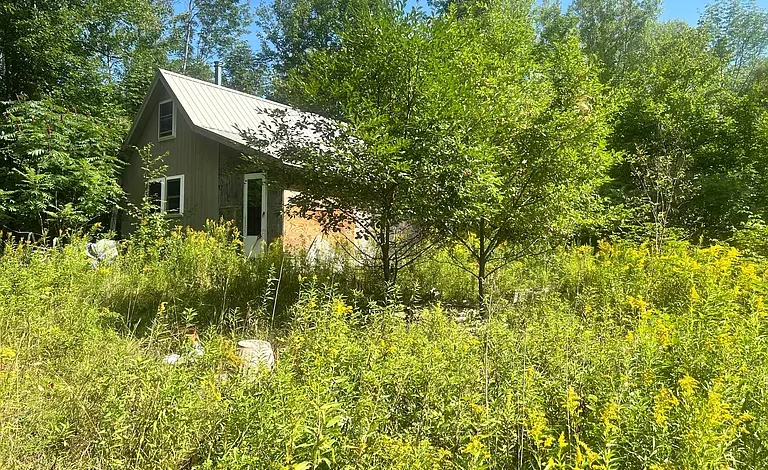
Off-Grid Cabin on 19.39 Acres in Harmony, Maine With Greenhouse and Private Well
A Private Maine Retreat With Nearly 20 Acres
For buyers dreaming about a quieter lifestyle surrounded by woods, open space, and nature, this property in Harmony, Maine offers an unusual opportunity at an asking price of $85,000. The property includes approximately 19.39 acres of rural wooded land and an unfinished cabin with approximately 288 square feet of interior space.
Built in 2015, the small camp-style structure already has some important infrastructure in place, including a drilled well and a new, never-used septic system. The cabin is currently described as off grid, while power is available at the road. A wood stove provides the listed heating source, and the property includes a loft on the second level.
The property is not being marketed as a finished, move-in-ready home. Instead, it presents an opportunity for a buyer to complete an existing cabin according to personal preferences and intended use. For someone searching for affordable Maine land, a hunting or recreational property, a weekend cabin, or an off-grid retreat, the combination of acreage and existing improvements could be particularly interesting.
Another feature that catches attention is the large greenhouse on the property. The greenhouse is currently in disrepair, but the listing indicates that it may potentially be saved and restored for vegetable growing or gardening.
The setting is described as private and connected to nature, located on a quiet dirt road not far from the center of Harmony. The property is also within driving distance of Dexter, Dover-Foxcroft, and Skowhegan, providing access to nearby communities and services while maintaining a rural atmosphere.
For buyers looking for a property where they can create something personal rather than simply purchasing a finished house, this Maine acreage deserves a closer look.
An $85,000 Opportunity in Rural Maine
The asking price of $85,000 places this property in a relatively accessible segment of the Maine real estate market.
Instead of purchasing a conventional suburban home at a significantly higher price, buyers interested in rural land may prefer the flexibility of acquiring a larger parcel and developing the existing cabin over time.
The property includes approximately 19.39 acres, which is a substantial amount of land for the price.
The structure itself is compact, with only 288 square feet of listed living area, so the acreage is an important part of the property’s overall appeal.
This is fundamentally a land-and-cabin opportunity rather than a traditional large-home purchase.
That distinction is important for buyers.
Someone looking for a fully finished residence with multiple bathrooms, a large kitchen, extensive living areas, and turnkey amenities will likely need to consider a different type of property.
On the other hand, someone searching for privacy, land, an existing camp structure, and the ability to complete a cabin according to personal preferences may find the property much more appealing.
Nearly 20 Acres of Wooded Land
The approximately 19.39-acre parcel is one of the property’s defining characteristics.
Large rural acreage can provide a sense of privacy that is difficult to achieve on a conventional residential lot.
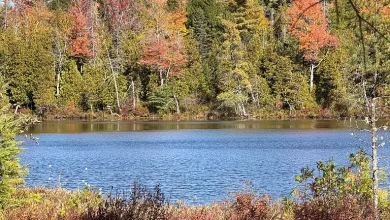
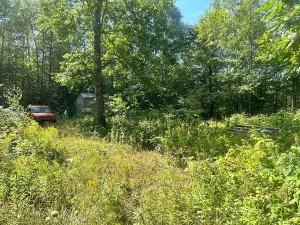
The listing describes the property as rural and wooded, with views of trees and woods.
For people who enjoy spending time outdoors, the land itself can become a major part of the ownership experience.
Nearly 20 acres can provide space for walking trails, gardening, nature observation, recreational activities, seasonal use, and simply enjoying a quieter environment.
The wooded surroundings may also provide habitat for birds, deer, and other wildlife commonly associated with rural Maine landscapes.
Buyers should personally inspect the acreage to understand its terrain, vegetation, access, drainage, boundaries, and overall usability.
The actual value of rural land can depend on many factors beyond acreage, including road frontage, access, zoning, soil characteristics, timber, wetlands, topography, and development limitations.
An Unfinished 288-Square-Foot Cabin
The existing cabin contains approximately 288 square feet of interior space.
Although compact, the cabin offers an existing structure that can serve as the starting point for a private retreat.
The listing describes the building as unfinished, meaning buyers should expect additional work before treating it as a conventional finished residence.
The interior includes a first-floor living room and a second-level loft.
The compact footprint can be an advantage for buyers who prefer simple spaces and lower maintenance requirements.
A small cabin can also be easier to personalize because every design decision has a visible impact on the available space.
With careful planning, the interior could potentially be arranged around sleeping space, seating, storage, cooking or food-preparation needs, and other recreational uses, subject to existing construction and applicable building regulations.
Before planning any improvements, buyers should determine exactly what work remains unfinished and whether all required permits and approvals are in place.
The Potential of a Loft Layout
The cabin features a second-floor loft.
Loft-style designs are popular in cabins because they allow owners to use vertical space without substantially increasing the building’s footprint.
A loft can potentially function as a sleeping area, reading space, storage area, or private retreat.
The small footprint of the cabin makes efficient use of space particularly important.
Built-in shelving, compact furniture, multifunctional storage, and thoughtful interior organization could help make the cabin more functional.
The actual condition and construction of the loft should be evaluated carefully, including stairs or ladder access, railings, ceiling height, insulation, and other safety considerations.
Wood Stove Heating
The cabin is heated by a wood stove.
For a rural Maine property, a wood stove can be an attractive feature, particularly for seasonal use during cooler weather.
The warmth and atmosphere of a wood stove can complement the cabin experience and create a traditional recreational-camp environment.
However, buyers should have the stove and its installation inspected by a qualified professional before using it.
The chimney, flue, clearances, hearth, ventilation, and surrounding construction should all be evaluated for safety.
Buyers should also determine whether the stove is appropriately sized for the space and whether any additional heating or insulation improvements are necessary.
Off-Grid Living With Power Available at the Road
The property is described as off grid, but the listing states that power is available at the road.
This creates an interesting distinction.
The cabin currently does not rely on a conventional electrical connection, but the availability of electricity nearby may give a future owner an option to investigate utility connection.
Whether connecting power is practical or cost-effective will depend on the distance from the cabin to the utility line, installation requirements, local utility policies, and the buyer’s intended use.
Some buyers may prefer to maintain the property as an off-grid retreat.
Others may want to investigate bringing conventional electricity to the cabin.
Either strategy should be evaluated based on actual costs and local requirements.
A Drilled Well Is Already in Place
One of the more significant improvements on the property is the drilled well.
Having a well already in place can be valuable for a rural property because establishing a water source can otherwise become one of the major infrastructure considerations.
The listing describes the well as being in place and private.
However, buyers should not assume that the well automatically provides adequate water for every possible use.
A professional well inspection and water-quality testing are strongly recommended.
Buyers may want to determine well depth, yield, pump condition, water quality, maintenance history, and any available documentation.
If the buyer intends to finish the cabin or use the property for extended periods, understanding the water system will be particularly important.
New Never-Used Septic System
The property also has a new, never-used septic system.
This is another potentially valuable infrastructure feature for a rural property.
A septic system can provide wastewater treatment without municipal sewer service, making it compatible with rural living.
The fact that the listing describes the system as new and never used may be attractive to buyers, but the exact specifications and approval status should still be verified.
Buyers should obtain documentation showing the system design, installation, permits, capacity, location, and applicable approvals.
A professional inspection can also help confirm the condition of the system.
The relationship between the septic system, well, cabin, property boundaries, and potential future improvements should be understood before any renovation or expansion plans are made.
A Large Greenhouse With Restoration Potential
The property includes a large greenhouse.
Although the greenhouse is described as being in disrepair, the listing indicates that it might be possible to save and restore it.
For buyers interested in gardening or sustainable living, this could be an especially appealing feature.
A greenhouse can extend the growing season and provide a controlled environment for vegetables, herbs, flowers, seedlings, and other plants.
In Maine’s climate, having protected growing space can be useful for gardeners who want to begin plants earlier in the season or continue growing later into the year.
However, the greenhouse should be carefully inspected.
The frame, glazing, foundation, doors, ventilation, drainage, and overall structural integrity should be evaluated before deciding whether restoration is practical.
If the structure can be rehabilitated, it could become an important part of the property’s recreational and lifestyle value.
A Property for Gardening and Sustainable Living
The combination of acreage, a greenhouse, private well, septic system, and off-grid cabin may appeal to buyers interested in sustainable living.
Sustainable living can mean different things to different people.
For one buyer, it might mean growing vegetables.
For another, it could involve spending more time outdoors and relying less on conventional entertainment and urban infrastructure.
Someone else may simply want a private retreat where they can enjoy a slower pace.
The existing infrastructure provides a starting point for exploring these ideas.
A buyer could potentially develop a garden, restore the greenhouse, improve the cabin, and gradually create a more self-sufficient recreational property.
Any plans involving farming, livestock, additional structures, or commercial activity should be verified under local zoning and land-use regulations.
Privacy and Connection With Nature
The listing emphasizes privacy and a connection with nature.
That description is supported by the property’s large wooded acreage and rural location.
For people who spend much of their lives in urban or suburban environments, having access to nearly 20 acres can provide a significant change of pace.
The property could become a place to disconnect from traffic, crowded neighborhoods, and daily routines.
Instead, the focus can shift toward woods, wildlife, seasonal changes, gardening, outdoor activities, and quiet evenings around a wood stove.
The cabin’s compact size may actually enhance that experience.
It encourages a simpler approach to living and recreation rather than attempting to recreate all the amenities of a conventional home.
A Weekend Cabin and Vacation Retreat
One of the most obvious potential uses is a weekend getaway.
A private cabin on nearly 20 acres can provide a place to spend weekends, holidays, and vacations without the expense of renting accommodations every time.
The property could potentially become a personal retreat for hiking, gardening, wildlife observation, reading, photography, or simply enjoying the woods.
The cabin can serve as the basecamp while the acreage provides the surrounding recreational environment.
Because the structure is unfinished, buyers can also consider how much comfort they want to add.
Some may prefer a very rustic cabin.
Others may want to invest in insulation, interior finishes, efficient storage, improved lighting, and other features that make longer stays more comfortable.
A Hunting and Outdoor Recreation Property
Rural wooded acreage can also appeal to hunters and outdoor recreation enthusiasts.
The nearly 20-acre parcel may provide opportunities for observing wildlife and exploring the woods.
The suitability of the property for hunting should be independently evaluated based on wildlife activity, terrain, neighboring land, access, applicable regulations, and personal expectations.
Buyers interested in hunting should also review all current Maine hunting laws, seasons, licensing requirements, and safety rules.
Even for people who do not hunt, the property may be attractive for hiking, wildlife photography, bird watching, nature study, and other outdoor activities.
The Appeal of Rural Maine Real Estate
Maine has a reputation for rural landscapes, forests, lakes, outdoor recreation, and communities where residents can enjoy a slower pace of life.
Properties with substantial acreage can appeal to buyers who want to experience that lifestyle more privately.
This Harmony property combines several elements commonly associated with rural Maine real estate: wooded land, a dirt road, a small cabin, a wood stove, private utilities, and significant acreage.
At the same time, the property is not located in complete isolation.
The listing notes that it is not far from the center of Harmony and offers an easy drive to Dexter, Dover-Foxcroft, and Skowhegan.
That balance can be valuable to buyers who want rural surroundings but still need access to nearby communities.
Convenient Access to Nearby Communities
Although the property has a secluded atmosphere, its location provides access to several nearby Maine communities.
The listing specifically mentions Dexter, Dover-Foxcroft, and Skowhegan.
These communities can provide access to shopping, services, restaurants, healthcare, supplies, and other necessities.
For a recreational property, being within reasonable driving distance of established communities can make ownership more convenient.
A buyer planning frequent weekend visits may appreciate being able to reach essential services without traveling extremely long distances.
Travel times should be independently checked based on the buyer’s intended destinations and seasonal road conditions.
The Dirt Road Setting
The property is located on a quiet dirt road.
For some buyers, a dirt-road setting is part of the appeal of rural Maine.
It can contribute to a quieter environment and a stronger sense of separation from heavily traveled roads.
However, dirt roads also require buyers to think about seasonal access and maintenance.
Winter conditions, snow removal, drainage, road maintenance agreements, and vehicle access should all be investigated.
Prospective buyers should determine who maintains the road, whether there are shared maintenance responsibilities, and whether any road association or easement applies.
Potential for Personalization
The unfinished condition of the cabin means the buyer can potentially influence how the space develops.
This can be especially appealing to people who enjoy DIY projects or want a cabin designed around their specific lifestyle.
The small footprint encourages efficiency.
A buyer could potentially create a sleeping loft, compact living area, storage solutions, and functional spaces without needing to manage a large home’s maintenance demands.
The goal should be to make improvements based on actual needs rather than adding unnecessary complexity.
An Opportunity for Gradual Improvement
One advantage of an unfinished recreational property is the possibility of improving it gradually.
A buyer does not necessarily need to complete every project immediately.
Depending on the condition and applicable requirements, improvements could be prioritized over time.
The first stage might involve ensuring that the structure is weather-tight and safe.
Later improvements could focus on insulation, interior finishes, storage, electrical systems, heating efficiency, or other comfort-related features.
The greenhouse could also be addressed separately.
A buyer may choose to restore it after establishing the cabin as a functional retreat.
This gradual approach can make a rural property project more manageable, although buyers should always establish a realistic budget before beginning.
Investment Potential and Land Value
The property may also appeal to buyers who view rural acreage as a long-term investment.
At $85,000, the acquisition price is relatively accessible compared with many larger land offerings.
The combination of acreage and an existing cabin could provide a different investment profile from vacant land.
However, buyers should avoid assuming future appreciation or guaranteed returns.
A land investment should be evaluated using local comparable sales, market demand, property taxes, zoning, access, utility availability, development potential, and the condition of existing improvements.
The fact that taxes are currently listed at approximately $743 annually may be attractive from a carrying-cost perspective, but buyers should verify the actual future tax assessment after purchase and any changes resulting from improvements or parcel changes.
Understanding the Zoning
The listing identifies zoning as “per town.”
This means buyers should contact the relevant local authorities to understand the exact zoning classification and permitted uses.
This is particularly important because the property is currently off grid and includes an unfinished cabin.
A buyer considering year-round residence, expansion, additional buildings, short-term rental use, agricultural activities, or other improvements should verify whether those activities are permitted.
Local zoning regulations can govern setbacks, structures, septic systems, wells, driveway access, occupancy, and other aspects of property use.
Due Diligence for an Off-Grid Property
Off-grid properties require careful due diligence because infrastructure can differ substantially from conventional homes.
Prospective buyers should investigate:
- Condition and specifications of the drilled well
- Water quality and well yield
- Septic system design and approval
- Exact location of the septic system
- Cabin foundation
- Structural condition
- Roof condition
- Wood siding
- Wood stove and chimney
- Electrical infrastructure
- Availability and cost of connecting power
- Internet service options
- Road access
- Road maintenance responsibilities
- Property boundaries
- Survey information
- Zoning
- Building permits
- Greenhouse condition
- Drainage and terrain
- Potential wetlands or protected areas
- Property taxes
- Insurance availability
- Year-round accessibility
Understanding these details can help buyers determine whether the property matches their intended lifestyle.
Who Might Be Interested in This Property?
This property could appeal to several different buyer profiles.
A weekend cabin buyer may appreciate the privacy and acreage.
An outdoor enthusiast may value the wooded land and recreational possibilities.
A gardener may see potential in restoring the greenhouse.
A DIY enthusiast may enjoy finishing the unfinished cabin.
A land investor may be interested in evaluating the long-term potential of nearly 20 acres.
A buyer interested in off-grid living may appreciate the existing well, septic system, and wood-stove heating.
Someone looking for a quieter Maine lifestyle may simply appreciate the privacy and natural setting.
The key is that this is a specialized property. It will likely appeal most strongly to buyers whose priorities extend beyond conventional residential features.
Final Thoughts
This 19.39-acre property in Harmony, Maine, listed for $85,000, offers a rare combination of substantial wooded acreage and an existing unfinished cabin.
The approximately 288-square-foot camp was built in 2015 and features an open layout, a first-floor living area, a second-floor loft, wood flooring, and wood-stove heating.
The property is currently described as off grid, while electricity is available at the road. A drilled well and a new, never-used septic system are already in place, providing important infrastructure for a future owner.
The large greenhouse, although currently in disrepair, adds another potential project for someone interested in gardening or sustainable living.
The land itself is arguably the property’s biggest attraction.
With approximately 19.39 acres of wooded rural land, buyers have significant space for privacy, recreation, outdoor activities, nature observation, and personal projects.
The quiet dirt-road setting adds to the rural character, while the location provides access to Harmony and nearby communities including Dexter, Dover-Foxcroft, and Skowhegan.
This is not a turnkey home, and buyers should not approach it as one.
The unfinished cabin means additional work may be necessary. The lack of an existing conventional electrical connection, combined with private water and septic systems, also means that infrastructure should be carefully evaluated.
The greenhouse will require inspection before a buyer can determine whether restoration is practical.
The exact zoning and permitted uses should be confirmed with the town, particularly if the buyer has plans for year-round living, expansion, additional structures, gardening operations, or other uses.
For someone seeking a private Maine cabin, off-grid retreat, recreational property, rural land investment, hunting camp, or personalized weekend getaway, however, this property offers an intriguing foundation.
The combination of nearly 20 acres, an existing cabin, private well, new septic system, wood-stove heating, road access, and potential greenhouse restoration creates multiple possibilities.
The $85,000 asking price makes the property especially interesting for buyers who are comfortable taking on an unfinished project and who understand that the land itself is a major component of the opportunity.
Rather than buying a finished house where every feature has already been decided, the future owner could potentially shape this property according to personal priorities.
For some buyers, that freedom may be the most attractive feature of all.
Property Facts and Features
- Asking price: $85,000
- Location: Harmony, Maine
- Property type: Single-family residence/camp
- Architectural style: Camp
- Year built: 2015
- Bedrooms listed: 1
- Bathrooms: Not listed
- Interior living area: Approximately 288 square feet
- Lot size: Approximately 19.39 acres
- Lot type: Rural and wooded
- Views: Trees and woods
- Stories: 1 with loft
- Loft: Second level
- Heating: Wood stove
- Cooling: None
- Basement: None
- Foundation: Pillar/post/pier
- Construction: Wood frame
- Exterior: Wood siding
- Roof: Shingle
- Flooring: Wood
- Parking: Gravel, approximately 5-10 spaces
- Outdoor feature: Large greenhouse in disrepair
- Water: Private drilled well
- Sewer: Private septic tank
- Electricity: Off grid, with power available at the road
- Internet: Availability should be verified
- Zoning: Per town
- Annual property tax: Approximately $743
- Road: Quiet dirt road
- Nearby communities mentioned: Dexter, Dover-Foxcroft, and Skowhegan
- HOA: None listed
Important Buyer Consideration
The cabin is unfinished and the property is described as off grid. Buyers should independently verify the condition and approval status of the well and septic system, utility availability, zoning, road access, building permits, property boundaries, greenhouse condition, and all requirements for completing or occupying the cabin. Any future construction, expansion, year-round use, agricultural activity, or additional structures should be confirmed with qualified professionals and the appropriate local authorities.
Listed on Zillow