Endless Potential in Marietta
Affordable Marietta Texas Investment Property With Utility-Ready Lot and Renovation Potential
A Unique Opportunity in Marietta, Texas
Finding an affordable property with existing city infrastructure can be especially attractive to buyers who want to control a renovation or redevelopment project without starting completely from scratch. In Marietta, Texas, this approximately 7,013-square-foot residential property presents an interesting opportunity for investors, builders, landlords, and buyers willing to bring vision, planning, and hands-on effort to the project.
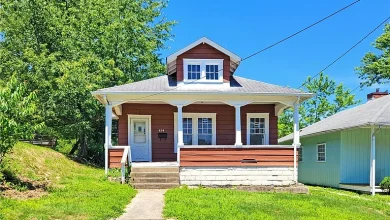
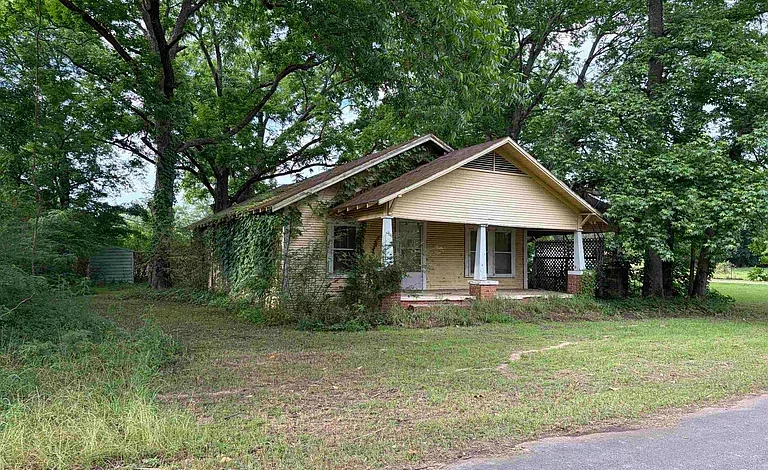
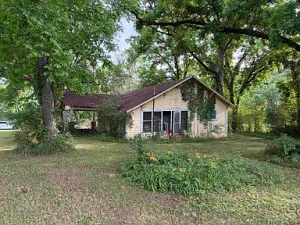
Priced at $19,900 after a recent $5,100 price reduction, the property offers an unusually low entry point for someone searching for a residential site with utilities already available. The existing structure is described as a classic 1920s bungalow-style home, but the listing makes clear that the current improvements are considered a complete fixer-upper and that no value is attributed to the existing house improvements.
That distinction is important. This opportunity should not be approached as a traditional move-in-ready home purchase. Instead, it is better understood as a potential redevelopment, renovation, or investment project where the land, location, existing infrastructure, and possibilities for a future residential use are central to the appeal.
The property sits on a manageable lot of approximately 7,013 square feet, with public water, electricity, and natural gas available at the site. A concrete storm shelter and detached storage building are also included. For an investor who understands construction and local permitting requirements, these existing features may provide a useful starting point.
An Entry-Level Price for a Texas Property Project
At $19,900, this property occupies a price category that can attract buyers looking for alternatives to more expensive residential real estate. The low acquisition price may allow an investor to allocate more of the overall project budget toward construction, renovation, professional services, materials, or other improvements.
However, a low purchase price does not automatically mean a low total project cost. Buyers should carefully evaluate the condition of the existing structure, determine whether renovation or rebuilding makes more sense, and obtain professional estimates before committing to a project.
The listing specifically encourages buyers to bring their tool belt and imagination, emphasizing the property’s potential rather than presenting the existing structure as finished housing.
For an experienced investor, this type of property can be interesting because the strategy is flexible. A buyer might consider a substantial renovation if the structure can economically support it. Another buyer could investigate whether rebuilding is more practical. A landlord might explore the possibility of creating a rental property, while an owner-occupant could potentially pursue a customized residence.
All of these possibilities depend on local regulations, structural feasibility, utility connections, permitting, construction costs, and other factors that should be independently verified.
A Classic 1920s Bungalow-Style Structure
One of the property’s most distinctive characteristics is its bungalow-style architecture dating to the 1920s. Older bungalow homes can offer architectural character that is difficult to reproduce in modern construction.
Although the existing home is described as a complete fixer-upper, the original architectural style may provide inspiration for a future renovation. Buyers who appreciate older homes may be particularly interested in evaluating whether elements of the existing structure can be preserved, restored, or incorporated into a new design.
At the same time, the listing explicitly states that zero value is attributed to the current improvements. That wording should encourage prospective buyers to approach the structure cautiously.
Before planning a renovation, buyers should consider obtaining a professional inspection and, where appropriate, evaluations from qualified contractors, engineers, electricians, plumbers, or other specialists. The actual condition of foundations, framing, roofing, plumbing, electrical systems, insulation, windows, and other components can significantly influence the economics of the project.
The architectural appearance may be appealing, but the financial decision should ultimately be based on the property’s actual physical condition and the cost of achieving the buyer’s intended result.
The Value of Existing Infrastructure
One of the strongest features highlighted by the listing is the availability of essential utilities at the property.
Public water is listed, while natural gas and electricity are also available. The listing notes that buyers will be responsible for any connection or improvement costs associated with needed utilities.
This distinction is important because having utilities available at the site does not necessarily mean that every service is already connected to a finished structure. Connection fees, upgrades, inspections, permits, trenching, meters, service lines, and other requirements can create additional costs.
Nevertheless, the presence of existing utility infrastructure can make a property more interesting than completely raw land for a buyer considering residential construction.
The listing specifically indicates that water, gas, and electricity are available at the site while sewer is listed as not available. Buyers should investigate how wastewater would be handled and determine what local requirements apply to the property.
A complete utility assessment should be part of the due diligence process before construction or renovation plans are finalized.
Residential Zoning
The property is listed with a Residential zoning description. For buyers considering redevelopment, zoning is one of the first subjects that should be investigated.
Residential zoning can provide an important framework for determining what types of improvements may be permitted, but the exact rules can vary by jurisdiction. Buyers should verify allowable uses, building setbacks, lot requirements, accessory structures, parking requirements, occupancy rules, and any other applicable regulations.
If the buyer intends to construct a new residence, substantially alter the existing structure, create an additional dwelling, or use the property for rental purposes, confirmation from the appropriate local authorities is recommended.
Zoning should never be assumed solely from a real estate listing description.
A Manageable 7,013-Square-Foot Lot
The property occupies approximately 7,013 square feet, creating a relatively manageable residential lot.
For some buyers, smaller lots can have advantages. They may require less landscaping, less maintenance, and less time spent managing outdoor space than large rural properties.
A lot of this size may also appeal to buyers who are more interested in creating an efficient residential property than maintaining extensive acreage.
Because the listing describes the property as a blank canvas, the lot itself could become an important part of the future project. Depending on local requirements and the configuration of the parcel, a future plan might include a renovated or rebuilt residence, driveway improvements, landscaping, outdoor living space, and storage.
The feasibility of any particular layout should be confirmed through a survey, zoning review, and professional site planning.
Existing Concrete Storm Shelter
Another notable feature is the existing concrete storm shelter.
For a Texas property, a dedicated storm shelter can be a valuable practical feature, particularly for buyers who prioritize severe-weather preparedness.
The actual condition, construction, accessibility, drainage, ventilation, structural integrity, and code compliance of the shelter should be inspected before relying on it as part of a future residential plan.
If it is structurally sound and usable, it could potentially become one of the property’s practical advantages. If improvements are required, those costs should be included in the overall renovation or redevelopment budget.
Detached Storage Building
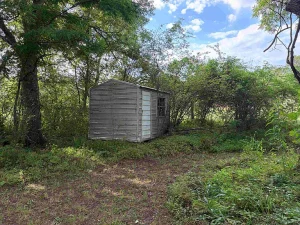
The property also includes a detached storage building.
Additional storage can be useful during renovation and after completion. Depending on its condition and local regulations, it could provide space for tools, lawn equipment, seasonal belongings, workshop materials, or other household items.
For an investor completing construction, an existing storage building can also provide temporary utility during the renovation process.
As with the storm shelter and existing house, buyers should inspect the storage structure carefully. Roof condition, framing, foundation, electrical service, moisture intrusion, pests, and general structural integrity can all affect its usefulness.
A Potential Project for Investors
The property may be particularly appealing to real estate investors who specialize in value-add opportunities.
Investors generally evaluate properties like this by looking beyond the asking price. The critical question is not simply whether $19,900 is inexpensive, but whether the total investment required to create a finished property can make economic sense.
A successful investment analysis could include:
- Purchase price
- Closing costs
- Inspection expenses
- Architectural or engineering fees
- Demolition or debris removal if necessary
- Utility connection costs
- Permitting fees
- Construction materials
- Labor
- Landscaping
- Insurance
- Financing expenses
- Property taxes
- Holding costs
- Contingency reserves
- Expected resale or rental value
Because the listing describes the existing house as a complete fixer-upper, investors should maintain a healthy contingency budget.
Unexpected problems are common in older structures, particularly when walls, floors, foundations, or utility systems have not been fully exposed.
Potential for a Custom Home
For an owner-occupant, one of the property’s most interesting possibilities may be creating a personalized residence.
Rather than purchasing a finished home and adapting to someone else’s design decisions, a buyer with the right skills and budget could investigate the possibility of transforming the site into a home tailored to their needs.
That could mean restoring the bungalow character, creating a more modern interior, rebuilding portions of the structure, or exploring a completely new residential design if permitted.
A custom approach could allow future owners to prioritize the features that matter most to them, such as an open kitchen, dedicated home office, energy-efficient systems, larger bedrooms, modern bathrooms, improved storage, or outdoor living space.
Again, the feasibility of rebuilding or major reconstruction should be determined by professionals and local authorities.
A Possible Rental Property Strategy
The property may also attract landlords looking for an affordable acquisition and renovation project.
A future rental strategy could involve renovating the property into a conventional long-term rental residence, provided the resulting property meets all applicable housing, zoning, building, and safety requirements.
Rental investors should conduct a separate analysis of the local market before beginning construction. Potential rent should be compared with the projected total project cost, expected maintenance, property taxes, insurance, vacancy, management, repairs, and financing.
The important advantage of starting with a low purchase price is that the acquisition itself may consume a smaller portion of the total investment budget. However, substantial renovation costs can quickly change the economics.
Investors should therefore evaluate the entire project rather than focusing exclusively on the $19,900 purchase price.
Why Utility Availability Matters to Buyers
Utility-ready properties can be attractive because infrastructure is often one of the major considerations in residential development.
Electricity availability can support future residential construction and site improvements. Public water can potentially simplify water service compared with developing an entirely independent water source. Natural gas availability can also provide another energy option.
The listing indicates that buyers are responsible for connection or improvement costs. Those expenses can vary substantially depending on the existing infrastructure, service capacity, distance to the structure, municipal requirements, and project design.
Prospective buyers should request specific information about the location of utility connections and determine exactly what work would be required before assuming that services are immediately usable.
Sewer Availability Requires Careful Investigation
One of the most important due diligence issues is wastewater service.
The property facts indicate that sewer is not available. This means a buyer planning a residential renovation or reconstruction should investigate the approved wastewater solution for the site.
Depending on local regulations and site conditions, an alternative wastewater system may or may not be possible. Soil characteristics, lot dimensions, setbacks, environmental requirements, and local health regulations can influence feasibility.
This issue should be investigated early, because wastewater limitations can materially affect the property’s development potential.
A buyer should not assume that a septic system or another alternative will automatically be approved.
A Property for Hands-On Buyers
This opportunity is likely best suited to someone comfortable with construction projects, contractor coordination, or real estate redevelopment.
A first-time homebuyer seeking a property that can be occupied immediately may find the project challenging.
On the other hand, an experienced investor may see an opportunity to purchase an inexpensive residential site and create value through improvements.
Potential buyer profiles include:
Experienced Fix-and-Flip Investors
An investor may investigate whether renovation or rebuilding could produce a finished property whose market value exceeds the total acquisition and improvement costs.
Long-Term Landlords
A landlord could explore creating a rental property, subject to market demand and local regulations.
Builders and Contractors
Professionals with construction experience may be able to evaluate the site more efficiently and identify practical redevelopment strategies.
Owner-Occupants With Construction Experience
A buyer who wants a custom home and is comfortable managing a renovation may appreciate the opportunity to create a personalized residence.
Buyers Seeking a Small Residential Lot
The property’s manageable lot size may appeal to someone who wants residential land without the maintenance requirements associated with large acreage.
Location in Marietta, Texas
The property is located in Marietta, Texas, a small community in northeastern Texas.
A small-town setting can appeal to buyers who prefer a quieter residential environment and a less urban style of living. The property also offers an opportunity to create a home within an established community rather than purchasing completely undeveloped land far from existing residential infrastructure.
For buyers considering the property as an investment, understanding the local market is essential.
Comparable sales, rental rates, buyer demand, renovation trends, construction costs, and resale activity should all be researched before determining the property’s potential after improvements.
Local real estate professionals can provide information about comparable properties and current market conditions, while contractors can help establish realistic renovation budgets.
Understanding the Financial Opportunity
At the listed price of $19,900, the acquisition cost is clearly the headline feature.
But sophisticated buyers should think in terms of total project economics.
For example, if a property requires major structural work, a low purchase price alone may not compensate for extensive construction expenses. Conversely, if the existing site infrastructure can be efficiently utilized and the project scope can be controlled, the low acquisition price may provide an attractive foundation for a larger value-creation strategy.
The right analysis depends on verified numbers.
A buyer should establish a realistic project budget before closing whenever possible. Professional inspections and contractor estimates can help replace assumptions with actual cost information.
Due Diligence Before Purchase
Because this property is marketed primarily for its potential, due diligence is especially important.
Prospective buyers should consider verifying:
- Current structural condition
- Foundation condition
- Roof condition
- Electrical systems
- Plumbing
- Natural gas availability and connection requirements
- Public water connection requirements
- Sewer alternatives
- Utility service locations
- Zoning regulations
- Building permits
- Setbacks
- Lot dimensions
- Property boundaries
- Flood-related considerations
- Storm shelter condition
- Detached storage building condition
- Environmental concerns
- Title and ownership information
- Property taxes
- Insurance availability
- Estimated renovation or rebuilding costs
Buyers should also confirm the condition and legal status of all existing structures.
The Importance of a Realistic Renovation Budget
Older properties can reveal unexpected expenses after construction begins.
A buyer might initially budget for cosmetic improvements but later discover that electrical wiring, plumbing, structural framing, foundation components, or other major systems require replacement.
That is why a detailed inspection and contractor evaluation can be extremely valuable.
A contingency reserve is also important. Even well-planned construction projects can encounter delays, material price changes, permitting complications, or unforeseen repairs.
The goal should be to understand the project’s worst-case financial exposure before committing to the investment.
Low-Cost Entry With High Responsibility
The $19,900 asking price makes this property accessible compared with many conventional homes, but affordability at purchase does not eliminate the responsibilities of ownership.
The future owner will need to decide how much to invest, what improvements are feasible, and whether renovation or redevelopment represents the best strategy.
This is not a property where the finished result is already visible. Instead, the buyer is purchasing an opportunity to create that result.
That distinction can be appealing to investors and builders who enjoy projects but should be carefully considered by buyers without renovation experience.
Potential Lifestyle Benefits After Renovation
If successfully transformed into a finished residence, the property could provide the opportunity to enjoy a customized home in Marietta.
A future owner might create a comfortable residence with modern systems while preserving selected elements of the bungalow style.
The existing storm shelter could potentially provide an additional preparedness feature, while the detached storage building could offer practical utility.
The manageable lot size may also allow for a relatively straightforward outdoor maintenance plan.
The exact lifestyle possibilities will depend on the final design and the limitations of the site, but the property’s existing infrastructure provides a starting point for exploring different concepts.
Why This Property Stands Out
Several characteristics make this Marietta opportunity worth a closer look:
- Asking price of $19,900
- Recent $5,100 price reduction
- Approximately 7,013-square-foot residential lot
- 1920s bungalow-style existing structure
- Complete fixer-upper condition
- Residential zoning
- Public water available
- Electricity available
- Natural gas available
- Existing concrete storm shelter
- Detached storage building
- No HOA listed
- Annual property tax listed at $181
- Potential for renovation or redevelopment
- Suitable for investors, builders, landlords, or experienced owner-occupants
The combination of low acquisition cost and existing infrastructure is particularly noteworthy.
Property Facts at a Glance
Price: $19,900
Property Type: Residential / unimproved land designation
Location: Marietta, Texas
Lot Size: Approximately 7,013 square feet
Existing Structure: 1920s bungalow-style home, described as a complete fixer-upper
Zoning: Residential
Water: Public water available
Electricity: Rural electric available
Natural Gas: Available
Sewer: Not available according to listing facts
Storm Shelter: Existing concrete storm shelter
Additional Structure: Detached storage building
Fencing: None listed
Annual Property Tax: Approximately $181
HOA: None listed
Listing Terms: Cash
Price Reduction: $5,100
Final Thoughts
This Marietta, Texas property is not a conventional move-in-ready home. Its appeal comes from its potential.
At $19,900, it provides a low-cost entry point for buyers who are prepared to take on a substantial renovation, rebuilding, or redevelopment project. The existing 1920s bungalow-style structure offers historic character, while the site’s residential zoning and available public water, electricity, and natural gas provide important infrastructure considerations.
The concrete storm shelter and detached storage building add additional features that may be useful depending on their condition and future plans.
For an experienced investor, the property could be evaluated as a value-add opportunity. For a builder, it may represent a residential site with infrastructure already available. For a landlord, it could potentially become a future rental property. For an ambitious homeowner, it could serve as the starting point for a highly customized residence.
However, the listing’s description of the existing house as a complete fixer-upper should be taken seriously. Buyers should not assume that renovation will be inexpensive or straightforward. Structural inspections, utility verification, zoning research, wastewater planning, contractor estimates, title review, and financial analysis should all be part of the decision-making process.
The most important question is not simply whether the property is inexpensive. It is whether the total cost of acquiring and transforming the property fits the buyer’s goals and budget.
For buyers who understand construction, real estate investment, and renovation economics, opportunities like this can be intriguing precisely because the finished product has not yet been created. The buyer has the opportunity to determine what comes next.
As with any fixer-upper or redevelopment property, prospective buyers should independently verify all information, measurements, utility availability, zoning, property condition, permitting requirements, taxes, and development possibilities before making a purchase decision.
Listed on Zillow