Grand Brick Home in Princeton With Wraparound Porch, Expansive Grounds, and Renovation Potential
Grand Brick Home in Princeton With Wraparound Porch, Expansive Grounds, and Renovation Potential
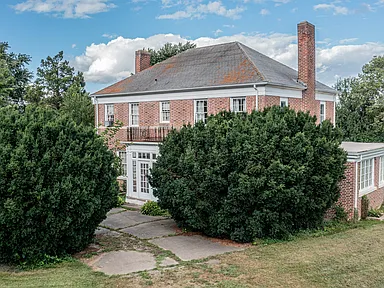
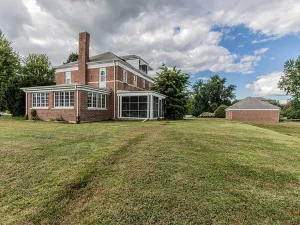
Some homes stand out because of their size. Others make an impression because of their architectural character, setting, or potential for transformation. This grand brick residence in Princeton appears to offer a combination of all three, with generous interior spaces, a traditional exterior, mature landscaping, a wraparound porch, flexible rooms, a detached garage, and a layout that could support a thoughtful renovation.
For buyers who appreciate older homes with distinctive character, this property may represent the kind of opportunity that is becoming increasingly difficult to find. Instead of purchasing a fully modernized residence where most design decisions have already been made, a future owner could potentially shape this home around personal taste, practical needs, and long-term plans.
The appeal is not simply about updating finishes. The property appears to offer substantial square footage, multiple living spaces, large bedrooms, basement recreation areas, outdoor entertaining possibilities, and an established setting near a popular park. These characteristics create a strong foundation for renovation, but they also mean buyers should approach the property with a realistic understanding of maintenance, construction costs, inspection needs, and the responsibilities that come with owning a larger traditional home.
A Classic Brick Exterior With Strong Curb Appeal
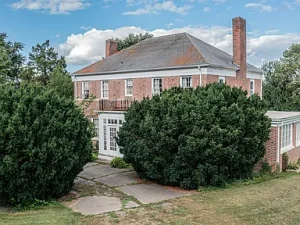
The brick exterior gives the home a substantial and timeless appearance.
Brick homes often have a sense of permanence that newer lightweight construction does not always replicate. The material also works particularly well with mature landscaping, larger lots, and traditional architectural details.
A well-maintained brick exterior can provide years of service while requiring relatively modest cosmetic upkeep compared with painted siding. However, buyers should still inspect mortar joints, flashing, drainage, foundation transitions, window openings, and any areas where water could enter.
Older masonry homes can develop issues involving cracked mortar, settling, or moisture if maintenance has been deferred.
Those problems are often manageable when caught early.
A Wraparound Porch That Adds Character
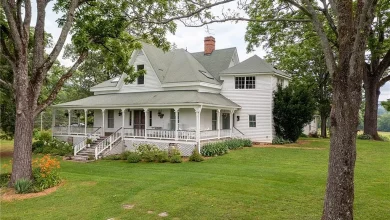
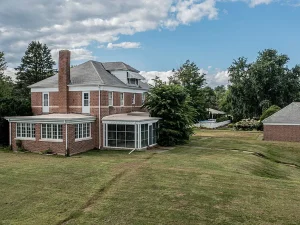
One of the home’s most appealing exterior features is the wraparound porch.
A porch of this type can dramatically shape the personality of a traditional residence.
It creates a transitional space between indoors and outdoors and can become one of the most frequently used areas of the property.
Potential uses include:
- Morning coffee
- Evening relaxation
- Outdoor seating
- Family conversations
- Reading
- Seasonal decorations
- Casual entertaining
With careful restoration or maintenance, the porch could become a major focal point.
Buyers should inspect the floor structure, railings, columns, steps, roof covering, flashing, and drainage around the porch.
Restoring a large porch can require meaningful investment, but the finished result can significantly improve both function and curb appeal.
An Elegant Circular Entry
The circular entryway adds another layer of distinction.
A curved or circular approach can make the arrival experience feel more formal and intentional.
It can also improve vehicle circulation by reducing the need for difficult reversing.
For guests, the entry creates a stronger first impression.
Combined with the brick exterior, porch, mature landscaping, and detached garage, the approach may give the home the feel of a classic estate rather than an ordinary residential property.
Generous Grounds and Outdoor Possibilities
The home sits on a substantial property with room for landscaping, recreation, outdoor entertaining, and future improvements.
A large yard gives buyers options that smaller residential lots simply cannot provide.
Future ideas might include:
- Formal gardens
- Vegetable garden
- Patio
- Fire pit
- Outdoor kitchen
- Children’s play area
- Recreation space
- Additional landscaping
- Seating areas
Any proposed improvement should be reviewed against local setbacks, drainage conditions, utility locations, and municipal requirements.
A large yard can be an asset, but it also comes with additional maintenance.
Buyers should consider mowing, tree care, leaf removal, irrigation, drainage, and seasonal cleanup.
Adjacent Park Location Adds Lifestyle Value
The property’s proximity to a popular park may be one of its strongest location features.
Being near parkland can provide easy access to outdoor activities without requiring the owner to maintain all recreational space privately.
Depending on the park’s facilities, residents may enjoy:
- Walking
- Running
- Children’s recreation
- Sports
- Picnics
- Community events
- Green space
For families, park access can improve everyday quality of life.
For resale, proximity to attractive public amenities may also increase buyer interest.
Mature Landscaping
Mature landscaping gives older properties a sense of establishment that new construction often takes years to achieve.
Trees, shrubs, and established plantings can provide:
- Shade
- Privacy
- Seasonal color
- Curb appeal
- Wind protection
However, mature landscaping also requires inspection.
Large trees should be evaluated for damaged limbs, disease, root problems, or proximity to the house.
Overgrown shrubs may need pruning.
Drainage around the foundation should remain unobstructed.
With careful maintenance, mature landscaping can become one of the property’s greatest assets.
Spacious Interior Layout
Inside, the home appears to offer multiple large rooms and considerable flexibility.
A spacious residence can accommodate a variety of household arrangements and lifestyles.
Instead of forcing every activity into the same living room, owners may be able to create distinct zones for:
- Formal entertaining
- Family relaxation
- Home office
- Reading
- Children’s activities
- Hobbies
- Guests
This kind of flexibility is especially useful for larger families or buyers who work from home.
Multiple Living Areas
The property includes multiple living spaces.
That can be extremely valuable in a large home.
One room could function as a formal living room, while another becomes a casual family room.
A third space might serve as a library, music room, or office.
Large homes often feel more comfortable when rooms have clear purposes rather than being oversized and underused.
Thoughtful furniture placement and lighting can help each living area develop its own identity.
Original Character Worth Preserving
Older homes frequently contain architectural details that are expensive to reproduce today.
These may include:
- Wood trim
- Built-ins
- Original doors
- Decorative hardware
- Fireplace surrounds
- Plaster details
- Custom cabinetry
A smart renovation does not necessarily require removing everything old.
Some of the most successful restorations preserve distinctive original elements while updating systems and finishes around them.
This approach can maintain the home’s personality while improving comfort and functionality.
Large Bedrooms
The bedrooms are described as generously sized.
Larger bedrooms offer more flexibility than compact modern layouts.
A spacious bedroom can accommodate:
- King-size bed
- Sitting area
- Desk
- Dressers
- Additional storage
For families, larger rooms can be particularly useful because children’s bedrooms often need to function as sleeping, study, and storage spaces at the same time.
Built-In Sinks and Dressers
Several bedrooms reportedly include built-in sinks, dressers, or other storage features.
These details are unusual and may reflect the home’s original design.
Some buyers may choose to preserve them as part of the property’s character.
Others may prefer to remove or reconfigure them during renovation.
Built-in cabinetry can be valuable when well made because custom storage is expensive to recreate.
Closet Space
The home reportedly offers ample closet space.
Storage becomes especially important in larger houses.
Without enough closets, everyday items can quickly create clutter in bedrooms and hallways.
Good storage supports a cleaner, more organized living environment.
Buyers should inspect closet interiors for:
- Moisture
- Ventilation
- Lighting
- Shelving condition
Older closets can often be improved significantly with relatively simple upgrades.
A Large Kitchen With Renovation Potential
The kitchen is described as generous in size and includes space for casual dining.
That gives buyers a useful starting point.
Kitchen renovations are expensive, but a large existing footprint can provide more design flexibility.
Potential improvements could include:
- Updated cabinetry
- New countertops
- Island
- Pantry storage
- Improved lighting
- Modern appliances
- Better workflow
- Breakfast area
The goal should be to improve functionality without ignoring the architectural character of the rest of the home.
Casual Dining Area
Space for informal dining makes the kitchen more practical.
Many households use formal dining rooms only for special occasions.
A casual breakfast area can become the place where residents eat most daily meals.
This can improve the usability of the kitchen and reduce traffic between rooms.
Formal Dining Opportunities
If the home includes a separate formal dining area, that creates additional entertaining flexibility.
A large dining room can support:
- Holiday meals
- Family celebrations
- Dinner parties
- Group gatherings
Traditional brick homes often benefit from retaining at least some formal spaces rather than converting everything to open-plan living.
A Thoughtful Kitchen Renovation Strategy
A future owner should evaluate the kitchen in stages.
First, inspect:
- Plumbing
- Electrical
- Flooring
- Ventilation
- Cabinet condition
- Appliances
Then decide which features truly need replacement.
Sometimes existing cabinetry can be refinished rather than removed.
Other times, a complete redesign may make more sense.
The correct approach depends on condition, budget, and long-term plans.
Basement Adds Additional Flexibility
The partially finished basement significantly expands the home’s functional potential.
Basements can serve as valuable secondary spaces, especially in larger houses.
The property reportedly includes:
- Recreation room
- Fireplace
- Additional kitchen area
- Storage room
- Hobby space
These features create multiple options for future use.
Recreation Room
A basement recreation room could become:
- Family television area
- Game room
- Children’s playroom
- Home theater
- Exercise space
Because recreation areas do not always need the same finish level as formal living rooms, owners can often renovate them more gradually.
Basement Fireplace
The basement fireplace could create a warm focal point.
Fireplaces can make lower-level rooms feel more inviting.
Before use, buyers should have the fireplace and chimney inspected for safety.
Potential issues may include:
- Cracked masonry
- Damaged flue
- Moisture
- Creosote
- Ventilation problems
A certified professional can determine whether repairs are needed.
Additional Kitchen Area
An additional kitchen area in the basement adds flexibility.
Potential uses might include:
- Entertainment kitchen
- Guest area
- Holiday food preparation
- Canning or hobby kitchen
However, buyers should confirm whether the existing plumbing and electrical systems are functional and compliant.
If a future owner wants to create a legal secondary living unit, local zoning and building regulations would need to be reviewed carefully.
Hobby Room
A dedicated hobby room is a valuable feature for buyers with creative interests.
Possible uses include:
- Sewing
- Crafts
- Woodworking
- Model building
- Art
- Music
Keeping hobby activities in a separate area can help protect the main living spaces from clutter.
Storage Room
Large homes need substantial storage.
A basement storage room can be particularly useful for:
- Holiday decorations
- Luggage
- Seasonal furniture
- Tools
- Bulk supplies
- Family keepsakes
Shelving, lighting, and moisture control can turn an ordinary storage room into a highly functional area.
Basement Moisture Should Be Evaluated
Before renovating any basement, buyers should inspect for water problems.
Important areas include:
- Foundation walls
- Floor cracks
- Sump system
- Drainage
- Gutters
- Downspouts
- Exterior grading
Even a beautifully finished basement can be damaged by unresolved moisture.
Addressing water management first is essential.
Detached Garage
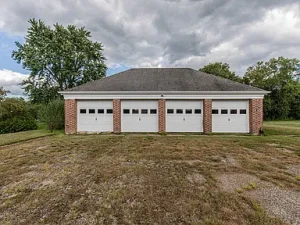
The detached garage provides valuable parking and storage.
A detached structure can be useful for:
- Vehicles
- Workshop space
- Lawn equipment
- Tools
- Hobby projects
Some buyers prefer detached garages because noise and fumes are separated from the main house.
The garage should be inspected for roof condition, foundation stability, electrical service, and doors.
Potential Workshop
A portion of the garage could potentially become a workshop.
For buyers interested in woodworking, automotive projects, or home improvement, dedicated workspace can significantly improve the property’s functionality.
Electrical capacity and ventilation should be evaluated before installing heavy equipment.
Wraparound Porch as Outdoor Living Space
The porch is more than an architectural feature.
It can function as another living area during much of the year.
Outdoor furniture, lighting, and plants can turn it into a comfortable place for entertaining or relaxing.
A porch can also improve the connection between the house and yard.
Flat Yard Creates Flexibility
The yard is described as relatively flat.
Flat land is generally easier to use and maintain than steep property.
Potential benefits include:
- Easier mowing
- Simpler landscaping
- Better play areas
- Easier patio construction
- More flexibility for outdoor seating
A flat yard may also simplify installation of certain improvements.
Potential for a Pool
The available yard space may create potential for a private pool, subject to zoning, setbacks, utilities, and site conditions.
A pool can add recreational value but also creates ongoing costs.
Potential expenses include:
- Installation
- Fencing
- Insurance
- Maintenance
- Heating
- Water
- Repairs
A buyer should evaluate whether the lifestyle benefits justify those costs.
Outdoor Entertaining
The combination of porch, yard, mature landscaping, and possible patio space can support outdoor entertaining.
A future owner might create:
- Dining area
- Grill station
- Fire pit
- Lounge seating
- Garden paths
The goal should be to complement the home’s traditional architecture rather than overwhelm it.
Renovation Opportunity
This property may appeal most strongly to buyers who enjoy renovation.
Large older homes can be extremely rewarding because improvements often have a dramatic visual impact.
Potential projects include:
- Kitchen modernization
- Bathroom updates
- Flooring
- Paint
- Lighting
- Window restoration
- Porch repair
- Basement improvements
- Landscaping
The best renovation plans prioritize essential systems before cosmetic changes.
Structural Inspection
Before beginning major work, buyers should inspect the home’s structure.
Important areas include:
- Foundation
- Floor framing
- Roof framing
- Brick walls
- Porch supports
- Garage structure
Large older homes can remain structurally sound for generations when maintained properly, but deferred repairs should be identified early.
Roof Condition
A roof inspection is essential.
Roof replacement on a large home can be expensive.
Buyers should determine:
- Roof age
- Leak history
- Flashing condition
- Gutter condition
- Chimney intersections
Any water intrusion should be addressed before interior improvements.
Electrical System
Older homes may require electrical upgrades.
Buyers should inspect:
- Panel
- Wiring
- Outlets
- Grounding
- GFCI protection
- Service capacity
Modern kitchens, HVAC systems, and electronics require more electrical capacity than homes were originally designed to support.
Plumbing System
The plumbing system should also be evaluated carefully.
Potential older materials can include:
- Galvanized steel
- Cast iron
- Copper
Buyers should check for:
- Leaks
- Corrosion
- Low pressure
- Drainage issues
- Sewer-line condition
Modern plumbing upgrades can improve both reliability and resale value.
Heating and Cooling
A large home requires an efficient HVAC strategy.
Buyers should review:
- Furnace or boiler
- Air-conditioning systems
- Ductwork
- Thermostats
- Insulation
Large older houses can be expensive to heat if insulation and air sealing are poor.
Energy-efficiency improvements can reduce long-term operating costs.
Windows
Windows have a major influence on comfort and energy efficiency.
Original windows may have architectural value, but they can also be drafty.
Buyers should compare:
- Restoration
- Storm windows
- Replacement
The right option depends on condition and budget.
Insulation
Older homes may have limited insulation.
Improving attic and wall insulation can significantly reduce heating and cooling costs.
Air sealing around doors, windows, and attic penetrations may also improve comfort.
Bathrooms
Bathroom renovations should balance modern functionality with the home’s character.
Potential improvements include:
- New fixtures
- Better lighting
- Walk-in showers
- Updated tile
- Improved ventilation
A large home may benefit from reconfiguring bathrooms if the existing layout no longer fits modern household needs.
Preserving Architectural Character
A successful renovation should avoid stripping away everything that makes the house distinctive.
Features worth evaluating for preservation may include:
- Brick exterior
- Original trim
- Doors
- Built-ins
- Porch details
- Fireplace surrounds
- Hardware
Replacing all original materials with generic modern finishes can reduce the property’s unique appeal.
Renovation Budgeting
Before purchase, buyers should create a realistic budget that separates:
- Essential repairs
- System upgrades
- Cosmetic improvements
- Optional luxury projects
Essential repairs should come first.
A large home can quickly become expensive if every room is renovated at once.
Phased improvements may be more practical.
Potential for Multi-Generational Living
The large interior and basement flexibility may support multi-generational living.
Different parts of the home could potentially serve:
- Parents
- Adult children
- Long-term guests
Any independent living areas should comply with local regulations.
Home Office Potential
Multiple rooms create strong home-office possibilities.
A buyer could dedicate space for:
- Private office
- Library
- Conference area
- Studio
For remote professionals, this flexibility may be especially valuable.
Entertaining Potential
The home’s size, dining space, basement recreation areas, porch, and yard make it suitable for entertaining.
Large gatherings may be easier to accommodate because guests can move between multiple indoor and outdoor spaces.
Investment Considerations
Some buyers may evaluate the property as an investment.
Renovation can create value, but only if costs remain aligned with local market conditions.
Important factors include:
- Purchase price
- Renovation budget
- Carrying costs
- Property taxes
- Insurance
- Resale value
Over-improving a home beyond what the neighborhood supports can reduce returns.
Insurance Costs
Large older homes can have higher insurance premiums.
Factors affecting insurance may include:
- Age
- Roof
- Electrical system
- Plumbing
- Brick construction
- Detached garage
Buyers should obtain quotes before closing.
Property Taxes
Taxes can represent a significant annual expense.
Future owners should verify current assessments and understand how major renovations might affect taxable value.
Maintenance Costs
A large property with mature landscaping and multiple structures requires ongoing maintenance.
Annual expenses may include:
- Landscaping
- Tree care
- Porch maintenance
- Exterior repairs
- HVAC servicing
- Garage maintenance
- Basement moisture control
A realistic maintenance reserve is important.
Why This Home May Appeal to Renovation Buyers
The strongest reason to consider this property is its underlying foundation of space and character.
A buyer is not starting with a tiny house or featureless structure.
The home already offers:
- Brick architecture
- Large rooms
- Wraparound porch
- Basement
- Detached garage
- Large yard
- Mature landscaping
Those characteristics can be difficult or expensive to recreate from scratch.
Who Might Find This Home Attractive?
The property may appeal to:
- Large families
- Renovation enthusiasts
- Historic-home lovers
- Remote workers
- Multi-generational households
- Buyers wanting acreage-like outdoor space
- Buyers who enjoy entertaining
It may be especially appealing to someone who sees renovation as an opportunity rather than an inconvenience.
Who Should Think Carefully Before Buying?
The home may be less suitable for buyers who:
- Want turnkey condition
- Prefer low maintenance
- Do not want renovation projects
- Want minimal yard work
- Need predictable short-term expenses
Large older homes can require patience and capital.
Due Diligence Before Purchase
Prospective buyers should investigate:
- Structural condition
- Roof
- Brick and mortar
- Electrical system
- Plumbing
- HVAC
- Basement moisture
- Garage
- Porch
- Windows
- Property boundaries
- Taxes
- Insurance
- Zoning
Professional inspections can help identify priorities before renovation begins.
Planning the Renovation in Phases
A practical strategy may be to divide improvements into phases.
Phase One: Safety and Structure
- Roof
- Foundation
- Electrical
- Plumbing
- HVAC
- Moisture control
Phase Two: Core Living Areas
- Kitchen
- Bathrooms
- Flooring
- Lighting
Phase Three: Secondary Spaces
- Basement
- Hobby rooms
- Garage
- Storage
Phase Four: Exterior and Landscaping
- Porch
- Patio
- Gardens
- Outdoor recreation
This approach can make a large renovation more manageable.
Long-Term Potential
With the right investment, the home could potentially become a distinctive long-term residence.
The combination of traditional architecture and modern improvements could create a property that offers both character and comfort.
A Home With Personality
Many new houses offer convenience but little individuality.
This property appears to offer the opposite.
Its architecture, porch, large rooms, built-ins, basement, and grounds give it personality.
For buyers who value uniqueness, that can be more important than having the newest finishes.
Final Thoughts on This Princeton Brick Home
This grand brick residence in Princeton offers an unusual combination of classic architecture, generous interior space, mature landscaping, a wraparound porch, detached garage, basement recreation areas, and a substantial yard near a popular park.
The home appears well suited to a buyer who values character and is willing to take on a thoughtful renovation.
Its spacious bedrooms, multiple living areas, large kitchen, built-in storage features, additional basement kitchen, hobby space, recreation room, fireplace, and extensive outdoor areas provide a strong foundation for future improvements.
The property’s greatest strength may be flexibility.
A future owner could preserve original details while modernizing major systems.
The basement could become a more functional recreation zone.
The kitchen could be redesigned for contemporary living.
The porch could be restored as a signature architectural feature.
The yard could support gardens, entertaining areas, or other recreational improvements.
At the same time, buyers should approach the property realistically.
Large older homes can require substantial investment in roofing, electrical work, plumbing, HVAC, windows, insulation, masonry, basement moisture control, and general maintenance.
A professional inspection and detailed renovation budget should come before cosmetic decisions.
For the right buyer, however, this is exactly the type of property where thoughtful improvements can create a home with a level of character that is difficult to reproduce in new construction.
The combination of brick architecture, wraparound porch, generous rooms, basement flexibility, mature landscaping, and an attractive Princeton setting creates a compelling opportunity for someone ready to write the property’s next chapter.
Listed on Zillow