$14,500 for 6 Acres With Lily Pond Frontage in Dexter, Maine – A Remote Off-Grid Property With Unique Potential
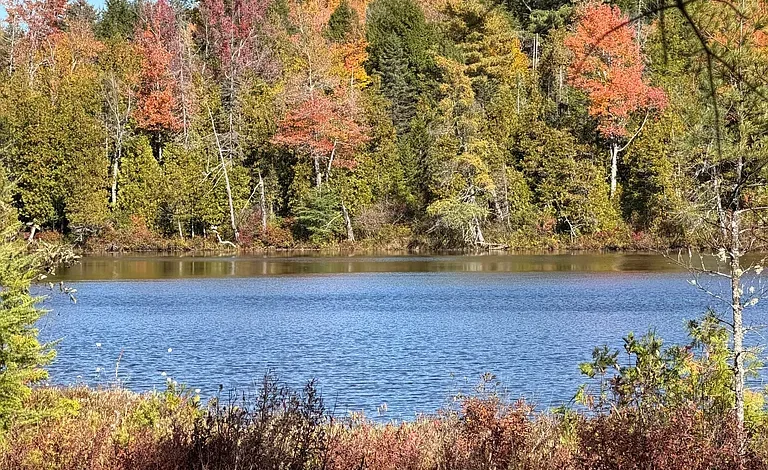
$14,500 for 6 Acres With Lily Pond Frontage in Dexter, Maine – A Remote Off-Grid Property With Unique Potential
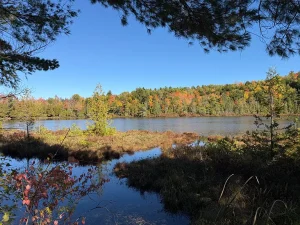
Finding affordable waterfront land can be difficult, especially for buyers searching for acreage, privacy, natural surroundings, and recreational possibilities. At $14,500, Map 302 Lot 70 Owlsboro Road in Dexter, Maine 04930 stands out as an unusual opportunity: approximately six wooded acres with around 100 feet of owned frontage on Lily Pond.
This is not a conventional residential building lot, however. The property is off grid, has no driveway, and according to the listing, there is no known legal land access to the parcel. Instead, access is described as being across Lily Pond from the nearby ITS 85 Snowmobile/ATV trail. During warmer months, that may mean arriving by canoe or kayak. During winter, access may potentially be possible across the ice by snowmobile or ATV when conditions are safe.
Those limitations make this property very different from a typical piece of Maine real estate. Yet for an adventurous buyer interested in privacy, recreation, and the possibility of creating a seasonal off-grid retreat, those same characteristics may be part of its appeal.
With six acres of wooded land, scenic surroundings, waterfront frontage, rural residential zoning, and reported annual property taxes of only about $52, this parcel deserves a closer look from buyers who understand both the opportunities and challenges of remote land ownership.
Property Overview
The property is listed for $14,500 and consists of approximately six acres of vacant wooded land in the Dexter region of Maine.
Key property details include:
- Asking price: $14,500
- Approximately 6 acres
- Vacant land
- Approximately 100 feet of owned waterfront frontage
- Frontage on Lily Pond
- Scenic views
- Wooded setting
- Rural location
- Rural Residential zoning
- Off-grid electricity
- No sewer
- No driveway
- No known legal land access
- Potential summer access by canoe or kayak
- Potential winter access by snowmobile or ATV across the ice
- Nearby ITS 85 Snowmobile/ATV trail
- Reported annual property taxes of approximately $52
- Located in the Dexter, Maine region
These features create a property that is inexpensive compared with many traditional waterfront parcels, but the low price comes with significant logistical considerations.
Six Acres for $14,500
At an asking price of $14,500, the property works out to roughly $2,417 per acre when dividing the asking price by the reported six-acre size.
That simple calculation can make the listing immediately attractive. However, price per acre should not be used alone to determine whether this is a good purchase.
Land values can vary dramatically depending on legal access, utilities, zoning, buildability, topography, waterfront rights, soil conditions, location, and other factors.
The lack of known legal land access is especially significant here.
A six-acre parcel beside a public road with electricity and an existing driveway would be fundamentally different from six acres that may require crossing a pond to reach.
Potential buyers should therefore view the $14,500 price in the context of the property’s unusual characteristics rather than comparing it directly with conventional building lots.
Approximately 100 Feet of Lily Pond Frontage
One of the property’s most attractive features is its reported waterfront ownership.
According to the listing, the parcel includes approximately 100 feet of owned frontage on Lily Pond.
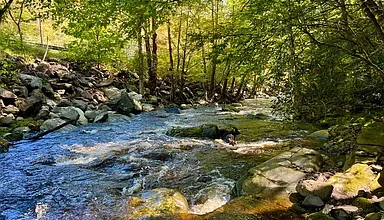
Waterfront can transform how recreational land is used. Instead of simply owning wooded acreage, a buyer could potentially enjoy direct access to a natural body of water.
For someone interested in kayaking, canoeing, wildlife observation, photography, quiet outdoor recreation, or simply relaxing beside the water, the pond frontage could become the central feature of the property.
The waterfront also creates the possibility of designing a seasonal retreat around views and access to the pond, subject to applicable building regulations and shoreland restrictions.
Before purchasing, buyers should verify the precise location and dimensions of the waterfront boundary through appropriate property records, surveys, or professional assistance.
A Wooded Property Surrounded by Nature
The six-acre parcel is described as wooded.
For buyers seeking privacy, trees can be an important advantage. A wooded property can feel much more secluded than an open field or developed residential lot.
Mature vegetation can provide shade, wildlife habitat, visual screening, and a more natural environment.
Rather than clearing the entire property, a future owner might choose to preserve much of its wooded character while selectively creating space for a small cabin, campsite, walking paths, or outdoor gathering area where legally permitted.
Maintaining trees could also help preserve the property’s sense of isolation.
For many buyers interested in recreational land, the goal is not to transform the property into a suburban yard. Instead, the attraction is owning a piece of land that continues to feel wild and natural.
The Biggest Challenge: No Known Legal Land Access
The most important detail in the entire listing is the access situation.
According to the property description, there is no known legal access to the property via land.
Potential buyers should take this statement seriously.
A property without known legal road access can create complications involving construction, financing, insurance, emergency services, resale, transportation, and normal everyday use.
Physical access and legal access are two different things.
A trail may physically lead near a property, but that does not necessarily give an owner the legal right to cross neighboring land.
Similarly, the presence of nearby roads on a map does not automatically mean the parcel has a recorded right-of-way to those roads.
Before purchasing, buyers should investigate deeds, surveys, title documents, easements, rights-of-way, and neighboring parcels.
Consulting a qualified Maine real estate attorney or title professional may be particularly valuable for a property with this type of access limitation.
Summer Access Across Lily Pond
The listing describes an unusual method of reaching the property during summer.
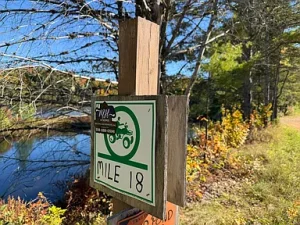
Access is expected to be across Lily Pond from the ITS 85 Snowmobile/ATV trail using a canoe or kayak.
For an outdoor enthusiast, arriving at a private recreational property by paddling across a pond may sound appealing.
It creates a genuine sense of separation from ordinary life.
A weekend could begin by parking in an appropriate legal location, loading supplies into a canoe or kayak, paddling across Lily Pond, and arriving at a wooded retreat.
However, this type of access also introduces practical limitations.
Transporting a backpack and basic camping supplies is one thing. Transporting lumber, windows, roofing materials, appliances, batteries, solar equipment, tools, furniture, or construction machinery is completely different.
Anyone considering building a cabin should think carefully about how materials would actually reach the site.
Winter Access by Snowmobile or ATV
During winter, the listing suggests that access may potentially be possible across the ice using a snowmobile or ATV.
This could make the property particularly interesting to people who already enjoy winter recreation.
A remote cabin near a snowmobile trail could potentially serve as a base for winter adventures, provided all applicable regulations and access requirements are followed.
However, frozen water should never be considered guaranteed transportation infrastructure.
Ice conditions vary depending on temperatures, currents, springs, snow cover, weather changes, and other factors. Safe conditions can change quickly.
Prospective owners should not assume that Lily Pond will provide reliable or safe vehicle access throughout every winter.
The seasonal nature of access is one of the most important factors to consider when deciding whether the property fits a buyer’s intended use.
Near the ITS 85 Snowmobile and ATV Trail
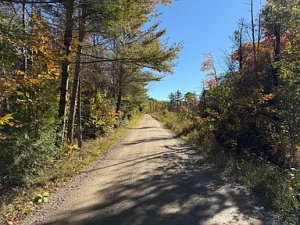
Proximity to the ITS 85 Snowmobile/ATV trail may be an important advantage for recreational buyers.
Maine’s trail networks are a major attraction for people who enjoy snowmobiling, ATV riding, and exploring rural areas.
For someone already involved in those activities, a wooded parcel near a trail system may offer possibilities beyond simply owning land.
A seasonal cabin could potentially become a recreational base where an owner spends weekends enjoying trails, the pond, forest surroundings, and other outdoor activities.
Trail routes, permissions, regulations, and seasonal availability can change, so buyers should independently verify current access and usage rules.
The presence of a nearby trail also should not be interpreted as automatically providing legal access to the property itself.
An Authentic Off-Grid Property
The electrical service is described as off grid.
That means anyone planning to build or spend significant time on the property should think carefully about energy needs.
For a basic seasonal cabin, electricity requirements might be relatively limited.
Solar panels paired with battery storage could potentially provide energy for lighting, charging devices, and small appliances. Other owners might consider generators or alternative energy systems depending on their needs and what is legally permitted.
More comfortable off-grid living requires greater planning.
Refrigeration, heating systems, pumps, communications equipment, cooking appliances, and other modern conveniences can consume substantial energy.
A buyer should calculate expected energy consumption before investing in equipment.
Off-grid living can provide independence, but it requires understanding how power will be generated, stored, maintained, and backed up.
No Sewer Service
The property does not have sewer service.
That is not unusual for remote Maine land, but it becomes extremely important if a buyer intends to construct a cabin or other structure.
Wastewater disposal must comply with applicable regulations.
A buyer should investigate soil conditions, septic feasibility, required setbacks, shoreland rules, and any other environmental requirements before assuming a traditional septic system can be installed.
Waterfront property can face additional restrictions designed to protect water quality.
The proximity to Lily Pond could therefore influence where structures and wastewater systems may legally be located.
Professional soil testing or other evaluations may be necessary depending on the buyer’s plans.
Water Supply Must Also Be Considered
The listing identifies the water source simply as “Other,” meaning buyers should not expect an existing conventional water system.
For occasional recreational use, some owners may transport drinking water to remote properties.
A more developed seasonal cabin might require investigation into drilling a well or creating another approved water system.
Whatever approach is considered, safe drinking water should be treated as an essential part of the planning process.
Pond water should not automatically be considered suitable for drinking simply because it looks clean.
Anyone spending extended periods on the property should have a reliable source of potable water.
Potential for a Seasonal Getaway Cabin
The listing specifically highlights the property as a possible location for a seasonal getaway cabin.
That may be the most compelling vision for these six acres.
Imagine a modest cabin surrounded by Maine forest, positioned to take advantage of the natural environment while maintaining much of the property’s wooded character.
Instead of traffic and neighboring houses dominating the experience, the focus could be on trees, water, changing seasons, and outdoor recreation.
A small porch could potentially become a place for morning coffee.
Evenings might be spent enjoying the quiet surroundings rather than city noise.
For someone who wants to disconnect for weekends or vacations, this kind of simplicity can be extremely appealing.
Of course, any structure would need to meet zoning, permitting, access, shoreland, environmental, and building requirements.
Construction Could Be More Expensive Than Expected
The low purchase price should not lead buyers to assume that developing the property will also be inexpensive.
Access could make construction considerably more complicated.
A normal building project benefits from trucks being able to deliver lumber, concrete, roofing, windows, doors, appliances, and other materials directly to the site.
That may not be possible here.
Transportation across water could require specialized planning, equipment, labor, and additional expense.
Heavy machinery could present an even greater challenge.
Before purchasing with construction in mind, buyers may want to speak with local contractors who have experience working on remote or difficult-access Maine properties.
A realistic construction estimate should include transportation and logistics rather than focusing only on the cost of the cabin itself.
Scenic Views and Seasonal Beauty
The property is identified as having scenic views.
Maine’s changing seasons could make this parcel visually interesting throughout the year.
During summer, the landscape may be dominated by green trees and the water of Lily Pond.
Autumn could transform the wooded surroundings with seasonal foliage.
Winter may create a completely different atmosphere with snow, frozen water, and quiet forest scenery.
Spring brings another transition as temperatures rise and the landscape becomes active again.
For someone who values nature, these seasonal changes can be a major reason to own rural property.
The experience is fundamentally different from purchasing land primarily for development or commercial purposes.
Extremely Low Reported Annual Taxes
The listing reports annual property taxes of approximately $52.
That number will immediately stand out to many buyers.
Low annual taxes can make undeveloped recreational land relatively inexpensive to hold compared with a house or highly developed parcel.
Someone who does not plan to build immediately may appreciate the possibility of owning acreage without a large annual property tax obligation.
However, the reported figure should be independently verified with the appropriate local authority.
Taxes may also change over time.
If a cabin, septic system, well, or other improvements are added, the assessed value of the property could potentially change, which could affect future taxes.
Therefore, the current $52 figure should not be viewed as a permanent guarantee.
Rural Residential Zoning
The property is identified as having Rural Residential zoning.
That may sound encouraging to someone considering a cabin, but zoning is only one part of determining whether land is buildable.
Buyers should investigate minimum setbacks, shoreland zoning, environmental regulations, building codes, septic requirements, minimum dwelling standards, permit requirements, and any rules specifically affecting waterfront parcels.
The lack of known legal road access could also influence whether permits can be obtained for certain types of development.
A buyer should verify these issues directly with the relevant authorities before purchasing based on an assumption that a cabin can definitely be built.
No Driveway and Off-Site Parking
The property listing identifies parking as “No Driveway, Off Site, Other.”
This reinforces the unusual access situation.
A traditional owner cannot simply drive onto the parcel and park beside a future cabin.
Instead, any trip to the property would require planning for where a vehicle can legally be left before completing the journey by another method.
Potential buyers should determine whether reliable and legal parking is actually available near the intended access point.
They should not assume that a roadside shoulder, trail entrance, or nearby private land can be used for parking without permission.
This may seem like a small detail, but it could have a major impact on how practical the property is to use.
Could This Property Work for Camping?
For a buyer who does not immediately need a permanent structure, recreational camping may seem like an attractive use.
Six wooded acres with pond frontage could provide an enjoyable outdoor setting.
However, buyers should verify local regulations regarding camping, temporary structures, fires, sanitation, and length of stay.
Owning land does not necessarily mean every type of use is automatically permitted.
If camping is allowed, the property could potentially provide an inexpensive base for weekends outdoors while an owner evaluates longer-term plans.
That could also allow someone to become familiar with the property across different seasons before deciding whether a cabin project makes sense.
Outdoor Recreation Potential
The combination of woodland, water, and nearby recreational trails gives this parcel several possible outdoor uses.
Canoeing and kayaking are obvious possibilities because water travel is already part of the suggested access method.
Owners may also enjoy hiking, wildlife observation, nature photography, snowmobiling, ATV recreation where permitted, and other outdoor activities.
Waterfront recreational activities should always comply with applicable laws and regulations.
The property’s value to an outdoor enthusiast may ultimately come from the combination of these activities rather than any single feature.
A six-acre parcel is relatively manageable while still providing enough space to feel removed from a typical residential setting.
Privacy Is a Major Part of the Appeal
One consequence of difficult access is greater isolation.
Properties that are easy to reach generally attract a broader range of people and development.
A parcel that requires crossing water naturally creates a barrier between the property and ordinary traffic.
For buyers who genuinely value solitude, this may be a benefit.
The property could potentially provide a place to read, relax, spend time with family or friends, photograph nature, or simply escape from busy surroundings.
However, isolation also creates safety considerations.
Emergency services may have difficulty reaching a remote parcel quickly. Owners should consider communications, first-aid supplies, weather conditions, transportation reliability, and emergency planning when visiting.
Is This Property Suitable for Full-Time Living?
Based solely on the listing information, this parcel appears more naturally suited to recreational or seasonal use than conventional full-time residential living.
The lack of known legal land access, off-grid electricity, absence of sewer service, uncertain water infrastructure, and challenging transportation would make full-time occupancy much more complicated.
That does not necessarily mean year-round development is impossible.
It means a buyer considering such a plan should conduct extensive research before purchasing.
A seasonal cabin requiring fewer utilities and less frequent access may be much easier to envision than a conventional home that needs reliable year-round transportation and services.
Investment Potential and Resale Considerations
At $14,500, some buyers may consider purchasing the land as a long-term investment.
Land can sometimes appreciate, but future value is never guaranteed.
The access issue could restrict the future buyer pool.
Many buyers want land where they can drive directly to a homesite, connect utilities, and begin construction relatively easily.
This property serves a much more specialized market.
Its likely future buyer may be someone specifically looking for affordable waterfront recreation, off-grid acreage, or a remote seasonal retreat.
Investors should consider how easily the property could eventually be resold and whether resolving any access issues could potentially improve its marketability.
Why the Low Price Does Not Tell the Whole Story
The $14,500 asking price is likely to be the first thing that gets attention online.
Six acres plus waterfront for under $15,000 creates a compelling headline.
But this property demonstrates why real estate should never be evaluated on price alone.
Access, utilities, buildability, zoning, environmental restrictions, construction logistics, and title matters can dramatically affect what land is worth to a particular buyer.
Someone who needs a conventional homesite might find the property unsuitable even at this price.
An experienced outdoor enthusiast who wants a remote seasonal escape could view the same limitations very differently.
Value depends heavily on intended use.
Important Due Diligence Before Making an Offer
Prospective buyers should investigate this property thoroughly before committing money.
The most important questions involve legal access, title, deeded rights, waterfront boundaries, surveys, zoning, shoreland rules, septic feasibility, water supply, building permits, construction access, insurance, and financing.
Buyers should also confirm where they can legally park when accessing Lily Pond.
If building is part of the plan, obtaining preliminary feedback from local officials and contractors could prevent expensive surprises.
A professional survey may also help establish boundaries and confirm the waterfront location.
Because the property has unusual access characteristics, professional legal guidance may be especially worthwhile.
Who Might Love This Property?
The ideal buyer is probably not someone searching for a typical suburban building lot.
Instead, this parcel could appeal to an adventurous person who sees remote access as part of the experience.
It might attract a kayaker who loves the idea of reaching a private retreat by water.
A snowmobile enthusiast may appreciate proximity to recreational trails and the possibility of winter adventures.
An off-grid enthusiast might enjoy designing a simple cabin powered by independent energy systems.
A nature lover may value six wooded acres and waterfront more than paved roads and utility connections.
For the right person, inconvenience can become privacy.
Who Should Think Twice?
Buyers who require easy road access should carefully consider whether this property fits their needs.
The same applies to anyone planning immediate construction without first researching logistics.
Families who expect conventional utilities, year-round vehicle access, straightforward emergency access, or easy transportation may find the property challenging.
Likewise, buyers unfamiliar with off-grid ownership should calculate the true costs before assuming that the inexpensive purchase price makes the overall project cheap.
Remote land can be rewarding, but it requires preparation.
A Rare Type of Affordable Waterfront Opportunity
What makes Map 302 Lot 70 Owlsboro Road interesting is the combination of characteristics.
There is the low $14,500 asking price.
There are approximately six acres.
There is a wooded rural environment.
There are scenic views.
There is approximately 100 feet of owned frontage on Lily Pond.
There is nearby access to a recreational trail system.
And there is the possibility of creating an off-grid seasonal getaway.
Those advantages come with a major tradeoff: no known legal access by land.
That single issue changes almost every aspect of how the property must be evaluated.
Final Thoughts on This $14,500 Maine Property
Map 302 Lot 70 Owlsboro Road in Dexter, Maine 04930 is not an ordinary piece of real estate.
For $14,500, buyers are looking at approximately six wooded acres with scenic surroundings and around 100 feet of owned Lily Pond frontage. The reported annual property tax is approximately $52, the land is zoned Rural Residential, and the setting could potentially appeal to anyone dreaming of a small seasonal off-grid retreat.
But prospective buyers must understand the property’s most important limitation.
According to the listing, there is no known legal access to the parcel via land.
During summer, access is described as being across Lily Pond from the ITS 85 Snowmobile/ATV trail using a canoe or kayak. During winter, access may potentially involve traveling across the ice by snowmobile or ATV when conditions are safe.
There is no driveway, electricity is off grid, no sewer is available, and the water situation would require further investigation.
For a conventional buyer, those factors could make the property impractical.
For an adventurous recreational buyer, they may be exactly what creates the sense of isolation and privacy that makes the property interesting.
Anyone considering purchasing the land should conduct careful due diligence. Legal access, title, property boundaries, waterfront rights, zoning, building feasibility, shoreland regulations, wastewater options, water supply, parking, financing, insurance, and construction logistics should all be investigated before making a final decision.
The $14,500 asking price is certainly attention-grabbing, but the property’s real story is not simply that it offers inexpensive acreage. Its appeal lies in the combination of affordability, wooded land, waterfront, recreation, privacy, and the possibility of creating a truly remote Maine getaway.
For someone prepared to accept the challenges, this six-acre Lily Pond property could offer an experience that a conventional roadside lot simply cannot provide.

Listed on Zillow