2 beds 1 baths 588 sqft
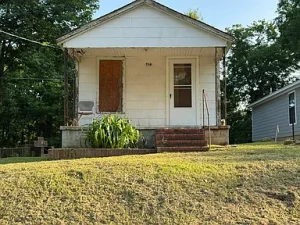
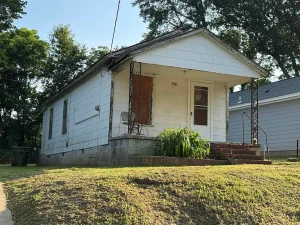
$12,000 Fixer-Upper in Memphis, Tennessee: A 1928 Property With Renovation or Rebuild Potential
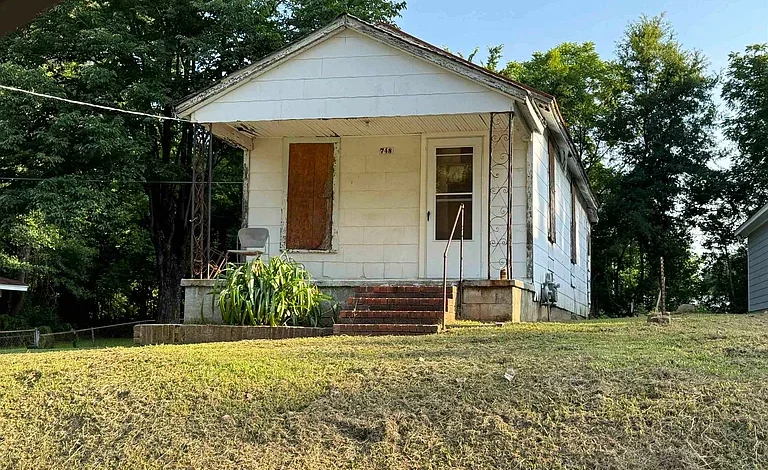
In a real estate market where affordability has become increasingly difficult to find, properties listed at extremely low price points naturally attract attention. Located at 748 King Rd, Memphis, TN 38109, this single-family residence is currently offered for $12,000, making it an unusual opportunity for investors, builders, developers, and experienced renovation buyers willing to take on a substantial project.
The property includes a 2-bedroom, 1-bathroom home with approximately 588 square feet of interior living space. Built in 1928, the residence sits on a 7,840-square-foot lot, or approximately 0.18 acres.
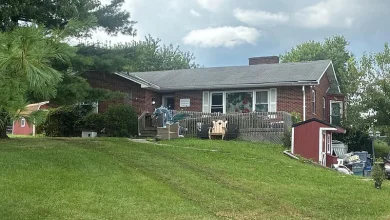
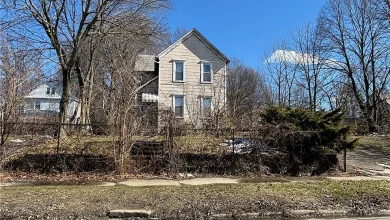
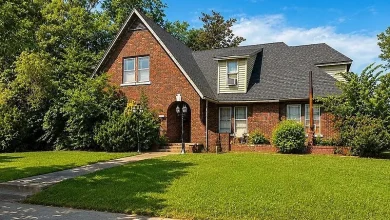
However, the asking price tells only part of the story. According to the listing information, the existing structure is currently not habitable and requires a full renovation or rebuild. This is therefore not a conventional inexpensive move-in-ready home. Instead, it should be viewed as a redevelopment opportunity where the value proposition may depend heavily on the land, surrounding development, renovation costs, and future use of the site.
Property Overview
The advertised details for 748 King Rd include:
Asking price: $12,000
Property type: Single-family residence
Bedrooms: 2
Bathrooms: 1 full bathroom
Interior living area: 588 square feet
Lot size: 7,840 square feet
Approximate lot size: 0.18 acres
Year built: 1928
Architectural style: Traditional
Stories: 1
Price per square foot: Approximately $20
Subdivision: Suburban Land Co
Region: Memphis, Tennessee
Annual property tax: Approximately $560
Tax assessed value: $42,500
HOA: None indicated in the supplied listing information
For buyers accustomed to seeing homes priced in the hundreds of thousands of dollars, a $12,000 listing can immediately sound extraordinary. But potential buyers need to understand why the property carries such a low asking price before deciding whether it represents genuine value.
Why Is This Memphis Property Only $12,000?
The most important fact about this listing is also the biggest tradeoff: the property is currently described as uninhabitable.
The listing states that the home requires either a complete renovation or a rebuild.
That distinction matters enormously.
Someone purchasing this property should not approach it as a traditional starter home where a little paint, new flooring, and minor repairs will make it ready for occupancy. A full renovation can involve structural repairs, electrical work, plumbing replacement, roofing, HVAC improvements, windows, insulation, interior finishes, kitchens, bathrooms, permits, and numerous other expenses.
Depending on the physical condition of the structure, demolition followed by new construction could potentially be another option.
Any buyer should obtain professional inspections and contractor estimates before determining which strategy makes financial sense.
A Small 1928 Home With a Long History
The existing residence dates back to 1928, giving the property nearly a century of history.
Older houses can sometimes contain architectural character that newer construction cannot easily replicate. This home is categorized as having a traditional architectural style and reportedly includes some hardwood flooring and wood-frame windows.
However, age can also introduce substantial renovation challenges.
A home built in 1928 may have undergone numerous modifications over its lifetime. Buyers should not assume that original systems or materials remain intact, nor should they assume that previous renovations were performed according to modern building standards.
Professional evaluation becomes particularly important with properties of this age.
588 Square Feet of Existing Living Space
The house contains approximately 588 square feet of total interior living area.
That makes it a relatively compact residence by modern standards.
The existing layout reportedly provides two bedrooms, one full bathroom, a separate living room, dining room, and den.
A smaller footprint could potentially mean fewer square feet to renovate than a larger distressed house. However, renovation costs do not always scale directly with square footage. Expensive systems such as plumbing, electrical service, HVAC, roofing, and foundation work can still represent substantial costs even in a smaller home.
Buyers considering restoration should therefore build a detailed renovation budget rather than relying on the property’s small size as evidence that repairs will necessarily be inexpensive.
Two Bedrooms and One Bathroom
The existing configuration consists of two bedrooms and one full bathroom, with all bedrooms located on the main level.
For a compact house, this arrangement may appeal to buyers interested in a simple one-story residence.
If the existing structure can be economically restored, a renovated two-bedroom home could potentially serve several different types of future occupants.
However, investors should research actual neighborhood demand rather than assuming that a particular renovation strategy will generate a specific resale price or rental income.
Local comparable sales are critical when evaluating a potential investment.
7,840 Square Feet of Land
The lot itself may be one of the most important components of this opportunity.
At approximately 7,840 square feet, the parcel provides considerably more area than the existing 588-square-foot structure occupies.
This difference between the home’s small footprint and the overall lot size could be particularly interesting to builders or developers considering redevelopment.
The listing also notes that the property is situated adjacent to newly constructed homes, which may be an important factor for investors evaluating the surrounding area’s development activity.
Still, nearby new construction does not automatically guarantee that another project will be profitable.
Buyers should research zoning regulations, required setbacks, building permits, utility connections, construction costs, comparable sales, and any restrictions affecting redevelopment.
Newly Constructed Homes Nearby
One of the strongest points highlighted in the listing is the presence of newly constructed homes adjacent to the property.
For an investor, nearby construction can be worth investigating because it may indicate that builders are already investing capital in the immediate area.
This could potentially support several strategies.
An investor might restore the existing 1928 residence if the structure is salvageable. Another buyer could determine that demolition and new construction make more economic sense. A long-term investor might acquire the property based on the land and future development potential.
None of those strategies should be selected without careful financial analysis.
The key question isn’t simply whether new houses exist nearby. The more important questions are what those homes sold for, how quickly they sold, their size and specifications, and how much comparable new construction would cost on this particular parcel.
Renovation Opportunity
The first possible strategy is a comprehensive renovation.
If inspections determine that the home’s primary structure remains suitable for rehabilitation, a buyer could potentially preserve the existing residence while replacing or upgrading major components.
A renovation might involve roofing, siding, windows, doors, electrical wiring, plumbing, HVAC systems, insulation, drywall, flooring, cabinetry, appliances, bathroom fixtures, interior paint, exterior improvements, and landscaping.
Because the listing explicitly describes the home as not habitable, buyers should prepare for the possibility that the project may extend far beyond cosmetic improvements.
Before purchasing, investors should obtain realistic contractor estimates and include a contingency budget for unexpected problems.
Rebuild Potential
The second strategy mentioned in the listing is a rebuild.
For some distressed properties, the value of the existing structure can become secondary to the value of the parcel.
If renovating the 588-square-foot house would cost more than its eventual market value supports, demolition and replacement may deserve consideration.
A newly constructed home could potentially take advantage of the larger 7,840-square-foot lot, particularly given the reported presence of new construction nearby.
But new construction requires a completely different financial analysis.
Buyers would need to investigate demolition costs, architectural plans, engineering, permits, utility connections, site preparation, construction labor, materials, financing, insurance, taxes, and eventual selling expenses.
Local zoning would also determine what can legally be built.
Potential Fix-and-Flip Project
The listing identifies the property as a possible fix-and-flip opportunity.
For an experienced investor, the low acquisition price may initially look attractive. However, successful flipping depends far more on total project cost than purchase price alone.
Suppose someone buys a house inexpensively but discovers extensive structural, foundation, utility, or permitting issues. The initial $12,000 price could quickly become a relatively small component of the total investment.
Investors should calculate their expected all-in cost, including acquisition, closing expenses, renovation, carrying costs, property taxes, insurance, utilities, financing, permits, sales commissions, and unexpected repairs.
Only then can the potential resale value be meaningfully compared with the investment required.
Long-Term Investment Possibilities
Another possibility is holding the property for the longer term.
An investor could potentially renovate and retain the home, redevelop the parcel, or simply evaluate the land as part of a broader investment strategy.
Long-term ownership introduces its own considerations.
Property taxes, insurance, maintenance, security, code compliance, financing costs, and neighborhood market conditions all matter.
The supplied listing information shows an annual tax amount of approximately $560, but buyers should verify current and future tax obligations directly with the appropriate local authorities.
Existing Interior Features
Despite the property’s distressed condition, the listing provides several details about the existing interior.
The home reportedly includes part hardwood flooring, which could be an interesting original feature if any portion remains salvageable.
Wood-frame windows are also listed.
The living room is described as a separate living room, while dining and den spaces are included in the available property information.
The home reportedly has central heating and central air conditioning, although buyers should not assume those systems are currently functional given the stated condition of the property.
Every mechanical system should be professionally evaluated.
Exterior and Parking Details
The property provides driveway or pad parking with uncovered parking spaces.
No swimming pool is listed.
The lot reportedly includes some trees, potentially adding natural character to the parcel.
An exterior barbecue pit is also mentioned among the property features.
Again, because this is an uninhabitable renovation property, the existence of a listed feature should not be interpreted as confirmation of its current condition or usability.
The Numbers Behind the $12,000 Price
The asking price works out to approximately $20 per square foot based on the existing 588-square-foot interior area.
Interestingly, the supplied property information shows a tax assessed value of $42,500, considerably higher than the current $12,000 asking price.
That difference may attract attention, but assessed value should not be confused with market value.
Tax assessments are created for taxation purposes and may use methods or valuation dates that differ significantly from current open-market pricing.
For an investor, recent comparable sales and actual construction or rehabilitation costs are much more useful when evaluating whether the asking price represents an opportunity.
No HOA Listed
The supplied information does not indicate an HOA fee.
For some buyers, the absence of an HOA can be attractive because it eliminates recurring association dues and potentially reduces restrictions associated with a homeowners association.
However, local municipal regulations, zoning requirements, building codes, and other restrictions still apply regardless of whether an HOA exists.
What Should an Investor Check Before Buying?
Due diligence is especially important for a property in this condition.
A prospective purchaser should investigate the foundation and structural framing, roof, water intrusion, electrical system, plumbing, sewer connection, HVAC equipment, windows, exterior envelope, interior damage, environmental concerns, and overall feasibility of rehabilitation.
The buyer should also confirm that utilities can be activated and determine whether outstanding code violations, liens, unpaid obligations, or permitting issues affect the property.
A title search is essential.
If redevelopment is the goal, zoning and setback requirements should be reviewed before closing rather than afterward.
Understanding the Memphis Location
Memphis is a major Tennessee city with a diverse housing market that includes historic neighborhoods, established residential communities, affordable properties, renovated homes, and new construction.
However, real estate conditions can vary significantly from one street or neighborhood to another.
Investors should therefore avoid relying on broad citywide statistics when evaluating 748 King Rd.
The best analysis will focus on recent comparable properties in the immediate surrounding area, particularly renovated homes and newly constructed houses similar to what an investor might ultimately create.
Strong Buyer Interest in the Listing
The supplied Zillow information indicates that the property received 251 views and 24 saves after being listed.
It was also marked as likely to sell faster than 98% of nearby properties according to the supplied listing information.
Those engagement statistics suggest that other buyers are noticing the unusually low asking price.
However, online views and saves do not guarantee a sale, nor do they establish investment value.
Serious buyers still need to analyze the underlying property independently.
Who Might Consider This Property?
This listing is probably not appropriate for every buyer.
Someone looking for an inexpensive house they can immediately occupy would likely need to look elsewhere because the listing explicitly states that the home is currently not habitable.
The property may be better suited to an experienced real estate investor, contractor, builder, developer, or renovation buyer who understands distressed properties and can accurately estimate project costs.
Cash buyers may also be more likely to consider properties requiring extensive rehabilitation, since traditional mortgage financing can be difficult to obtain for homes that do not meet basic habitability requirements.
Financing availability should be confirmed directly with lenders.
Could $12,000 Be an Opportunity?
A $12,000 asking price is unquestionably attention-grabbing.
But the real investment question isn’t:
“Can I buy a house for $12,000?”
The better question is:
“What will my total cost be by the time this property is safe, legal, functional, and ready for its intended use?”
If an investor purchases the property for $12,000 and discovers that the land supports profitable redevelopment, the deal could potentially become interesting.
If rehabilitation costs dramatically exceed the property’s realistic finished value, the low acquisition price alone will not make the project successful.
That’s why accurate numbers matter more than an eye-catching listing price.
A Nearly Century-Old Property With a New Opportunity
Built in 1928, this small Memphis residence has existed for almost a century.
Today, its future could look very different from its past.
One buyer may see an old, uninhabitable 588-square-foot house.
Another may see a 7,840-square-foot parcel located beside newer construction with several possible redevelopment strategies.
That difference in perspective is what makes distressed real estate fascinating.
The property doesn’t offer a finished product. It offers a starting point.
Final Thoughts on 748 King Rd
At $12,000, 748 King Rd is one of those properties that immediately generates curiosity.
The existing home provides two bedrooms, one bathroom, and approximately 588 square feet, while the parcel itself contains approximately 7,840 square feet of land.
Its 1928 construction gives it age and history, but the most important consideration is its current condition: the residence is not habitable and requires a full renovation or rebuild.
For the right investor, builder, or developer, the nearby new construction and low acquisition price could justify a closer investigation.
For an inexperienced buyer expecting a cheap move-in-ready house, this property could be entirely unsuitable.
The difference comes down to due diligence, construction knowledge, realistic budgeting, and a clear investment strategy.
Before making any offer, prospective buyers should independently verify the listing information, inspect the property, obtain professional repair or construction estimates, research comparable sales, investigate zoning, confirm title status, and calculate the complete cost of the project.
A $12,000 purchase price may open the door, but what happens after the purchase will ultimately determine whether this Memphis property becomes a successful investment.
Listed on Zillow.