2.5 Acres
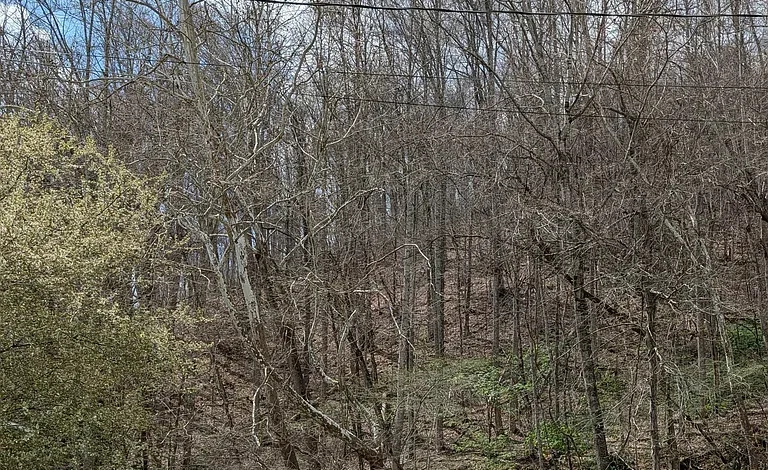
2.5 Acres of Mountain Land Near Duffield, Virginia With Scenic Views and Hunting Potential
A Private Mountain Land Opportunity
For buyers searching for affordable mountain land with privacy, natural beauty, and recreational possibilities, this 2.5-acre property in the Cliff Mountain area near Duffield, Virginia offers an interesting opportunity. The parcel provides a combination of mountainous and rolling terrain, wooded surroundings, scenic mountain views, paved road access, and nearby utilities.
Unlike a traditional residential property, this offering is vacant land, giving the next owner the flexibility to determine how the acreage might best fit their long-term goals. Whether the vision is a private mountain retreat, recreational property, hunting acreage, a future homesite, or simply a small parcel of land to hold as an investment, there are several possibilities worth exploring.
The property is located just minutes from Duffield and is not part of a subdivision. There is no HOA listed, while the property carries AR zoning according to the available listing information. Electricity is listed as available, and water is indicated as being at the road. There is no sewer service listed, so buyers considering construction should investigate well and septic feasibility along with all applicable county requirements.
With approximately 2.5 acres of wooded mountain terrain, this property may appeal particularly to buyers who want to own land without taking on the cost of a large estate.
Property Highlights
Some of the key characteristics of this mountain property include:
- Approximately 2.5 acres
- Located in the Cliff Mountain area
- Near Duffield, Virginia
- Mountain views
- Wooded terrain
- Mountainous and rolling slopes
- AR zoning listed
- Electricity available
- Water available at the road
- No sewer currently listed
- Paved road access
- No HOA
- Not located in a subdivision
- Potential recreational property
- Potential hunting acreage
- Possible future homesite potential, subject to verification
- Rural setting
- Scenic surroundings
These features create a property that is best viewed as a blank canvas for outdoor enthusiasts, land buyers, and people interested in rural Virginia real estate.
The Appeal of Owning Mountain Land
There is something fundamentally different about owning mountain acreage.
A home in a developed neighborhood may provide convenience, but a wooded mountain parcel can provide a greater sense of privacy and connection to nature.
This 2.5-acre property offers the opportunity to own a portion of the landscape around Cliff Mountain and enjoy the natural surroundings without needing to purchase hundreds of acres.
For some buyers, the value is in the possibility of building a future retreat. For others, it may simply be the opportunity to have a private place for recreation, wildlife observation, hiking, or hunting.
Mountain land can also provide a long-term asset that can be used differently as the owner’s goals change.
Scenic Mountain Views
One of the property’s listed features is its mountain view.
Views are often among the most desirable characteristics of rural and mountain real estate.
Depending on the exact location and vegetation, an elevated or strategically positioned homesite can potentially take advantage of surrounding scenery.
The property’s mountainous and rolling topography may create different elevations and natural viewpoints.
Before purchasing with a specific view-oriented building plan, however, buyers should inspect the property personally and determine how trees, terrain, and future development could affect sightlines.
A professional survey and site evaluation can also help identify the most suitable locations for future improvements.
Approximately 2.5 Acres of Wooded Terrain
At approximately 2.5 acres, the property offers enough space to feel more private than a typical residential lot while remaining relatively manageable.
The land is described as wooded, mountainous, and rolling.
Wooded property can provide natural shade, wildlife habitat, privacy, and recreational opportunities.
For someone who enjoys spending time outdoors, the trees and natural terrain can become a major part of the property’s appeal.
Rather than clearing the entire parcel, a future owner could potentially preserve much of the natural landscape while selectively improving areas where permitted.
Any clearing, grading, or development should be carefully planned to account for drainage, erosion, slope stability, and environmental considerations.
Potential Hunting Opportunity
The listing specifically suggests that the property may provide enough space for some hunting.
For outdoor enthusiasts, this is an important characteristic.
A wooded mountain parcel can potentially provide habitat for wildlife, although actual hunting opportunities depend on local wildlife populations, property boundaries, applicable laws, seasons, licensing requirements, and neighboring land uses.
Anyone purchasing the property primarily for hunting should independently research Virginia hunting regulations and inspect the acreage to determine whether it meets their needs.
The size of the property does not guarantee hunting success, but its wooded character and rural setting may make it interesting to recreational hunters.
A Potential Mountain Retreat
A buyer may also envision this property as the location for a future mountain getaway.
Imagine having a small retreat surrounded by trees and rolling hills, where weekends could be spent away from busy urban environments.
A future cabin or small residence could potentially create a private place to relax, enjoy the outdoors, and explore the surrounding region.
However, buyers should not assume that the property is automatically buildable.
The availability of electricity and water at or near the road can be encouraging, but construction feasibility depends on many other factors.
These include zoning, setbacks, driveway access, soil conditions, septic feasibility, topography, building codes, and local approvals.
Electricity Available
Electricity is listed as available for the property.
For a future homesite, utility access is an important consideration.
However, prospective buyers should verify the exact location of electrical service and determine whether a connection is already available at the property or whether an extension would be required.
Utility installation costs can vary depending on the distance from existing infrastructure and the physical characteristics of the land.
Before purchasing for development, it is wise to contact the relevant utility provider and obtain current information regarding availability and connection requirements.
Water at the Road
Water is listed as being at the road.
This may provide a potential utility option for future development, but buyers should confirm whether public water service can actually be connected to a future structure and what fees or installation requirements would apply.
Water availability is an important part of evaluating rural land, particularly when comparing properties that require wells.
The actual cost and feasibility of connecting water should be confirmed directly with the appropriate provider.
No Sewer Service Listed
The property does not have sewer service listed.
This is not unusual for rural mountain land.
If residential construction is being considered, buyers should investigate whether a septic system would be permitted and whether the soil and terrain can support one.
A septic evaluation or perc test may be necessary.
Mountain properties can have challenging soil and slope conditions, so professional evaluation is particularly important before assuming that a septic system can be installed.
AR Zoning
The property is listed as having AR zoning.
Zoning can have a significant effect on how land can be used.
Prospective buyers should verify the meaning and current requirements of the applicable zoning designation with the appropriate local government authority.
Questions may include permitted residential uses, minimum lot requirements, setbacks, agricultural uses, accessory structures, building requirements, and other restrictions.
Zoning information can change, and buyers should rely on current official information when making development decisions.
No HOA and No Subdivision
Another appealing characteristic is that the property is listed as not being in a subdivision and having no HOA.
For some rural land buyers, avoiding an HOA can provide greater flexibility.
There may be fewer private community rules governing exterior improvements, structures, or property use.
However, the absence of an HOA does not mean that the property is unrestricted.
County regulations, zoning laws, environmental requirements, road rules, utility requirements, and other legal restrictions may still apply.
Buyers should conduct appropriate due diligence before making assumptions about how the property can be used.
Paved Road Access
The road surface is listed as paved.
This can be a useful advantage compared with properties accessible only by rough private roads or unimproved mountain tracks.
Convenient road access can make the land easier to visit throughout the year and potentially simplify future construction logistics.
Nevertheless, buyers should confirm the exact nature of access, including whether the road is public or private, who maintains it, whether there are recorded easements, and whether a future driveway entrance would require a permit.
Potential Future Homesite
One of the possible long-term uses worth investigating is residential development.
A buyer interested in creating a mountain home should begin by determining whether the property is legally and physically suitable for construction.
The combination of road frontage, nearby utilities, and mountain views may make the parcel worth evaluating.
However, a mountain homesite requires careful planning.
The steepness of individual sections, soil conditions, drainage, foundation requirements, driveway grade, septic location, and utility access can all affect construction costs.
A qualified local builder or site engineer can provide more meaningful insight after physically evaluating the property.
Building a Small Cabin
For buyers attracted to the idea of a Virginia mountain cabin, this parcel may be worth investigating.
A small cabin could potentially provide a comfortable weekend destination if permitted by zoning and other regulations.
A future structure could be designed to complement the surrounding woods and mountain scenery.
Large windows, a covered porch, outdoor seating, and natural materials could help connect the interior with the landscape.
Again, these are potential concepts rather than guaranteed development rights.
All building plans should be based on confirmed zoning, permits, site conditions, and utility requirements.
Outdoor Recreation
The property can also be viewed entirely as recreational land.
Acreage like this may appeal to people who enjoy:
- Hiking
- Wildlife observation
- Photography
- Camping where legally permitted
- Hunting
- Nature walks
- Outdoor relaxation
- Exploring wooded terrain
- Mountain scenery
The existing natural environment provides opportunities for outdoor enjoyment without requiring immediate construction.
For someone who already owns a primary residence, the land could potentially serve as a private recreational escape.
Privacy in a Rural Setting
Privacy is one of the strongest characteristics associated with rural mountain property.
The wooded setting can create natural separation from surrounding properties.
Because the parcel is not located within a traditional residential subdivision, buyers may experience a different atmosphere from a neighborhood with closely spaced homes.
For people who value quiet surroundings, natural scenery, and outdoor space, this type of property can be appealing.
The actual level of privacy should be evaluated during a property visit, particularly because surrounding land uses and visibility can vary throughout the year.
A Potential Long-Term Land Investment
Some buyers purchase land not because they plan to build immediately, but because they want to own an asset for the future.
Vacant land can potentially be held while the owner’s plans evolve.
The property’s proximity to Duffield and its mountain setting may make it interesting to buyers researching rural Virginia real estate.
However, land appreciation is never guaranteed.
Anyone considering the property as an investment should research comparable land sales, local development trends, property taxes, zoning, utility availability, access, and potential future demand.
A realistic investment analysis should account for both potential benefits and ongoing ownership costs.
Why Small Acreage Can Be Attractive
Not everyone needs a massive tract of land.
A 2.5-acre property can provide a practical middle ground.
It offers substantially more space than a typical residential lot without requiring the extensive maintenance associated with dozens or hundreds of acres.
For a buyer looking for a private recreational parcel or potential future homesite, this size may be easier to manage.
The wooded environment also means that much of the property’s appeal comes naturally from the land itself.
Exploring the Surrounding Duffield Area
Duffield is located in southwestern Virginia, an area characterized by mountain scenery, rural landscapes, forests, and outdoor recreation.
The region can appeal to buyers who prefer a quieter lifestyle while still wanting access to established communities and essential services.
For someone interested in mountain property, location is about more than just distance to a particular town.
It is also about the surrounding landscape, road network, recreation, nearby communities, and overall character of the region.
A Blank Canvas for the Right Buyer
The property does not come with an existing house or finished improvements.
For some buyers, that is a limitation.
For others, it is exactly the attraction.
Vacant land gives the owner an opportunity to determine how the property should eventually be used.
Instead of renovating someone else’s structure, the buyer can potentially begin with the land itself and develop a plan around its natural characteristics.
This could mean leaving the parcel primarily wooded, creating recreational trails, developing a future cabin, or simply holding the property for another time.
Important Due Diligence Before Purchase
Anyone considering purchasing this property should perform thorough due diligence.
Important questions include:
- Is the property currently buildable?
- What uses are allowed under AR zoning?
- Are there minimum building requirements?
- Where are the exact property boundaries?
- Is access legally recorded?
- Who maintains the paved road?
- Is a driveway permit required?
- How close are electrical lines?
- What are the costs to connect electricity?
- Is public water actually available for connection?
- What are the water connection fees?
- Can a septic system be installed?
- Has a soil or perc evaluation been completed?
- Are there slope or drainage concerns?
- Are there easements affecting the property?
- Are there restrictions on hunting?
- Are there environmental considerations?
- Are there any building setbacks or other restrictions?
A surveyor, septic professional, builder, engineer, attorney, and appropriate local government officials may all provide useful information depending on the buyer’s intended use.
Final Thoughts
This 2.5-acre mountain property near Duffield, Virginia offers an appealing combination of wooded terrain, mountain views, rolling slopes, paved road access, and rural privacy.
For buyers searching for Virginia mountain land, recreational acreage, hunting property, a future cabin site, or potential rural investment land, the property provides a number of characteristics worth investigating.
The availability of electricity and water at the road can be helpful for buyers considering future development, while the absence of sewer service means septic feasibility should be carefully evaluated.
The AR zoning designation, lack of HOA, and location outside a subdivision may also appeal to buyers looking for a more rural land ownership experience.
Perhaps the greatest attraction is the property’s versatility.
It could potentially become a private outdoor retreat, hunting acreage, a future mountain homesite, a cabin property, or a long-term land investment. The wooded landscape and mountain views provide a natural foundation for a variety of possible plans.
At the same time, buyers should approach the opportunity realistically. Mountain land can involve unique development challenges, and the costs associated with grading, driveways, foundations, utilities, and septic systems can vary considerably.
The best way to understand the property’s potential is to visit the land, walk the terrain, review the boundaries, and conduct professional due diligence based on the intended use.
For someone who has dreamed of owning a piece of private mountain land in Virginia, this 2.5-acre parcel near Duffield could provide an opportunity to turn that vision into reality.
Whether the goal is to enjoy the land as it is today or create something for the future, this property offers a natural setting, scenic surroundings, and plenty of room to explore the possibilities.
Listed on Zillow