42.38 Acres
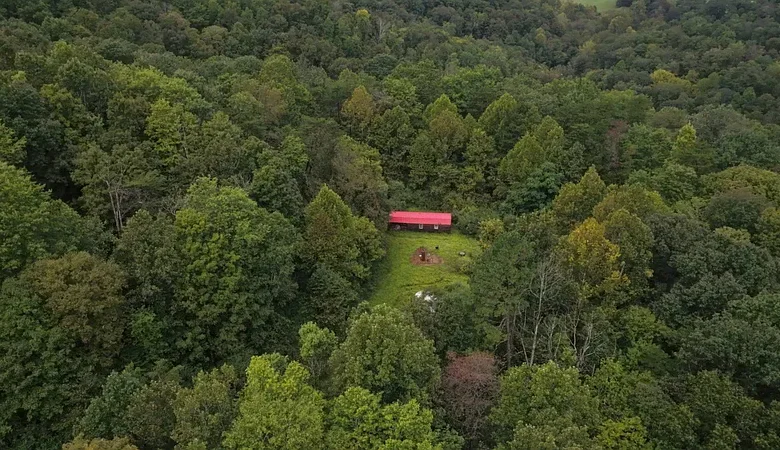
42.38 Acres of Unimproved Land for Sale in Sand Fork, West Virginia – $75,000
A Spacious 42-Acre Recreational Property Near Glenville, WV
For buyers searching for affordable acreage in West Virginia with privacy, wooded scenery, recreational possibilities, and existing access, the property at Lick Run Rd, Sand Fork, WV 26430 offers an interesting opportunity. Listed at $75,000, this unimproved land includes approximately 42.38 acres in Gilmer County and is located less than 10 minutes from the small university town of Glenville.
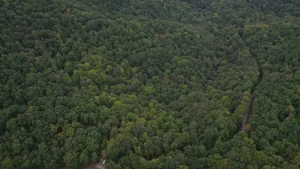
Unlike a traditional residential listing, this property is primarily about the land. There are no listed bedrooms or bathrooms, and buyers should approach it as recreational acreage or unimproved land rather than a conventional home. However, the property already has several characteristics that may make it particularly appealing to outdoor enthusiasts, including varying terrain, wooded surroundings, frontage along Sycamore Run, gated access, and a small existing cabin area.
Whether someone is searching for a hunting property, a private weekend retreat, hiking acreage, a place for outdoor recreation, or simply a large tract of West Virginia land, this listing deserves consideration.
Property Overview
The property is currently offered for $75,000 and contains approximately 42.38 acres.
According to the listing information, the basic property details include:
- Price: $75,000
- Location: Lick Run Rd, Sand Fork, WV 26430
- Property type: Unimproved land
- Lot size: 42.38 acres
- Bedrooms: 0
- Bathrooms: 0
- HOA: None listed
- Annual property taxes: Approximately $748
- View: Mountain, private, scenic, and wooded
- Additional structure: Shed(s)
- Parcel number: 1106002900050000
- Date listed: September 24, 2026
At approximately $75,000 for 42.38 acres, the asking price works out to roughly $1,770 per acre. This simple calculation does not account for differences in terrain, access, improvements, timber, utilities, development potential, or other factors that can significantly affect land value.
Prospective buyers should therefore evaluate the property as a complete tract rather than relying exclusively on the per-acre calculation.
Location Near Sand Fork and Glenville
One of the noteworthy characteristics of this property is its combination of rural surroundings and proximity to Glenville.
The acreage is located near the intersection of Sycamore Run and Lick Run in Gilmer County, West Virginia. According to the listing description, the property is less than 10 minutes from Glenville.
Glenville is a small West Virginia community and the home of Glenville State University. Being relatively close to town may be useful for owners who want a rural recreational property without being extremely isolated from everyday necessities.
For a hunting camp or weekend property, that balance can be valuable. Owners can potentially spend their time surrounded by woods and acreage while remaining within a relatively short drive of town.
Of course, buyers should independently verify driving times, road conditions, year-round accessibility, emergency-service access, and the availability of nearby services.
42.38 Acres of West Virginia Land
With more than 42 acres, this property provides substantially more space than a typical residential parcel.
The listing specifically describes the land as having varying topography. In West Virginia, terrain is an important consideration because the practical usability of acreage can vary considerably depending on slope, elevation, drainage, road access, and the amount of relatively level ground.
For recreational buyers, varying terrain may actually be an attractive characteristic. Hills, wooded areas, lower ground, and natural corridors can create a more interesting environment for hiking, exploring, wildlife observation, and hunting.
At the same time, buyers considering construction or significant improvements should carefully investigate the topography before purchasing. Forty-two acres on paper does not necessarily mean that every acre is equally suitable for building or vehicle access.
A professional survey and site evaluation can help a prospective buyer understand the property’s boundaries and physical characteristics.
Frontage Along Sycamore Run
One of the property’s highlighted features is its frontage along Sycamore Run.
Natural water features can add character to recreational acreage, especially for buyers who enjoy spending time outdoors. The combination of wooded scenery, changing elevations, and frontage along the run helps distinguish this parcel from a simple open tract of vacant land.
However, buyers should conduct appropriate due diligence concerning waterways. Questions involving flood zones, wetlands, stream setbacks, erosion, water rights, environmental restrictions, and building requirements should be verified with the appropriate local and state authorities.
The presence of a water feature can be attractive, but it also makes proper investigation particularly important before selecting a future building location.
Gated Access From Lick Run
Access is one of the most important considerations when purchasing rural acreage.
According to the listing, a gated access road off Lick Run leads onto the property. The road continues toward a flatter area where a small cabin is located.
Existing access can make recreational land easier to use immediately. Instead of starting with a completely inaccessible wooded parcel, an owner may already have a route into part of the acreage.
For hunters and outdoor enthusiasts, this could make it easier to bring equipment, camping supplies, maintenance tools, or other necessities onto the property.
Still, prospective purchasers should verify whether the access is entirely within the property boundaries, whether any easements apply, who is responsible for maintaining the road, and what type of vehicles can reasonably use it during different seasons.
Mountain and rural roads can change significantly with weather conditions, so an in-person inspection is particularly important.
Existing Small Cabin Area
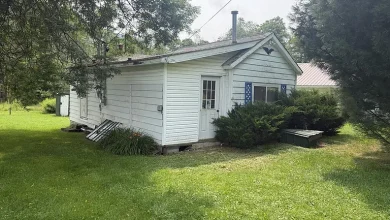
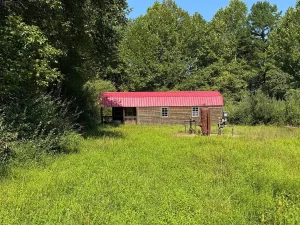
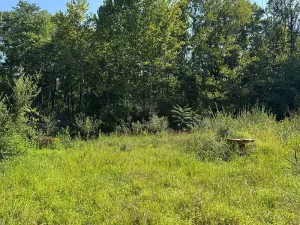
Another interesting detail is the small cabin located on a relatively flat portion of the property.
The listing presents this area as a potential hunting camp or recreational base. For buyers interested primarily in hunting, hiking, camping, or spending weekends outdoors, having an existing structure may add convenience.
It is important, however, not to assume that the cabin is equivalent to a permitted residential dwelling.
The listing identifies the overall property as unimproved land and reports zero bedrooms, zero bathrooms, and zero finished structural area. Buyers should therefore investigate the cabin’s actual condition, size, utilities, permitting status, structural integrity, and intended legal use.
An inspection would be especially useful if the buyer expects to use or improve the cabin.
Even if the existing structure is basic, the location itself could potentially serve as a central gathering area for recreational use.
Hunting and Outdoor Recreation Potential
The listing specifically emphasizes hunting, hiking, and recreational activities.
More than 42 acres provides room to explore, and the combination of wooded scenery and varying terrain may appeal to people seeking their own outdoor space.
A recreational property can be used differently from a traditional residence. Instead of focusing on kitchens, bedrooms, garages, and interior finishes, buyers may place greater importance on privacy, wildlife habitat, trails, terrain, access, water features, and usable outdoor areas.
For hunters, the property may offer room to establish walking routes or designated hunting locations, subject to applicable laws and property boundaries.
Wildlife presence, however, should never be assumed solely from the acreage. Buyers interested specifically in hunting should inspect the property and research local wildlife populations, hunting regulations, neighboring land uses, and applicable seasons and licensing requirements.
Scenic, Private and Wooded Views
The listing describes the property’s views as mountain, private, scenic, and wooded.
Those characteristics are likely to be central to the property’s appeal.
West Virginia is known for its mountainous landscape, and rural properties can provide a very different atmosphere from suburban or urban real estate. Instead of neighboring houses immediately outside the window, large-acreage ownership may provide greater separation and a stronger connection to the surrounding landscape.
For someone who wants a weekend retreat, the experience of the land itself may be more important than traditional residential improvements.
Seasonal changes could also give the property different characteristics throughout the year, from dense summer greenery to fall foliage and more open winter views.
Electric Availability Along Part of the Property
According to the listing description, electric service is available along the portion of the property near Sycamore Run.
This could be an important feature for buyers considering future improvements.
Utility availability can significantly influence the practicality and cost of developing rural land. Nevertheless, “electric available” does not necessarily mean that electrical service is already connected to a particular building site or cabin.
Before purchasing, buyers should contact the relevant utility provider to determine where existing electrical infrastructure is located, what would be required to establish service, and what costs could be involved.
Potential buyers should also investigate water, wastewater or septic options, internet availability, cellular coverage, and other utilities important to their intended use.
No HOA Listed
The property is listed as having no homeowners association.
For buyers specifically seeking rural acreage, the absence of an HOA may be attractive because there are no listed HOA dues associated with the property.
However, no HOA does not mean there are no restrictions.
County regulations, deed restrictions, easements, environmental requirements, building codes, septic requirements, utility easements, and other rules may still affect how the property can be used.
Anyone considering a cabin expansion, new home, additional structures, recreational vehicles, or other improvements should investigate all applicable regulations before making a purchase decision.
Annual Property Taxes
The listing reports an annual tax amount of approximately $748.
For buyers comparing recreational properties, annual carrying costs are worth considering in addition to the purchase price.
Property taxes can change over time and may be affected by ownership changes, assessments, improvements, classifications, or other factors. The current amount should therefore be independently confirmed with the appropriate Gilmer County authority.
Other ongoing expenses could include insurance, road maintenance, vegetation management, cabin repairs, utility costs, security, and property maintenance.
A Potential Hunting Camp
The combination of acreage, gated access, wooded terrain, and an existing small cabin makes this property particularly notable as a potential hunting camp.
A buyer might envision using the cabin area as a meeting point before heading into the property, storing appropriate outdoor equipment, or simply having a sheltered location during recreational visits.
The relatively short distance to Glenville may also make it more convenient than acreage located much farther from established communities.
Before using the property for hunting, owners should confirm all applicable West Virginia hunting laws, licensing requirements, firearm regulations, boundary locations, and safety considerations.
Hiking and Private Recreation
Hunting is not the only possible recreational use.
More than 42 acres can provide significant space for hiking, nature observation, photography, camping, and simply enjoying a private outdoor environment.
Depending on the actual terrain, an owner might consider maintaining existing paths or developing simple walking trails.
The property’s varying topography could make hiking more interesting than on completely flat land, while Sycamore Run adds another natural feature to explore.
Any trail development, stream crossings, grading, or other modifications should be completed responsibly and in accordance with applicable regulations.
Could You Build on the Property?
Some buyers may naturally wonder whether a home or additional cabin could eventually be built here.
The listing itself should not be interpreted as guaranteeing that any particular portion of the property is buildable.
Before planning construction, buyers should investigate several important factors, including zoning, building permits, road access, slope, soil conditions, septic feasibility, water supply, utility connections, flood risk, and environmental restrictions.
A survey can also be essential for confirming boundaries and identifying easements.
If a buyer intends to build rather than use the land primarily for recreation, these investigations should ideally take place during the appropriate due-diligence period.
Important Due Diligence for Rural Land Buyers
Buying unimproved acreage is different from purchasing an established house.
Prospective purchasers should consider obtaining a boundary survey or reviewing a recent survey if one is available. This can help establish exactly what is included in the 42.38-acre parcel.
Access rights and easements should also be carefully reviewed.
A buyer should understand whether the gated road is private, whether any neighboring properties have rights to use portions of the land, and whether the property depends on an easement across another parcel.
Water and septic considerations are equally important if future residential development is planned.
For buyers concerned about financing, it is worth remembering that vacant-land loans can differ from conventional residential mortgages. Down-payment requirements, interest rates, loan terms, and appraisal standards may vary.
Understanding the $75,000 Asking Price
At the current asking price of $75,000, the simple price-per-acre calculation is approximately $1,770 per acre.
That figure can be useful as a starting point, but land valuation is much more complicated than dividing price by acreage.
Factors potentially affecting value include road frontage, legal access, terrain, timber, water features, existing improvements, utility availability, development feasibility, neighboring properties, mineral rights, market demand, and proximity to towns.
A buyer who wants to determine whether the asking price aligns with the local market should compare the property with recent sales of similar acreage in Gilmer County and surrounding areas.
An experienced local real estate professional or land appraiser may provide additional context.
Existing Additional Structures
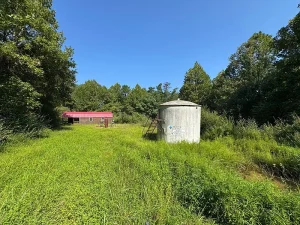
The property information also identifies shed(s) among the additional structures.
Buyers should inspect any existing structures carefully.
On rural land, older cabins, sheds, storage buildings, roads, gates, and other improvements can range from highly useful to requiring substantial repairs. Their condition should not be assumed from the listing alone.
Potential purchasers may want to determine whether structures are included in the sale, whether they have permits where required, and whether any maintenance or demolition could be necessary.
Who Might Consider This Property?
This acreage could potentially appeal to several types of buyers.
A hunter may appreciate having more than 42 acres, gated access, wooded terrain, and a cabin area.
An outdoor enthusiast might focus on hiking, camping, scenery, privacy, and Sycamore Run.
Someone searching for a weekend retreat may value being less than 10 minutes from Glenville while still having a large rural tract.
A long-term land buyer might be interested primarily in acquiring acreage rather than immediately constructing a residence.
And a future homebuilder might investigate whether part of the property could support residential development.
Each of these buyers would evaluate the land differently, which is why an in-person visit and careful due diligence are important.
Things to Inspect During a Property Visit
Anyone seriously considering the property should spend enough time on-site to understand more than what can be seen in photographs.
Walk accessible portions of the acreage and examine the condition of the access road. Look at the cabin and sheds. Observe the terrain around Sycamore Run and identify relatively level portions of the property.
It may also be helpful to evaluate cellular reception, neighboring land uses, drainage patterns, road noise, utility infrastructure, and how far the property feels from stores and services.
Because more than 42 acres can take considerable time to explore, prospective buyers should consider reviewing maps and parcel information before visiting.
Financing Vacant or Recreational Land
Financing unimproved land may require a different approach from financing a standard single-family residence.
Traditional mortgage products are generally designed around homes that meet specific habitability and appraisal requirements. Vacant or recreational land may instead require a land loan, local-bank financing, or another financing structure.
Lenders may evaluate the property’s access, utilities, intended use, acreage, appraisal, and the borrower’s financial profile.
Buyers considering financing should speak with lenders familiar with rural West Virginia properties before assuming that conventional home-loan terms will apply.
Long-Term Possibilities
One of the appealing aspects of large-acreage property is flexibility.
An owner might initially use the tract primarily for weekend recreation while considering improvements later. Another buyer might prefer to keep the land largely natural.
Potential future projects could include improving the cabin area, maintaining recreational trails, enhancing access, establishing utility service, or investigating a future building site.
None of those possibilities should be assumed to be permitted or economically feasible without appropriate research, but the acreage gives a prospective owner multiple directions to investigate.
Final Thoughts on Lick Run Rd, Sand Fork, WV
At $75,000, this 42.38-acre property on Lick Run Rd in Sand Fork, West Virginia, offers a substantial amount of rural land close to Glenville.
Its most notable listed characteristics include frontage along Sycamore Run, varying topography, gated access, wooded and scenic surroundings, electric availability along part of the property, a small cabin area, sheds, and no listed HOA.
For buyers looking specifically for a conventional move-in-ready home, this is not that type of listing. There are no listed bedrooms or bathrooms, and it is categorized as unimproved land.
For someone searching for recreational acreage, however, the property offers a very different proposition: more than 42 acres that could potentially serve as a hunting property, private retreat, hiking destination, camping base, or long-term land holding.
As with any rural land purchase, prospective buyers should independently verify property boundaries, access rights, surveys, utilities, taxes, flood information, zoning, septic feasibility, building requirements, mineral rights, and the condition and legal status of existing structures.
The combination of acreage, natural surroundings, water frontage, existing access, and proximity to Glenville makes this an interesting West Virginia land listing for buyers who prioritize outdoor space and privacy.
Listed on Zillow.