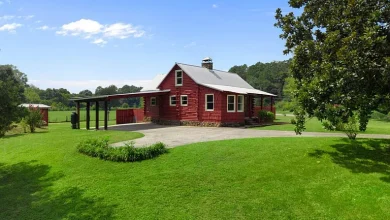
4 Acres Lot
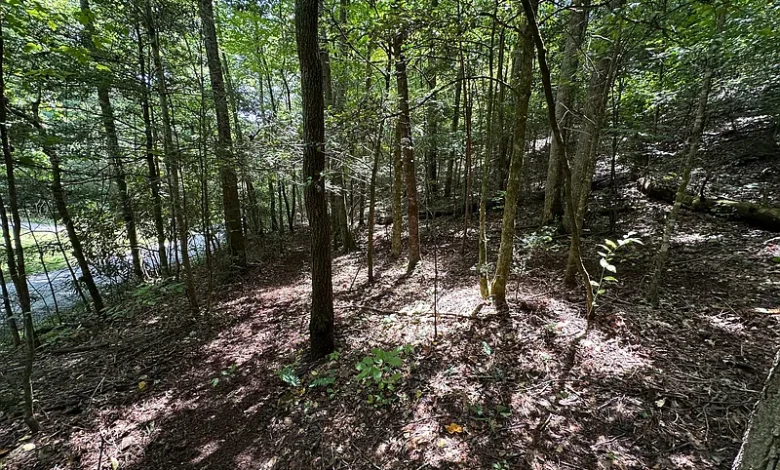
$39,900 Vacant Land in Franklin, North Carolina: 4 Acres With Two Streams, Wildlife, Trails, and Mountain Community Amenities
For buyers searching for affordable land for sale in North Carolina, mountain property, recreational acreage, or a potential homesite surrounded by nature, the approximately 4-acre property at 28-592 Snow Hill Falls Cir, Franklin, NC 28734 offers an interesting opportunity.
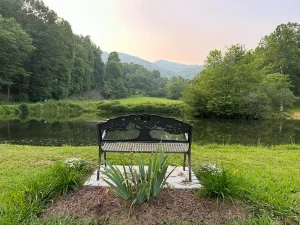
Currently listed for $39,900, this vacant parcel combines rolling topography, two streams, an existing trail, abundant wildlife, and potential access for a future house site. The property is also located within an association described by the seller as offering attractive natural amenities, including waterfalls, a meadow, and a well-stocked pond.
Unlike a traditional residential listing, there is currently no house included in the supplied property facts. Zillow categorizes the property as vacant land, with zero bathrooms and no listed bedrooms, building square footage, or year of construction.
That distinction makes this property particularly interesting for buyers who want to start with land and potentially design a home according to their own needs.
However, purchasing undeveloped acreage requires a different type of due diligence than purchasing an existing house. Buyers need to investigate building feasibility, surveys, access, utilities, septic requirements, water sources, association restrictions, insurance, financing, site preparation, drainage, environmental conditions, and local permitting before deciding what can realistically be constructed.
The listing also states that mobile homes are not permitted, so buyers should review the complete association rules before purchasing.
Below is a detailed look at the property, its potential uses, financial considerations, development questions, and the major issues prospective land buyers should investigate.
Property Overview: 28-592 Snow Hill Falls Cir, Franklin, NC 28734
The property is located at 28-592 Snow Hill Falls Cir in Franklin, North Carolina 28734.
According to the supplied listing information, the primary details include:
Asking Price: $39,900
Property Type: Vacant Land
Lot Size: Approximately 4 acres
Bedrooms: None listed
Bathrooms: 0
Existing Home: None identified in the supplied listing facts
Topography: Rolling
Natural Features: Two streams
Additional Features: Trail and wildlife
Road Access: Seller describes easy access from a well-maintained main road to a potential house site
Community Features: Waterfalls, meadow, and stocked pond
Restrictions: Mobile homes are not permitted according to the seller’s description
Association: Seller describes minimal fees and restrictions
Region: Franklin, North Carolina
Date on Market: September 22, 2026
Listing Type: For Sale by Owner
For buyers who value privacy and natural surroundings, four acres can provide considerably more flexibility than a conventional subdivision lot.
Why $39,900 for Four Acres May Attract Land Buyers
The $39,900 asking price is likely to be one of the first things prospective buyers notice.
Dividing the asking price by four acres produces a simple advertised-price equivalent of approximately $9,975 per acre.
However, price per acre alone cannot determine whether vacant land represents good value.
Two parcels with identical acreage can have dramatically different development potential.
One may already have utilities, a surveyed building site, favorable soil conditions, and easy road access. Another may require extensive grading, a long driveway, septic engineering, utility extensions, or other substantial site improvements.
For that reason, buyers should evaluate both the land price and the estimated cost of making the property suitable for their intended use.
Four Acres Provides Room for a Private Homesite
Approximately four acres gives a future owner more space than a typical residential building lot.
For someone hoping to construct a primary residence, vacation home, or mountain retreat, additional acreage can create greater separation from neighboring properties and more opportunities for outdoor areas.
A future owner might envision a home surrounded by natural vegetation, walking paths, garden areas, outdoor seating, or recreational space.
The actual usable area will depend on topography, setbacks, stream locations, soil conditions, association requirements, and local development rules.
A four-acre parcel does not necessarily mean all four acres are equally suitable for construction.
Rolling Topography Creates Character
The seller describes the land as having rolling topography.
For many buyers, rolling terrain is part of the appeal of mountain and foothill property.
Elevation changes can create a more natural landscape than a completely flat suburban lot.
They may also create opportunities for interesting house placement, decks, outdoor spaces, or views depending on the exact site.
However, topography directly influences construction costs.
A sloped building site may require grading, retaining walls, specialized foundations, drainage systems, or a more complicated driveway.
A professional site evaluation can help buyers understand whether the property’s terrain works with their construction plans and budget.
Two Streams Are a Distinctive Natural Feature
One of the most attractive features identified in the listing is the presence of two streams.
Running water can add atmosphere and natural character to rural or mountain acreage.
For buyers who want a peaceful outdoor setting, a stream can become an important part of the property’s appeal.
At the same time, streams introduce additional due-diligence questions.
Buyers should determine exactly where the waterways cross the parcel, whether they are seasonal or year-round, and what setback or environmental requirements may apply.
Construction plans should account for drainage, erosion, flood risk, and protection of waterways.
Stream Location Matters When Choosing a Homesite
Before selecting a house location, buyers should understand how the streams interact with the rest of the property.
A survey or site plan can help establish property boundaries and the relationship between waterways, roads, slopes, and potential building areas.
Buyers should avoid assuming that an attractive location seen during a property tour is automatically suitable for construction.
A building site needs to work with septic requirements, driveway access, utility routes, drainage, foundation design, and applicable setbacks.
The streams may become one of the property’s best features when the homesite is planned carefully around them.
Existing Trail Adds Recreational Appeal
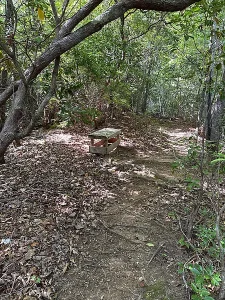
The listing also mentions a trail.
An existing trail can provide immediate access to portions of the property that might otherwise be difficult to explore.
For a future owner, it could potentially be maintained as a walking trail or incorporated into a broader recreational layout.
A private trail can make even a relatively modest four-acre parcel feel more expansive because owners can actively explore and enjoy the landscape rather than simply viewing it from a house.
Buyers should inspect the trail’s condition and verify that it lies within the property boundaries.
Abundant Wildlife
The seller highlights lots of wildlife as another feature of the land.
Natural acreage with streams, mature vegetation, and limited development can provide habitat for various forms of wildlife.
For nature enthusiasts, photographers, birdwatchers, or buyers simply seeking a quieter environment, this may contribute to the property’s appeal.
Future development should take the natural setting into account.
Excessive clearing can alter drainage, privacy, wildlife habitat, and the overall character that initially attracted the buyer.
A thoughtful site plan can potentially preserve substantial portions of the existing landscape while creating a practical residential homesite.
Potential House Site With Road Access
The seller describes easy access from a well-maintained main road for a house site.
Access is one of the most important considerations when evaluating vacant land.
A parcel can be beautiful but difficult or expensive to develop if constructing a usable driveway requires extensive excavation, grading, drainage work, or retaining structures.
The seller’s description is encouraging, but buyers should independently evaluate the proposed access.
A builder or grading contractor can help estimate what would be necessary to create a driveway capable of handling everyday vehicles, construction equipment, emergency access, and changing weather conditions.
Driveway Construction Can Be a Major Expense
The cost of building a driveway varies dramatically depending on length, slope, drainage, surface material, and terrain.
For a mountain or rolling property, water management is particularly important.
Poorly designed driveways can suffer erosion, washouts, rutting, and drainage problems.
Before purchasing, buyers should identify where a driveway would enter the property and how it would reach the intended house site.
If an existing access route is already usable, its legal status and maintenance responsibilities should also be verified.
Association With Waterfalls
The listing describes the property as being in a beautiful association with waterfalls.
Waterfalls are an unusual community amenity and can contribute to the natural appeal of the area.
Prospective buyers should determine whether the waterfalls are located on common property, how residents may access them, and what association rules apply.
They should also verify whether maintenance expenses for common natural or recreational areas are included in association fees.
Because the seller describes the fees as minimal without providing an exact amount, buyers should request the current written fee schedule.
Community Meadow
A meadow is another community feature identified in the listing.
Shared open areas can provide residents with additional scenery and recreational space beyond their privately owned acreage.
The precise use and maintenance of the meadow should be confirmed through association documents.
Prospective owners should understand whether the space is simply preserved as common land or available for specific recreational activities.
Reviewing association documents before closing can prevent misunderstandings about how common areas may be used.
Well-Stocked Pond
The community is also described as having a well-stocked pond.
For buyers who enjoy outdoor recreation, a pond may add another appealing dimension to the property.
However, the phrase “well-stocked” comes from the seller’s description, so buyers interested in fishing should verify current access rules and any applicable community regulations.
Questions could include whether fishing is available to all property owners, whether guests are permitted, whether catch-and-release rules apply, and who is responsible for pond maintenance.
These details may matter to buyers who consider the pond an important reason for purchasing.
Minimal Association Fees Should Be Verified
The seller states that the property has minimal fees and restrictions, but the supplied listing information does not provide the exact amount.
Buyers should obtain current association documents and confirm all mandatory charges before making an offer.
Even relatively inexpensive fees are part of the long-term cost of ownership.
Prospective purchasers should determine how frequently fees are billed, what they cover, whether special assessments are possible, and whether any unpaid balances affect the parcel.
Written documentation is preferable to relying solely on a marketing description.
No Mobile Homes
One specific restriction is clearly identified: mobile homes are not permitted.
This is important because buyers shopping for inexpensive land sometimes plan to place a manufactured or mobile home on the property as a lower-cost housing solution.
That strategy may not be available here.
Prospective purchasers should review the exact language of the association’s restrictions to understand what types of residential structures are permitted.
Questions may include whether modular homes are allowed, whether there is a minimum dwelling size, what architectural requirements exist, and whether exterior materials or design must receive approval.
Review All Building Restrictions Before Purchasing
“No mobile homes” may be only one part of the community’s building rules.
Before purchasing land for future construction, buyers should obtain the complete restrictions rather than relying on a summary.
There may be requirements involving minimum square footage, setbacks, house design, driveway standards, accessory buildings, recreational vehicles, temporary structures, short-term rentals, pets, fencing, tree removal, or construction timelines.
None of those additional restrictions should be assumed to exist, but they should be checked.
The goal is to ensure the buyer’s intended project is compatible with both local regulations and private community rules.
Public Utilities Are Not Specified
The supplied listing facts do not identify water, sewer, electricity, internet, or other utility connections for the parcel.
This is a major area for due diligence.
A buyer planning to build should determine how electricity can reach the house site and what connection costs may apply.
The availability of broadband internet or cellular service may also matter, especially for buyers planning to work remotely.
Utility extension costs can vary significantly depending on distance and terrain.
A low-priced parcel can become much more expensive if essential services must be extended a long distance.
Water Source Should Be Investigated
Because no residential water service is specified in the supplied information, buyers should determine what water source is appropriate for a future home.
If a private well is required, factors such as drilling depth, access for equipment, permitting, water quality, and installation costs should be investigated.
The existence of streams on the property should not be interpreted as meaning they can automatically serve as a residential water supply.
A future home needs a lawful and reliable potable water system.
Obtaining estimates before purchasing can improve the accuracy of the development budget.
Septic Feasibility Is One of the Most Important Questions
Vacant land buyers should also determine how wastewater would be handled.
The listing does not identify an existing septic system or public sewer connection.
If a septic system is required, soil and site suitability can materially affect whether and where a house can be constructed.
Buyers should investigate applicable testing, permitting, system design, and installation requirements.
This is particularly important on rolling terrain and property containing streams.
A beautiful parcel can be difficult to develop if the preferred building site does not support an appropriate wastewater solution.
Survey and Property Boundaries
A professional survey can be valuable when purchasing acreage.
It can help identify the exact boundaries of the four-acre parcel and potentially reveal easements, access points, encroachments, or other important features.
This becomes particularly useful when streams, trails, roads, and potential homesites are involved.
Buyers should know which natural features are actually located within the property they are purchasing.
Visible landmarks such as trees and trails are not necessarily legal property boundaries.
Title Search and Easements
Title due diligence is another important part of a vacant-land purchase.
Buyers should determine whether there are recorded easements affecting access, utilities, drainage, or neighboring properties.
An easement is not automatically negative. Utility and access easements are common and may be necessary.
The important issue is understanding what rights other parties have and whether those rights interfere with the buyer’s intended house site or other plans.
A title professional or real estate attorney can assist with interpreting recorded documents.
Flood and Drainage Considerations
The presence of two streams makes water and drainage research particularly important.
Buyers should determine whether any portion of the property lies within a mapped flood hazard area and whether the proposed building site is affected.
Even land outside a designated flood zone can experience localized drainage issues.
Topography, stream behavior, soil, heavy rainfall, culverts, and nearby development can influence water movement.
A builder, engineer, surveyor, or other qualified professional can help evaluate site-specific concerns.
Site Preparation Costs
Raw land often looks inexpensive because the house has not yet been built.
But before construction begins, a buyer may need to pay for surveying, clearing, grading, driveway installation, drainage, septic work, well drilling, electrical service, permits, engineering, and foundation preparation.
These costs can represent a substantial percentage of the overall project.
A buyer should therefore think of the $39,900 price as the land acquisition cost, not the complete cost of creating a residence.
Building a Custom Home
One possible use for the property is a custom-built primary residence.
Starting with vacant land gives buyers greater control over floor plan, orientation, energy efficiency, windows, outdoor spaces, and architectural style than purchasing an existing house.
A custom home could potentially be positioned to take advantage of privacy, trees, streams, or other natural characteristics.
However, house placement should be driven by professional site analysis rather than appearance alone.
A beautiful location may not be the most practical location for utilities, septic, drainage, or driveway access.
Potential Mountain Retreat or Second Home
The natural setting could also interest someone looking for a weekend retreat or second-home site.
Streams, trails, wildlife, waterfalls, a community meadow, and a pond all contribute to the recreational character described in the listing.
A smaller second home might potentially require less site disturbance and lower construction costs than a large primary residence, depending on association requirements.
Again, buyers should confirm minimum home-size standards and other restrictions before designing a project.
Potential Long-Term Investment in Land
Some buyers purchase vacant land without immediate plans to build.
A four-acre parcel can potentially be held for future personal use or eventual resale.
However, land investment should not be based on an assumption that prices will automatically appreciate.
Vacant land can generate ongoing expenses without producing income.
Potential costs include property taxes, association fees, insurance where appropriate, vegetation management, road assessments, and other maintenance.
Buyers considering a long-term hold should understand those expenses and the local land market.
Financing Vacant Land Can Differ From a Home Mortgage
Financing raw or undeveloped land can be different from financing a completed house.
Traditional residential mortgage programs are designed primarily around habitable properties.
Land lenders may require larger down payments, shorter repayment periods, different interest rates, or additional documentation.
Some buyers may use cash, a land loan, or financing connected to a future construction project.
The exact options depend on the property and the borrower’s qualifications.
Prospective purchasers who need financing should investigate loan availability before committing to the property.
Zillow’s $31 Monthly Estimate Should Be Viewed Carefully
The supplied listing displays an estimated figure of approximately $31 per month.
That should not be interpreted as a guaranteed financing payment or the complete monthly cost of owning and developing the property.
Actual loan payments depend on financing terms, down payment, interest rate, loan structure, and borrower qualifications.
Association fees, property taxes, insurance, site maintenance, and eventual development expenses would be additional.
The cost of constructing a home would obviously be separate from the land purchase itself.
Construction Financing Is a Separate Consideration
A buyer planning to build should consider both the land purchase and the future construction budget.
Construction financing may involve plans, builder contracts, appraisals, inspections, draw schedules, and borrower qualification requirements.
Before purchasing land, it can be useful to speak with lenders and builders about the entire project.
A $39,900 parcel may fit comfortably within a buyer’s land budget while the eventual home, site preparation, and utilities require a much larger financial commitment.
Planning both stages together can reduce surprises.
Homeowners Insurance Comes Later, but Land Still Has Risks
Vacant land does not require the same type of homeowners insurance as a completed residence, but buyers should still investigate appropriate liability and property coverage.
Once construction begins, specialized builder’s risk or construction coverage may become relevant.
After completion, the finished house will require conventional property insurance.
Natural features, road access, fire protection, construction type, and other factors can influence future insurance costs.
A buyer building on rural or semi-rural acreage may benefit from researching insurance availability before finalizing expensive construction plans.
341 Views and 33 Saves in Only Five Days
According to the supplied listing information, this parcel accumulated approximately 341 views and 33 saves during its first five days on Zillow.
That level of early online engagement suggests the listing has attracted attention.
The combination of four acres, streams, natural scenery, community waterfalls, and a sub-$40,000 asking price is likely to appeal to buyers searching specifically for affordable North Carolina land.
However, online views and saves do not establish market value and do not guarantee that the property will sell quickly.
Development feasibility remains more important than online popularity.
For Sale by Owner
The property is being offered for sale by owner, with Zillow displaying the listing at the owner’s request.
A direct owner sale can have a different transaction process from a conventional broker-listed property.
Regardless of how the property is marketed, buyers should conduct normal real estate due diligence.
A title search, survey, association-document review, financing verification, and professional site evaluations can remain important.
Buyers should also ensure that purchase agreements, disclosures, closing documents, and title transfer are handled appropriately.
Questions to Answer Before Making an Offer
Before purchasing this four-acre parcel, a buyer should determine the exact association fee and obtain the complete restrictions. The buyer should confirm whether the desired house design is permitted and understand the mobile-home restriction.
The property boundaries, legal access, easements, stream locations, potential flood concerns, road-maintenance responsibilities, and suitability of the proposed house site should be investigated.
Utility availability is equally important. Buyers should determine how they would obtain electricity, potable water, wastewater service, internet, and any other services needed for their intended use.
A builder or grading contractor can also estimate driveway, clearing, excavation, drainage, and site-preparation costs.
Creating a Realistic Land Development Budget
A useful way to evaluate this property is to think beyond the $39,900 purchase price.
The total project may involve:
Land Purchase + Closing Costs + Survey + Soil/Septic Evaluation + Well or Water Connection + Septic Installation + Electricity + Driveway + Clearing + Grading + Drainage + Permits + Engineering + House Construction + Insurance + Landscaping + Contingency
The actual requirements will depend on site conditions and local rules.
Some parcels require relatively little preparation, while others need substantial investment before the first foundation work begins.
Obtaining estimates before purchasing can make the decision much more informed.
Why Due Diligence Matters More With Vacant Land
With an existing house, buyers can physically inspect most of what they are purchasing.
With vacant land, much of the value depends on what the owner is legally and practically able to do in the future.
That makes due diligence especially important.
A parcel can look perfect during a property tour while still presenting expensive challenges involving septic approval, access, grading, utilities, easements, setbacks, or restrictions.
Conversely, a parcel with rolling terrain may prove highly practical once professionals identify an appropriate building site.
The objective is to replace assumptions with verified information.
Final Thoughts on 28-592 Snow Hill Falls Cir, Franklin, North Carolina
28-592 Snow Hill Falls Cir, Franklin, NC 28734 offers an intriguing combination of affordability, acreage, natural features, and potential for future residential development.
At $39,900 for approximately four acres, the simple asking-price calculation works out to about $9,975 per acre.
But acreage and price are only the beginning of the story.
The seller describes the property as featuring rolling topography, two streams, an existing trail, abundant wildlife, and easy access from a well-maintained main road to a potential house site.
The surrounding association adds another dimension to the property. According to the listing, residents have access to natural amenities that include waterfalls, a meadow, and a well-stocked pond.
For buyers who value outdoor recreation and a natural setting, those features may be more meaningful than conventional subdivision amenities.
The four-acre parcel could potentially appeal to several types of purchasers.
A buyer might envision a custom primary residence surrounded by nature. Another could consider a mountain retreat or second home. Someone else might purchase the land as a longer-term holding while developing plans for future construction.
The property does, however, come with important questions.
The seller specifically states that mobile homes are not allowed, and prospective purchasers should obtain the complete association restrictions to understand what can be built.
The exact association fees should also be verified rather than relying on the description of them as minimal.
Utilities represent another major area for investigation because the supplied listing information does not specify water, sewer, electricity, or other connections.
Buyers planning to build should determine whether a well and septic system will be required, whether the soil and terrain support those systems, and what it will cost to bring electricity and other services to the chosen homesite.
The property’s two streams add considerable natural character, but they also make drainage, setbacks, erosion, and flood research important.
Likewise, the rolling terrain can create attractive building possibilities while potentially increasing driveway, foundation, grading, and drainage costs.
A survey, title review, site evaluation, septic investigation, builder consultation, and review of association documents can help reveal the property’s true development potential.
For buyers comparing land opportunities, the central question should therefore not simply be whether four acres for $39,900 sounds attractive.
The more important question is:
What will the complete cost be to turn these four acres into the property I actually want?
If access, utilities, septic feasibility, association requirements, topography, and construction costs align with the buyer’s plans, this Franklin parcel could provide an appealing foundation for a future home surrounded by streams, wildlife, trails, and community natural amenities.
For someone specifically seeking North Carolina acreage with a more natural character than a conventional residential lot, the combination of four acres, two streams, rolling terrain, wildlife, a trail, waterfalls, a meadow, and a community pond makes this property worthy of careful investigation.
As with any vacant-land purchase, all acreage, boundaries, access rights, association fees, restrictions, utility availability, building requirements, stream conditions, septic feasibility, zoning, financing, and development costs should be independently verified before making a financial commitment.
Listed on Zillow