3 beds 2 baths 1,076 sqft
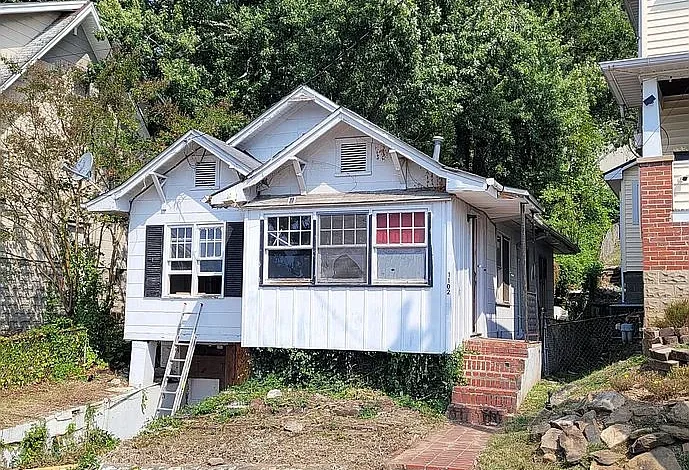
Charleston West Virginia Home Listed for Just $9,000 With 3 Bedrooms and 2 Bathrooms
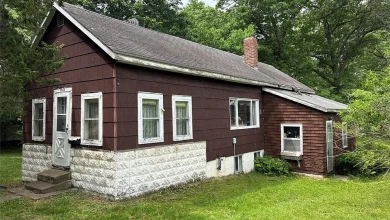
Finding a single-family home listed for only $9,000 is unusual in today’s real estate market, making this Charleston, West Virginia property an interesting opportunity for buyers, investors, and renovation-minded homeowners. The three-bedroom, two-bathroom residence offers approximately 1,076 square feet of interior living space and sits on a 3,484-square-foot lot.
Built in 1920, the property is nearly a century old and represents a very different type of real estate opportunity from a modern, move-in-ready home. It is being offered for sale by the property owner, and the listing emphasizes its extremely low asking price and potential appeal to both homeowners and investors.
The property is currently available for $9,000, which works out to approximately $8 per square foot based on the listed interior area. The listing also shows an annual property tax amount of approximately $47 and no HOA information.
For someone looking for an inexpensive property in the Charleston area, this home may be worth investigating. At the same time, the unusually low price means buyers should approach the opportunity with careful due diligence. The listing provides limited information about the home’s current physical condition, and the property does not currently list heating or cooling systems. Buyers should therefore arrange an appointment, inspect the property carefully, and determine the full scope of work before purchasing.
An Extremely Low $9,000 Asking Price
The first feature that immediately attracts attention is the $9,000 asking price.
At this price point, the property could appeal to buyers who are specifically searching for low-cost real estate, renovation opportunities, investment properties, or homes that may require significant improvements.
The listing itself highlights the property as an affordable opportunity for someone interested in becoming a homeowner or investor. It also emphasizes the possibility of paying cash rather than depending entirely on traditional mortgage financing.
However, the purchase price should not be confused with the total cost of making the property comfortable, functional, and suitable for the buyer’s intended use.
An inexpensive house can require substantial additional investment if major repairs are needed. Potential expenses could include structural repairs, roofing, plumbing, electrical work, heating, cooling, windows, flooring, kitchen improvements, bathroom renovations, exterior repairs, and other upgrades.
For that reason, the $9,000 price should be viewed as the entry point to the project rather than necessarily the final amount a buyer will spend.
Three Bedrooms Provide Flexible Space
The home offers three bedrooms, giving it a practical configuration for a variety of potential uses.
A three-bedroom property can accommodate a family, couple, individual homeowner, or investor looking for a residential rental opportunity.
Depending on the condition and final layout, one bedroom could potentially serve as a home office, guest room, hobby room, or additional storage space.
The listing does not provide individual bedroom dimensions or detailed bedroom finishes, so buyers should inspect each room during an appointment.
Because the house was constructed in 1920, buyers may encounter features and construction methods that differ significantly from those found in newer homes.
Older houses can offer character and traditional layouts, but they can also require additional attention to electrical systems, plumbing, insulation, windows, foundations, and other components.
Two-Bathroom Configuration
The property is listed with two bathrooms, including one full bathroom and one half bathroom.
For a three-bedroom house, having two bathrooms can be a useful feature.
A full bathroom can serve the primary household, while a half bathroom can provide additional convenience for guests or residents.
Bathroom condition should be one of the areas carefully examined during an inspection.
Buyers should check the plumbing, drains, fixtures, water pressure, ventilation, flooring, walls, ceilings, and signs of moisture or water damage.
If the bathrooms require modernization, renovation costs can vary considerably depending on whether the work is cosmetic or involves plumbing, subflooring, or other major components.
The listing does not provide detailed information about the current condition of either bathroom, so buyers should avoid assuming that the bathrooms are immediately usable.
Approximately 1,076 Square Feet of Living Space
The home contains approximately 1,076 square feet of interior living space.
This size provides a relatively compact footprint while still offering three bedrooms and two bathrooms.
A smaller home can have advantages for buyers who prefer manageable maintenance requirements and lower overall square footage.
For investors, a 1,076-square-foot property may also be easier to renovate than a much larger house, depending on the condition.
The efficiency of the existing floor plan will be important.
Buyers should determine how the bedrooms, bathrooms, kitchen, living areas, and basement connect and whether the layout would require major changes.
At only $8 per square foot based on the listing price, the property stands out from conventional real estate listings, although the low price per square foot should be interpreted carefully because it does not account for renovation costs.
A Historic 1920 Construction Date
The house was built in 1920, giving it more than a century of history.
Properties from this period can have distinctive architectural details and layouts that are difficult to reproduce in newer construction.
At the same time, age is one of the most important factors buyers should consider.
A 1920 home may contain older electrical wiring, plumbing materials, windows, insulation, roofing systems, foundations, and other components.
This does not mean that every older home has serious problems, but it does mean a thorough inspection is particularly important.
Buyers should consider hiring qualified professionals to inspect major systems before committing to the purchase.
The foundation should be examined for movement or significant cracking, while the roof should be evaluated for remaining useful life and signs of water intrusion.
Electrical and plumbing systems should also be checked for safety, functionality, and potential modernization requirements.
Partially Finished Basement
The property includes a partially finished basement.
A basement can provide valuable additional space for storage, mechanical equipment, laundry, hobbies, or other uses depending on its condition.
Because the listing describes the basement as partially finished, buyers should inspect both the finished and unfinished portions.
Basements in older homes can sometimes experience moisture, drainage, foundation, or ventilation issues. These conditions should be investigated carefully.
Potential buyers should look for signs such as damp odors, staining, mold-like growth, efflorescence, water marks, damaged materials, cracks, or evidence of previous flooding.
The basement may also provide an opportunity for future improvements, but buyers should verify whether any conversion to additional finished living space would be permitted under local building codes.
Heating and Cooling Are Not Listed
One of the most important details in the listing is that no heating system is currently identified.
Cooling is also listed as none.
This does not necessarily establish that the home has no heating or cooling equipment whatsoever, but it means buyers should specifically investigate the property’s current systems.
For a house in West Virginia, reliable heating is particularly important.
Before purchasing, buyers should determine how the property is currently heated, whether the system works, and what would be required to establish a safe and efficient heating solution.
Potential options could vary depending on the property’s existing infrastructure and local requirements. A qualified HVAC professional can assess the property and provide recommendations.
Cooling should also be evaluated, particularly if the buyer plans to occupy the home.
The cost of installing or replacing HVAC equipment can be significant, so this should be incorporated into any renovation budget.
Small Lot With Urban Residential Character
The property sits on approximately 3,484 square feet of land.
This is a relatively compact lot compared with rural acreage properties, but it can be practical for a city or neighborhood setting.
A smaller lot generally requires less landscaping and outdoor maintenance than several acres of land.
The available outdoor area could potentially accommodate basic landscaping, a small seating area, gardening, or other improvements, depending on local regulations and the property’s physical configuration.
The exact usability of the lot should be confirmed during an in-person inspection.
Buyers should also verify property boundaries and make sure fences, structures, driveways, and other improvements are located within the appropriate parcel.
Potential Renovation Opportunity
The property may be particularly interesting to buyers who enjoy renovation projects.
At $9,000, the acquisition cost is low enough that some buyers may consider investing additional funds into improvements if the underlying structure and location justify the expense.
A renovation strategy could potentially focus on making the property safe and functional first, followed by cosmetic improvements.
Major systems should generally be evaluated before spending heavily on finishes.
A logical renovation assessment could begin with:
- Foundation and structural condition
- Roof condition
- Electrical system
- Plumbing
- Heating
- Cooling
- Water and sewer
- Windows and exterior doors
- Basement condition
- Kitchen
- Bathrooms
- Flooring
- Interior walls and ceilings
- Exterior condition
- Landscaping
This approach can help identify the most important repairs before cosmetic work begins.
Potential First-Time Homeowner Opportunity
A $9,000 home can attract buyers who would otherwise struggle to purchase conventional real estate.
However, first-time buyers should be especially careful about renovation costs.
Someone with limited cash reserves may find that the purchase price is affordable but the necessary repairs are not.
Before buying, a prospective homeowner should estimate the total amount needed to bring the property to a safe and comfortable standard.
The buyer should also consider insurance, taxes, utilities, maintenance, and potential emergency repairs.
If the property requires substantial rehabilitation, financing options may also be different from those available for a conventional move-in-ready home.
A cash purchase could simplify the transaction, but it does not eliminate the need for inspections and financial planning.
Potential Investment Property
The listing specifically mentions investors, making the property relevant to buyers looking for an inexpensive addition to a real estate portfolio.
A potential investor could consider several strategies depending on the condition and local market.
One possibility would be to renovate the property and sell it after improvements. Another could involve renovating it for long-term rental use.
However, neither strategy should be assumed profitable without detailed research.
An investor should examine comparable sales and rental properties in the surrounding Charleston market.
For a potential rental, important calculations include expected rent, property taxes, insurance, maintenance, vacancy, management costs, utilities, and the initial renovation investment.
For a resale strategy, the investor should compare the total project cost with realistic after-repair property values.
The $9,000 acquisition price may create an interesting starting point, but the renovation budget will ultimately determine the economics of the project.
Due Diligence Is Especially Important
The limited information in the listing makes an in-person inspection particularly important.
The property is being sold by the owner, and the listing instructs interested parties to schedule an appointment rather than trespass.
This should be taken seriously.
Buyers should arrange an authorized viewing and inspect the home as thoroughly as possible.
A professional home inspection can help identify conditions that may not be visible to an untrained buyer.
For a property this old and inexpensive, buyers may also want specialized evaluations when appropriate.
These could include a structural inspection, electrical inspection, plumbing assessment, HVAC evaluation, roof inspection, and basement or moisture assessment.
Depending on the property’s history and condition, buyers may also want to investigate environmental concerns associated with older construction.
Understanding the Charleston Market
The property is located in Charleston, West Virginia.
As the state capital, Charleston serves as an important center for government, business, healthcare, education, transportation, and other activities in West Virginia.
For a real estate investor, location within or near an established city can be important because housing demand may be influenced by employment, schools, services, transportation, and neighborhood characteristics.
However, the value of any individual property depends heavily on its specific location and condition.
Potential buyers should research the surrounding neighborhood rather than relying only on citywide averages.
Important factors may include recent comparable sales, rental rates, vacancy levels, nearby redevelopment, transportation access, property taxes, insurance costs, and neighborhood-specific trends.
Potential Rental Strategy
If the home can be renovated at a reasonable cost, its three-bedroom configuration could potentially make it suitable for long-term rental use.
A three-bedroom property may appeal to families, roommates, professionals, or households that need additional space.
The two-bathroom layout could also provide an advantage over smaller homes with only one bathroom.
The partially finished basement may offer additional storage or utility space.
However, rental use should be evaluated against local regulations and the property’s final condition.
The home would need to meet applicable safety, occupancy, and habitability requirements before being rented.
An investor should also determine whether the expected rent justifies the total cost of acquisition and rehabilitation.
The Importance of the $35,700 Assessed Value
The listing reports a tax-assessed value of approximately $35,700.
This figure is notably higher than the $9,000 asking price, but buyers should not automatically interpret the difference as guaranteed equity.
Tax assessments are created for taxation purposes and do not necessarily represent current market value.
The property’s actual market value could be influenced by condition, location, needed repairs, comparable sales, and other factors.
The assessed value is nevertheless useful information that buyers can consider alongside other data.
The annual tax amount is listed at approximately $47, which is a relatively small recurring property expense according to the listing.
Buyers should verify current taxes and any outstanding tax obligations before closing.
Cash Purchase Possibilities
The listing emphasizes the possibility of paying cash for the property.
A cash purchase can potentially simplify financing considerations, particularly when dealing with an inexpensive property that may not qualify easily for conventional mortgage financing because of its condition.
However, cash buyers should still perform due diligence.
Paying cash does not make structural problems, title issues, code violations, or utility deficiencies disappear.
In fact, because a cash buyer does not have a lender requiring a formal appraisal or inspection in many cases, the buyer may need to take even greater responsibility for understanding the property’s condition.
A professional inspection can be money well spent when the purchase price is low but the potential repair costs are uncertain.
What Could Add Value to the Property?
If the structure is fundamentally sound, several improvements could potentially increase the property’s appeal.
These might include establishing reliable heating and cooling, updating electrical and plumbing systems where necessary, repairing the roof, improving the kitchen and bathrooms, replacing damaged flooring, painting the interior, improving windows and doors, and addressing exterior maintenance.
The exact priorities depend entirely on the current condition.
For a renovation investor, the goal should not necessarily be to install the most expensive finishes.
Instead, improvements should generally be matched to the local market and the property’s intended use.
A rental property may require a different renovation strategy from a home intended for resale.
Likewise, an owner-occupant may choose finishes based on personal preferences rather than maximum resale value.
Risks Buyers Should Consider
The unusually low asking price naturally comes with questions.
Potential buyers should be prepared for the possibility of significant repairs.
The absence of listed heating and cooling systems is one obvious issue to investigate.
The age of the property means structural, electrical, plumbing, and exterior conditions should also receive careful attention.
The partially finished basement should be inspected for moisture and structural concerns.
Buyers should also determine whether utilities are currently connected and functioning.
The cost of bringing the property up to a comfortable and safe standard could potentially be several times the purchase price.
That does not necessarily eliminate the opportunity, but it means the project should be evaluated using total costs rather than the $9,000 figure alone.
Appointment-Only Property Viewing
The listing specifically states that appointments are required and asks interested parties not to trespass.
This is important for anyone considering the property.
Potential buyers should contact the seller or listing contact to arrange an authorized viewing.
An in-person visit can reveal conditions that photographs or basic listing information cannot communicate.
During the visit, buyers should pay attention to floors, ceilings, walls, windows, doors, odors, moisture, electrical outlets, plumbing fixtures, basement conditions, exterior walls, roofing, and signs of structural movement.
Taking notes and photographs during an authorized inspection can help buyers compare repair estimates later.
A Practical Renovation Budget
A buyer considering this property should create a renovation budget before committing.
The budget should include a contingency reserve because older properties frequently present unexpected conditions.
A sample planning framework could include:
Acquisition: $9,000 asking price, subject to final terms.
Inspection: Professional inspection and any specialized evaluations.
Major systems: Heating, cooling, electrical, plumbing, roof, and structural work.
Interior: Kitchen, bathrooms, flooring, paint, doors, and fixtures.
Basement: Moisture control, structural repairs, cleanup, and improvements where appropriate.
Exterior: Siding or masonry repairs, windows, landscaping, and other maintenance.
Professional costs: Permits, contractors, engineers, and other specialists.
Carrying costs: Taxes, insurance, utilities, and maintenance during renovation.
Contingency: Additional funds for unexpected repairs.
This approach allows the buyer to determine whether the property still makes financial sense after realistic expenses are included.
Who Might Consider This Property?
Several types of buyers could potentially find the property interesting.
A hands-on renovator may appreciate the opportunity to purchase a house at a very low initial cost and improve it over time.
An experienced real estate investor may analyze the property as a potential rental or resale project.
A first-time homeowner with renovation experience may see a path toward homeownership that begins at a much lower purchase price than conventional properties.
A contractor or tradesperson could potentially have an advantage if they can complete some work themselves at lower labor costs.
The suitability of the property will ultimately depend on the buyer’s financial resources, renovation experience, intended use, and willingness to manage an older property.
Final Thoughts on This $9,000 Charleston Property
This Charleston, West Virginia home stands out because of its unusually low $9,000 asking price.
The property offers three bedrooms, two bathrooms, approximately 1,076 square feet of interior living space, a partially finished basement, and a 3,484-square-foot lot.
Built in 1920, it is an older single-family property that could potentially appeal to investors, renovators, and buyers searching for an affordable entry point into real estate.
The listing also reports a tax-assessed value of approximately $35,700 and annual property taxes of about $47, although buyers should independently verify current tax information.
The biggest question is not the purchase price. It is the property’s condition and the amount of money required to make it suitable for the buyer’s intended purpose.
No heating or cooling systems are listed, making HVAC evaluation particularly important. The home’s electrical, plumbing, roof, foundation, basement, windows, bathrooms, and kitchen should also be thoroughly examined.
For the right buyer, a property at this price could provide an opportunity to acquire real estate at a very low initial cost and potentially create value through improvements.
For someone without renovation experience or sufficient funds for unexpected repairs, however, the same property could present substantial challenges.
The most important step is therefore careful inspection and realistic budgeting.
Potential buyers should arrange an appointment, respect the property’s appointment-only viewing requirements, inspect the home carefully, investigate the title and property records, verify utilities, research the surrounding market, and obtain professional estimates for any significant repairs.
A $9,000 house can be an intriguing starting point, but the ultimate value of the opportunity depends on what the buyer discovers after looking beyond the price tag.
With three bedrooms, two bathrooms, a partially finished basement, and a location in Charleston, this property provides a foundation that could potentially be transformed into a residence or investment property.
For buyers willing to take on an older home and carefully manage the renovation process, it represents an opportunity to explore what can be created from a very low-cost piece of residential real estate.
Listed on Zillow.