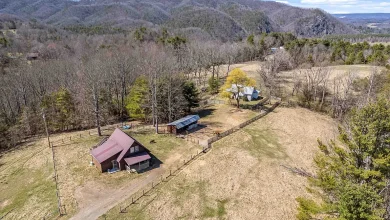
3 beds 1 baths 918 sqft
Affordable 0.57-Acre Hoosick Falls Property With Potential for a New Home
Affordable real estate opportunities that combine a sizable residential lot with the possibility of creating a new home can attract buyers who are looking for land rather than a traditional move-in-ready property. In Hoosick Falls, New York, a property listed at $20,000 presents an unusual opportunity for someone willing to take on a significant redevelopment project.
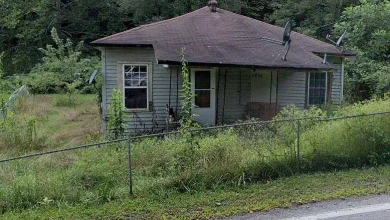
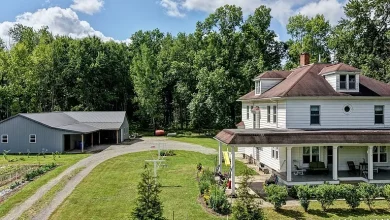
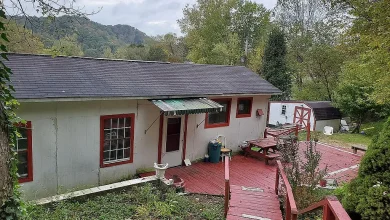
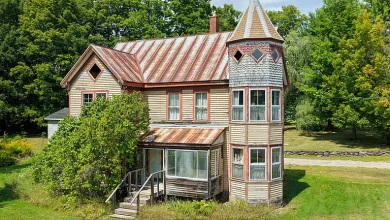
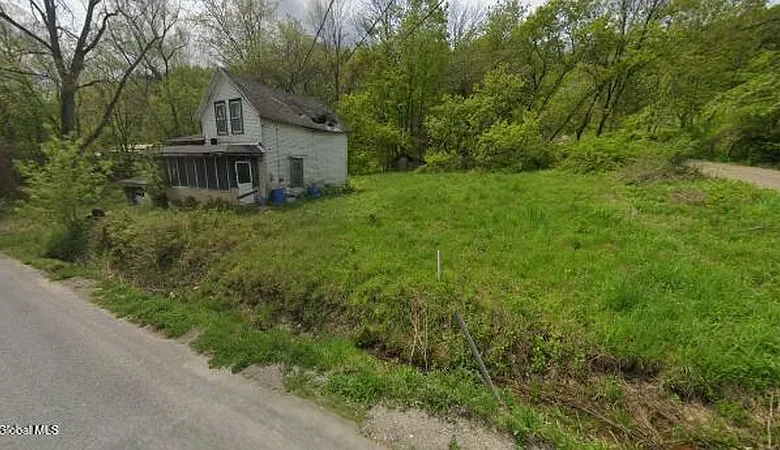
The property includes approximately 0.57 acres of land and an existing single-family residence containing approximately 918 square feet. The home dates back to 1875 and is described by the listing as a fixer and most likely a tear-down. Instead of focusing on restoring the existing structure, the listing suggests that the property could provide a good-sized lot on which a buyer might eventually build a dream home.
The property recently received a $5,000 price reduction, bringing the advertised price to $20,000. The low purchase price is one of the most notable characteristics of the opportunity, but buyers should understand that the property is not being presented as a finished residence. Significant costs could be required to address the existing structure, clear the site, prepare the land, and potentially construct a new home.
For buyers interested in land acquisition, new construction, or redevelopment, the property provides an opportunity to explore what may be possible on approximately half an acre in the Hoosick Falls area.
A Property With Land at the Center of the Opportunity
The most important feature of this listing is arguably the 0.57-acre lot rather than the existing 918-square-foot house.
The listing describes the existing house as most likely a tear-down. This suggests that the primary opportunity may involve evaluating the site for future redevelopment rather than purchasing the property as a conventional fixer-upper.
A buyer considering this strategy should not assume that demolition and new construction are automatically permitted. Before purchasing, it is important to confirm zoning, building requirements, setbacks, utility availability, septic requirements, driveway access, demolition regulations, and any environmental or structural issues affecting the site.
The approximately 0.57-acre lot provides substantially more land than a typical small residential lot in many communities. Depending on local regulations and the physical characteristics of the parcel, that additional space could potentially provide room for a future residence, driveway, outdoor living areas, landscaping, gardens, or other permitted improvements.
The Existing 918-Square-Foot House
The property currently contains a single-family residence with approximately 918 square feet of total structure area.
The home has three bedrooms and one full bathroom. All three bedrooms are listed on the second level, while the entry, kitchen, and living room are located on the first floor.
The property also has a full basement, although the listing reports zero finished square feet below ground.
Because the listing characterizes the existing home as a likely tear-down, prospective buyers should avoid assuming that the existing floor plan or interior features will be useful for future occupancy.
Instead, the structure should be professionally evaluated to determine whether any portion is realistically salvageable and whether demolition would be the more practical approach.
For buyers planning new construction, the existing building may ultimately be viewed primarily as a structure occupying the future homesite.
Why the Tear-Down Description Matters
The phrase “most likely a tear down” is one of the most important pieces of information in the listing.
A property that requires a complete teardown has a very different financial profile from a property that needs ordinary repairs.
A buyer considering demolition should budget for potential expenses such as:
- Professional assessments
- Demolition permits
- Contractor fees
- Debris removal
- Utility disconnection
- Environmental testing where appropriate
- Site clearing
- Grading
- Excavation
- New foundation
- Utility installation
- Driveway construction
- Landscaping
- New home construction
The actual costs can vary significantly depending on the property and local regulations.
Before making an offer, a buyer should obtain estimates from qualified local professionals and determine whether demolition is actually necessary.
A 0.57-Acre Homesite
The approximately 0.57-acre lot is a central reason the property may appeal to land buyers.
For someone planning a future home, the lot could potentially offer enough room to create a private residential setting while remaining within an established community.
A buyer might envision a new single-family residence with a front driveway, landscaped yard, patio, porch, garden, or other outdoor features.
The exact possibilities depend on the shape and topography of the parcel.
The listing does not provide detailed information about slope, soil, drainage, frontage, or the precise location of utility connections. These factors should be verified before a buyer commits to a construction plan.
Land size alone does not establish whether a particular house design can be built.
New Construction Potential
The listing specifically describes the lot as a good size to start a dream home.
This opens the door to a new construction concept for buyers who would rather build than renovate.
New construction can provide the ability to design a home around modern needs. A buyer could potentially consider a single-level residence, a traditional two-story home, an energy-efficient house, or another permitted residential design.
Modern construction can also incorporate features that are difficult to add to older homes, including improved insulation, energy-efficient windows, modern electrical systems, updated plumbing, efficient heating and cooling, and accessible layouts.
However, all of these possibilities are future concepts rather than existing features of the property.
The buyer would need to establish whether the site is buildable and what local regulations permit.
Understanding Zoning
The property’s zoning should be one of the first issues investigated by a prospective buyer.
A property described as residential does not necessarily mean that every type of new construction is automatically allowed.
Buyers should confirm the current zoning designation and permitted uses with the appropriate local authorities.
Important questions may include:
- Is a single-family residence permitted?
- What are the minimum lot requirements?
- What are the front, side, and rear setbacks?
- Are there maximum building coverage limits?
- Are accessory structures permitted?
- Are there restrictions on building height?
- Is a specific driveway design required?
- Are there restrictions related to demolition?
- Are there local design requirements?
- What permits are required before construction?
These details can materially affect the feasibility and cost of a new-home project.
Septic System Considerations
The listing identifies a septic tank rather than public sewer.
This is a significant consideration for anyone planning to build a new home.
A buyer should determine the location and condition of the existing septic system and whether it can legally or practically serve a future residence.
If the current septic system is outdated, undersized, damaged, or incompatible with a new construction plan, replacement could be necessary.
A new septic system may require soil testing, engineering, health department approval, and a specific design based on site conditions.
Because the lot is approximately 0.57 acre, available space for a septic system and reserve area should be carefully evaluated alongside the proposed house location, driveway, well if applicable, and property setbacks.
Buyers should obtain professional guidance before assuming the existing septic infrastructure can be reused.
Water Supply and Utility Planning
The listing information identifies a septic tank but does not provide complete details about the property’s water source.
That makes utility research especially important.
A prospective buyer should determine whether the property has public water, a private well, or another water arrangement.
If a private well is required, the buyer should investigate the existing well’s condition, location, yield, water quality, and legal status.
For a new home, utility planning should happen before finalizing architectural plans.
Electricity, water, wastewater, internet, and heating fuel all need to be considered when developing a construction budget.
An affordable land purchase can become considerably more expensive if new utility infrastructure is required.
The Full Basement
The existing home has a full basement, but the listing reports zero finished square feet below ground.
For a structure that may be demolished, the basement’s condition could nevertheless be relevant.
A buyer should determine whether the existing foundation or basement has any potential value for future redevelopment or whether it would need to be removed.
If demolition occurs, the cost of removing the foundation and preparing the site for a new structure can be substantial.
Professional contractors should evaluate the existing foundation before a buyer makes assumptions about whether it can remain.
Three-Bedroom Configuration
The existing home contains three bedrooms.
All three are located on the second floor.
Although the existing structure may be a tear-down, the three-bedroom configuration can provide some insight into the scale of the current residence.
A buyer building a new house would have the opportunity to design a completely different layout.
For example, a future home could potentially include three or four bedrooms, depending on zoning, lot coverage, budget, and buyer preferences.
The goal should be to design the new residence around the site’s verified limitations rather than attempting to replicate the existing home.
First-Floor Living Areas
The current structure has a first-floor entry, kitchen, and living room.
These areas form the basic living spaces of the existing house, but their condition should be assessed carefully.
Since the listing describes the structure as a likely tear-down, cosmetic improvements may not be economically meaningful.
The key question is whether the structure has sufficient value to justify rehabilitation or whether clearing the site makes more sense.
That decision should be based on a professional inspection and detailed cost comparison.
Potential Benefits of Starting From Scratch
For buyers with a long-term vision, new construction can offer several advantages.
A newly built home could potentially provide:
- Modern building systems
- Improved energy efficiency
- New plumbing
- New electrical wiring
- Modern insulation
- Updated windows
- Efficient heating and cooling
- Contemporary kitchen design
- Modern bathrooms
- Better storage
- Accessible floor plans
- Lower immediate repair requirements
These benefits come with significantly higher upfront construction costs than purchasing an existing finished home.
The $20,000 land acquisition price should therefore be viewed as one component of a much larger potential project.
A New Home and Long-Term Ownership
For someone who wants to remain in the Hoosick Falls area for many years, purchasing a property and eventually building a custom residence could potentially provide a long-term ownership opportunity.
Instead of adapting to an existing home built in 1875, a buyer could potentially design a residence around current and future needs.
A future home might include a main-level primary bedroom, dedicated office, larger kitchen, energy-efficient systems, a covered porch, or other features.
For aging homeowners, new construction can also make it easier to incorporate accessibility features from the beginning.
Again, these are potential concepts and would require appropriate approvals.
The Importance of Site Planning
Site planning is particularly important on a redevelopment property.
The buyer needs to understand where the future home could be located in relation to property lines, roads, utilities, septic systems, drainage, and neighboring properties.
The shape of the 0.57-acre parcel should be carefully examined.
A professional survey can help identify boundaries and easements. A site plan can then be developed to determine the practical placement of the future structure.
Without this information, it is difficult to accurately estimate how much of the property is actually usable.
Parking and Driveway Potential
The existing listing identifies driveway parking and indicates two parking spaces.
For a future home, the driveway configuration could potentially be redesigned.
Depending on local requirements and available space, a new driveway could provide access to a garage, carport, or off-street parking area.
The exact location of the driveway may be influenced by road access, drainage, setbacks, and municipal requirements.
Buyers should verify whether the existing access can be retained or whether a new driveway permit would be required.
No HOA
The listing does not identify a homeowners association.
For some buyers, the absence of an HOA can provide greater flexibility when planning a future residence.
Without HOA rules, buyers may have fewer private community restrictions concerning exterior colors, landscaping, fencing, parking, or accessory structures.
However, the absence of an HOA does not eliminate municipal zoning or building regulations.
Government requirements and recorded deed restrictions may still apply.
Buyers should confirm the property’s full legal and regulatory environment before developing plans.
The Significance of the Price Reduction
The property recently received a $5,000 price cut, bringing the asking price to $20,000.
Price reductions can attract additional attention, but buyers should focus on the property’s total economics rather than the discount alone.
If demolition and new construction are required, the $5,000 reduction is relatively small compared with the potential cost of the overall project.
The important question is whether the land, location, and future development possibilities justify the complete investment.
A buyer should compare this opportunity with other vacant lots and development sites in the Hoosick Falls area.
Property Taxes
The listing reports an assessed value of $48,705 and an annual tax amount of $2,500.
These figures should be independently verified before purchase.
Property taxes can change following improvements or reassessment, and future taxes could differ significantly after a new home is constructed.
A buyer developing the site should therefore account for potential changes in property taxes when creating a long-term budget.
Taxes are an ongoing ownership expense and should be considered alongside insurance, utilities, maintenance, and financing.
Potential Investment Strategy
Although the listing is primarily presented as an affordable property opportunity, some buyers may evaluate the parcel as a development investment.
A possible strategy could involve acquiring the property, removing the existing structure if appropriate, constructing a new home, and eventually occupying or selling the completed residence.
Another potential approach could involve holding the land while developing a future construction plan.
Neither strategy guarantees a profit.
Investors should research local comparable sales, construction costs, demand for newly built homes, financing terms, property taxes, and expected resale values before making an investment decision.
The local market should determine the financial assumptions rather than the low acquisition price alone.
Potential Rental Strategy
A new residence on the property could potentially be considered for long-term rental use if local regulations permit it.
Rental investors would need to determine what type of home is supported by local demand and what rental income could realistically be achieved.
A proper rental analysis should include:
- Expected market rent
- Property taxes
- Insurance
- Maintenance
- Vacancy
- Property management
- Utilities
- Financing
- Construction costs
- Capital expenditures
The construction budget would likely be the largest factor.
A buyer should not assume that a low land price automatically creates a high-return rental opportunity.
Comparing Rehabilitation and New Construction
One of the most important decisions for a buyer will be determining whether to rehabilitate or remove the existing structure.
The listing strongly suggests that the house is most likely a tear-down, but an independent professional evaluation is still worthwhile.
A buyer could compare two scenarios.
The first would involve renovating the existing 918-square-foot residence. The second would involve demolition and construction of a new home.
The best choice depends on structural condition, renovation costs, desired square footage, zoning, utility requirements, and market value.
If the existing building requires nearly every major system to be replaced, new construction could potentially offer a more predictable long-term result.
If portions of the structure prove more valuable than expected, rehabilitation could potentially be considered.
Only detailed estimates can determine the difference.
Environmental Due Diligence
Older properties can sometimes require environmental investigation, particularly when demolition is contemplated.
The existing structure dates to 1875, making professional evaluation important before demolition.
Potential buyers should consult appropriate professionals regarding hazardous materials, lead-based paint, asbestos-containing materials, underground tanks, soil conditions, or other environmental concerns where relevant.
These matters should not be assumed to exist, but they can be important considerations when dealing with very old structures.
A professional assessment can help identify potential risks and costs before work begins.
Why the Property Could Appeal to Land Buyers
For some buyers, the most attractive part of this opportunity is simply the possibility of acquiring a relatively large residential parcel at a comparatively low asking price.
At approximately 0.57 acre, the property provides more space than many traditional urban residential lots.
The existing structure may be viewed as an obstacle, but it could also be part of a redevelopment opportunity.
For someone already planning to build a home, the property could potentially provide a starting point for creating a new residence in the Hoosick Falls area.
The location, lot size, and residential nature of the property make it worth investigating for buyers who understand the costs and responsibilities involved.
Planning a Future Home
A buyer who ultimately decides to develop the parcel could begin with a comprehensive site plan.
The process might involve:
- Confirming zoning and permitted uses.
- Ordering a professional survey.
- Evaluating the existing structure.
- Determining whether demolition is required.
- Testing soil and reviewing septic feasibility.
- Confirming water availability.
- Verifying electrical service.
- Designing a preliminary home plan.
- Obtaining construction estimates.
- Developing a complete financing strategy.
- Confirming permits and approvals.
- Establishing a realistic construction timeline.
Taking these steps before committing to construction can help reduce unexpected expenses.
Understanding the Total Project Cost
The most important financial lesson from this property is that the $20,000 asking price is only the beginning.
A buyer should calculate the full project cost.
That could include the purchase, closing expenses, professional services, demolition, site work, utilities, foundation, construction, landscaping, financing, taxes, insurance, and other expenses.
For a new construction project, the cost of the house itself will likely exceed the land acquisition price by a substantial margin.
A detailed budget is therefore essential.
A Property for Buyers With a Long-Term Vision
This Hoosick Falls opportunity is best suited to someone who is comfortable thinking beyond the current structure.
The existing home may not be the finished product the buyer wants. Instead, the value proposition may be the land and the possibility of creating something new.
The approximately 0.57-acre parcel provides a meaningful amount of space, while the residential setting can potentially support a future home subject to verification.
For buyers willing to complete the necessary research, the property could represent an opportunity to acquire land at an accessible entry price and develop it over time.
Final Thoughts on This $20,000 Hoosick Falls Property
This property in Hoosick Falls, New York, presents an unusual real estate opportunity centered on land, redevelopment, and potential new construction.
Listed at $20,000 after a $5,000 price reduction, the property includes approximately 0.57 acres and an existing 918-square-foot single-family residence. The house contains three bedrooms, one full bathroom, a full unfinished basement, and first-floor living areas.
Built in 1875, the existing structure is described by the listing as most likely a tear-down. That makes the property fundamentally different from a typical affordable home for sale.
Instead, buyers may want to view the parcel as a potential future homesite.
The approximately 0.57-acre lot could potentially provide space for a new residence, driveway, landscaping, outdoor living areas, or other permitted improvements. The lack of an HOA may provide additional flexibility, although local zoning, building codes, septic requirements, deed restrictions, and other regulations still need to be verified.
The property’s septic system is another major consideration. Anyone planning new construction should determine whether the existing septic infrastructure can be used, modified, or replaced. Water availability and other utilities should also be confirmed before developing a final construction plan.
The full project economics are equally important. The $20,000 purchase price does not represent the total cost of creating a finished property. Demolition, site preparation, professional services, permits, utilities, construction, financing, taxes, and landscaping could significantly increase the overall investment.
For an experienced builder, investor, or buyer with a long-term vision, however, the property offers an opportunity to investigate what can be created on a relatively spacious residential lot in Hoosick Falls.
The best approach is careful due diligence: inspect the existing structure, verify the exact land dimensions, confirm zoning, investigate utilities, evaluate septic feasibility, understand demolition requirements, and obtain realistic construction estimates.
With those factors understood, a buyer can determine whether the property makes sense as a future homesite, redevelopment project, investment property, or long-term land acquisition.
The property is not a conventional move-in-ready home, but that may be precisely what makes it interesting. For someone searching for affordable land and willing to take on the work required to create a new residence, this 0.57-acre Hoosick Falls property offers a blank canvas with substantial potential, subject to all applicable approvals and the buyer’s own financial and construction plans.
Listed on Zillow.