A Rare Recreational Land Opportunity in Perry County
89 Acres of Prime Indiana Hunting, Timber and Recreational Land Near the Hoosier National Forest
A Rare Recreational Land Opportunity in Perry County
Large parcels of recreational land are becoming increasingly attractive to buyers who want privacy, outdoor adventure, hunting opportunities, timber resources, and a place where they can spend time away from crowded residential areas. In Perry County, Indiana, an exceptional opportunity is now available involving approximately 89.08 acres of wooded recreational property near Leopold.
This expansive tract offers a combination of mature natural surroundings, wildlife habitat improvements, timber potential, water features, food plots, and direct adjacency to the Hoosier National Forest. For outdoor enthusiasts, hunters, timber-minded investors, and buyers looking for a private recreational property, the combination is particularly compelling.
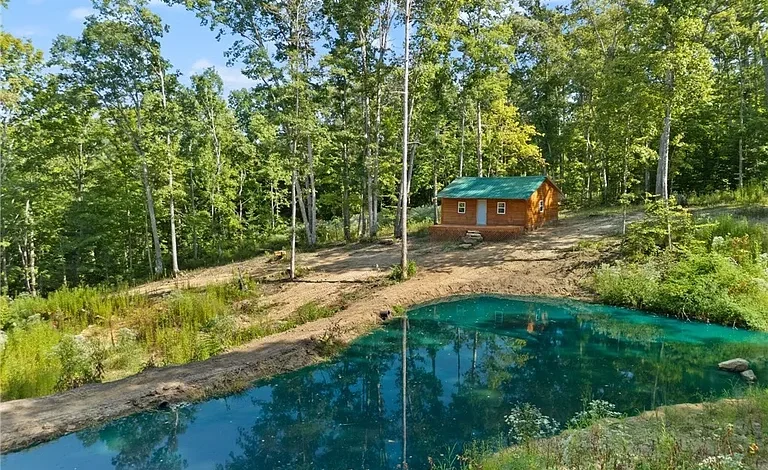
The property includes a newly constructed half-acre pond as well as a dedicated wildlife pond. Mineral blocks and food plots have also been established to improve wildlife habitat and maximize hunting opportunities. According to the listing, the property has been professionally managed for the past four years by a Purdue Forester, with attention focused on both timber management and wildlife habitat.
The land is being offered through an online-only auction, with bidding scheduled to end October 8 at 5:00 PM CDT. The listing emphasizes that the displayed $1 estimate is not the current bid or an asking price, meaning prospective buyers should review the official auction terms and bidding information before participating.
Approximately 89 Acres of Wooded Land
The centerpiece of this opportunity is the approximately 89.08 acres of land.
A parcel of this size provides significantly more possibilities than a conventional residential lot. Instead of simply purchasing a homesite, a buyer is acquiring a substantial recreational landscape that can support a variety of outdoor activities and long-term objectives.
The property is described as wooded and adjacent to public land. This combination is especially attractive for people who value privacy and access to larger natural areas.
Wooded acreage can provide habitat for wildlife, opportunities for hunting, timber resources, hiking areas, camping possibilities, nature observation, and recreational trails. The exact use of the land will depend on applicable regulations and the buyer’s plans, but the acreage provides a broad foundation for outdoor-oriented ownership.
For someone looking to build a long-term land investment, a recreational retreat, or a private hunting property, 89 acres represents a substantial amount of ground to work with.
Adjoining the Hoosier National Forest
One of the most significant characteristics of this property is its adjacency to the Hoosier National Forest.
Having private acreage directly next to public forestland can expand the recreational environment available to a landowner. The surrounding public land can provide additional opportunities for outdoor recreation and create a larger continuous natural setting.
For hunters, the relationship between private and public land can be particularly interesting. Wildlife does not recognize property boundaries in the same way people do, and larger connected areas of habitat can influence how animals move throughout a landscape.
For hikers, nature enthusiasts, photographers, and outdoor recreationists, proximity to a national forest can also provide additional opportunities beyond the private acreage.
Buyers should independently verify exactly how the private property connects to public land, the legal access arrangements, boundaries, and any applicable public-land regulations.
A Newly Constructed Half-Acre Pond
Water is one of the property’s major improvements.
A newly constructed half-acre pond provides an attractive feature for both wildlife and recreational purposes. Ponds can contribute to the overall character of rural acreage while also creating water sources for animals and adding visual interest to the landscape.
The new pond may provide opportunities for fishing or other recreational uses depending on its design, stocking, water quality, and applicable regulations.
From a wildlife-management perspective, water can be an important component of habitat planning. When combined with food plots, mineral blocks, wooded areas, and other habitat improvements, a pond can contribute to a more diverse environment.
The fact that the pond is newly constructed also gives future owners the opportunity to incorporate it into their long-term property management strategy.
A Dedicated Wildlife Pond
In addition to the newly constructed half-acre pond, the property includes a dedicated wildlife pond.
Having multiple water sources can be beneficial when managing land for wildlife. Different parts of a property can serve different purposes, and water features can contribute to habitat diversity.
For hunters, wildlife ponds can become important components of a broader management plan. For nature enthusiasts, they can provide opportunities to observe birds, deer, amphibians, and other wildlife.
The two ponds also add another layer of character to the acreage. A wooded property with water features can feel significantly more varied than a property consisting solely of forest.
Prospective buyers should inspect both ponds and obtain appropriate information regarding their construction, maintenance, drainage, water levels, and any permits that may apply.
Professionally Managed Timber and Wildlife Habitat
According to the listing, the property has been professionally managed for the past four years by a Purdue Forester.
This is an important detail for buyers interested in timber and wildlife management.
Professional forestry management can involve evaluating tree species, forest health, growth rates, stand conditions, wildlife habitat, and long-term management objectives. Properly managed timberland can provide both recreational value and potential long-term economic value, although actual timber value depends on species, volume, quality, market conditions, harvesting costs, and professional appraisal.
The fact that management has reportedly been ongoing for four years gives prospective buyers an important starting point for understanding how the property has been maintained.
A buyer interested in timber investment should request available forestry records, management plans, timber inventories, recent assessments, and information regarding any past or planned harvesting.
Hunting Potential
Hunting is clearly one of the property’s primary attractions.
The listing specifically highlights hunting potential and includes several improvements designed to support wildlife activity. Food plots, mineral blocks, dedicated wildlife habitat, ponds, and professionally managed timber can all contribute to a recreational hunting environment.
The property’s adjacency to the Hoosier National Forest may also make the overall setting particularly attractive to hunters who value access to a larger natural landscape.
The listing notes that hunting season is approaching, adding seasonal relevance to the opportunity.
However, hunting success can never be guaranteed. Wildlife populations, weather, habitat conditions, hunting pressure, neighboring land use, regulations, and individual hunting practices all influence results.
Prospective buyers should also confirm current Indiana hunting regulations, seasons, licensing requirements, species restrictions, and any rules governing hunting on both private and adjacent public land.
Food Plots for Wildlife
Food plots are another important improvement.
Food plots can be strategically used to provide supplemental forage for wildlife and influence animal movement patterns. Their effectiveness depends on location, crop selection, soil conditions, planting schedules, weather, and ongoing management.
For a hunting property, thoughtfully positioned food plots can become part of a broader habitat strategy.
For buyers who enjoy land management, maintaining and improving these areas could become an ongoing recreational activity in itself.
The property therefore offers not only a place to hunt but also an opportunity to participate in wildlife and habitat management.
Mineral Blocks
The presence of mineral blocks further demonstrates the property’s focus on wildlife management.
Mineral supplements are sometimes used by landowners as part of deer-management strategies, although their legality and appropriate use can vary depending on location and applicable wildlife regulations.
Buyers should verify current Indiana Department of Natural Resources requirements before continuing any existing wildlife-management practices.
The larger point is that the property has already been configured with wildlife considerations in mind, potentially saving a future owner time compared with starting a recreational land-management program from scratch.
A Private Hunting and Recreation Retreat
The property could serve as a private outdoor retreat for an individual, family, or group of recreational landowners.
A large acreage property can become a destination for weekends, hunting seasons, hiking trips, camping, wildlife observation, forestry work, and outdoor gatherings.
Because the property is surrounded by a wooded environment and adjoins public forestland, it has the characteristics many buyers seek when looking for a rural escape.
Instead of traveling to different locations for outdoor activities, an owner could develop a long-term relationship with the land and manage it according to their interests.
Potential for a Cabin or Future Improvements
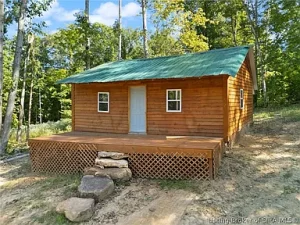
The listing describes the opportunity as a cabin and land auction, although the Zillow facts presented do not provide conventional bedroom and bathroom details for an existing residential structure.
For that reason, prospective buyers should carefully review the official auction materials to understand exactly what improvements, structures, or cabin-related features are included in the sale.
For buyers interested in eventually adding a cabin or other structure, the land could potentially provide a foundation for a future recreational retreat, subject to zoning, permits, access, utilities, environmental requirements, and other applicable regulations.
Before making assumptions about construction, buyers should verify whether a homesite or cabin is permitted and determine what infrastructure would be required.
A Potential Timber Investment
Timberland can represent a different type of real estate investment from residential property.
The value of timber acreage may come from a combination of land value, recreational value, wildlife habitat, and the potential future value of standing timber.
However, timber should not be treated as guaranteed income. Market prices fluctuate, harvesting costs vary, and individual stands can differ substantially in species, age, quality, and volume.
A professional forestry evaluation is therefore essential for anyone considering the property primarily as a timber investment.
The existing professional management history could be especially useful because records may provide information about the condition and management objectives of the forest.
Long-Term Land Ownership
Large parcels can appeal to buyers who are thinking beyond short-term real estate appreciation.
Owning 89 acres can provide a long-term recreational asset that may remain useful for decades. A buyer can potentially enjoy the property personally while managing the land for wildlife, timber, conservation, recreation, or other permitted uses.
Land also offers flexibility that is difficult to achieve with a typical residential property.
A house on a small lot generally has a clearly defined use. Large recreational acreage can evolve over time as the owner’s interests change.
One owner may prioritize hunting, while a future owner may focus more on timber, conservation, recreation, or a private retreat.
Privacy and Seclusion
Privacy is another major attraction.
Wooded acreage naturally creates separation from neighboring properties, roads, and developed areas. For people seeking a quieter lifestyle, this can be one of the most valuable aspects of rural land ownership.
The property’s size allows an owner to spend time outdoors without feeling confined by a small residential lot.
The natural surroundings may also provide a sense of peace that is difficult to replicate in suburban or urban environments.
Outdoor Recreation Beyond Hunting
Although hunting is a central feature, the property can potentially support many other outdoor activities.
Depending on terrain and applicable rules, possible recreational uses could include:
- Hiking
- Wildlife observation
- Nature photography
- Bird watching
- Camping
- Fishing
- Forestry activities
- Outdoor education
- Trail development
- Family recreation
- Seasonal gatherings
The ponds provide additional interest, while the wooded acreage creates an environment for exploring and enjoying nature.
For a family that wants children to spend more time outdoors, a property of this scale could become a valuable recreational resource.
A Place for Nature and Wildlife Observation
Not every landowner is interested in hunting.
The wildlife improvements could also appeal to people who simply enjoy observing nature.
Ponds can attract birds and other wildlife, while wooded areas can provide habitat for numerous species.
A dedicated wildlife-management strategy can potentially create an environment where owners can observe seasonal changes in animal activity.
For photographers and outdoor enthusiasts, having a private property with multiple habitat types can provide countless opportunities to explore the natural environment.
The Importance of Legal Access
Access should be one of the first issues investigated by any prospective buyer.
Large rural parcels can have complicated access arrangements, especially when they border public land.
Buyers should confirm the legal road frontage, recorded access rights, easements, maintenance responsibilities, and exact boundaries.
The physical ability to reach a property is not always the same as having legally documented access.
Before bidding, prospective purchasers should review the title and survey information and obtain professional assistance if any access questions remain unresolved.
Utilities and Rural Infrastructure
Unlike a conventional suburban home, recreational acreage may not have municipal utilities readily available.
The listing classifies the property as unimproved land, so buyers should not assume that electricity, public water, sewer, or other services are already available.
Anyone planning to build a cabin or other structure should investigate:
- Electricity availability
- Well feasibility
- Septic suitability
- Road access
- Driveway requirements
- Building permits
- Internet availability
- Emergency services
- Construction costs
- Soil conditions
- Drainage
- Flood considerations
These costs can have a significant impact on the overall economics of a recreational land purchase.
Understanding the $1 Auction Estimate
The Zillow listing displays an estimated price of $1.
However, the listing clearly states that the list price is not the current bid or asking price.
This is an important distinction.
Auction listings frequently use nominal figures or other indicators because the property is being sold through a competitive bidding process. The final purchase price will be determined by the auction and its official terms.
Prospective buyers should therefore avoid evaluating the property based solely on the $1 figure.
Instead, buyers should determine the value of the land based on acreage, location, timber, recreational features, water improvements, access, comparable sales, management history, and their own intended use.
Online Auction Details
The property is being offered through an online-only auction.
Bidding ends October 8 at 5:00 PM CDT.
The official auction website should be reviewed carefully for the complete terms and conditions, bidding procedures, required deposits, closing requirements, buyer obligations, and any other relevant information.
Because auction rules can differ substantially from traditional real estate transactions, prospective buyers should understand the process before submitting a bid.
Anyone planning to finance the purchase should also speak with a lender in advance. The listing indicates that cash and conventional terms are included, but buyers should confirm the exact financing requirements of the auction.
Due Diligence Before Bidding
Purchasing recreational acreage requires a different due-diligence process from buying a standard home.
Before participating in the auction, buyers should consider obtaining professional advice and reviewing:
- Property boundaries
- Survey information
- Legal access
- Easements
- Title history
- Timber rights
- Mineral rights
- Water rights
- Pond documentation
- Zoning
- Building restrictions
- Hunting regulations
- Public-land boundaries
- Well and septic feasibility
- Road maintenance
- Tax history
- Environmental conditions
- Flood-zone information
- Timber-management records
If timber value is important to the purchase decision, an independent forestry professional should evaluate the timber rather than relying solely on general descriptions.
Property Taxes and Carrying Costs
The listing reports annual property taxes of approximately $1,670.
That relatively modest annual tax figure may be attractive compared with the carrying costs associated with many large residential or commercial properties, although buyers should verify current tax information independently.
Land ownership still involves ongoing expenses.
Possible costs include property taxes, insurance where applicable, road maintenance, forestry management, habitat improvements, pond maintenance, equipment, security, brush clearing, trail maintenance, and future construction.
Understanding these expenses helps buyers determine whether the property fits their long-term financial plan.
Why Professional Land Management Matters
A recreational property can become more valuable and enjoyable when managed strategically.
The reported four-year involvement of a Purdue Forester suggests that the current owners have taken a deliberate approach to timber and wildlife management.
Professional management can help landowners understand how decisions made today may affect the forest and habitat years into the future.
For example, timber stands may require different treatment depending on species, age, density, and health. Wildlife habitat can also benefit from thoughtful planning involving food sources, water, cover, and forest structure.
A new owner should request any available management plans or records before making decisions about future timber harvesting or habitat changes.
A Unique Opportunity for Outdoor Enthusiasts
Many recreational properties offer only one major attraction.
Some have timber.
Others have hunting potential.
Some have ponds.
Others border public land.
This property brings several of those characteristics together.
The approximately 89.08 acres are wooded and adjacent to public land. There is a newly constructed half-acre pond, a dedicated wildlife pond, food plots, mineral blocks, professional timber and habitat management, and proximity to the Hoosier National Forest.
That combination makes the property particularly interesting for someone who wants a serious recreational acreage investment rather than a small rural parcel.
A Family Legacy Property
Large landholdings can also become family legacy properties.
A recreational tract can provide generations of opportunities for hunting, hiking, fishing, camping, wildlife observation, forestry education, and outdoor recreation.
Children can grow up visiting the property and learning about nature and land management. Family members can gather during hunting season or throughout the year.
Over time, the property can become more than a financial asset. It can become a place associated with family traditions and memories.
Potential Conservation Value
The wooded acreage and wildlife improvements may also appeal to buyers interested in conservation-oriented land management.
Conservation can take many forms, from maintaining wildlife habitat to protecting wooded areas and water features.
Any formal conservation program, easement, tax treatment, or environmental designation would need to be independently researched and verified.
Still, the property’s natural characteristics make conservation a potential area of interest for a future owner.
Final Thoughts on This Indiana Land Auction
This approximately 89.08-acre property in Perry County, Indiana, offers a rare combination of recreational land, timber potential, wildlife habitat, water features, and adjacency to the Hoosier National Forest.
The newly constructed half-acre pond and dedicated wildlife pond add important natural and recreational features. Food plots and mineral blocks further support the property’s focus on wildlife management, while the reported four years of professional management by a Purdue Forester provide an important foundation for understanding the land’s current condition and long-term potential.
For hunters, the property offers an environment designed around wildlife and outdoor recreation. For timber investors, the professionally managed woodland deserves careful evaluation. For nature enthusiasts, the ponds, forest, and public-land surroundings create a setting filled with opportunities for exploration and observation.
For someone searching for a private recreational retreat, the acreage could potentially become a place for hunting, hiking, fishing, camping, family gatherings, and outdoor adventures.
The proximity to the Hoosier National Forest is particularly noteworthy because it places the property beside a much larger public forest landscape. Buyers should independently verify boundaries, access rights, and all applicable public and private land regulations, but the relationship between the private acreage and surrounding public land is one of the property’s defining characteristics.
The auction format also creates an important opportunity while requiring careful preparation. Bidding is scheduled to end October 8 at 5:00 PM CDT, and the listing emphasizes that the displayed $1 figure is not a current bid or asking price. Prospective buyers should therefore review the official auction terms, determine their maximum bid, investigate financing if needed, and complete appropriate due diligence before participating.
The most important consideration is to understand exactly what is being purchased and what future uses are permitted. Buyers considering a cabin, business, timber investment, hunting operation, or other improvements should verify zoning, access, utilities, building requirements, environmental conditions, and applicable regulations.
Ultimately, this is a property for buyers who value land itself. With nearly 90 acres, wooded terrain, water features, wildlife improvements, timber-management history, and adjacency to public forestland, it offers a level of privacy and recreational potential that is difficult to achieve through a conventional residential property.
For the right buyer, this could become a private hunting destination, a timber investment, a family recreational retreat, a future cabin property, or a long-term landholding with multiple possibilities.
The auction provides a chance to compete for a substantial piece of Southern Indiana countryside, but the best opportunity will come to the buyer who combines enthusiasm for the land with careful research, realistic financial planning, and professional due diligence.
Listed on Zillow