4.36 Acres Lot
Private 4.36-Acre Wooded Mountain Getaway Near Capon Bridge
For buyers searching for a private piece of land where they can build a home, create a seasonal cabin, or simply escape from the noise and routine of everyday life, this 4.36-acre wooded property near Capon Bridge, West Virginia, offers an intriguing opportunity.
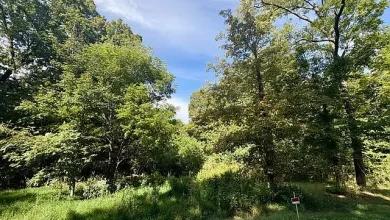
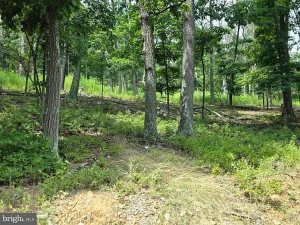
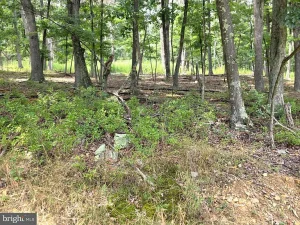
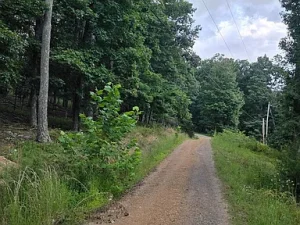
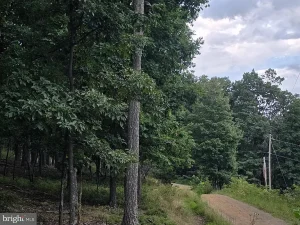
Surrounded by trees and natural terrain, the property provides the kind of rural setting that many buyers imagine when they think about a private mountain retreat. The land is described as wooded, mountainous, secluded, private, and rural, with mountain and woodland views that can change beautifully throughout the seasons.
The property has also been perc approved for a septic system, providing an important step toward future development. Electricity is available, and DSL and satellite internet service are listed as utility options, giving the property potential for both traditional country living and a more connected modern lifestyle.
Whether the goal is to build a full-time residence, establish a seasonal cabin, bring a camper for recreational use where permitted, or simply hold a private parcel for the future, this property offers flexibility worth exploring.
Located on a dead-end lane, the property can provide a quieter setting with less through traffic than a typical busy roadway. The combination of wooded acreage, road frontage, mountain views, and a secluded location creates an appealing foundation for buyers looking for land away from densely developed neighborhoods.
A 4.36-Acre Private Retreat
The property contains approximately 4.36 acres.
For many buyers, that amount of land provides a meaningful balance between privacy and manageability. It is large enough to create a sense of separation from surrounding properties while remaining more manageable than a much larger rural tract.
The land is described as mountainous, wooded, private, rural, and secluded.
These characteristics make it particularly interesting for buyers who want to create a retreat surrounded by nature.
Instead of purchasing a home in an established subdivision with neighboring houses immediately nearby, a wooded parcel provides the opportunity to think about how the property itself should be developed.
A future owner could evaluate potential building locations, access, views, outdoor areas, and the best orientation for a home or cabin.
Any construction plans would need to be reviewed against applicable local regulations, subdivision requirements, HOA rules, access conditions, and site-specific limitations.
Build Your Own Home
One of the primary possibilities presented by the property is building a home.
For buyers who have struggled to find an existing house that matches their needs, buying land can provide an alternative path to homeownership.
Rather than adapting to someone else’s floor plan, a future owner can potentially design a home around their lifestyle.
The property’s wooded environment could provide opportunities for positioning a residence to take advantage of seasonal views, natural surroundings, and privacy.
A custom home might include features such as large windows, outdoor living areas, a covered porch, a deck, or other elements designed to connect the interior with the surrounding landscape.
The exact construction possibilities depend on the site, engineering requirements, local regulations, and the buyer’s budget.
Perc Approved Septic Potential
A particularly important detail is that the property is listed as having a perc approved septic system.
The property does not currently have a septic system installed, but the perc approval can be an important consideration for future development.
For rural land buyers, septic feasibility is often one of the first questions to investigate before purchasing.
A perc-approved site can provide useful information about the property’s potential for a future septic system, although buyers should independently verify the current status of the approval, applicable health-department requirements, installation requirements, and whether the approval remains valid for their intended development.
This is an important distinction: the property is not being represented as having an installed septic system.
Electricity Available
Electricity is listed as available for the property.
Access to electricity can be an important consideration when evaluating rural land.
A future homeowner could potentially connect a new residence or cabin to the available electrical infrastructure, subject to the requirements and costs established by the relevant utility provider.
Buyers should contact the utility provider to determine the exact location of nearby service, connection costs, easements, installation requirements, and availability.
Understanding these costs before construction can help create a more realistic development budget.
Internet Options for Rural Living
DSL and satellite internet service are also listed among the property’s utility options.
This can be particularly relevant for buyers considering a full-time residence, remote work setup, seasonal cabin, or extended stays.
Reliable connectivity has become an important part of modern homeownership.
For someone planning to work remotely from a mountain property, internet availability can influence the practicality of the location.
However, actual internet speeds, availability, installation costs, and service quality should be verified directly with providers before purchase.
A Seasonal Cabin Getaway
The property could be particularly attractive to someone dreaming about a seasonal cabin.
A wooded mountain property can provide a peaceful environment for weekend trips, holidays, outdoor recreation, or simply taking time away from a busy schedule.
Imagine arriving after a long workweek, following a quiet gravel or dirt road to a private wooded parcel, and spending the weekend surrounded by trees and mountain scenery.
A future cabin could be designed as a simple retreat or a more substantial vacation home, depending on the buyer’s goals and local requirements.
Potential features might include a covered porch, fire-safe outdoor gathering areas where permitted, large windows overlooking the woods, a cozy living room, and spaces designed for relaxation.
Any camper or recreational use should be confirmed with the applicable HOA and local authorities before proceeding.
Bring Your Camper and Enjoy the Outdoors
The property description also presents the possibility of bringing a camper and enjoying time away.
For recreational land buyers, this can be an appealing concept.
A private wooded property can serve as a base for outdoor activities and provide a place to disconnect from the daily routine.
However, buyers should verify exactly what temporary or recreational uses are permitted under the subdivision’s HOA rules, county regulations, zoning requirements, and any applicable health or sanitation regulations.
Because the property has no water currently listed, anyone planning extended stays should carefully investigate water supply options before making plans.
Dead-End Lane Provides a Quieter Setting
The lots are located on a dead-end lane.
This can be attractive to buyers who prioritize privacy and reduced traffic.
A dead-end road typically experiences less through traffic than a road connecting two major destinations, which may contribute to a quieter atmosphere.
The property also has road frontage, providing access from the existing roadway.
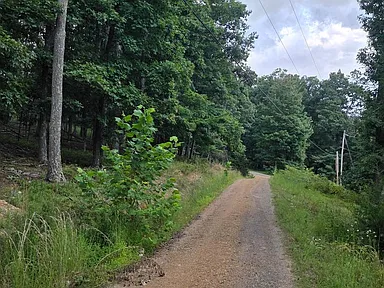
The road surface is listed as gravel and dirt, so prospective buyers should consider how the road is maintained, especially during periods of heavy rain, snow, or other challenging weather conditions.
Mountain and Woodland Views
The property is listed with mountain and trees/woods views.
For many land buyers, views are among the most important qualities of a rural property.
Woodland views can provide privacy and a strong connection to nature, while distant mountain scenery can create a dramatic backdrop.
Because the property is wooded, the appearance of the views may change throughout the year.
Seasonal changes can reveal different portions of the surrounding landscape as leaves fall and return.
A future home or cabin could potentially be positioned to take advantage of these changing views, subject to site conditions and construction requirements.
A Natural Setting for Outdoor Living
One of the advantages of purchasing wooded acreage is the opportunity to create outdoor spaces that complement the natural landscape.
Depending on the terrain, a future owner might consider trails, seating areas, gardens, decks, patios, or other outdoor improvements.
The mountainous terrain may also create opportunities for exploring the property itself.
Before making improvements, buyers should evaluate drainage, soil conditions, slopes, erosion, access, and environmental considerations.
A professional site evaluation can help determine which areas are most suitable for construction and which should remain natural.
Not Located in a Dense Subdivision
The property is described as rural and not located within a conventional densely developed residential setting.
It is part of the Stagecoach Stop at Capon Bridge community, with an HOA listed.
This means buyers should understand that although the property offers a private rural atmosphere, there are community rules and an annual HOA fee.
The listed HOA fee is $100 annually.
Prospective buyers should obtain and review the current HOA documents, covenants, conditions, restrictions, and architectural requirements before purchasing.
This is particularly important for buyers who are considering building a home, placing a cabin, using a camper, or adding other structures.
Stagecoach Stop at Capon Bridge
The property is located within the Stagecoach Stop at Capon Bridge subdivision.
For buyers considering land development, understanding the subdivision’s requirements is essential.
HOA rules can affect building designs, property uses, structures, road access, landscaping, and other aspects of ownership.
The annual HOA fee is listed at $100.
Because rules and fees can change, buyers should confirm the current information directly through the appropriate sources before making a purchase decision.
No Zoning Listed
The property information lists zoning as “NONE.”
This does not necessarily mean that every type of development or use is automatically permitted.
Land-use regulations can come from county ordinances, subdivision restrictions, health regulations, building codes, environmental requirements, road-access rules, and other authorities.
Buyers should independently verify permitted uses before purchasing.
Anyone considering a custom home, cabin, additional structures, or recreational use should confirm the requirements before making plans.
Rural Privacy and Seclusion
Privacy is one of the defining characteristics of this property.
With approximately 4.36 acres of wooded land and a secluded rural setting, the property offers the possibility of creating a private retreat.
For buyers who are tired of crowded neighborhoods, close neighboring houses, and constant traffic, rural acreage can offer a very different lifestyle.
The trees provide a natural visual buffer and contribute to the property’s sense of separation.
The future owner can decide how much of the natural environment to preserve and how much to develop, subject to applicable requirements.
Potential Full-Time Residence
Although the property is marketed as a getaway opportunity, it could also be evaluated as a location for a full-time residence.
For someone who wants to live in a quieter environment, building a home on rural acreage can offer a different lifestyle from purchasing an existing suburban property.
A future residence could be designed for modern needs while maintaining a connection to the natural landscape.
Remote workers may particularly appreciate the possibility of combining a home office with a peaceful setting.
The availability of electricity and potential internet options may support that lifestyle, while the perc-approved septic information provides an important development consideration.
Potential Vacation Property
The property could also be considered by buyers looking for a second home or vacation property.
A cabin in a wooded mountain setting can provide a place to spend weekends and holidays without the need to travel to a distant destination every time.
The property’s rural atmosphere and nearby natural surroundings can create an appealing foundation for a private retreat.
If the owner eventually considers vacation rental use, all applicable local regulations, HOA rules, licensing requirements, insurance considerations, and market conditions should be researched first.
Potential Long-Term Land Investment
Land can also be considered as a long-term real estate asset.
Some buyers prefer land because it offers flexibility that does not necessarily exist with a finished home.
The property could potentially be held for future development, used recreationally, or eventually improved with a residence or cabin.
However, land values and future appreciation are never guaranteed.
Buyers should evaluate the purchase based on current market conditions, access, utilities, development feasibility, taxes, HOA requirements, and personal goals rather than assuming future price increases.
Important Questions for Buyers
Before purchasing this property, prospective buyers should investigate several important factors.
Septic Approval
Verify the perc approval, its date, current status, and exact location.
Water
The property is listed with no water currently available. Buyers should determine what water options are permitted and what installation costs may be involved.
Electricity
Confirm where electric service is available and determine the estimated cost of connecting a future home or cabin.
Internet
Verify actual DSL or satellite availability, expected speeds, installation costs, and service limitations.
Access
Confirm legal and practical access to the property and determine how the gravel/dirt road is maintained.
HOA
Review all current HOA documents and confirm the annual fee and building requirements.
Building Restrictions
Determine what types of homes, cabins, campers, accessory structures, and other improvements are permitted.
Terrain
Because the property is mountainous and sloped, a professional site evaluation may be useful before choosing a building location.
Planning a Future Cabin
For buyers interested in building a cabin, planning should begin with the land rather than the building itself.
The first step is determining where construction is feasible.
The second is understanding septic and water requirements.
The third is evaluating access for construction equipment.
The fourth is determining utility connection requirements.
Once these factors are established, the buyer can begin thinking about the cabin’s design.
A well-designed mountain cabin could potentially incorporate natural materials, expansive windows, outdoor living areas, efficient heating and cooling, and spaces that take advantage of the surrounding woodland.
The final design should always be based on professional site analysis and local requirements.
A Property With Local History
The description notes that the property and subdivision have some historical stories associated with them.
For buyers who appreciate local history, this adds another interesting layer to the property.
While specific historical claims should be independently researched and verified, the possibility of local stories and history can make ownership feel more connected to the surrounding community.
Researching the history of a property can also be an enjoyable part of purchasing rural land.
Low Annual Property Taxes
The listed annual property tax amount is approximately $267, with a tax-assessed value of $23,600.
Property taxes can change over time and may be affected by future improvements or reassessment.
Buyers should verify current tax information with the appropriate local authority.
For someone comparing different land opportunities, understanding annual carrying costs is an important part of evaluating the overall purchase.
Fee Simple Ownership
The property is listed as fee simple ownership.
Fee simple ownership generally represents a broad form of property ownership, subject to applicable laws, restrictions, easements, covenants, and other recorded matters.
Buyers should review the title, survey information, easements, road access, subdivision documents, and other relevant records as part of the due diligence process.
Final Thoughts
This approximately 4.36-acre wooded property near Capon Bridge offers a compelling opportunity for someone searching for privacy, mountain scenery, rural surroundings, and the freedom to imagine a future home or getaway.
The property is wooded, mountainous, secluded, and private, with views of trees and surrounding mountains.
Its location on a dead-end lane may provide a quieter atmosphere, while the gravel and dirt road surface reinforces the rural character of the setting.
Perhaps the most important feature for a future builder is the listed perc approval for a septic system. Although no septic system is currently installed, the approval can provide a useful starting point for evaluating future development.
Electricity is listed as available, while DSL and satellite internet are also identified as potential services.
For a buyer looking to build a full-time home, create a seasonal cabin, establish a recreational retreat, or simply own a private piece of wooded land, the property offers several possibilities worth investigating.
The approximately one-acre-plus? No — the property consists of approximately 4.36 acres, providing meaningful space for privacy, outdoor enjoyment, and potential development.
The presence of an HOA and annual fee should be carefully considered, particularly by buyers with specific plans for construction or recreational use. Buyers should review all subdivision restrictions before purchasing.
The mountainous terrain also means that professional evaluation of the building site, driveway access, drainage, foundation requirements, and septic area could be especially important.
Ultimately, this is a property for someone who sees beyond the present-day parcel and imagines what it could become.
It could be the location of a custom-built home surrounded by trees.
It could become a quiet seasonal cabin where weekends are spent away from the noise of city life.
It could provide a private base for outdoor recreation.
Or it could simply be a piece of rural land held for future plans.
Whatever the vision, careful due diligence should come first.
Buyers should verify the perc approval, water options, electric availability, internet services, HOA rules, building restrictions, road access, property boundaries, taxes, and all applicable regulations before moving forward.
For those willing to research the details and plan carefully, this wooded 4.36-acre property near Capon Bridge offers the rare combination of natural surroundings, privacy, mountain views, and development potential that many land buyers are searching for.
Property information should be independently verified by prospective buyers. Building potential, utility availability, septic approval, recreational uses, future property value, rental potential, and development possibilities are not guaranteed and depend on site conditions, local regulations, HOA requirements, permitting, market conditions, and other factors.
Listed on Zillow