84 Acres
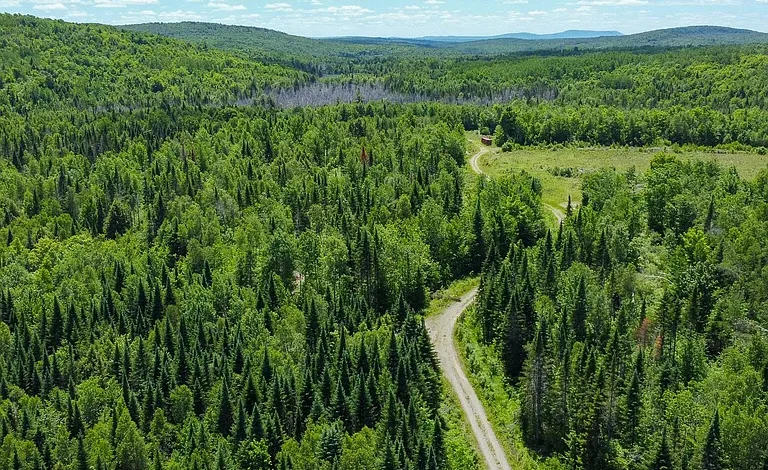
84 Acres of Maine Woodland for Recreation, Hunting and Homesteading
An Affordable Large-Acreage Opportunity in Rural Maine
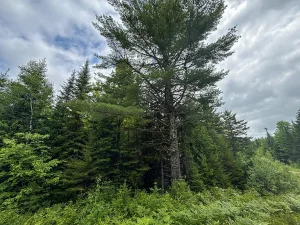
Owning a substantial piece of land in Maine can provide something that is becoming increasingly difficult to find: space, privacy, natural beauty, and the freedom to create a lifestyle around the outdoors. For buyers searching for recreational acreage, hunting land, a future homestead, or simply a private place to escape the noise of everyday life, this 84-acre parcel in Springfield, Maine, presents an opportunity worth exploring.
Offered at $79,900 following a recent $10,000 price reduction, the property provides approximately 84 acres of surveyed timberland in a quiet rural setting. With expansive forests, abundant wildlife, interior roads, scenic terrain, a small brook, beaver ponds, and approximately 1,000 feet of owned waterfrontage along an unnamed beaver pond, the land offers many of the characteristics that outdoor buyers look for in northern New England.
This is not a conventional residential property with a finished house. Instead, it is a blank canvas for someone who values land and wants to determine how to use it. The property is currently off-grid, with a well needed on site and a septic system needed for future development. That means buyers should approach the property as a land investment and carefully investigate zoning, permitting, access, utilities, and any restrictions before planning construction.
The location in eastern Penobscot County places the property in an area known for forests, wildlife, lakes, streams, and outdoor recreation. Springfield itself is a small rural community with a population of approximately 300 people and a long local history, including the Springfield Fair, a community tradition that has continued for more than 175 years.
For someone who dreams of owning a large wooded property without paying the price associated with more developed coastal or waterfront real estate, this parcel offers an intriguing alternative.
More Than 84 Acres to Explore
The size of this property is perhaps its most important feature.
At approximately 84 acres, the parcel offers enough land to create a genuine sense of privacy. This is very different from purchasing a typical residential lot where neighbors may be only a short distance away.
Large acreage can provide opportunities for recreation, wildlife observation, hunting, camping, forestry, hiking, ATV riding, and potentially future residential development, subject to local regulations and approvals.
For buyers who have spent years searching for a property where they can enjoy the outdoors without constantly encountering other people, 84 acres can provide an entirely different experience.
The land is described as rural, rolling, and wooded. Its terrain varies in elevation from approximately 600 to 720 feet above sea level, giving the property a varied landscape rather than a completely flat surface.
That variation can create different environments across the acreage, including higher upland forest and lower drainage areas.
The result is a property with character and natural diversity.
A Surveyed Property With Defined Boundaries
One of the practical advantages of this parcel is the availability of a 2020 survey.
For a large land purchase, clearly defined boundaries are extremely important. The survey provides mapped roads, corner markers, and property boundaries, helping buyers better understand exactly what they are purchasing.
A survey does not replace professional due diligence, but it can be a valuable resource when evaluating an acreage property.
For buyers considering future improvements, recreational trails, forestry management, or other land uses, understanding parcel boundaries is essential.
The fact that the property is being sold as two? No—the listing describes this particular parcel as approximately 84 acres, and buyers should rely on the recorded legal description and survey for the final parcel configuration and boundaries.
Professional review of the deed, survey, title, easements, road rights, and access arrangements is recommended before purchase.
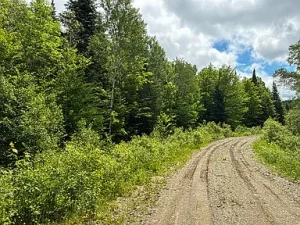
Approximately 4,000 Feet of Interior Roads
Another unusual feature of this property is its interior road system.
The land includes approximately 4,000 feet of interior roads, creating access to substantial portions of the acreage.
For a large wooded parcel, interior access can make an enormous difference.
Without established roads or trails, navigating dozens of acres can be difficult. Existing roads can make it easier to reach different sections of the property for recreation, forestry, maintenance, hunting, camping, or future planning.
The listing indicates that these roads can be accessed by vehicle, ATV, or side-by-side, although buyers should independently confirm current road conditions and year-round accessibility.
For outdoor enthusiasts, the existing road network may itself become part of the recreational experience.
An ATV ride through the woods, a quiet drive to a remote portion of the property, or a hike along the interior roads can provide hours of outdoor enjoyment.
Multiple Potential Building Sites
Although there is no residence currently built on the property, the land reportedly contains multiple potential building sites.
Several possible sites are located along the existing road system, while another is situated near the end of the road where a camper is currently located.
This flexibility can be valuable for buyers who envision eventually creating a private home, cabin, camp, or seasonal retreat.
However, potential building sites should not be interpreted as guaranteed building approval. Buyers should verify all zoning and shoreland requirements, setback requirements, driveway permits, septic suitability, well feasibility, wetlands considerations, building codes, and other applicable regulations before assuming that a particular location can be developed.
The presence of multiple areas that appear suitable for development nevertheless gives buyers different possibilities to investigate.
Someone might prefer a site closer to the existing road for convenience, while another buyer might prioritize a more secluded location deeper into the property.
A Natural Water Feature
Water is one of the features that can significantly increase the appeal of recreational land, and this property includes several natural water elements.
A small brook and a series of beaver ponds form the headwaters of Bog Brook.
These water features contribute to the landscape while also providing habitat for wildlife.
The property listing also identifies an unnamed beaver pond and approximately 1,000 feet of owned waterfrontage.
For nature lovers, having water on the property can transform the experience of owning land. Water attracts wildlife, changes the appearance of the landscape, and creates additional opportunities for observation and photography.
The ponds and brook can also contribute to the property’s overall ecological diversity.
Because wetlands and shoreland areas can be subject to specific regulations, buyers should carefully investigate the applicable requirements before planning any construction or alterations near the water.
Wildlife Habitat Throughout the Property
Abundant wildlife is another major attraction.
Large wooded properties in northern Maine can provide habitat for a wide range of species. The combination of mature forest, drainage areas, water features, and beaver ponds creates an environment where wildlife can move, feed, shelter, and reproduce.
For hunters, this can make the property especially interesting.
For non-hunters, wildlife can still be one of the greatest pleasures of rural land ownership. Watching birds, deer, small mammals, and other wildlife can become part of everyday life.
A large private property also gives owners more opportunities to observe wildlife without having to travel to a public park or recreation area.
Those interested in hunting should verify all applicable Maine hunting laws, seasons, licensing requirements, land-use rules, and any local restrictions before participating in hunting activities.
Hunting and Recreational Potential
The property’s combination of forest, water, wildlife habitat, and interior roads gives it strong recreational appeal.
Hunting is one obvious potential use, but it is far from the only one.
The land could also support hiking, nature walks, photography, wildlife observation, camping, ATV riding, snow activities, and other outdoor pursuits, subject to applicable laws and regulations.
For a buyer who enjoys spending weekends outside, owning 84 acres can provide an ongoing source of recreation.
Instead of planning every weekend around finding somewhere to go, the property itself can become the destination.
Morning walks through the woods, afternoon ATV rides, seasonal hunting trips, or evenings around a future campsite can all become part of a personal routine.
A Potential Homestead Opportunity
For people interested in homesteading, the property offers another interesting possibility.
Homesteading can mean different things to different buyers. For some, it means establishing a full-time residence with gardens and fruit trees. For others, it may involve a seasonal cabin, small-scale food production, forestry, or simply creating a self-sufficient retreat.
With 84 acres, the property provides enough land to investigate several different approaches.
The terrain and soils vary throughout the property, which means buyers interested in gardening, agriculture, or land management should conduct appropriate soil testing and site evaluations.
The listing identifies Thorndike silt loams on higher ground, with Monarda and Burnham soils appearing near drainage corridors and wetland areas.
Soil information can help buyers understand the property’s natural characteristics, but professional evaluation is recommended before making agricultural or building decisions.
Understanding the Off-Grid Setup
The property is currently listed as off-grid.
For some buyers, that may initially sound like a disadvantage. For others, it is precisely what makes the land attractive.
An off-grid property allows a future owner to think about energy and infrastructure according to personal priorities.
Potential systems might include solar power, battery storage, generator backup, or other approved energy solutions. However, any proposed system should be designed and installed according to applicable codes and local requirements.
The listing indicates that a well is needed on site and a septic system is needed.
These are important considerations for anyone planning to build.
Before purchasing, buyers should investigate well depth expectations, groundwater availability, septic feasibility, soil conditions, required permits, installation costs, and any shoreland or wetland restrictions.
The absence of existing utility infrastructure means the purchase price should not be viewed as the complete cost of creating a finished homesite.
The Possibility of a Private Cabin
One of the most appealing visions for this property is the creation of a private Maine cabin.
Imagine a modest retreat tucked among the trees, surrounded by more than 80 acres of forest and connected by an established interior road system.
A future cabin could potentially become a weekend escape from city life, a seasonal hunting camp, or a longer-term residence, depending on what local regulations permit.
The existing camper near the end of the interior road also suggests that this area has already been used as a destination within the property.
Any future cabin or other structure would require careful review of zoning, permitting, access, septic, water, and building requirements.
Nevertheless, the acreage provides the space needed to explore such a vision.
Proximity to the West Grand Lake Chain
Outdoor recreation becomes even more attractive because the property is located only a few miles from the West Grand Lake Chain.
The lake system is known for fishing and boating, giving property owners access to recreational opportunities beyond their own land.
This creates a valuable combination.
The property itself provides forest, wildlife, trails, water features, and privacy, while nearby lakes provide opportunities for boating and fishing.
For someone who enjoys multiple types of outdoor recreation, that combination can make the location especially appealing.
Fishing enthusiasts may appreciate the nearby water access, while boaters can explore the surrounding lake environment.
As always, buyers should independently confirm exact distances, access points, launch facilities, regulations, and seasonal conditions.
A Rural Community With Deep Local History
Springfield is a small community in eastern Penobscot County.
With approximately 300 residents, it offers the kind of rural environment that appeals to buyers seeking quiet surroundings and a slower pace.
The community’s history is also reflected in the Springfield Fair, which has been a local tradition for more than 175 years.
For buyers interested in rural Maine culture, this kind of community history adds character to the location.
The property is not located in a dense resort development. Instead, it sits within a landscape where forests and outdoor recreation are central parts of the environment.
That rural identity may be one of the property’s biggest attractions.
Distance From Larger Communities
Although the property is rural, it is not completely disconnected from larger population centers.
The listing indicates that Springfield is approximately 23 miles from Lincoln and around 72 miles from Bangor.
Fredericton, New Brunswick, is approximately 96 miles away, while Boston is listed as being less than five hours away.
For a property designed around privacy and recreation, these distances provide context.
Buyers can enjoy a secluded environment while still having access to larger towns and cities when needed.
The actual travel time will vary depending on road conditions, weather, traffic, and the chosen route, particularly during Maine winters.
The Value of Timberland
The parcel is described as surveyed timberland, which adds another dimension to its potential long-term value.
Forested acreage can be viewed not only as recreational property but also as a natural resource.
Buyers interested in forestry should obtain professional advice regarding tree species, forest maturity, current timber value, management plans, harvesting regulations, and long-term stewardship.
A timber property should not be treated simply as a guaranteed source of future income. Forestry markets, harvesting costs, access, environmental considerations, and management decisions can all affect financial outcomes.
However, for someone interested in owning forestland as part of a broader land strategy, this property’s substantial wooded acreage may be worth investigating.
Privacy Without Paying Waterfront Prices
The listing description highlights an interesting comparison: 84 acres for less than the price of many one-acre waterfront lots.
That does not mean the properties are directly comparable, but it illustrates the scale of land being offered.
Instead of paying primarily for a small waterfront homesite, a buyer here is acquiring a much larger tract of forest with its own water features and nearby access to the West Grand Lake Chain.
For someone who values privacy and land more than a traditional lakefront house, that distinction could be significant.
The property also has its own scenic and recreational qualities, including beaver ponds, wooded views, rolling terrain, and abundant wildlife.
Outdoor Living in Every Season
Maine’s changing seasons can make a large recreational property enjoyable throughout the year.
Spring brings melting snow, flowing water, budding trees, and renewed wildlife activity.
Summer provides ideal conditions for hiking, camping, ATV riding, fishing, and boating.
Autumn transforms the forest with changing foliage and creates an especially scenic environment for outdoor recreation.
Winter offers an entirely different landscape, with opportunities for snow-based activities depending on conditions and applicable access rules.
For someone who loves seasonal change, owning forestland can provide a continuously evolving environment.
A Long-Term Land Investment
Large parcels can have a different appeal from conventional residential real estate.
A house can provide shelter and comfort, but acreage can provide flexibility.
The owner of this property may be able to enjoy the land recreationally while also considering long-term plans for a cabin, homestead, forestry management, or other permitted uses.
The key is patience and proper planning.
Land buyers should understand that undeveloped acreage often requires more research than a finished house. Access, utilities, permits, environmental conditions, zoning, and development costs can all influence the property’s ultimate value.
For buyers who are comfortable doing that research, however, undeveloped land can provide an opportunity to create something specifically suited to their goals.
What Buyers Should Investigate Before Purchasing
Because this is an undeveloped rural parcel, due diligence is especially important.
Prospective buyers should consider investigating:
- Current zoning and permitted uses
- Shoreland zoning requirements
- Wetland locations and restrictions
- Septic feasibility
- Well feasibility and expected installation costs
- Electrical options for off-grid development
- Road access and maintenance responsibilities
- Easements and rights-of-way
- Property boundaries and survey
- Timber value and forest management
- Water frontage and ownership
- Beaver pond and brook conditions
- Building setbacks
- Driveway and culvert requirements
- Property insurance considerations
- Hunting and recreational regulations
- Current property taxes
- Any deed restrictions or covenants
The listing identifies shoreland zoning, making it especially important to understand which portions of the property may be affected by shoreland regulations.
Buyers should consult appropriate local officials and qualified professionals before making development assumptions.
Current Price and Market Opportunity
The property is currently offered at $79,900 after a $10,000 price reduction.
For buyers specifically searching for large acreage in Maine, the price point is likely to be one of the property’s most noticeable characteristics.
At approximately 84 acres, the asking price works out to less than $1,000 per acre before accounting for differences in terrain, water features, access, timber value, development potential, and other property-specific factors.
That calculation should not be interpreted as an appraisal, but it does help illustrate the scale of land being offered.
Buyers should compare the property with other Maine acreage based on location, access, road infrastructure, water frontage, zoning, timber characteristics, and development feasibility.
Who Might Be Interested in This Property?
This land could appeal to several different types of buyers.
Outdoor enthusiasts may appreciate the acreage, forest roads, wildlife, ponds, and nearby lake recreation.
Hunters may be attracted to the property’s wildlife habitat and secluded environment, subject to Maine hunting regulations.
Homesteaders may see potential for creating a private rural base, provided water, septic, zoning, and construction requirements can be satisfied.
Cabin buyers may envision building a seasonal retreat surrounded by trees.
Land investors may be interested in owning a large tract of rural Maine timberland for long-term purposes.
ATV enthusiasts may value the approximately 4,000 feet of interior roads.
Nature lovers may simply appreciate having 84 acres of forest and water features to explore.
The property’s flexibility is one of its strongest characteristics.
Final Thoughts on This Maine Acreage Opportunity
This 84-acre property in Springfield, Maine, is an opportunity for buyers who value land, privacy, outdoor recreation, and long-term possibilities.
At $79,900 after a $10,000 price reduction, the parcel offers substantial acreage at a price that may attract buyers who have been searching for affordable large-scale land in northern New England.
The property includes approximately 84 acres of surveyed timberland, around 4,000 feet of interior roads, multiple potential building sites, rolling wooded terrain, a small brook, beaver ponds, wildlife habitat, scenic surroundings, and approximately 1,000 feet of owned waterfrontage associated with an unnamed beaver pond.
Its proximity to the West Grand Lake Chain adds another major recreational advantage, particularly for people interested in fishing and boating.
The property is currently off-grid, meaning future owners will need to investigate water, septic, electricity, and development requirements. This also means that buyers should carefully consider the full cost of creating any future homesite or cabin rather than focusing only on the purchase price.
For the right buyer, however, that undeveloped character may be part of the appeal.
There is no finished home dictating how the property must be used. Instead, the acreage provides a blank canvas where a future owner can potentially build a private cabin, create a recreational retreat, establish a homestead, enjoy hunting and outdoor activities, or simply hold a large piece of Maine woodland as a long-term land asset.
The combination of forest, wildlife, water features, interior access roads, potential building areas, and nearby lake recreation makes this property particularly interesting for people who want their real estate to be an experience rather than simply a structure.
As with any undeveloped land purchase, prospective buyers should independently verify all property boundaries, access rights, zoning regulations, shoreland requirements, wetlands, building possibilities, septic suitability, well feasibility, utility options, timber information, taxes, and other details through qualified professionals and local authorities before making a purchase decision.
For someone searching for a private corner of Maine where outdoor recreation and future possibilities take center stage, this 84-acre Springfield property offers plenty of room to imagine what could come next.
Listed on Zillow.