66.48 Acres
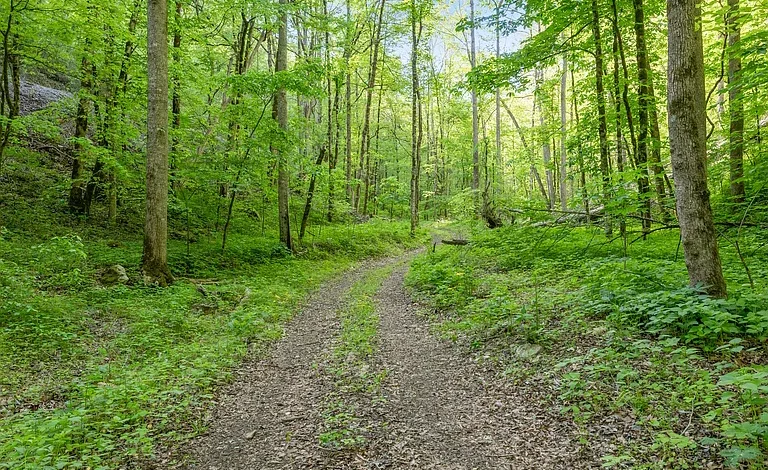
66.48 Acres of Unrestricted Tennessee Land Near Norris Lake and Powell River
A Large Tennessee Acreage Opportunity With Mountain Views and Recreation Potential
Large parcels of unrestricted land are increasingly attractive to buyers who want privacy, outdoor recreation, a future homesite, or the freedom to create something beyond a conventional residential property. In Claiborne County, Tennessee, this expansive 66.48-acre tract offers a combination of wooded landscape, natural springs, wildlife, potential building sites, mountain and country views, and convenient access to the recreational opportunities surrounding Norris Lake and the Powell River.
The property is currently offered at $250,000 following a substantial $49,000 price reduction. With approximately 66.48 acres, the asking price works out to roughly $3,761 per acre, although buyers should evaluate the land based on topography, access, usable acreage, utilities, water features, development possibilities, and other site-specific characteristics rather than relying solely on a per-acre calculation.
This is an unimproved land property with no bedrooms or bathrooms and no existing residence. Instead, its appeal lies in the land itself and the range of possibilities it may offer. The listing describes the acreage as unrestricted and suitable for a private residence, hunting property, recreational tract, cabins, or potentially a vacation campground or resort concept. Any such future use would need to be independently verified for zoning, permitting, environmental requirements, access, septic feasibility, utility availability, and applicable local regulations.
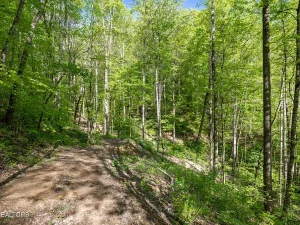
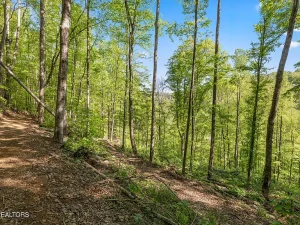
The property contains wooded areas, multiple natural springs, varied wildlife, several potential building locations, and elevated areas with views. Seller-created trails provide access and opportunities to explore portions of the tract, although the listing recommends UTV and hiking access because some sections are steep.
Its proximity to Norris Lake and the Powell River adds another important dimension. Buyers interested in fishing, boating, kayaking, swimming, hunting, hiking, camping, or outdoor tourism may find the location particularly interesting.
For someone looking for a large piece of Tennessee land with recreational potential and room for future plans, this property presents an opportunity that deserves a closer examination.
What Makes 66.48 Acres Significant?
Owning more than 66 acres provides a fundamentally different experience from owning a standard residential lot.
Instead of having a small yard surrounding a house, an owner of this property could potentially have extensive wooded land, trails, natural features, wildlife habitat, and multiple areas to explore.
Large acreage can serve many purposes. Some buyers want land for recreation and privacy. Others are interested in building a home and preserving the surrounding woods. Some may be looking for hunting property, while others may envision a small cabin retreat or a larger hospitality-oriented project.
The important consideration is that the property’s future possibilities depend on actual site conditions and applicable regulations.
The listing identifies the land as unrestricted and does not provide a zoning description. Buyers should still confirm the exact legal status of the property with Claiborne County and other relevant authorities.
Unrestricted land can offer flexibility, but it does not necessarily mean every conceivable use is automatically permitted.
A Major Price Reduction
The property is currently listed at $250,000 after a $49,000 price reduction on June 14, 2026.
A reduction of this size can draw attention from buyers who have been monitoring the market for larger acreage.
For land investors, the purchase price is only the beginning of the financial analysis. Buyers should calculate not only the cost of acquiring the property but also the potential expenses associated with access roads, clearing, utilities, well or water connections, septic systems, surveying, engineering, construction, property maintenance, insurance, taxes, and any future development.
At approximately 66.48 acres, the property represents a substantial landholding. However, because the terrain is described as steep in some areas, buyers should determine how much of the acreage is practically usable for their intended purpose.
A professional land evaluation can provide a more accurate picture of the property’s development and recreational potential.
Wooded Landscape and Natural Privacy
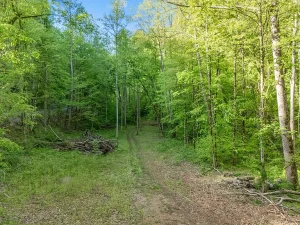
The wooded character of the property is one of its defining features.
For buyers seeking privacy, mature trees and natural vegetation can create a buffer from surrounding properties and roads.
Wooded land can also provide wildlife habitat and seasonal beauty. Throughout the year, the appearance of the property can change dramatically as vegetation responds to different weather conditions.
Trees can provide shade during warmer months and contribute to the property’s overall visual appeal.
At the same time, wooded acreage requires thoughtful management. Buyers should understand whether any timber resources exist, whether timber harvesting has occurred, and whether there are restrictions or easements affecting the land.
Anyone considering forestry or timber management should consult a qualified professional before making decisions about cutting or harvesting trees.
Multiple Natural Springs
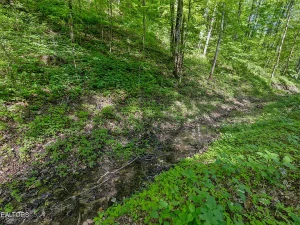
One of the more distinctive features described in the listing is the presence of multiple natural springs.
Natural springs can add both scenic and practical interest to rural land. They may create attractive areas for exploring, wildlife observation, or simply enjoying the natural environment.
However, buyers should not automatically assume that spring water is suitable for drinking or domestic use.
Water quality should be professionally tested, and any plan to use spring water as a household source would require careful evaluation and potentially additional infrastructure.
The springs can nevertheless contribute significantly to the property’s natural character.
Combined with the wooded landscape and creek feature identified in the property information, they help create a setting with multiple water-related elements.
Creek and Water Features
The property is identified as having creek frontage or a creek feature.
Water can increase the recreational appeal of rural acreage by providing opportunities for wildlife viewing, exploration, photography, and outdoor enjoyment.
Creeks can also influence land management and construction plans. Floodplain boundaries, drainage, erosion, wetlands, and environmental considerations should be evaluated before building near any water feature.
A professional survey and appropriate environmental review can help buyers understand exactly where water features are located and how they may affect future development.
For recreational owners, however, simply having natural water features on a large wooded property can make the land feel more diverse and interesting.
Varied Wildlife
The listing highlights varied wildlife on the property.
Large wooded tracts can provide habitat for many species, particularly where natural vegetation, water sources, and relatively undisturbed areas are present.
For outdoor enthusiasts, wildlife can be an important part of the ownership experience.
A buyer interested in hunting should research applicable Tennessee hunting regulations, seasons, licensing requirements, property access rules, and any other legal requirements.
The property’s wildlife should be considered a natural resource rather than guaranteed hunting productivity. Prospective buyers should visit the property, examine signs of wildlife activity, and consult local professionals if hunting is a major reason for the purchase.
Potential Hunting Property
The size and wooded nature of the acreage may appeal to hunting enthusiasts.
A 66.48-acre property can provide substantially more private outdoor space than a small residential parcel.
Trails can potentially assist with access and exploration, while wooded areas may provide natural habitat.
However, hunting suitability depends on numerous factors, including wildlife populations, neighboring properties, terrain, access, hunting pressure, habitat quality, and local regulations.
Buyers should independently evaluate the land rather than assuming that the listing’s recreational descriptions guarantee a particular hunting experience.
Trails for Exploration
The seller has cut trails through portions of the property for access and viewing.
These trails can be useful for exploring the acreage and understanding the terrain before purchase.
The listing specifically recommends UTV and hiking, which indicates that buyers should be prepared for rural and potentially challenging terrain.
Walking the property is an important part of land due diligence. Aerial maps can show general topography, but they cannot replace an on-site examination.
Buyers should evaluate steep slopes, drainage channels, rocky areas, wooded sections, potential building sites, and access routes.
They should also verify that trails remain within the property’s boundaries.
Steep Terrain and Building Considerations
One of the most important characteristics of this property is its varied topography.
The listing states that the land is steep in some areas and identifies the lot as a rolling slope, wooded, irregular parcel that is steep and partially cleared.
This combination creates both opportunities and limitations.
Elevated areas may offer attractive views, while slopes can make certain locations less suitable for construction.
Before selecting a building site, buyers should evaluate soil stability, drainage, slope percentage, road access, foundation requirements, utility routes, and septic feasibility.
A site that looks attractive from a scenic standpoint may require significant engineering or excavation to become practical for construction.
Professional land and soil evaluations are therefore highly recommended.
Potential Building Sites With Elevated Views
The listing describes several potential building sites with elevated views.
For buyers planning a private residence, this could be one of the property’s most appealing characteristics.
A home positioned appropriately could potentially capture views across surrounding mountains, wooded areas, or the countryside.
However, the existence of a potential building site in a listing description does not guarantee that it is legally or technically buildable.
Buyers should confirm:
- Soil suitability
- Septic feasibility
- Driveway access
- Road frontage
- Utility access
- Building setbacks
- Drainage
- Slope stability
- Floodplain considerations
- Permitting requirements
A qualified builder, engineer, surveyor, or land specialist can help determine whether a particular location is appropriate for construction.
Electricity Is Accessible
Electricity is described as accessible to the property.
This is an important consideration for buyers contemplating future construction.
However, accessible electricity does not necessarily mean that a service connection is already installed at every potential building site.
Prospective buyers should contact the appropriate utility provider to determine the nearest connection point, extension requirements, estimated costs, easements, and expected installation process.
Utility extension expenses can become significant on large rural parcels, especially when the desired homesite is located far from an existing road or service point.
Recent Survey Completed
The listing states that a recent survey has been completed.
A current survey can be extremely valuable when purchasing a large parcel because it can help clarify boundaries, acreage, access, and other property characteristics.
Buyers should review the survey carefully with their agent or attorney and compare it with the property’s title documents.
A survey can also help when evaluating potential homesites, fencing, trails, driveway construction, or future subdivision concepts.
The parcel number listed for the property is 092 034.01.
Unrestricted Land and Future Flexibility
The listing emphasizes that the 66.48 acres are unrestricted.
This may be particularly attractive to buyers who want more flexibility than a traditional subdivision property provides.
Without a homeowners association, buyers may have more freedom to consider different land uses, subject to government regulations and deed restrictions.
Potential buyers should still perform a complete title search and verify whether easements, covenants, rights-of-way, mineral interests, or other recorded restrictions exist.
The listing states that there is no zoning description. This makes direct verification even more important for anyone considering construction, commercial use, subdivision, campground development, or multiple cabins.
Potential Cabin Development
One of the possibilities mentioned in the listing is development of cabins.
The North Tennessee mountain region has characteristics that can appeal to buyers interested in private vacation accommodations.
A larger parcel could potentially support multiple cabins if permitted by local authorities and if the site can support the necessary infrastructure.
But cabin development involves significantly more than constructing buildings.
A developer may need to consider:
- Road construction
- Parking
- Electrical infrastructure
- Water supply
- Septic systems
- Stormwater management
- Fire safety
- Building permits
- Environmental regulations
- Guest access
- Insurance
- Local business requirements
- Waste management
Before purchasing with a cabin-development strategy, buyers should obtain professional feasibility advice.
Potential Vacation Campground or Resort Concept
The listing also mentions the possibility of a vacation campground resort.
The proximity to Norris Lake and the Powell River makes the concept understandable from a tourism perspective.
Water recreation, fishing, boating, hiking, and nearby attractions can create a strong recreational environment.
However, campground or resort development would be substantially more complex than building a private residence.
Such a project could require zoning approvals, environmental studies, engineered roads, water and wastewater systems, commercial permits, fire-safety planning, parking, site grading, and other infrastructure.
A buyer should never assume that a campground or resort is automatically permitted simply because the listing identifies it as a possible use.
A professional feasibility study would be an essential first step.
Norris Lake Recreation
The property is located near Norris Lake, one of the major recreational attractions in the region.
The listing describes Norris Lake as having extensive shoreline and numerous water-based recreation opportunities.
For nearby landowners, access to a major lake can expand the range of activities available during the warmer months.
Boating, fishing, swimming, kayaking, and other water activities can become part of the regional lifestyle.
The property itself is not presented as waterfront land, so buyers should distinguish between being near a lake and owning direct lake frontage.
The exact distance to public access points should be independently confirmed.
Powell River and Outdoor Activities
The Powell River is another important recreational feature near the property.
The listing notes its length and connection with the expanding Powell River Blueway Trail.
Blueway systems can create opportunities for paddling, fishing, and exploring waterways.
The nearby public boat ramp is described as being down the road next to a campground and resort, providing a convenient access point for water recreation.
Buyers should independently confirm current access, launch conditions, fees, parking arrangements, and seasonal availability.
Blue Springs Boat Dock and Flat Hollow
The listing also references nearby Blue Springs Boat Dock and Flat Hollow Marina and Resort.
These facilities can provide additional options for lake recreation.
For a buyer interested in boating, proximity to marinas and public access points can be an important consideration.
Boat storage, launching, fuel availability, rentals, and seasonal services can influence the convenience of owning recreational property in the region.
Exact travel times and current services should be verified before making a purchasing decision.
A Private Outdoor Lifestyle
The property could appeal to someone who wants to create a private outdoor retreat.
At 66.48 acres, there is enough land to provide a strong sense of separation from typical residential development.
A buyer could potentially establish a private homesite, preserve wooded acreage, develop trails, create outdoor gathering spaces, or simply leave much of the property in its natural condition.
The appeal is not necessarily about developing everything.
For some owners, the greatest value may be in having a large piece of land where privacy and nature take priority.
A Possible Homestead
Another potential use is a rural homestead.
A homestead could include a private residence, garden, orchard, recreational areas, and other improvements, depending on soil, water, zoning, and construction feasibility.
The natural springs and wooded acreage may be appealing to buyers interested in a self-sufficient lifestyle.
However, buyers should distinguish between having land and having the infrastructure necessary for self-sufficiency.
A well, septic system, electricity, access roads, storage buildings, fencing, and agricultural improvements may require significant investment.
A realistic development budget should therefore be prepared before purchase.
Investment Potential
Large acreage can attract investors because land may provide multiple possible exit strategies.
An investor might purchase land for long-term holding, recreational use, future development, or a carefully planned hospitality project.
However, land investment carries its own risks.
Unlike an income-producing rental property, unimproved land generally does not generate substantial recurring income unless the owner develops an approved revenue-generating use.
Carrying costs may include property taxes, insurance, maintenance, road upkeep, timber management, and other expenses.
Investors should therefore establish a clear investment thesis before purchasing.
Financial Considerations
The asking price is $250,000, and the property has no HOA according to the listing.
The listing does not provide a Zestimate or price-per-square-foot figure because this is vacant land.
Instead, buyers should consider price per acre as one preliminary metric.
At $250,000 divided by 66.48 acres, the asking price is approximately $3,761 per acre.
But acreage alone does not determine value.
The practical value of land depends on factors such as:
- Accessibility
- Road frontage
- Utilities
- Water
- Septic feasibility
- Topography
- Views
- Timber
- Wildlife
- Development potential
- Restrictions
- Nearby recreation
- Market demand
A land appraiser or experienced local land agent can provide more meaningful valuation guidance.
Financing Vacant Land
Financing vacant land can be different from financing a conventional house.
The listing indicates cash and conventional terms, but buyers should speak with lenders about the specific property and intended use.
Land loans can have different down-payment requirements, interest rates, loan terms, and underwriting standards compared with residential mortgages.
A buyer planning future construction should also investigate construction-loan options and determine whether financing can eventually incorporate land and building costs.
Understanding financing before making an offer can prevent surprises later.
Taxes and Carrying Costs
Even when land has no house, property taxes still apply.
The listing does not provide an annual tax amount in the supplied information, so prospective buyers should obtain the current tax bill directly from the appropriate county records.
Taxes can vary depending on assessment status and applicable classifications.
Buyers should also consider insurance and land maintenance costs.
Large wooded properties may require occasional trail maintenance, brush management, access-road work, tree removal, or other upkeep.
Important Due Diligence for Buyers
Purchasing 66.48 acres requires a more extensive investigation than purchasing a standard residential lot.
Before closing, buyers should consider:
- Reviewing the recent survey
- Confirming legal access
- Verifying road frontage
- Reviewing the title
- Checking easements
- Confirming mineral rights
- Evaluating natural springs
- Testing water if intended for use
- Reviewing creek locations
- Evaluating soil
- Conducting a septic feasibility assessment
- Confirming electricity access
- Checking property boundaries
- Reviewing topography
- Evaluating potential building sites
- Confirming local regulations
- Investigating development requirements
- Reviewing floodplain information
- Checking timber and forestry considerations
The listing specifically states that mineral rights convey, and it also notes the presence of a historic mine on approximately two acres of the property. That makes a detailed title and environmental review especially important.
The Historic Bunch Hollow Mine
One unusual feature of the property is a historic mine dating from approximately 1939 to 1944.
The listing states that the historic Bunch Hollow Mine is located on approximately two acres of the property and that mine mapping and documentation are available.
It also states that the mineral rights convey.
The mine could potentially be opened for access or filled in, according to the listing. Buyers should approach this feature carefully.
Old mine workings can present safety, structural, environmental, liability, and insurance considerations.
Any plan to access, preserve, fill, or modify the mine should involve qualified professionals and the appropriate authorities.
Buyers should review all available mine documentation and determine whether the mine creates any restrictions or remediation obligations.
Mineral Rights Matter
The statement that mineral rights convey is an important detail for a land buyer.
Mineral rights can affect the ownership and future use of rural property, particularly when historic mining activity is involved.
Prospective buyers should review the title documents carefully to confirm exactly which mineral rights are included and whether any leases, reservations, production rights, or historical claims exist.
An attorney experienced in real estate and mineral rights can help interpret these documents.
Location and Regional Accessibility
The property is located in the New Tazewell area of Claiborne County.
The listing states that shopping and daily services are approximately 20 minutes away, while Middlesboro is about 45 minutes away.
Knoxville and Morristown are described as approximately one hour away.
These approximate travel times give prospective owners a sense of the property’s relationship to larger service areas.
For full-time residents, buyers should evaluate commute patterns and winter road conditions.
For recreational owners, the relative proximity to shopping can make extended stays more convenient.
Nearby Regional Attractions
Beyond Norris Lake and the Powell River, the property is positioned within reach of several regional destinations.
The listing mentions Cumberland Gap National Historical Park, Chuck Swan State Forest, Big Ridge State Park, and Great Smoky Mountain National Park.
These destinations can add significant recreational variety to the region.
Hiking, wildlife observation, scenic drives, fishing, camping, and other outdoor activities can complement the private acreage.
The exact travel times to each attraction should be confirmed based on the specific route and destination.
Who Is This Property Best Suited For?
This acreage could appeal to several types of buyers.
Outdoor enthusiasts may value the trails, woods, wildlife, springs, creek, and proximity to lake and river recreation.
Hunters may appreciate the size and natural habitat.
Homesteaders may see potential for creating a private rural residence.
Second-home buyers could envision a mountain retreat surrounded by nature.
Land investors may investigate long-term holding or future development possibilities.
Cabin developers may explore whether multiple vacation units could be permitted.
Campground or hospitality entrepreneurs could investigate the larger resort concept mentioned in the listing.
Each buyer type would require a different due diligence process, and the property’s suitability depends heavily on intended use.
Final Thoughts
This 66.48-acre property in Claiborne County, Tennessee, offers a rare opportunity to acquire a substantial amount of land near Norris Lake and the Powell River.
Listed at $250,000 following a $49,000 price reduction, the property combines wooded acreage, natural springs, varied wildlife, a creek, private trails, potential building sites, mountain and country views, and access to electricity.
The land is described as unrestricted and offers no existing residence, making this an opportunity centered around future possibilities rather than immediate move-in living.
The property could potentially serve as a private homesite, hunting retreat, recreational tract, homestead, cabin development site, or larger hospitality project. However, these possibilities should be treated as potential uses rather than guarantees. Local regulations, topography, septic feasibility, utility access, environmental considerations, title restrictions, and infrastructure costs must all be evaluated before proceeding.
The terrain is particularly important. Some portions are steep, and the listing recommends hiking and UTV access. Buyers should personally explore the land and obtain professional advice about which areas are realistically suitable for construction or other improvements.
The historic mine adds another unusual dimension. Because mine workings can involve safety and environmental concerns, the available documentation should be reviewed carefully, and qualified professionals should be consulted before any attempt is made to access, alter, or fill the mine.
For recreational buyers, proximity to Norris Lake and the Powell River is a major attraction. Fishing, kayaking, boating, swimming, hiking, and other outdoor activities can provide a broad range of experiences throughout the year.
For investors, the property’s large size and reported lack of zoning restrictions may make it worth investigating, but successful development would require careful planning and significant capital.
Ultimately, the appeal of this property lies in its scale and flexibility. More than 66 acres provide room for privacy, recreation, nature, and potentially ambitious future plans. In a region where lake access, mountain scenery, and outdoor tourism contribute to the lifestyle, this tract offers a foundation for someone who wants to create a property around those qualities.
For the right buyer, this is not simply vacant land. It is a large piece of Tennessee countryside with natural features, recreational access, and multiple possible directions for future ownership.
Listed on Zillow