Birmingham Bungalow with Renovation Potential and Investment Appeal

A Strategic Opportunity in Birmingham
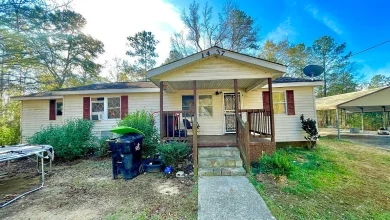
Location can make all the difference when evaluating a real estate investment, and this 1920s bungalow in Birmingham, Alabama, offers an interesting combination of age, location, affordability, and renovation potential. Situated on a manageable 5,400-square-foot lot, the property features approximately 1,026 square feet of interior living space, three bedrooms, and one bathroom.
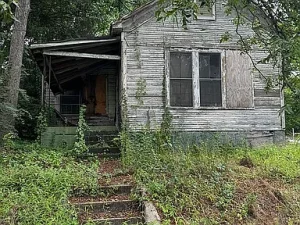
The home is not being presented as a turnkey residence. Instead, it represents a project for an investor, contractor, renovator, or experienced buyer who understands how strategic improvements can transform an older property. With its established neighborhood setting and proximity to major Birmingham destinations, the property provides an opportunity to rethink an existing structure rather than starting from the ground up.
For buyers interested in affordable real estate, renovation projects, rental properties, or value-add opportunities, this type of property can be worth a closer look. The existing home provides a foundation from which a new vision can be developed, while the surrounding location offers convenient access to employment, education, healthcare, entertainment, and transportation.
A 1920s Home with Historic Character
Built in 1920, this bungalow is nearly a century old and carries the architectural character associated with Birmingham’s historic residential neighborhoods. Older homes can offer qualities that are difficult to reproduce in modern construction, including distinctive proportions, mature neighborhood surroundings, and traditional craftsmanship.
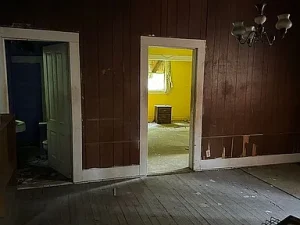
The property includes hardwood flooring, adding an especially appealing feature for renovation-minded buyers. Hardwood floors can often become one of the defining elements of a restored older home, particularly when refinished and incorporated into an updated interior design.
At approximately 1,026 square feet, the home has a relatively compact footprint. That can be advantageous for an investor because a smaller property may offer an opportunity to create an efficient floor plan without the extensive maintenance requirements associated with larger homes.
The existing three-bedroom, one-bath configuration also provides a useful starting point for a future renovation. Depending on applicable building codes, zoning requirements, permits, and professional assessments, a buyer may explore different ways of improving the layout and functionality.
Three Bedrooms and a Practical Layout
The property currently offers three bedrooms and one full bathroom. For a renovation project, the bedroom count is an important consideration because three-bedroom homes can appeal to a broad segment of the residential market.
A future renovation could focus on making each room more functional, improving natural light, updating finishes, and creating better connections between living spaces. The exact possibilities would need to be determined by the buyer and qualified professionals after inspecting the property.
Because the home requires work, prospective buyers should approach the floor plan with both creativity and practicality. Rather than viewing the existing condition as a limitation, experienced renovators may see an opportunity to reconsider how the approximately 1,026 square feet can be used.
Potential improvements could include modernizing the kitchen, updating the bathroom, improving bedroom finishes, restoring the hardwood floors, upgrading electrical and plumbing systems where necessary, and creating a more cohesive interior design.
All renovation work should be evaluated carefully and completed in accordance with local regulations and applicable permitting requirements.
Hardwood Flooring Adds Renovation Potential
One of the property’s notable interior characteristics is its hardwood flooring. Original or existing wood floors can add warmth and visual appeal to an older house, particularly after professional restoration.
For a buyer planning a renovation, flooring can become part of the home’s overall design strategy. A restored wood floor can complement modern lighting, updated walls, contemporary fixtures, and carefully selected cabinetry while preserving some of the property’s historical character.
Instead of completely replacing every element of an older home, renovation specialists often look for opportunities to preserve worthwhile existing materials. This approach can help create a finished residence that feels both modern and connected to its original architecture.
The hardwood flooring therefore represents more than a simple feature. It may become an important part of the property’s eventual identity after renovation.
A Convenient Birmingham Location
Perhaps the strongest characteristic of this property is its location.
The home is described as being minutes from downtown Birmingham, the University of Alabama at Birmingham, Legion Field, and major highways. That places the property within convenient reach of several important destinations and transportation routes.
For real estate investors, location is one of the fundamental factors considered when evaluating potential demand. Proximity to employment centers, universities, healthcare facilities, entertainment venues, and major transportation corridors can influence how a property is positioned in the market.
Downtown Birmingham provides access to offices, restaurants, cultural attractions, entertainment, and other urban amenities. UAB is another significant destination in the area, making the broader location relevant to employees, students, medical professionals, and visitors.
Legion Field adds another recognizable Birmingham landmark nearby, while highway access can make commuting throughout the metropolitan area more convenient.
For a renovated property, these location advantages could become an important part of its future appeal.
An Investment-Oriented Property
This property is particularly suited to buyers who understand value-add real estate.
The listing specifically presents the home as an opportunity for a savvy investor. That means the property should be evaluated through the lens of renovation costs, comparable properties, potential after-repair value, local rental demand, and the overall investment strategy.
There are several potential strategies an investor might consider, depending on market conditions and applicable regulations.
A buyer could potentially renovate the property for resale, create a long-term rental, explore other permitted residential uses, or hold the property as part of a broader real estate portfolio.
However, none of these outcomes should be assumed. The actual feasibility of a strategy depends on acquisition cost, renovation requirements, financing, local regulations, insurance, taxes, market conditions, and the property’s physical condition.
That makes professional due diligence particularly important.
Understanding the Renovation Opportunity
Older properties can sometimes present opportunities that newer homes do not, but they can also involve greater uncertainty.
A prospective buyer should carefully evaluate the structure, foundation, roof, electrical systems, plumbing, HVAC requirements, windows, doors, insulation, moisture conditions, and other major components before deciding on a renovation budget.
The listing indicates that the property was built in 1920 and currently does not list heating or cooling systems. This is an especially important consideration for anyone planning to occupy, renovate, or rent the property.
A qualified contractor or building professional can help determine the scope of work and provide realistic estimates.
Rather than relying solely on the purchase price, investors should consider the total project cost. This includes acquisition expenses, materials, labor, permits, professional services, financing, insurance, taxes, utility work, landscaping, and an appropriate contingency reserve.
A detailed renovation budget can help distinguish a promising investment from a project where unexpected costs could significantly affect returns.
A Manageable Lot in an Established Area
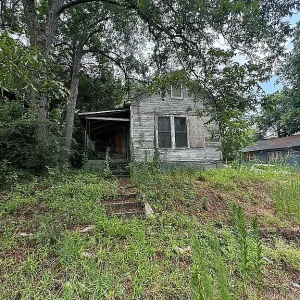
The property sits on approximately 5,400 square feet of land. This is a manageable residential lot that provides enough outdoor space to complement the home without creating the extensive maintenance obligations associated with larger acreage.
For an investor, a smaller urban or near-urban parcel can be attractive because the value proposition is often tied more closely to the residence and its location than to extensive land holdings.
The lot could potentially accommodate improvements such as landscaping, outdoor seating areas, pathways, or other permitted residential enhancements, subject to zoning and local requirements.
A thoughtfully renovated exterior can also dramatically change the first impression of an older bungalow. Improvements to siding, roofing, landscaping, entry areas, lighting, and exterior paint can help create a more cohesive appearance.
Classic Bungalow Appeal
Bungalows remain popular with buyers who appreciate practical layouts, traditional architectural details, and manageable home sizes.
The bungalow form has long been associated with comfortable residential living and neighborhood-oriented architecture. In Birmingham, older homes can also contribute to the character of established communities.
This particular residence offers an opportunity to combine those characteristics with contemporary upgrades.
Imagine a renovated interior featuring restored hardwood floors, updated lighting, a modern kitchen, a refreshed bathroom, efficient mechanical systems, and carefully selected finishes. The result could retain the personality of the original structure while offering the convenience expected by today’s buyers.
That balance between character and modernization is one of the reasons renovation projects can be appealing to experienced investors.
Potential for a Modernized Interior
A future renovation could focus on improving both appearance and functionality.
The kitchen could become a major focal point, with updated cabinets, countertops, appliances, lighting, and storage. The bathroom could be redesigned with contemporary fixtures and durable materials.
The three bedrooms could be refreshed with new finishes while preserving useful original details where appropriate.
Living areas could be designed around modern lifestyles, incorporating comfortable seating, efficient lighting, and flexible spaces for work or relaxation.
Again, these are potential renovation concepts rather than guaranteed features. Buyers should determine what improvements are physically possible and economically practical after completing their own inspection and professional assessment.
Why Location Matters to Investors
Real estate investors often evaluate several major factors before purchasing a property, including acquisition price, renovation cost, neighborhood characteristics, comparable sales, rental demand, taxes, insurance, and long-term market potential.
Location can influence many of these factors.
Being close to downtown Birmingham means the property is positioned within a larger urban environment rather than an isolated rural market. Access to major highways can further increase connectivity.
Nearby universities and medical institutions can contribute to housing demand, while established neighborhoods can provide a different investment profile from newly developed areas.
For investors, the ability to purchase an older property in a strategically located area and improve it may create an opportunity for value creation.
The key is careful analysis rather than assumptions.
Important Transaction Considerations
The listing includes specific transaction requirements that serious buyers should understand before pursuing the property.
The seller is seeking serious buyers and indicates that there will be no extended due diligence or inspection periods. The stated expectation is for the transaction to close within approximately 10 to 14 days after contract.
A minimum of $500 in earnest money is required to go under contract.
The title is reportedly already clear and is being handled through Parmer Law in Birmingham. Buyers should independently verify all transaction details, title information, closing requirements, and contractual obligations with the appropriate professionals.
Because the requested timeline is relatively short, buyers should have their financing, funds, inspections, and professional advisors organized before making an offer.
Cash buyers and experienced investors may find this type of transaction structure more straightforward, but every purchaser should carefully review the contract before proceeding.
Due Diligence Is Essential
A property built in 1920 deserves careful inspection.
Potential buyers should consider having qualified professionals evaluate the structural components, roofing, electrical systems, plumbing, foundation, moisture conditions, and other major systems.
Because the property currently does not list heating or cooling systems, buyers should also investigate what improvements would be necessary to make the residence comfortable and compliant with applicable requirements.
Local zoning, permitting, renovation restrictions, utility requirements, insurance availability, and property records should also be reviewed.
The purpose of due diligence is not simply to identify problems. It is to understand the project accurately enough to make an informed investment decision.
For contractors and experienced investors, detailed inspections can help establish realistic renovation budgets and timelines.
Potential Rental Property Strategy
After renovation, a property in a convenient Birmingham location could potentially appeal to long-term renters, depending on neighborhood demand and local rental-market conditions.
Three bedrooms and one bathroom can provide a practical configuration for a variety of households.
An investor considering a rental strategy should research comparable rental properties in the immediate area rather than relying on broader citywide averages. Factors such as neighborhood quality, parking, interior finishes, utility costs, property management expenses, insurance, taxes, and maintenance should all be considered.
A well-executed renovation could potentially improve the property’s competitiveness, but investors should calculate expected rental income conservatively.
Potential Resale Strategy
Another possible approach would be to renovate the property and resell it.
This strategy requires careful analysis of comparable sales and the price ceiling for renovated homes in the surrounding neighborhood.
The investor would need to estimate acquisition costs, renovation expenses, holding costs, closing costs, financing expenses, selling costs, and a contingency reserve.
The goal should be to determine whether the projected finished value provides enough margin to justify the renovation risk.
The property’s location near downtown Birmingham and other major destinations may be an important consideration in that analysis.
A Project for the Right Buyer
This is not a property for someone looking for a move-in-ready home with modern mechanical systems and finished interiors.
Instead, it is better suited to someone who sees potential in an older structure and has the resources, knowledge, and patience required to complete a renovation.
Contractors, investors, experienced homeowners, and developers may each approach the opportunity differently.
One buyer might focus on restoring the bungalow’s original character. Another might create a contemporary interior. An investor could concentrate on maximizing resale value or rental appeal.
The flexibility is part of what makes renovation properties interesting.
Birmingham’s Broader Appeal
Birmingham is one of Alabama’s most recognized cities and serves as an important center for healthcare, education, business, culture, and entertainment.
Downtown Birmingham offers a mix of historic architecture, restaurants, offices, entertainment, and cultural destinations. UAB is a major institution within the city and contributes to the area’s employment and educational ecosystem.
The region also benefits from an extensive transportation network, allowing residents to connect with surrounding communities and metropolitan destinations.
For a real estate investor, these characteristics can provide a broader context when considering the potential of a centrally positioned renovation property.
Property Facts at a Glance
- Property type: Single-family residence
- Architectural character: 1920s bungalow
- Bedrooms: 3
- Bathrooms: 1
- Interior living area: Approximately 1,026 square feet
- Lot size: Approximately 5,400 square feet
- Year built: 1920
- Flooring: Hardwood
- Foundation: Wood
- Roof: Asphalt
- Exterior materials: Metal
- Heating: None listed
- Cooling: None listed
- HOA: None indicated
- Annual property tax: Approximately $309
- Tax assessed value: Approximately $21,300
- Location: Birmingham, Alabama
- Potential use: Renovation, resale, rental, or owner-occupied project, subject to feasibility and local requirements
A Chance to Create Something New from Something Old
The most compelling aspect of this Birmingham bungalow may be its potential.
The property does not require a buyer to accept a finished design created for someone else. Instead, it offers a blank canvas within an established residential setting.
For someone with renovation experience, that can be exciting.
The hardwood floors, classic bungalow structure, three-bedroom layout, and convenient location provide several elements from which a new vision could be developed.
A thoughtful renovation could preserve the home’s historic character while introducing modern functionality. The finished product could feel entirely different from the current property while still maintaining a connection to its 1920s origins.
Final Thoughts
This Birmingham bungalow presents a value-oriented real estate opportunity for buyers willing to take on a renovation project. With approximately 1,026 square feet, three bedrooms, one bathroom, hardwood flooring, and a 5,400-square-foot lot, the property provides a manageable starting point for an experienced investor or renovator.
Its proximity to downtown Birmingham, UAB, Legion Field, and major highways adds an important location advantage. For buyers evaluating affordable real estate investment opportunities, the combination of an older home and a strategically positioned neighborhood may warrant further investigation.
The property should be approached as a project rather than a move-in-ready residence. Buyers should complete appropriate inspections, verify property information, evaluate renovation requirements, research comparable properties, and consult qualified professionals before committing to a purchase.
For the right buyer, however, this could be much more than an old bungalow. It could become a renovated residence, an investment property, a rental opportunity, or a carefully restored piece of Birmingham housing history.
The opportunity is ultimately about seeing beyond the current condition and understanding what the property could become with the right plan, budget, and execution.
Listed on Zillow.