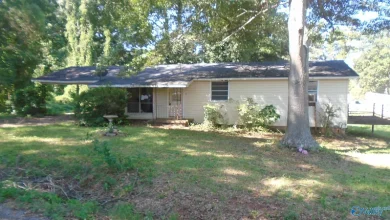
4.25 Acres
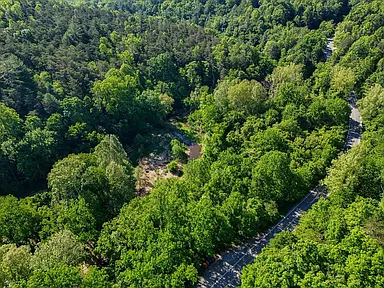
4.25 Acres of Mountain Land in South Roanoke County, Virginia
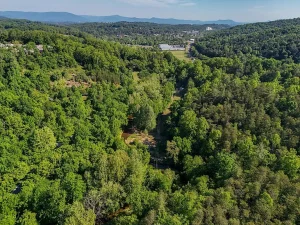
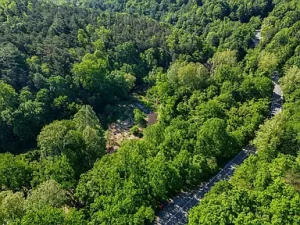
Finding affordable acreage in a scenic part of Virginia can be an appealing opportunity for buyers who value privacy, nature, recreation, and long-term land ownership. Located in the Boones Mill area of South Roanoke County, this approximately 4.25-acre parcel offers a peaceful natural setting with mountain views and plenty of open potential for recreational use or investment.
Unlike a traditional residential property, this parcel is undeveloped land with no existing home, no bathrooms, and no currently available electric, sewer, or water services. That means buyers should approach the property as a land opportunity rather than a move-in-ready homesite. Its strongest characteristics are the acreage, natural surroundings, mountain scenery, lack of HOA, and relatively low annual property taxes.
The property is also located in a flood plain, which is an important consideration for any prospective buyer. Flood plain status can affect how the land may be used, what structures may be permitted, insurance requirements, and the feasibility of future improvements. Buyers should conduct appropriate due diligence with local authorities and qualified professionals before purchasing.
For someone searching for recreational acreage, a piece of land for long-term ownership, or an investment property in the Roanoke County region, this 4.25-acre tract offers an opportunity worth investigating.
A Peaceful 4.25-Acre Property
The parcel consists of approximately 4.25 acres of land.
Four acres or more can provide considerably more space than a typical residential lot. Instead of being surrounded by neighboring homes on small parcels, a property of this size can offer a stronger sense of privacy and connection to the surrounding landscape.
The lot is described as having varied features, suggesting that the terrain and natural characteristics may differ throughout the parcel. Mountain views are also listed as one of the property’s features.
For buyers who enjoy the outdoors, the combination of acreage and mountain scenery can be an attractive feature.
The land may provide opportunities for activities such as nature observation, hiking, photography, exploring, or other forms of permitted recreational use. However, buyers should verify exactly which activities and improvements are allowed because the property’s location in a flood plain may place additional limitations on development and use.
Mountain Views in South Roanoke County
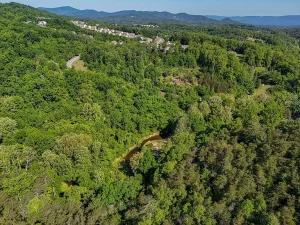
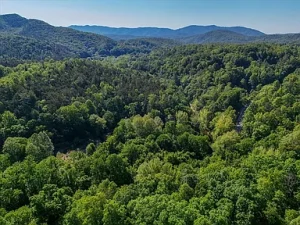
One of the most appealing characteristics of this property is its mountain view.
South Roanoke County is known for its scenic landscape, rolling terrain, wooded areas, and proximity to the Blue Ridge region. Owning acreage in a setting with mountain scenery can provide a different experience from purchasing land in a densely developed area.
Mountain views can also contribute to the recreational appeal of a property. For someone who enjoys spending time outdoors, natural scenery can be a major reason for purchasing land.
The view may change throughout the year as vegetation changes with the seasons. Spring and summer can bring lush greenery, while autumn can introduce colorful foliage across the surrounding landscape. Winter may provide more open sightlines depending on the location and vegetation.
Because views can depend on vegetation, neighboring properties, and local conditions, buyers should personally inspect the parcel and determine exactly what portions of the surrounding landscape can be seen from the property.
Recreational Land Opportunity
The listing describes this property as offering a great opportunity for recreational use or investment.
That makes it potentially interesting to buyers who are not necessarily looking for a conventional residential property.
Recreational land can serve many purposes depending on local rules and property characteristics. Some owners enjoy having private acreage where they can spend weekends, explore nature, or simply have a place away from a busy urban environment.
Potential recreational uses may include:
- Nature observation
- Hiking or walking
- Outdoor photography
- Seasonal recreation
- Personal outdoor activities
- Camping where legally permitted
- Long-term land ownership
- Holding property as a potential future asset
Every potential use should be verified against county regulations, flood plain requirements, environmental regulations, and any other applicable restrictions.
Because the property does not currently have water, sewer, or electricity, buyers should not assume that conventional residential or recreational improvements can automatically be installed.
Important Flood Plain Consideration
The most important issue to understand about this property is that it is located in a flood plain.
This information should be considered carefully before making a purchase decision.
Flood plain designation can influence how land may be developed and what types of structures or improvements may be permitted. Depending on the specific flood zone and local regulations, additional engineering, permits, elevation requirements, drainage considerations, or other measures may apply.
Flood risk can also influence insurance costs and financing considerations.
Prospective buyers should verify the property’s exact flood zone through the appropriate local and federal mapping resources and consult qualified professionals regarding the implications.
A flood plain designation does not necessarily mean that land has no value or cannot be used recreationally. However, it does mean buyers should investigate the property carefully and avoid assuming that a house, cabin, garage, or other structure can be built simply because the property contains several acres.
Understanding the flood plain status before purchasing is one of the most important parts of due diligence for this parcel.
Undeveloped Land With No Utilities
This property is currently undeveloped.
According to the listing, there is no electric service available, no sewer, and no water.
For buyers seeking raw land, this is an important consideration.
There is currently no indication of an existing house, cabin, utility connection, well, septic system, or other residential infrastructure. Anyone planning improvements would need to investigate the feasibility and cost of bringing necessary services to the property.
The absence of utilities may make the parcel less suitable for buyers who want immediate residential use. At the same time, it may appeal to people specifically searching for undeveloped acreage where the primary objective is land ownership or recreation.
Potential buyers should obtain estimates for any desired utility improvements before purchasing and should verify whether such improvements are permitted given the flood plain location.
No HOA
Another advantage for some land buyers is the absence of a homeowners association.
The property is listed as having no HOA.
This means there is no listed annual HOA fee or standard HOA management structure governing the property. For land buyers who prefer fewer private-community restrictions, that can be an attractive characteristic.
However, the absence of an HOA does not mean there are no restrictions.
County zoning, state regulations, environmental rules, flood plain requirements, building codes, access requirements, and other legal restrictions can still apply.
Buyers should therefore distinguish between HOA freedom and regulatory freedom. The property may not have an HOA, but its permitted uses are still determined by applicable laws and regulations.
A Potential Long-Term Land Investment
Raw land can sometimes appeal to investors looking for real estate that does not require the same type of ongoing management as a rental house.
This property may be considered by buyers interested in holding acreage for the long term, particularly if they believe the surrounding region could remain desirable over time.
However, land values can rise or fall depending on many factors. There are no guaranteed returns, and prospective investors should perform their own research.
Factors that can influence land value include:
- Local population trends
- Nearby development
- Road access
- Utility availability
- Zoning
- Environmental restrictions
- Flood zone classification
- Recreational demand
- Comparable land sales
- Regional economic conditions
- Future infrastructure
- Overall demand for acreage
The property’s relatively low annual tax obligation may also be attractive to someone considering long-term ownership, although buyers should verify the current tax amount with the appropriate local authority.
Low Annual Property Taxes
The listing reports an annual property tax amount of approximately $118.
For a buyer considering long-term ownership of undeveloped acreage, low annual taxes can be an important factor.
Owning raw land typically does not provide the same immediate utility as owning a finished home, so carrying costs are one of the considerations investors often examine.
However, buyers should remember that annual property taxes are only one component of total ownership costs. Other expenses may include surveying, maintenance, access improvements, environmental studies, professional consultation, insurance where applicable, and any future development costs.
The listed tax amount should also be independently verified because property assessments and tax rates can change.
Privacy and Space
One of the natural benefits of owning several acres is the opportunity for greater separation from surrounding development.
The property is described as offering a peaceful natural setting with privacy and room to spread out.
For people accustomed to living in densely populated neighborhoods, several acres can feel substantially different.
There may be more room to enjoy nature, explore the property, and experience the changing seasons without the immediate surroundings of a typical suburban neighborhood.
The exact degree of privacy will depend on neighboring properties, vegetation, topography, and public access, so an in-person visit is recommended.
A Property for Outdoor Enthusiasts
Outdoor enthusiasts may find this type of property particularly interesting.
The mountain setting provides a scenic environment for spending time outside. Even without extensive improvements, land can provide opportunities for simple activities such as walking, observing wildlife, photographing landscapes, or enjoying seasonal changes.
For buyers who already own a primary residence, a recreational parcel can potentially serve as an additional place to escape the routine of everyday life.
However, because the property is located in a flood plain and has no utilities, recreational plans should be carefully evaluated before purchase.
Any camping, temporary structures, recreational vehicles, trails, or other improvements should be confirmed with the appropriate authorities before being undertaken.
Boones Mill Area Location
The property is located in the Boones Mill region of South Roanoke County.
This location places the parcel within the broader Blue Ridge and Roanoke Valley region of Virginia.
For land buyers, location is often one of the most important factors in evaluating a property.
A rural or semi-rural parcel can provide more privacy than an urban lot while still being connected to a larger regional market.
The surrounding area may appeal to people who appreciate Virginia’s mountain scenery and outdoor-oriented lifestyle.
Buyers considering the property should explore nearby roads, services, recreation, employment centers, and other amenities to determine whether the location fits their intended use.
Why Acreage Can Be Attractive
There is a growing appeal to owning land rather than simply owning a house.
A house provides shelter, but acreage can provide space, flexibility, and a connection to the surrounding environment.
For some buyers, the goal is not to build immediately. Instead, they may want to acquire land and hold it for future use.
A 4.25-acre parcel can provide more possibilities than a very small lot, although those possibilities depend heavily on zoning, flood plain regulations, environmental conditions, and access.
This is why professional due diligence is particularly important when purchasing undeveloped property.
Important Questions for Prospective Buyers
Before purchasing this property, buyers should ask several important questions.
Can the property legally be developed?
What portion of the parcel is within the flood plain?
What is the exact flood zone classification?
Are any structures permitted?
Would a future buyer be able to install a septic system?
Is a well possible?
Can electricity be brought to the property?
What is the legal road access?
Are there easements?
Are there wetlands or other environmental limitations?
Are recreational vehicles permitted?
Is camping permitted?
Are there restrictions on clearing vegetation?
A survey, flood determination, zoning verification, and professional site evaluation may provide valuable information.
Understanding the Financial Side
The listed property taxes are only approximately $118 per year, but buyers should look beyond the purchase price and annual taxes.
If someone intends to improve the property, costs can quickly become significant.
Potential expenses could include:
- Surveying
- Engineering
- Flood plain analysis
- Access improvements
- Utility installation
- Water solutions
- Wastewater solutions
- Site preparation
- Permitting
- Insurance
- Property maintenance
These expenses should be evaluated before making assumptions about the property’s overall financial potential.
For investors, the best approach is to calculate the total acquisition and potential improvement costs and compare those figures with realistic comparable land values in the region.
No Existing Home Means More Flexibility, But Also More Work
There is no existing residence on this property.
For some buyers, that may be a disadvantage because there is no immediate place to live or stay.
For others, undeveloped land is exactly what they are searching for.
There is no existing house to renovate, maintain, or remodel. Instead, the buyer acquires the land in its current natural condition.
That can be appealing to someone who simply wants acreage rather than another house.
At the same time, anyone hoping to build should recognize that developing raw land is significantly different from purchasing an existing home. Feasibility, permits, infrastructure, environmental restrictions, and construction costs all need to be investigated.
Potential for Future Use
The future of the property depends heavily on what local regulations permit.
A buyer may choose to keep the land primarily for recreation and personal enjoyment. Another buyer may prefer to hold it as a long-term investment.
If future development is permitted, the parcel could potentially become part of a larger residential or recreational plan.
However, these possibilities should be treated as potential rather than guaranteed outcomes.
The flood plain designation and absence of utilities make professional due diligence especially important.
Final Thoughts
This 4.25-acre parcel in the Boones Mill area of South Roanoke County offers a distinctive opportunity for buyers interested in mountain land, recreation, privacy, and long-term property ownership.
The parcel features mountain views, approximately 4.25 acres of land, no HOA, and a peaceful natural setting. Its relatively low annual property taxes may also make it interesting for buyers considering long-term land ownership.
At the same time, this is not a conventional move-in-ready residential property. There is currently no home, no electric service, no sewer, and no water. Most importantly, the property is located in a flood plain, which should be carefully investigated before any purchase.
For recreational buyers, outdoor enthusiasts, or investors seeking undeveloped acreage, the property may provide an opportunity to acquire land in a scenic part of Virginia. The key is understanding exactly what the land can legally and practically be used for before committing to the purchase.
Anyone considering the property should verify flood zone information, zoning, access, utility availability, development restrictions, and all applicable local regulations with qualified professionals and the appropriate authorities.
For the right buyer, however, owning more than four acres of mountain-view land in South Roanoke County could provide something that is becoming increasingly valuable: space, privacy, and the opportunity to own a piece of Virginia’s natural landscape.
Listed on Zillow