25.35 Acres
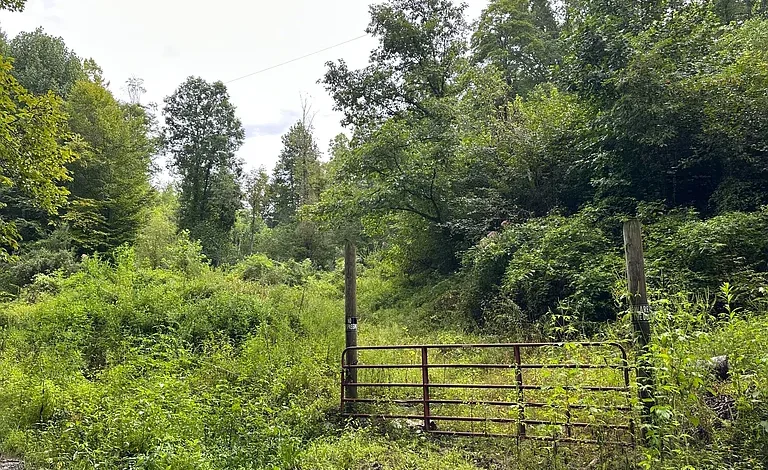
25.35 Acres of Wooded Virginia Land for Hunting, Homesteading and a Private Retreat
Affordable acreage with privacy, natural surroundings, and the potential for a more independent lifestyle can be difficult to find, especially when the property already has access to important utilities. In Pennington Gap, Virginia, approximately 25.35 acres of wooded land are currently offered for $30,000, creating an opportunity for buyers who are looking for space, recreation, hunting, homesteading, or a private rural retreat.
The property is located in the Pennington Gap area of southwestern Virginia and consists of sloped, wooded acreage with mountain views. According to the listing, power and water are available at Canary Trail, while Zillow’s property information identifies electricity and water as available and water as being at the road. Sewer service is not listed, meaning buyers should expect to investigate septic options if they plan to build.
This is vacant land with no existing residence, bedrooms, or bathrooms. Instead, its appeal comes from the acreage itself and the flexibility that may come with owning a larger tract of agricultural-zoned property.
The listing specifically describes the property as a potential retreat for hunting or homesteading. For someone searching for affordable land in a mountainous part of Virginia, the combination of approximately 25.35 acres, wooded privacy, mountain views, available utilities, and no HOA makes this property an interesting opportunity to investigate.
An Affordable 25.35-Acre Land Opportunity
The asking price is $30,000 for approximately 25.35 acres, which works out to roughly $1,183 per acre before considering closing costs, due diligence expenses, improvements, or other ownership costs.
For land buyers, the price per acre can provide a useful initial comparison with other rural properties, but it should never be the only factor used to determine value.
Terrain, road access, utility availability, water sources, timber, soil conditions, views, zoning, development restrictions, and the actual usable portion of the property can all have a major effect on land value.
In this case, the property is described as sloped and wooded, which means the acreage may not be uniformly usable for every purpose. Buyers interested in building should evaluate the topography carefully and determine where a driveway, homesite, septic system, well or water connection, and other improvements could realistically be located.
The low acquisition price may nevertheless make the property appealing to buyers who are more interested in owning land than purchasing an existing home.
Back on the Market
The listing notes that the property is back on the market at no fault of the seller.
This detail is important because a property returning to the market does not necessarily indicate a problem with the land itself. A previous transaction can fail for numerous reasons involving financing, inspections, buyer circumstances, due diligence, timing, or other issues unrelated to the seller or property.
Prospective buyers should therefore evaluate the land based on its current condition, documentation, access, utilities, zoning, and suitability for their intended use rather than assuming anything about the previous transaction.
The listing was updated September 8, 2026, and had been on Zillow for approximately 20 days, with hundreds of views and saves. This indicates that the property has generated interest among people searching for affordable acreage.
Wooded Privacy in Southwestern Virginia
One of the most attractive characteristics of the property is its wooded setting.
Approximately 25.35 acres provides considerably more privacy than a conventional residential lot. Trees can create natural separation from surrounding properties while also contributing to the visual character and recreational potential of the land.
Wooded acreage can appeal to people who want to spend more time outdoors without living in a densely developed subdivision.
For some buyers, privacy is the primary reason for purchasing rural land. The ability to own a large tract and have room between a future homesite and surrounding properties can create a sense of independence that is difficult to achieve in suburban neighborhoods.
The trees may also provide habitat for wildlife, making the property potentially attractive to hunters and outdoor enthusiasts.
Before assuming the presence of specific game species, however, buyers should conduct their own research and inspect the property to determine whether it meets their hunting objectives.
Mountain Views Add Scenic Appeal
The listing identifies mountain views as one of the property’s features.
In southwestern Virginia, mountainous terrain creates opportunities for elevated viewpoints, wooded landscapes, and scenic surroundings. Depending on the exact location and vegetation, portions of the property may provide attractive views across the surrounding landscape.
Mountain views can also contribute to the long-term lifestyle appeal of rural land.
Imagine a future homesite positioned where morning light reaches across the surrounding hills, or a quiet outdoor area where the landscape becomes the backdrop for evenings around a fire. These are some of the lifestyle possibilities that attract buyers to mountain acreage.
The actual quality, direction, and permanence of views should be confirmed in person. Trees can change, seasonal vegetation can affect visibility, and neighboring properties may influence future sightlines.
Potential Hunting Retreat
The listing specifically describes the acreage as a potential hunting retreat.
For outdoor enthusiasts, owning private land can provide a convenient place to pursue hunting activities without depending entirely on public access or short-term permissions.
The wooded nature of the tract may provide habitat and cover for wildlife, while the property’s size could allow buyers to explore different approaches to outdoor recreation.
A hunting-oriented buyer may want to evaluate:
- Wildlife activity
- Existing trails
- Terrain and elevation changes
- Water sources
- Property boundaries
- Neighboring land uses
- Legal hunting regulations
- Safe shooting areas
- Access points
- Seasonal accessibility
- Local game populations
Virginia hunting regulations should be reviewed independently before any hunting activity begins.
The land’s agricultural zoning may provide certain opportunities, but zoning should not automatically be interpreted as permission for every recreational, agricultural, hunting, or building activity.
A Potential Homesteading Property
Another major theme in the listing is homesteading.
Homesteading can mean different things to different buyers. Some people want a small garden and a private cabin. Others want livestock, food production, workshops, storage buildings, and a more comprehensive rural lifestyle.
With approximately 25.35 acres, this property offers enough land to investigate a variety of possibilities.
Potential uses could include a private residence, garden, recreational retreat, outdoor workshop, small-scale agricultural operation, or other permitted rural uses.
However, buyers should distinguish between land potential and approved land use.
Before developing the property, it would be essential to confirm zoning requirements, setbacks, driveway permits, septic feasibility, building regulations, utility connections, access rights, and any county or state requirements.
Electricity and Water Availability
Utility availability is one of the most important practical features mentioned in the listing.
Power and water are described as available at Canary Trail. Zillow’s facts also identify electricity as available and water as being at the road.
For a vacant land buyer, proximity to utilities can make a major difference.
Developing raw land can become significantly more complicated when utilities are far away or unavailable. Having electricity and water available near the road may provide a starting point for future development.
However, buyers should not assume that utility availability means a connection is already installed on the property.
There can be substantial costs associated with extending electrical service from the road to a future homesite. Water connection costs can also vary depending on the provider, distance, terrain, required equipment, and local regulations.
Buyers should contact the applicable utility providers directly to determine:
- Exact connection locations
- Availability and capacity
- Connection fees
- Extension costs
- Easement requirements
- Meter installation requirements
- Service restrictions
- Expected timelines
Written confirmation from utility providers is preferable to relying solely on listing descriptions.
Septic Will Need Investigation
There is no sewer system listed for the property.
The listing identifies sewer as none, meaning a buyer planning to build will likely need to investigate a private wastewater solution such as a septic system.
This is one of the most important due diligence items for undeveloped land.
A property can have beautiful views, abundant acreage, and nearby utilities but still face significant development limitations if a suitable septic system cannot be installed.
A buyer should determine whether the property has suitable soil and site conditions for a septic system and where a primary and reserve drainfield could potentially be located.
A qualified soil professional or appropriate local authority should be consulted before purchasing land specifically for residential development.
The sloped terrain makes this evaluation particularly important because slope, drainage, soil composition, and access can all affect septic feasibility.
Agricultural Zoning
The property is identified as having Agricultural zoning.
Agricultural zoning can be attractive to buyers interested in rural living, farming, gardening, livestock, or other land-based activities.
However, zoning regulations differ by locality, and an agricultural designation does not automatically guarantee that every agricultural or residential use is permitted.
Before purchasing, buyers should contact the appropriate local planning and zoning office to determine exactly what is allowed.
Questions worth asking include whether a single-family residence can be constructed, whether manufactured or modular homes are permitted, what minimum acreage requirements apply, what setbacks are required, whether accessory structures are allowed, and what permits are necessary.
Buyers should also verify whether there are any restrictions related to timber harvesting, livestock, commercial activities, short-term rentals, hunting structures, driveways, or other intended uses.
No HOA
Another potentially attractive feature is the absence of a homeowners association.
There is no HOA listed for the property.
For many rural land buyers, avoiding an HOA is a significant benefit because it can provide greater freedom in how the property is used and maintained.
Without an HOA, buyers may have more flexibility regarding structures, landscaping, outdoor activities, vehicles, workshops, gardens, or other rural lifestyle preferences.
However, the absence of an HOA does not mean there are no rules.
County zoning, building codes, environmental regulations, septic requirements, road regulations, utility requirements, deed restrictions, and state laws can still apply.
Buyers should verify all applicable restrictions before making assumptions about unrestricted use.
Understanding the Sloped Terrain
The property is described as sloped and wooded.
This terrain can be both an advantage and a challenge.
Sloped land can provide elevation and mountain views while creating attractive natural landscapes. It can also make the property feel more private and secluded.
At the same time, steep or irregular terrain can increase construction costs.
Building a home on a slope may require additional grading, retaining structures, specialized foundation work, longer driveway construction, drainage planning, and erosion control.
The cost of bringing utilities from the road to a homesite may also increase if the preferred building location is significantly elevated or distant from the road.
Anyone purchasing this property primarily for construction should have the land evaluated by qualified professionals before committing to a building plan.
Road Access and Driveway Considerations
The property is associated with Canary Trail, and the listing indicates that power and water are available at the road.
Road access is one of the most important considerations when buying rural land.
Buyers should confirm whether the road is public or private, whether there are recorded access rights, who maintains it, and whether it remains accessible during winter or severe weather.
The listing identifies road surfaces as dirt and gravel.
That can be consistent with a rural setting, but buyers should inspect the road personally.
A future home may require a driveway permit, culvert, grading, drainage improvements, or other infrastructure before construction begins.
If the property is intended for recreational use, buyers should also determine whether ordinary passenger vehicles can comfortably reach the desired areas or whether four-wheel-drive equipment may be necessary.
A Blank Canvas for Outdoor Recreation
Raw land provides something that a finished home cannot: a blank canvas.
There is no existing house layout dictating how the owner must use the property.
The buyer can potentially design outdoor spaces around the natural terrain, subject to zoning and permitting requirements.
That could mean establishing walking trails, creating a garden, developing a secluded picnic area, building an approved cabin or residence, installing storage structures, or creating a private recreational base.
For outdoor enthusiasts, the acreage may become an extension of the living environment.
The value of such land is not always measured entirely in square footage. Privacy, access to nature, recreation, and personal freedom can be equally important.
Potential Private Retreat
The property could also appeal to someone searching for a private retreat.
A retreat does not necessarily have to be elaborate. For some buyers, the goal is simply a quiet place away from traffic, crowded neighborhoods, and urban development.
Approximately 25.35 wooded acres can provide that sense of separation.
A future retreat might include a permitted cabin, outdoor living area, garden, workshop, or other improvements.
Before planning any structure, however, the buyer should confirm building eligibility and utility requirements.
The listing does not include a residence, so this is fundamentally a land purchase rather than a move-in-ready home.
Investment Considerations for Land Buyers
Affordable rural acreage can attract real estate investors, but land investing requires a different approach from investing in an existing rental property.
There is no current rental income from this property because there is no residence listed.
Instead, the potential investment thesis would depend on factors such as future land demand, usability, access, utility availability, zoning, surrounding development, and the buyer’s intended holding strategy.
Investors should avoid assuming that the property will automatically appreciate or that subdivision or development will be approved.
If an investor is considering dividing the acreage into smaller parcels, local subdivision regulations, road requirements, minimum lot sizes, septic rules, utility requirements, and zoning should be researched before purchase.
Professional legal, surveying, engineering, and planning advice may be appropriate for any development strategy.
Building a Future Home on the Property
One of the most obvious potential uses is creating a future home site.
A buyer could potentially investigate building a primary residence or rural retreat on the property.
The availability of power and water at the road makes the development question particularly interesting, but many additional factors need to be resolved first.
A typical rural building evaluation should consider:
- Legal road access
- Survey and boundaries
- Building setbacks
- Zoning
- Soil conditions
- Septic feasibility
- Water availability
- Electrical connection
- Driveway requirements
- Drainage
- Topography
- Construction access
- Insurance
- Permits
- Property taxes
- Future maintenance
Only after these items are confirmed can a buyer accurately estimate the total cost of turning raw land into a finished homesite.
A Low-Cost Entry Into Land Ownership
At $30,000, the property represents a relatively low-cost entry point for someone who wants to own a substantial amount of land.
The purchase price is significantly different from the financial commitment required for a conventional mountain home.
A buyer may choose to acquire the land first and develop it later, provided the property meets their intended use and financial plan.
This approach can appeal to buyers who are not ready to build immediately but want to secure acreage for future plans.
Still, land ownership carries ongoing expenses, including property taxes, maintenance, access management, potential timber management, insurance considerations, and future development costs.
What Buyers Should Verify
The listing itself states that all information provided is subject to buyer verification.
That is especially important with raw acreage.
Before closing, buyers should consider confirming:
Acreage and boundaries: Obtain or review a current survey and verify the parcel configuration.
Road access: Confirm legal access and maintenance responsibilities.
Utilities: Contact electricity and water providers directly.
Septic feasibility: Obtain appropriate soil and septic evaluations.
Zoning: Verify current agricultural zoning and permitted uses.
Restrictions: Search deeds and public records for easements, covenants, restrictions, or rights-of-way.
Topography: Walk the property and identify potential building sites.
Flood and drainage conditions: Determine whether any portion of the property has special environmental or drainage concerns.
Timber and mineral rights: Verify what rights convey with the property.
Taxes: Confirm current tax information and any outstanding obligations.
Survey: Make sure the boundaries are clearly understood.
These steps can prevent expensive surprises after purchase.
Why Rural Land Remains Appealing
The appeal of rural acreage is about more than square footage.
For many buyers, it is about having room to breathe.
A larger tract can provide privacy, outdoor recreation, gardening opportunities, and a stronger connection with nature.
The Pennington Gap area offers a mountainous environment where wooded land and scenic views are part of the broader regional landscape.
A property like this can appeal to people who are tired of conventional subdivisions and want greater control over their surroundings.
The absence of an HOA can further increase that appeal, although local regulations still need to be followed.
Property Facts at a Glance
- Asking price: $30,000
- Location: Pennington Gap, Virginia
- Property type: Vacant land
- Acreage: Approximately 25.35 acres
- Bedrooms: None
- Bathrooms: None
- Year built: Not applicable
- Zoning: Agricultural
- Terrain: Sloped and wooded
- Views: Mountain
- Water: Available at road
- Electricity: Available
- Sewer: None listed
- HOA: None
- Road surface: Dirt and gravel
- Parcel: 21(A)109
- Listing status: Back on market
- Potential uses described by listing: Hunting retreat and homesteading
- Price per acre: Approximately $1,183
- Annual property tax: Not provided in the listing information
- Listing terms: Not specified in the provided information
Final Thoughts
This 25.35-acre property in Pennington Gap, Virginia, offers an appealing combination of affordability, wooded privacy, mountain views, and potential for a rural lifestyle.
At $30,000, the land provides an opportunity to acquire a substantial tract without the higher purchase price associated with an existing mountain home or developed estate.
The property’s potential uses are broad. A buyer could explore a private hunting retreat, a future homestead, a recreational property, a rural garden, or a future residential homesite, depending on zoning, septic feasibility, access, utilities, and all applicable regulations.
The availability of power and water at the road is an important advantage to investigate, particularly for buyers who are considering future construction. At the same time, the absence of sewer service means septic feasibility should be one of the first due diligence priorities.
The sloped and wooded terrain creates scenic character and privacy but also means that future construction should be carefully planned. A professional evaluation of the land can help determine where development is practical and what infrastructure may be required.
Perhaps the most appealing aspect of this property is its simplicity. There is no existing house that dictates the lifestyle. Instead, there are approximately 25.35 acres of Virginia land waiting for a buyer with a vision.
For someone who values privacy, nature, outdoor recreation, and the possibility of creating a personalized rural retreat, this affordable acreage could be an opportunity worth investigating.
As with any vacant-land purchase, buyers should rely on their own inspections, surveys, utility confirmations, zoning research, title research, and professional advice before completing the transaction.
The listing specifically states that all information is subject to buyer verification, making independent due diligence especially important.
For buyers who have been searching for affordable mountain acreage in Virginia, this property offers a compelling starting point: approximately 25.35 acres, wooded surroundings, mountain views, no HOA, agricultural zoning, and utilities available at the road, all at an asking price of $30,000.
Listed on Zillow.