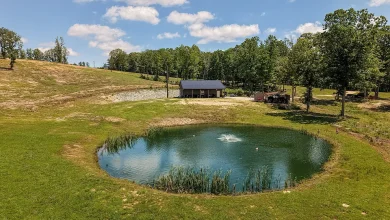
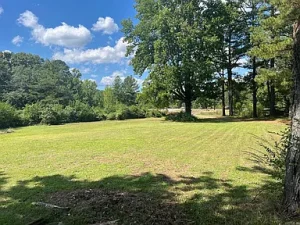
2.2 Acres Lot
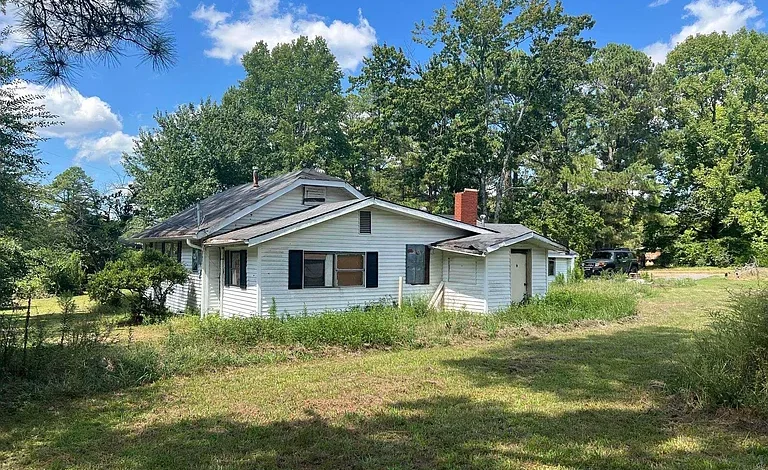
Affordable Arkansas Fixer Upper With 3 Bedrooms and 2.2 Acres
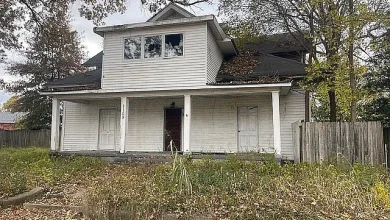
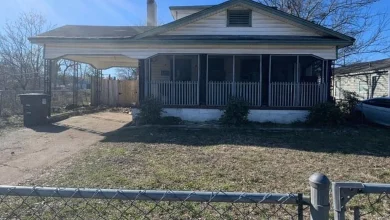
A potentially interesting real estate opportunity is available in Jefferson, Arkansas, for buyers looking for an affordable fixer upper with additional land and the possibility of owner financing. Listed at $39,900, this single-family property offers approximately 1,783 square feet of interior living space, three bedrooms, one full bathroom, and approximately 2.2 acres.
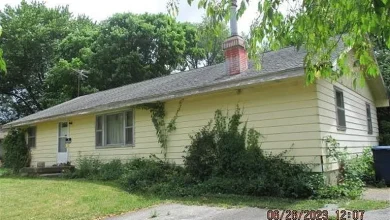
Built in 1949, the one-story ranch-style home sits on a level parcel and provides a combination that can be difficult to find at an entry-level price: a relatively large house paired with more than two acres of land. The property is described as a fixer upper, so it should be approached as a renovation project rather than a move-in-ready residence.
The listing also states that the seller will owner finance the property. This could potentially create an alternative path to ownership for qualified buyers, although the exact terms, interest rate, down payment, payment schedule, and approval requirements should be confirmed directly with the seller before making any financial commitments.
With its 3-bedroom layout, 1,783 square feet, 2.2-acre lot, level terrain, paved road access, parking pad, and no HOA, this Arkansas property could appeal to homeowners, investors, renovators, and buyers interested in acquiring land along with a house.
A Low-Priced Property With Room to Renovate
At an asking price of $39,900, this property enters the market at a price point that may attract buyers who are willing to take on a renovation project.
The key word is “fixer upper.”
A fixer upper can provide an opportunity to purchase a property below the price of a fully renovated home, but it also requires careful financial planning. The amount needed for repairs can vary substantially depending on the property’s current condition.
Before purchasing, buyers should determine whether the required improvements are primarily cosmetic or whether the property needs major structural, electrical, plumbing, roofing, mechanical, or other rehabilitation work.
The listing does not provide a detailed renovation scope, so buyers should not assume that the property can be restored for a specific amount without an inspection and contractor estimates.
The $39,900 asking price is therefore only the beginning of the financial calculation.
Approximately 1,783 Square Feet of Living Space
One of the property’s most notable features is its approximately 1,783 square feet of interior living area.
That amount of space provides a substantial footprint for a three-bedroom home.
The listing identifies the property as a one-story ranch-style residence, which can be appealing to buyers who prefer all major living spaces on one level.
A single-level floor plan can also be practical for a wide range of households, including buyers who prefer fewer stairs and easier access between rooms.
The existing interior layout should be evaluated carefully during an inspection. Because the listing provides limited room-by-room information, buyers should confirm the current arrangement, room dimensions, condition, and functionality before developing renovation plans.
Three Bedrooms and One Full Bathroom
The home offers three bedrooms and one full bathroom.
A three-bedroom configuration is one of the most commonly sought residential layouts because it can serve several different household arrangements.
A future owner could potentially use the additional bedrooms for children, guests, a home office, hobby space, or other purposes depending on the household’s needs.
For an investor, a three-bedroom configuration can also be relevant when evaluating potential rental demand.
However, the property’s rental potential should be researched using current local market data rather than assumptions based solely on the bedroom count.
The single-bathroom configuration may also influence future renovation plans. A buyer could investigate whether adding another bathroom is physically and legally feasible, but that would depend on the floor plan, plumbing infrastructure, available space, local codes, and renovation budget.
Built in 1949
The property was constructed in 1949, giving it more than seven decades of history.
Older homes can offer architectural character and solid underlying structures, but they also require careful inspection because major building systems may have been updated at different times or may still reflect their original construction.
A prospective buyer should consider having qualified professionals examine the roof, foundation, electrical system, plumbing, HVAC or heating systems, windows, insulation, drainage, and other major components.
The age of the home is not necessarily a problem, but it is an important part of the due-diligence process.
Ranch-Style Design
The property is identified as a ranch-style home.
Ranch houses are generally characterized by their single-level configuration and relatively practical layouts.
For a renovation project, a one-story design can make certain improvements easier because the owner does not have to work across multiple floors.
The existing floor plan may also provide opportunities to create a more open modern living arrangement, depending on the location of walls and major systems.
However, structural walls should never be removed without professional evaluation.
A renovation plan should begin with an understanding of the existing construction rather than assuming that every wall or room can be changed.
2.2 Acres of Land
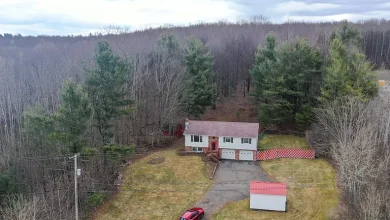
The property includes approximately 2.2 acres.
For buyers accustomed to suburban properties with small residential lots, 2.2 acres provides considerably more outdoor space.
The listing describes the parcel as level, which could be beneficial for outdoor activities, landscaping, gardening, parking, storage, or other uses permitted by local regulations.
The additional land is one of the strongest characteristics of the property because buyers are not simply acquiring a house.
They are also acquiring a relatively large parcel that can potentially provide privacy and flexibility.
The actual usable portion of the acreage should be confirmed through a survey and inspection, particularly if the buyer is considering future construction or other improvements.
Level Land and Outdoor Possibilities
The listing identifies the property as level.
Level terrain can be helpful for a variety of potential improvements because it may reduce some grading requirements compared with steep or uneven land.
Depending on zoning and local regulations, a future owner could potentially explore uses such as a garden, outdoor recreation area, additional parking, approved storage structures, or other improvements.
The property could also provide space for outdoor gatherings, pets, landscaping projects, or simply a larger private yard.
However, the absence of an HOA does not mean that all uses are automatically permitted.
Local zoning regulations, setbacks, building codes, easements, and other restrictions should be reviewed before beginning any project.
Owner Financing Is Advertised
One of the most interesting details in the listing is the statement that the seller will owner finance the property.
Owner financing, sometimes called seller financing, can involve the property seller financing some or all of the purchase price rather than the buyer obtaining a conventional mortgage from a traditional lender.
This arrangement can potentially provide flexibility for buyers who may not fit conventional mortgage requirements.
However, owner financing terms vary significantly.
A prospective buyer should confirm:
- Required down payment
- Interest rate
- Monthly payment
- Loan term
- Amortization period
- Balloon payment requirements
- Late payment provisions
- Closing costs
- Property tax responsibilities
- Insurance requirements
- Title and deed structure
- Default provisions
These details should be reviewed carefully with a qualified real estate attorney or financial professional before signing an agreement.
The advertised availability of owner financing does not by itself establish the actual terms of the transaction.
Why Owner Financing Can Matter to Buyers
Traditional mortgage financing can be difficult for certain fixer upper properties, particularly when the home’s condition does not meet a lender’s requirements.
Owner financing can sometimes provide an alternative structure.
For a buyer, this may create an opportunity to negotiate directly with the seller around the purchase price and payment structure.
For the seller, owner financing can potentially expand the pool of interested buyers.
However, both parties need to understand the legal and financial responsibilities involved.
The buyer should also determine whether there will be a balloon payment or another significant payment due before the loan is fully amortized.
A seemingly affordable monthly payment can become much less attractive if a large final payment is required.
Renovation Potential
The property is specifically marketed as a fixer upper, which means renovation potential is central to the opportunity.
The right renovation strategy will depend on the property’s existing condition.
Potential improvements could include:
- Interior painting
- Flooring
- Kitchen updates
- Bathroom renovation
- Lighting
- Doors and trim
- Windows
- Roofing
- Exterior repairs
- Landscaping
- Electrical upgrades
- Plumbing improvements
- Heating and cooling improvements
- Energy-efficiency upgrades
Not every item will necessarily be required.
The best approach is to separate urgent repairs from cosmetic improvements.
A buyer should first address issues that affect safety, water intrusion, structural integrity, electrical safety, plumbing, and weather protection.
Once the property is structurally sound and protected from the elements, cosmetic improvements can be completed according to budget.
Evaluating the Roof
The home has a composition roof according to the listing.
Because the property was built in 1949, the age and condition of the current roof should be verified.
Roof repairs or replacement can become a major expense in an older property.
During an inspection, buyers should look for signs of leaks, damaged shingles, deteriorated flashing, sagging areas, water stains, and other indicators of potential problems.
If the roof needs replacement, the buyer should obtain contractor estimates before finalizing a renovation budget.
Foundation and Slab Construction
The property is listed with a slab foundation.
Foundation condition is an important consideration for any fixer upper.
A professional inspector should evaluate the foundation for cracks, settlement, moisture issues, drainage concerns, or other signs of structural movement.
Not every crack indicates a serious problem, but significant structural concerns can have a major impact on renovation costs.
Buyers should therefore include foundation inspection among their highest priorities.
Interior Renovation Strategy
A successful renovation does not necessarily require turning an older property into a luxury home.
The goal should be to create a comfortable, functional, durable property that fits the local market.
For a future owner, that could mean updating the kitchen with practical cabinetry and countertops, improving bathroom fixtures, installing durable flooring, repairing walls, and refreshing the lighting.
For a rental property, durability may be more important than expensive finishes.
For an owner-occupied home, the buyer may choose improvements based on personal preferences.
Understanding the intended use of the property before beginning renovations can help prevent unnecessary spending.
Eat-In Kitchen
The listing identifies an eat-in kitchen.
An eat-in kitchen provides a designated area where residents can dine without requiring a separate formal dining room.
This can be particularly practical in a ranch-style home because it keeps everyday living spaces convenient and accessible.
During renovation, the kitchen could potentially become one of the property’s primary focal points.
Depending on the existing layout and condition, buyers might consider updated cabinets, countertops, appliances, flooring, lighting, and storage.
Again, the exact improvements should be based on inspection findings and the buyer’s overall renovation budget.
Parking Pad
The property includes a parking pad rather than a listed enclosed garage.
For many buyers, off-street parking can still be an important feature.
The parking area may provide space for residents and guests, although its size and condition should be verified.
A buyer should also investigate drainage around the parking area and determine whether improvements are needed.
If additional parking is desired, the feasibility of expanding the parking area should be checked with local authorities.
No HOA
The listing indicates that the property does not have an HOA.
For some buyers, this can provide additional flexibility.
Without an HOA, there may be fewer private-community rules governing exterior appearance, landscaping, parking, or certain property uses.
However, local laws and zoning regulations still apply.
A buyer should review municipal requirements before making changes to the property.
Paved Road Access
The listing identifies the road surface as paved.
Paved access can be beneficial for everyday transportation and can make the property more convenient during different weather conditions.
For a rural or semi-rural property, road quality can be an important practical consideration.
The buyer should still verify the condition of the road, driveway connection, drainage, and any easements affecting the property.
Potential Rental Property
The property’s three-bedroom configuration and relatively large interior footprint could make it worth evaluating as a potential rental property after renovation.
A rental strategy would require a detailed analysis of the local market.
Investors should research comparable three-bedroom homes in the Jefferson area and determine realistic monthly rental rates.
The calculation should include:
- Expected rent
- Vacancy
- Property taxes
- Insurance
- Maintenance
- Repairs
- Property management
- Utilities paid by the owner
- Financing costs
- Capital expenditures
A property that appears inexpensive at purchase can still become a poor investment if renovation and operating expenses are underestimated.
Potential Value-Add Investment
Fixer uppers are often considered value-add opportunities because improvements can potentially increase the property’s functionality and market appeal.
The basic concept is straightforward: acquire the property, improve it, and potentially create additional value.
But value creation is not automatic.
The buyer must understand the relationship between acquisition cost, renovation expenses, market value, and local demand.
For example, if a buyer spends $40,000 renovating a property purchased for $39,900, the total investment would already approach $80,000 before accounting for closing costs, financing, holding costs, insurance, taxes, and other expenses.
That is why a professional renovation estimate is so important.
Tax Information
The listing reports an assessed value of approximately $104,650 and an annual tax amount of approximately $408.
The relationship between assessed value and market price should not be interpreted as a guarantee of the property’s actual market value.
Tax assessments are determined according to local assessment practices and can differ significantly from market valuations.
The current annual tax amount is nevertheless useful when estimating the ongoing carrying cost of the property.
Buyers should verify the current tax status and investigate whether taxes could change following a transfer or future improvements.
Understanding the Total Investment
The $39,900 listing price is attractive at first glance, but a buyer should think about the total project cost.
A realistic budget could include:
- Purchase price
- Closing costs
- Inspection expenses
- Immediate repairs
- Renovation materials
- Contractor labor
- Permits
- Utility expenses
- Insurance
- Property taxes
- Financing costs
- Landscaping
- Contingency reserves
Maintaining a contingency reserve is particularly important with older properties.
Unexpected issues can appear after walls, ceilings, floors, or other areas are opened during renovation.
Due Diligence for Buyers
Anyone considering this property should conduct thorough due diligence before completing a purchase.
Important questions include:
- What is the current condition of the house?
- Is the roof serviceable?
- Is the foundation structurally sound?
- Is the electrical system safe and up to current standards?
- What plumbing repairs are needed?
- What heating and cooling systems are present?
- Are there any water intrusion issues?
- Are there code violations?
- Are there liens or title issues?
- What are the exact owner-financing terms?
- Is the property eligible for conventional financing?
- What improvements require permits?
- Are there restrictions on the 2.2-acre parcel?
- Are there any easements?
- What is the current tax status?
- What are comparable properties selling for?
These questions can help a buyer understand the real financial picture.
A Property for Buyers Who Like Projects
Not every buyer wants a finished home.
Some buyers specifically look for properties where they can renovate, customize, and potentially create value through their own work.
This Arkansas property fits that category.
The combination of a three-bedroom ranch home, nearly 1,800 square feet, 2.2 acres, and a $39,900 asking price provides a foundation for several possible strategies.
An owner-occupant could potentially renovate the home into a personalized residence.
An investor could evaluate the rental market.
A contractor or experienced renovator could potentially use the property as a value-add project.
A land-focused buyer may simply appreciate having more than two acres attached to a residential structure.
Privacy and Outdoor Space
One of the advantages of owning 2.2 acres is the additional outdoor space.
Compared with a typical urban or suburban residential lot, the acreage can provide more separation from neighboring properties.
The level terrain may also make the land easier to enjoy for outdoor activities, landscaping, gardening, and other permitted uses.
For buyers who value having room around their home, the land component could be nearly as important as the house itself.
Potential for a Garden or Homestead-Style Use
The 2.2-acre parcel may also appeal to buyers interested in a small-scale homestead lifestyle.
Depending on zoning, soil conditions, water availability, and local rules, an owner could potentially explore gardening, fruit trees, outdoor storage, or other small-scale uses.
However, buyers should not assume that agricultural or livestock uses are permitted.
Before planning a homestead-style setup, the buyer should verify zoning and any applicable animal, sanitation, fencing, and land-use regulations.
The Importance of an Inspection
An inspection is especially important for a fixer upper.
A general home inspection can identify visible issues, but buyers may also need specialized evaluations depending on what is discovered.
Potential areas for additional review can include structural conditions, electrical systems, plumbing, roofing, septic systems if applicable, environmental concerns, and other components.
The inspection should be used to build a realistic renovation plan.
The goal is not simply to identify problems but to understand which problems are urgent, which can be repaired later, and what each repair could reasonably cost.
Final Perspective on This Jefferson, Arkansas Property
This $39,900 property in Jefferson, Arkansas, presents an opportunity for buyers who are comfortable with renovation and interested in owning more land than is typically available with an entry-level home.
The property offers approximately 1,783 square feet, three bedrooms, one full bathroom, a ranch-style single-story layout, and 2.2 acres of level land.
Built in 1949, the home has the characteristics of an older property that may require substantial updating. The listing openly describes it as a fixer upper, so buyers should approach the opportunity with a renovation mindset.
The owner-financing possibility is another notable feature. Seller financing can potentially make the acquisition accessible to buyers who are unable or prefer not to use traditional mortgage financing, but the actual terms must be confirmed and carefully reviewed before signing an agreement.
The land also adds an important dimension to the property.
Two acres of additional space can provide privacy, outdoor recreation, gardening possibilities, storage options, and potential future improvements, subject to zoning and local regulations.
The absence of an HOA may provide additional flexibility, while paved road access provides a practical connection to the surrounding area.
At the same time, the property should not be evaluated solely by its $39,900 asking price.
The total investment could become substantially higher once renovation, inspections, financing, insurance, taxes, permits, and unexpected repairs are considered.
For that reason, buyers should establish a complete renovation budget before committing to the purchase.
A contractor’s estimate, professional inspection, title review, and confirmation of owner-financing terms can all help reduce uncertainty.
For an investor, the most important question may be whether the property’s total acquisition and renovation costs make sense compared with the expected future rental income or resale value.
For an owner-occupant, the focus may instead be on whether the property can be transformed into a comfortable long-term residence at a cost that fits the household’s budget.
For a land buyer, the 2.2-acre parcel may be the feature that makes the property particularly attractive.
Ultimately, this Jefferson property is best understood as a renovation opportunity with additional acreage rather than a conventional turnkey home.
Its combination of price, square footage, three-bedroom layout, level 2.2-acre lot, ranch design, paved access, no HOA, and potential owner financing creates several possible paths for a buyer willing to take on a project.
The next step for any serious purchaser should be careful due diligence. Verify the property’s physical condition, confirm financing terms, investigate zoning and land-use rules, obtain realistic renovation estimates, review title information, and understand all costs associated with ownership.
With the right information and a carefully planned renovation strategy, the property could potentially become a comfortable Arkansas residence, a rental property, or a customized rural-style retreat.
Listed on Zillow