$10,000 House for Sale in Princeton, Missouri – Affordable 0.25-Acre Lot with Redevelopment and Real Estate Investment Potential
$10,000 House for Sale in Princeton, Missouri – Affordable 0.25-Acre Lot with Redevelopment and Real Estate Investment Potential
Finding real estate in the United States for just $10,000 is increasingly unusual, particularly when the property includes an established residential lot with access to public utilities. For buyers exploring affordable property ownership, vacant land opportunities, or potential residential development projects, a listing at 905 E Grant St, Princeton, MO 64673, offers an interesting opportunity to investigate.
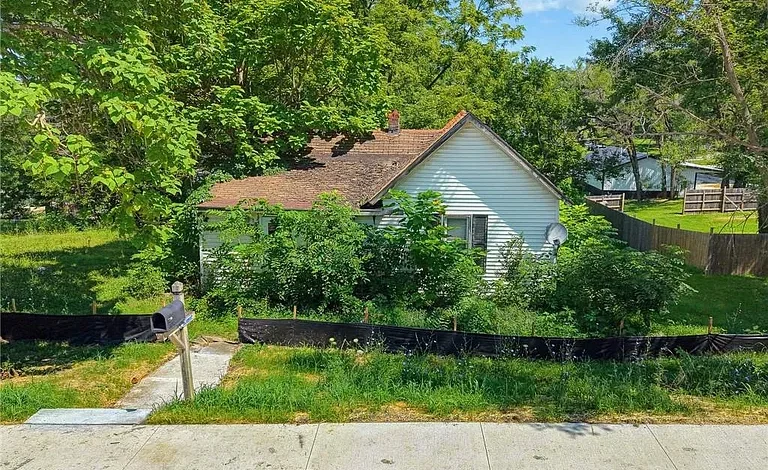
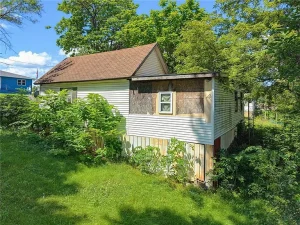
Located in Princeton, Missouri, this property is advertised for $10,000 and includes a quarter-acre lot with an existing two-bedroom, one-bathroom house originally built in 1910.
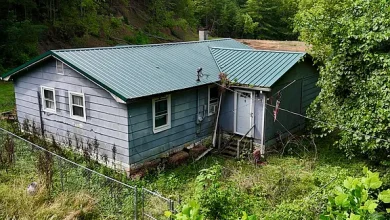
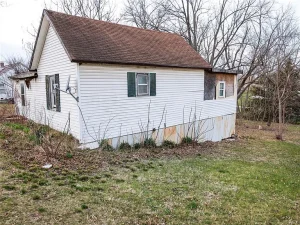
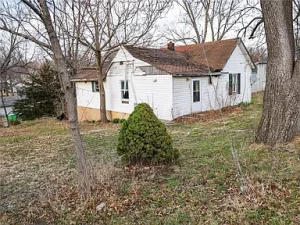
However, prospective buyers need to understand one extremely important detail: the existing structure is in severe disrepair, is not considered livable, and should not be entered.
The listing reports a compromised roof and explains that the property is being sold strictly as-is, where-is, without repairs from the seller.
For this reason, the primary attraction is not the existing residence but the land, its location within Princeton, and the possibility of future redevelopment.
The property may appeal to experienced real estate investors, builders, contractors, or individuals seeking an affordable lot for a potential new construction project.
Before making an offer, buyers should carefully investigate demolition expenses, building permits, utility connections, zoning requirements, financing options, and the total cost of development.
This comprehensive guide explores the property’s features, possible uses, financial considerations, construction planning, and essential due diligence.
Property Overview: 905 E Grant St, Princeton, MO 64673
The property is listed as a single-family residence situated on approximately 0.25 acres of land.
Although the existing house contains 864 square feet, the seller’s description makes clear that the structure should not be treated as a habitable home.
Instead, the listing emphasizes the potential value of the lot for redevelopment.
Key Property Details
- Asking Price: $10,000
- Address: 905 E Grant St, Princeton, MO 64673
- Property Type: Single-Family Residence
- Year Built: 1910
- Bedrooms: 2
- Bathrooms: 1 full bathroom
- Interior Area: 864 square feet
- Lot Size: 0.25 acres
- Approximate Lot Area: 10,890 square feet
- Foundation: Crawl space
- Construction: Frame
- Roof Material: Composition
- Heating: None reported
- Cooling: None reported
- Water: Public
- Sewer: Public sewer
- Parking: Off-street and other parking
- HOA: None reported
- Annual Property Taxes: $148, according to the listing
- Tax-Assessed Value: $10,275
- Listing Terms: Cash
- MLS Number: 2612261
The advertised price works out to approximately $11.57 per square foot when divided by the existing home’s reported interior area.
However, this calculation should not be interpreted as the value of usable living space because the structure is described as uninhabitable.
For buyers evaluating this property, land value and redevelopment feasibility are more meaningful than the price per square foot of the damaged house.
Why This $10,000 Missouri Property Deserves a Closer Look
One of the most noticeable characteristics of this listing is its low asking price.
A $10,000 property may attract attention from buyers who are searching for affordable real estate or considering an investment project with a relatively small initial acquisition cost.
However, a low purchase price does not automatically mean that a property is inexpensive to develop.
The actual financial commitment may include demolition, debris removal, surveys, permits, site preparation, utility work, new construction, and ongoing ownership expenses.
The seller identifies the property’s location and lot as its primary selling points.
For someone interested in building a new residence in Princeton, an established lot with public utilities reported on site may be worth investigating.
Still, buyers should confirm whether those utilities can be used for a new building and whether any existing connections require replacement or upgrades.
Understanding the Difference Between a Cheap House and Affordable Land
Although the property is technically listed as a single-family residence, its condition changes how it should be evaluated.
A conventional homebuyer generally looks for a residence that can be occupied immediately or repaired within a predictable budget.
In this case, the existing house is not considered livable.
Therefore, the transaction is more appropriately examined as a potential land purchase with a severely damaged structure.
The difference is significant because the buyer may need to remove the building before constructing something new.
A professional evaluation can help determine whether demolition is necessary and what it would cost.
Location: Living and Investing in Princeton, Missouri
Princeton is a small city in Mercer County in northern Missouri.
The area offers a rural setting that may appeal to people who prefer smaller communities rather than densely populated metropolitan environments.
For some buyers, the attraction of a small town includes quieter streets, access to open landscapes, and the possibility of owning property at a lower acquisition price than in major cities.
However, the suitability of a particular location depends on individual needs.
Prospective residents should investigate employment opportunities, healthcare access, transportation, schools, shopping, and other essential services.
An Established In-Town Location
The listing describes the property as occupying a desirable Main Street area location in Princeton.
Its official street address is 905 E Grant St, so buyers should confirm the precise location and surrounding land uses rather than assuming it directly fronts Main Street.
An in-town residential lot may offer advantages compared with undeveloped rural acreage.
Potential benefits can include access to established streets, public utilities, and nearby community services.
However, these advantages depend on the specific site and the condition of existing infrastructure.
Before purchasing, buyers should visit the surrounding neighborhood from public areas and evaluate the location at different times of day.
The 0.25-Acre Lot: Understanding Its Development Potential
One of the property’s most important features is its quarter-acre lot.
A 0.25-acre parcel contains approximately 10,890 square feet.
For perspective, that is a substantial amount of land compared with the footprint of many modest single-family homes.
However, the total acreage does not necessarily represent the amount of land available for construction.
Setbacks, easements, drainage requirements, utility locations, and local zoning regulations can reduce the usable building area.
Potential for a New Single-Family Home
The listing suggests that the property could be suitable for new residential construction.
A buyer may consider replacing the existing structure with a modern single-family home, subject to local approvals.
Possible design priorities might include an efficient floor plan, practical storage, energy-efficient windows, durable exterior materials, and manageable maintenance requirements.
A new home could also be designed to better match the needs of its future occupants.
However, buyers should not assume that every proposed floor plan or construction method will be approved.
Local building officials should confirm the permitted use, setbacks, construction requirements, and approval process.
Yard and Outdoor Space
A quarter-acre lot may also provide room for outdoor activities, depending on the eventual building footprint.
Potential features could include a lawn, garden, patio, driveway, or designated recreational space.
The feasibility of fencing, accessory structures, or additional parking should be verified under applicable regulations.
A professional site plan can help determine how the land might accommodate a new residence and surrounding improvements.
The Existing 1910 House: Why Its Condition Matters
The house was reportedly constructed in 1910.
Older homes can sometimes contain distinctive architectural details and historical character.
However, age alone does not determine whether a structure is suitable for restoration.
In this case, the seller specifically reports severe disrepair and a compromised roof.
The listing also states that the property is not livable and should not be entered.
Prospective buyers should respect that warning and should not enter the structure.
Any necessary evaluation of the building should be arranged through the listing professionals and conducted only by appropriately qualified personnel under safe conditions.
The Risks of a Compromised Roof
A severely damaged roof can allow water to enter a building.
Over time, moisture intrusion may damage ceilings, walls, framing, insulation, and interior finishes.
Depending on the extent of deterioration, structural components may become unstable.
Because the listing does not provide a detailed engineering assessment, the exact condition of the building remains unknown.
The seller’s warning should be treated as a serious safety concern rather than a minor cosmetic issue.
Missing Heating and Cooling Systems
The property facts report no heating or cooling systems.
This further reinforces the importance of evaluating the listing as a redevelopment opportunity rather than an immediately usable residence.
If a new home is constructed, the owner will need to consider heating, cooling, ventilation, and energy-efficiency requirements.
Those systems should be incorporated into the overall construction budget.
Should the Existing House Be Demolished or Restored?
For some older properties, renovation may be a practical alternative to demolition.
However, the seller’s description of this particular structure suggests that any restoration proposal would require an extensive professional evaluation.
The roof is compromised, and the home is considered unsafe to enter.
Without a structural inspection, it is impossible to determine whether the building could be restored economically.
Evaluating Demolition
If demolition is necessary, buyers should obtain estimates from licensed or appropriately qualified demolition contractors.
The total cost can depend on building size, construction materials, accessibility, disposal requirements, and environmental concerns.
A house built in 1910 may also contain materials that require special handling.
Potential hazards should be evaluated by qualified professionals before demolition begins.
Buyers should investigate applicable rules for asbestos, lead-based paint, debris disposal, and utility disconnection.
Comparing Demolition With Rehabilitation
A responsible financial comparison should consider both alternatives.
Restoration could involve major structural work, roofing, plumbing, electrical systems, insulation, flooring, and interior reconstruction.
Demolition and rebuilding would involve removal of the existing structure followed by site preparation and new construction.
Neither option should be assumed to be cheaper without detailed estimates.
The most suitable approach depends on the building’s actual condition, local regulations, contractor availability, and the buyer’s objectives.
Public Water and Sewer: An Important Feature for Development
The listing reports public water and public sewer service.
For buyers considering vacant land or redevelopment, utility availability can be an important factor.
Rural properties without public infrastructure may require private wells or septic systems.
An established residential lot with public utility service may avoid some of those requirements.
However, the listing’s statement that utilities are on site does not guarantee that the existing connections are functional, compliant, or suitable for a newly constructed home.
Confirming Water Service
Buyers should contact the appropriate local utility provider to verify the status of the water connection.
Questions may include whether the service is active, whether a new meter is required, and whether any connection or inspection fees apply.
The condition of existing underground lines should also be considered.
Understanding Sewer Connections
Public sewer access may simplify wastewater planning, but the existing sewer lateral could require inspection or replacement.
Older sewer lines may deteriorate over time.
A new building project may also trigger updated connection requirements.
Confirming these details before purchasing can help reduce uncertainty in the development budget.
Building a New Home in Princeton: Planning the Project
Constructing a new residence involves several stages.
The first step is determining whether the property can legally and physically accommodate the intended home.
A buyer should consult local officials, a qualified builder, and other relevant professionals before finalizing plans.
Step 1: Verify Zoning and Permitted Uses
The listing identifies the property as a single-family residence but does not provide detailed zoning regulations.
Buyers should confirm whether a new single-family home is permitted and whether any special restrictions apply.
They should also investigate minimum building sizes, setbacks, height limitations, and rules for manufactured or modular homes.
Step 2: Obtain a Property Survey
A survey can help establish property boundaries and identify potential encroachments or easements.
This information is especially useful when planning a new building, driveway, or fence.
The advertised acreage should not replace a professional boundary determination.
Step 3: Develop a Construction Budget
A construction budget should include more than the cost of building materials.
Potential expenses include architectural plans, engineering, demolition, excavation, foundation work, utility connections, permits, labor, inspections, and landscaping.
Buyers should also reserve funds for unexpected site conditions.
Step 4: Choose an Appropriate Home Design
A modest, efficient home may be suitable for a quarter-acre lot, depending on zoning and site conditions.
Single-story layouts, compact two-bedroom homes, and other practical designs may be worth exploring.
However, the property listing does not confirm that any particular design has been approved.
Step 5: Confirm Contractor Availability
Local construction costs and schedules can vary based on labor availability, materials, weather, and project complexity.
Obtaining multiple detailed estimates can help buyers compare options.
A written contract should clearly identify the scope of work, payment schedule, responsibilities, and completion expectations.
Real Estate Investment Potential: Opportunities and Risks
The listing specifically markets the property to builders and investors.
At $10,000, the initial purchase price may appear accessible compared with many conventional real estate transactions.
However, the property’s potential investment performance depends on several uncertain factors.
These include development costs, local housing demand, resale values, financing expenses, and the time required to complete a project.
Buying Land for Future Development
Some investors purchase inexpensive properties with the intention of developing them later.
This strategy may allow time to research construction options and local market conditions.
However, vacant or distressed property can still create ongoing expenses.
Taxes, insurance, maintenance, code compliance, and demolition obligations may continue even when the land is not being actively developed.
Building for Resale
Another possible strategy involves purchasing the property, removing the damaged structure, constructing a new home, and selling the completed residence.
The financial feasibility of this approach depends on the relationship between total project costs and achievable resale prices.
Investors should research recent comparable sales in Princeton and surrounding areas.
A low acquisition price does not guarantee a profitable development.
Building a Long-Term Rental Property
Some buyers may consider constructing a home for rental use.
However, the listing does not provide local rental demand data or expected rental income.
Before pursuing this strategy, investors should analyze comparable rents, vacancy risk, property management expenses, maintenance, taxes, insurance, and financing.
Rental income projections should be supported by actual market evidence.
Understanding the $10,000 Asking Price
The property is advertised for $10,000.
The listing also reports a tax-assessed value of $10,275.
These figures are close, but they measure different things.
An asking price reflects what the seller is requesting.
A tax assessment is used for property taxation and may not represent current market value.
Neither figure guarantees what a buyer should pay or what the property could sell for in the future.
Price Per Square Foot
The listing reports approximately $12 per square foot.
This calculation is based on the existing 864-square-foot structure.
Because the home is considered uninhabitable, buyers should be cautious about comparing this figure with the price per square foot of habitable houses.
For this property, land value and development costs are more relevant considerations.
Comparing Local Property Sales
A useful valuation process may include reviewing recent sales of vacant lots, teardown properties, and comparable residential parcels.
Important variables include lot size, location, utilities, zoning, and site conditions.
A qualified local real estate professional or appraiser may help buyers understand the market.
Property Taxes and Ongoing Ownership Expenses
The listing reports annual property taxes of $148.
That amount is relatively small in absolute terms, but buyers should not assume it will remain unchanged.
Property taxes may change after ownership transfers, reassessments, demolition, or new construction.
A newly built residence could result in a different assessed value and tax obligation.
Other Potential Carrying Costs
Even before development begins, owners may face expenses such as property maintenance, vegetation management, liability insurance, and compliance with local ordinances.
If the existing structure is unsafe, the owner may also have obligations relating to securing or removing it.
Buyers should investigate these responsibilities before closing.
Cash Purchase Requirements and Real Estate Financing
The listing identifies cash as the accepted purchase term.
This means buyers should not assume that traditional mortgage financing is available for the property in its current condition.
Lenders commonly evaluate habitability, structural condition, collateral value, and other factors before approving a residential mortgage.
A severely damaged house may not meet standard lending requirements.
Construction Financing
A buyer planning to build a new home may investigate construction loans.
These financing products differ from ordinary purchase mortgages because funds are generally associated with construction progress and lender-approved project requirements.
Eligibility can depend on borrower qualifications, builder credentials, project plans, appraisals, and available equity.
Not every lender finances projects involving distressed structures or low-value land acquisitions.
Land Loans and Personal Financing
Other financing options may include land loans or personal funds.
Each approach has different costs and risks.
Interest rates, repayment terms, fees, and collateral requirements should be compared carefully.
For a $10,000 acquisition, financing expenses may represent a meaningful percentage of the purchase price.
Understanding the As-Is, Where-Is Sale
The seller states that the property is being sold as-is, where-is.
This means the seller does not intend to complete repairs before closing.
Buyers should understand that they may be accepting responsibility for the property’s existing condition, subject to applicable law and the final purchase agreement.
An as-is sale does not eliminate the importance of title review, disclosures, legal requirements, or appropriate due diligence.
Because the structure is unsafe to enter, professional evaluation should be arranged without exposing prospective buyers to unnecessary danger.
Questions to Ask the Listing Agent
Before making an offer, buyers should ask whether the property has any outstanding code violations, demolition orders, unpaid taxes, liens, or other obligations.
They should also confirm whether the existing utilities are active, whether demolition permits are required, and whether the city has issued any notices concerning the building’s condition.
Written answers and official records are preferable to assumptions.
What Buyers Should Research About Princeton’s Housing Market
For anyone considering an investment or future home construction, understanding the local market is essential.
Princeton’s housing market should be evaluated using recent, relevant transactions rather than statewide averages alone.
A new home’s value may depend on its size, quality, location, and the number of qualified buyers interested in the area.
Population and Housing Demand
Small-town real estate markets can have different demand patterns from large metropolitan areas.
The number of available properties, buyer preferences, and local employment conditions may influence how quickly homes sell.
Investors should research these factors before developing a property for resale.
Comparable New Construction
One of the most important questions is whether newly constructed homes in the area sell for prices sufficient to support the total development cost.
If construction expenses exceed achievable market value, the project may not be financially attractive.
A feasibility analysis should include realistic estimates rather than optimistic assumptions.
Potential Advantages of This Property
Despite the condition of the existing structure, several characteristics may justify further investigation.
The property offers a quarter-acre lot in an established town setting.
Public water and sewer are reported, and the listing identifies no HOA.
The low asking price may allow some buyers to consider a land acquisition without the large initial expenditure associated with many residential properties.
The property is also being marketed for redevelopment, which makes the seller’s expectations relatively clear.
However, every advantage should be evaluated alongside the cost of removing or addressing the existing building.
Important Risks and Limitations
The property also presents significant risks.
The existing home is not livable and should not be entered.
The roof is compromised, and the full extent of structural damage is unknown.
Demolition costs may be substantial relative to the purchase price.
The listing does not establish that a particular new home design will be approved.
Utility connections may require additional work, and future construction expenses could greatly exceed the cost of acquiring the land.
Finally, there is no guarantee that the completed project would appreciate in value or generate a profit.
Frequently Asked Questions About 905 E Grant St
Is the house really listed for $10,000?
The supplied listing advertises an asking price of $10,000. Buyers should confirm current pricing and availability with the listing agents.
Can someone live in the existing house?
No. The seller states that the structure is not considered livable and should not be entered.
How large is the property?
The lot is advertised as 0.25 acres, equivalent to approximately 10,890 square feet.
How old is the house?
The listing reports that the existing structure was built in 1910.
Does the property have water and sewer service?
Public water and public sewer are reported. Buyers should verify the status and usability of the connections.
Is there an HOA?
The listing indicates that there is no homeowners association.
Can a new house be built on the lot?
The seller markets the property for redevelopment, but buyers must verify zoning, permits, setbacks, and other requirements before assuming construction is permitted.
Is the property suitable for a rental investment?
It could be evaluated for a future rental development, but the existing structure is uninhabitable. Financial feasibility depends on construction costs, local rents, and market demand.
What are the annual property taxes?
The listing reports annual property taxes of $148. Future taxes may differ.
Can the property be financed?
The advertised listing terms specify cash. Buyers interested in construction or other financing should consult qualified lenders.
Final Thoughts: A $10,000 Property with Land and Redevelopment Potential
The property at 905 E Grant St, Princeton, Missouri, offers a low-priced opportunity to investigate residential land ownership and potential redevelopment.
With approximately 0.25 acres, reported public water and sewer access, and an established in-town location, the parcel may be of interest to builders, experienced investors, and buyers considering a future construction project.
However, the existing 864-square-foot house is in severe disrepair, has a compromised roof, and is not safe to enter.
This property should therefore not be evaluated as an affordable move-in-ready home.
The purchase price is only one part of the financial picture.
Demolition, site preparation, permits, construction, utility work, insurance, taxes, and other expenses may significantly increase the total investment.
Before purchasing, buyers should verify the property’s legal status, inspect the site through qualified professionals, research local construction requirements, and prepare a realistic development budget.
For buyers with suitable experience and financial resources, the lot may warrant further consideration.
For those seeking immediate housing, a property in habitable condition would be a more appropriate category to investigate.
The most important step is to base any decision on verified information, professional guidance, and a clear understanding of the project’s risks and costs.
Property Listing and Contact Information
Property Address: 905 E Grant St, Princeton, MO 64673
Asking Price: $10,000
Property Type: Single-Family Residence / Potential Redevelopment Property
Lot Size: 0.25 Acres
Existing Structure: 864 Square Feet
Year Built: 1910
Bedrooms: 2
Bathrooms: 1
Condition: Severe Disrepair – Not Livable
Annual Property Taxes: $148 (Reported)
Listing Terms: Cash
MLS Number: 2612261
Listing Agent: Michael Beach
Phone: 660-339-3130
Additional Listing Agent: Cole Rorebeck
Phone: 660-654-9354
Brokerage: Rorebeck Realty
Listing Source: Heartland MLS, distributed by MLS GRID
Disclaimer: This article is based on the supplied real estate listing and is intended for informational purposes only. The property is reported to be unsafe to enter. Prices, availability, taxes, utilities, permits, and property conditions may change. Buyers should independently verify all details and seek qualified professional advice before making financial or real estate decisions.
Listed on Zillow.