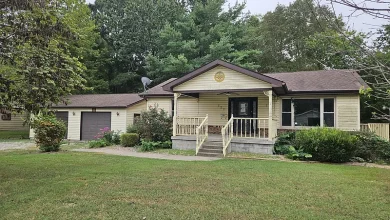
0.43 Acres Lot

Affordable Mapleton Maine Property With Waterfront, Acreage and Major Renovation Potential
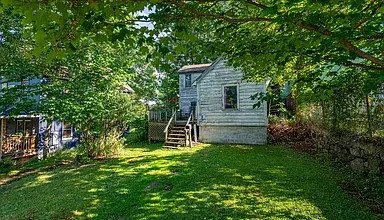
A $10,000 property in northern Maine immediately stands out in today’s real estate market, but this opportunity is not a conventional move-in-ready home. Located in Mapleton, Maine, this property offers approximately 0.43 acres, a small existing single-family structure with about 512 square feet of interior space, three listed bedrooms, one full bathroom, and an especially attractive natural feature: approximately 300 feet of owned waterfront along Libby Brook.
The property is being offered as-is, and the listing makes it clear that the existing structures require major restoration or potentially a complete tear-down. For the right buyer, however, the combination of a very low asking price, residential zoning, wooded surroundings, paved road access, and waterfront setting could create an interesting opportunity for a renovation project, new construction concept, seasonal retreat, or private getaway.
There is also an important legal consideration that prospective buyers must understand before becoming interested in the $10,000 price. The property is being sold through a municipal quitclaim deed following a tax foreclosure and will not have “good and merchantable title” at the time of closing, according to the listing. That means title research and professional legal advice are particularly important.
This is therefore best viewed as a land-and-project opportunity rather than a traditional affordable house purchase.
An Unusually Low Entry Price
At an asking price of $10,000, this Mapleton property sits at an exceptionally low entry point compared with conventional residential listings. The listed price is approximately $20 per square foot based on the reported 512 square feet of interior space.
However, the price per square foot does not tell the entire story. The existing structure requires major work, and the property is explicitly being sold as-is. Buyers should not assume that the existing home can simply be repaired with a limited cosmetic renovation budget.
Instead, the property’s value proposition is closely connected to its land, waterfrontage, residential zoning, location, and the possibility of restoring, replacing, or rebuilding the existing improvements.
For an experienced contractor, builder, investor, or buyer comfortable with substantial property projects, this type of listing can be worth investigating. For someone seeking an immediate move-in residence, it may not be an appropriate fit.
Approximately 0.43 Acres in Mapleton
The property encompasses approximately 0.43 acres.
Although less than half an acre may sound modest compared with large rural Maine parcels, the land provides enough space for the property to have a distinct outdoor setting, especially because the parcel includes wooded areas and significant brook frontage.
The listing describes the setting as rural, suburban, and wooded. That combination can appeal to buyers who want a natural environment while remaining connected to a community rather than purchasing an isolated tract deep in the wilderness.
The land may also provide opportunities for landscaping, outdoor recreation, gardens, sitting areas, and other uses permitted by local regulations.
Any plans for additional structures, rebuilding, expansion, accessory buildings, driveway changes, or other development should be verified with the municipality before purchase.
Approximately 300 Feet of Libby Brook Waterfront
Perhaps the most compelling physical feature is the property’s relationship with Libby Brook.
The listing identifies the body of water as Libby Brook and reports approximately 300 feet of waterfrontage, with approximately 300 feet of owned waterfrontage.
Waterfront property can provide a unique lifestyle experience. The sound of moving water, wooded surroundings, seasonal changes, and outdoor views can make a small property feel considerably more distinctive than a conventional residential lot.
For a future owner, the brook could become an important part of the property’s outdoor experience. A properly designed seating area, walking path, garden, or other outdoor improvement could potentially take advantage of the natural setting, subject to local rules and environmental considerations.
Because this is a waterfront property, buyers should also investigate flood risk, drainage, setbacks, erosion, wetland considerations, shoreland regulations, and any restrictions that could affect construction or renovation.
A Peaceful Setting With a Bubbling Brook
The listing specifically highlights a bubbling brook and shady trees.
These natural features are important because the property is not simply an inexpensive structure sitting on a standard residential lot. The surrounding landscape is part of the appeal.
A brook can provide visual interest and a relaxing atmosphere throughout the year. Trees can provide shade, privacy, and seasonal beauty. Together, they create a setting that could potentially work well for a future cabin-style retreat or small residential project.
For buyers who value outdoor living, the natural characteristics may be more important than the current condition of the structure.
The property’s potential should nevertheless be assessed realistically. Natural beauty does not eliminate the costs associated with site preparation, construction, septic or water requirements, permits, engineering, and other development expenses.
The Existing 512-Square-Foot Structure
The existing structure contains approximately 512 square feet of total structure area and livable interior area, according to the listing.
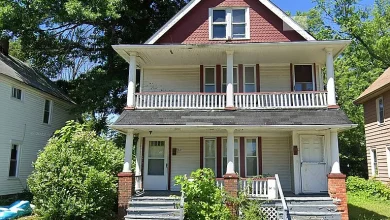
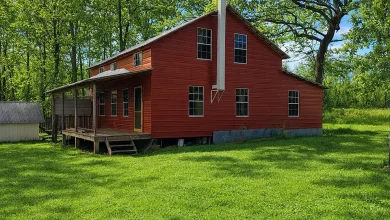
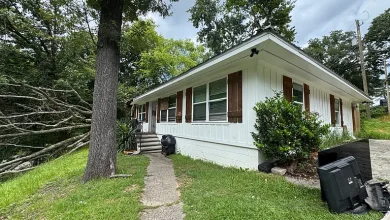
It is classified as a single-family residence with a New Englander architectural style. The structure uses a wood frame and wood siding, with a roof described as both metal and shingle.
The listing identifies three bedrooms, all located on the second level, while the kitchen and living room are located on the first level.
The compact floor plan is very different from today’s larger family homes, but that does not necessarily make the property uninteresting. Small structures can sometimes be useful as renovation projects, guest accommodations, seasonal retreats, or starting points for a larger redevelopment plan.
However, the listing specifically states that the existing structures need major restoration or a complete tear-down.
That warning should be taken seriously.
Restoration or Complete Tear-Down
One of the biggest decisions for a prospective buyer would be determining whether the existing structure is worth restoring.
The listing essentially presents two broad possibilities: major renovation or complete removal and replacement.
A restoration project could involve structural repairs, electrical work, heating, insulation, windows, doors, plumbing, interior finishes, roofing, foundation-related work, and other improvements.
A tear-down could involve demolition, debris removal, site preparation, utility planning, foundation work, and construction of a new structure.
The correct option depends entirely on the actual condition of the existing improvements.
Because no interior showing appears to be guaranteed by the listing information, prospective buyers should not estimate renovation costs solely from photographs or the listing description. A qualified contractor, structural professional, engineer, or other appropriate specialist should evaluate the property whenever access is legally and practically available.
Three Bedrooms in a Very Small Home
The property is listed as having three bedrooms and one full bathroom.
All three bedrooms are located on the second floor.
The unusual combination of three bedrooms and only 512 square feet means the existing layout is extremely compact compared with contemporary residential standards. Buyers should therefore verify how the bedrooms are configured and whether they meet applicable current requirements for size, egress, ceiling height, heating, and other residential standards.
The listing does not provide individual bedroom dimensions.
This is another reason prospective purchasers should not assume that the existing bedroom configuration can automatically be retained during a renovation.
If a complete rebuild is pursued, the buyer would have an opportunity to design a layout that better reflects modern needs, subject to zoning, setbacks, utilities, permits, and site limitations.
One Full Bathroom
The property includes one full bathroom.
For a 512-square-foot structure, one bathroom can be sufficient for a small seasonal or recreational property. For a future larger residence, however, the bathroom configuration may need to be reconsidered.
A renovation could potentially modernize the existing bathroom, while new construction could provide a completely different floor plan.
Plumbing should be inspected carefully, especially given the age and condition of the existing property. Buyers should also determine how water is supplied and whether the existing plumbing infrastructure is suitable for continued use.
Kitchen and Living Room
The kitchen and living room are both located on the first floor.
The listing does not provide a detailed kitchen appliance package, and buyers should not assume appliances are included.
For a renovation project, the kitchen could potentially be redesigned around a compact but efficient layout. Modern small-home designs often use efficient cabinetry, multipurpose counters, compact appliances, and open living arrangements to maximize limited square footage.
The living room could similarly become part of a more modern open-concept layout if the structure permits such modifications.
If the property is rebuilt, the new design could potentially prioritize views toward Libby Brook, natural light, outdoor access, and efficient use of space.
No Heating or Cooling Listed
The property is listed with no heating and no cooling.
This is a significant consideration.
In northern Maine, heating is an essential component of residential habitability during cold weather. A future owner would need to determine whether the existing structure can be safely heated and what heating system would be appropriate.
Potential systems for a future project might include electric heating, heat pumps, wood heat, propane, oil, or other options, depending on availability, building design, energy goals, and local requirements.
Cooling is not currently listed, but a future renovation or new construction could potentially incorporate modern cooling technology.
Energy efficiency should also be considered early in the planning process. Insulation, air sealing, windows, doors, roofing, heating equipment, and ventilation can significantly affect long-term operating costs.
Private Water and Public Sewer
The listing indicates private water and public sewer.
That combination is noteworthy because many rural Maine properties rely on private wells and septic systems. Here, the sewer is listed as public while the water source is identified as private.
Prospective buyers should verify exactly how the water system works, where the source is located, whether it serves the existing structure, and whether it is functioning.
The public sewer connection should also be independently confirmed with the relevant utility authority.
Utility verification becomes particularly important if the buyer plans to demolish the existing structure and build a new home.
Electricity Is Unknown
The listing identifies electricity as unknown.
This is another critical due diligence item.
A prospective buyer should determine whether electrical service currently exists, whether the property has an active connection, whether the electrical infrastructure is functional, and what costs would be involved in reconnecting or upgrading service.
If the existing structure is demolished, electrical planning should be coordinated with the future building project.
The availability of internet or other communications services should also be verified if remote work or modern connectivity is important to the buyer.
Two-Car Detached Garage
The property includes two parking spaces in a detached garage.
The parking is listed as gravel and the garage provides two spaces.
For a property requiring major restoration or possible reconstruction, a detached garage can be an especially useful feature. It may provide storage for tools, equipment, vehicles, building materials, or recreational gear.
If the garage is structurally sound, it could become an important asset during a renovation project.
However, its actual condition should be inspected. Buyers should evaluate the roof, foundation, framing, siding, doors, electrical service, moisture exposure, and overall structural integrity.
Paved Road Access
The road surface is listed as paved.
This is a practical benefit for a property located in a northern rural community.
Paved access can make year-round travel easier and may reduce some of the challenges associated with maintaining long gravel access roads.
For anyone considering a future residence or retreat, access is an important part of the overall property equation.
Buyers should still verify driveway rights, frontage, winter maintenance arrangements, drainage, and legal access.
Residential Zoning
The property is identified as residentially zoned.
Residential zoning can be an important factor for someone considering a replacement home or major renovation.
However, zoning should never be interpreted as an automatic guarantee that any desired construction project is permitted.
Buyers should contact the appropriate Mapleton authorities to verify setbacks, lot requirements, building dimensions, accessory structures, waterfront regulations, demolition and rebuilding requirements, and other applicable rules.
The brook frontage may also introduce additional environmental or shoreline-related considerations.
No HOA Information Is Listed
There is no homeowners association identified in the listing.
That can be attractive to buyers who prefer not to deal with private community association fees and rules.
However, the absence of an HOA does not mean there are no restrictions. Municipal zoning, building codes, environmental regulations, title restrictions, easements, and other legal requirements can still apply.
The buyer should investigate all of these issues before making a purchase decision.
The Major Issue: Quitclaim Deed
The legal status of this property is one of the most important aspects of the listing.
The property is being sold via a municipal quitclaim deed following a tax foreclosure. The listing specifically states that it will not have “good and merchantable title” at the time of closing.
This means prospective buyers should approach the transaction differently from a typical residential purchase.
A quitclaim deed generally transfers whatever interest the grantor has in the property without providing the same type of warranties associated with a traditional warranty deed.
The tax foreclosure history makes professional title research especially important.
A buyer should consult a qualified real estate attorney or title professional to understand exactly what rights are being transferred, what title issues may exist, and what steps might be required after closing.
Why Title Research Matters
A very low purchase price can become considerably less attractive if a buyer encounters unexpected legal or title complications.
Before committing funds, prospective buyers should investigate recorded documents, liens, tax history, easements, access rights, ownership records, municipal records, and any other matters that could affect ownership.
Title insurance availability should also be discussed with a qualified title company or attorney.
Because the listing explicitly warns that good and merchantable title will not be provided at closing, buyers should treat this as a fundamental part of the investment analysis rather than a minor technical detail.
Property Taxes
The listing reports an annual tax amount of approximately $414.
That represents a relatively modest annual property tax figure, but buyers should verify the current tax status and determine whether there are outstanding tax obligations associated with the foreclosure.
They should also confirm whether taxes are current, whether assessments could change after improvements, and whether any municipal charges or other obligations apply.
A Potential New-Build Opportunity
For some buyers, the most interesting possibility may not be restoring the existing home at all.
If municipal regulations and site conditions allow it, the property could potentially serve as the location for a new residence.
A buyer might envision a compact Maine cabin, modern cottage, seasonal retreat, or small year-round residence designed specifically around the brook and wooded landscape.
A new structure could potentially take advantage of modern insulation, efficient heating, improved windows, energy-efficient appliances, and contemporary building standards.
The design could also be oriented toward the water and surrounding trees.
However, this possibility must be confirmed before purchase. Buyers should verify that demolition and replacement are allowed, that the lot meets current requirements, that utilities can serve a new structure, and that waterfront regulations do not prevent the desired building plan.
Potential Appeal for Contractors and Investors
This property may be particularly interesting to buyers who understand construction and real estate redevelopment.
An experienced contractor may be better equipped to estimate the cost of restoring or replacing the existing structure.
A local investor may also be able to evaluate the property based on comparable land sales, new construction costs, local demand, and resale potential.
However, the $10,000 asking price should not be interpreted as proof of a guaranteed profit.
The final economics depend on acquisition costs, title work, demolition, construction, utilities, permits, financing, insurance, taxes, landscaping, and the property’s eventual market value.
A detailed project budget is essential.
Potential as a Maine Getaway
The natural setting could also make this property appealing to someone seeking a private getaway.
A future small cabin surrounded by trees and located beside a bubbling brook could offer a peaceful environment for weekend stays, outdoor relaxation, reading, fishing where legally permitted, nature observation, or simply enjoying the landscape.
The property’s relatively small acreage could also make maintenance easier than managing a much larger rural parcel.
Again, any recreational or short-term rental use should be checked against local regulations and applicable laws before being assumed.
Important Questions Buyers Should Ask
Before purchasing, buyers should seek clear answers to several questions:
- What is the exact condition of the existing structure?
- Is restoration economically practical?
- Would demolition be allowed?
- Can a new home be constructed on the parcel?
- What are the current setback requirements?
- Are there waterfront or shoreland restrictions?
- Is the existing water system operational?
- Is the public sewer connection active?
- Is electrical service currently connected?
- What title issues resulted from the tax foreclosure?
- Can title insurance be obtained?
- Are there outstanding liens or municipal charges?
- What are the current property taxes?
- Are there easements or access restrictions?
- Is the detached garage structurally sound?
- What permits would be required for renovation or new construction?
These questions can significantly affect the true cost and potential of the property.
Property Facts at a Glance
- Asking price: $10,000
- Location: Mapleton, Maine
- Property type: Single-family residence
- Architectural style: New Englander
- Bedrooms: 3
- Bathrooms: 1 full
- Interior living area: Approximately 512 square feet
- Lot size: Approximately 0.43 acres
- Waterfront: Yes
- Water body: Libby Brook
- Waterfrontage: Approximately 300 feet
- Heating: None listed
- Cooling: None listed
- Water: Private
- Sewer: Public sewer
- Electricity: Unknown
- Parking: 2 spaces
- Garage: Detached, 2 spaces
- Basement: Unfinished with interior entry
- Exterior: Wood frame and wood siding
- Roof: Metal and shingle
- Zoning: Residential
- Road: Paved
- HOA: None listed
- Annual tax: Approximately $414
- Special condition: Tax foreclosure and municipal quitclaim deed
- Sale condition: As-is
- Existing structure: Major restoration or complete tear-down
- Listing terms: Buyers should verify directly with the listing professional
Final Thoughts
This $10,000 Mapleton property is not a conventional bargain home, and buyers should not approach it as though they are purchasing a move-in-ready three-bedroom residence.
Instead, it is a highly unusual project opportunity combining approximately 0.43 acres, approximately 300 feet of owned Libby Brook waterfront, wooded surroundings, residential zoning, paved road access, a detached two-car garage, and an existing 512-square-foot structure.
The existing building requires major restoration or potentially a complete tear-down. That creates substantial challenges, but it may also create flexibility for a buyer with the experience and resources to pursue a larger renovation or replacement project.
The natural setting is one of the property’s strongest attractions. The bubbling brook and shady trees could provide the foundation for a future private retreat or thoughtfully designed residence.
The $10,000 asking price is certainly attention-grabbing, but the low acquisition cost should be considered alongside construction expenses, site work, utilities, professional fees, permits, insurance, and legal costs.
Most importantly, the municipal quitclaim deed following a tax foreclosure deserves serious attention. The listing explicitly warns that the property will not have good and merchantable title at closing. Anyone considering this opportunity should conduct professional title research and obtain appropriate legal advice before proceeding.
For the right buyer, however, this could be more than an inexpensive property. It could be a chance to acquire a small waterfront parcel in Maine and transform it into something completely different from what exists today.
Whether the future is a restored traditional home, a rebuilt cottage, a compact modern residence, or another permitted use, the property’s combination of land, water, trees, and extremely low asking price makes it an intriguing real estate project.
As always, buyers should independently verify all property information, zoning requirements, utility availability, title status, waterfront regulations, structural conditions, taxes, permits, and development possibilities before making a purchase or financial commitment.


Listed on Zillow