0.37 Acres Lot
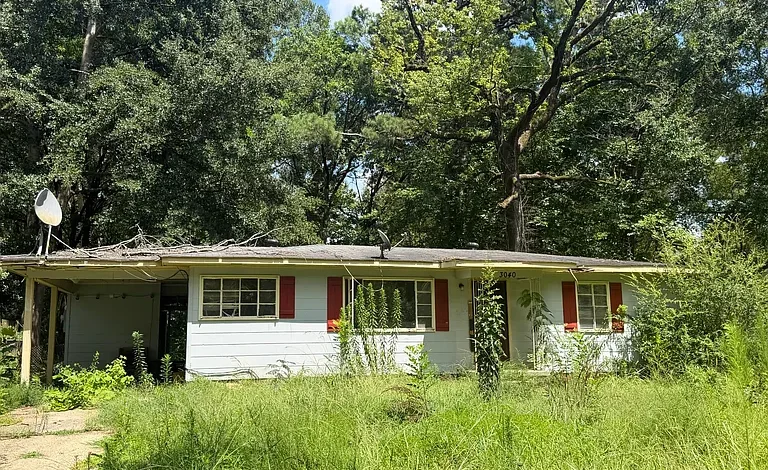
Affordable Jackson Mississippi Fixer-Upper With Investment Potential
An Affordable Real Estate Opportunity in Jackson, Mississippi
Finding an affordable property with the potential for renovation, resale, rental income, or long-term ownership can be challenging in today’s real estate market. Properties that offer a low entry price while also providing a residential structure and a sizable lot can attract attention from investors, first-time buyers, contractors, and buyers looking for a project.
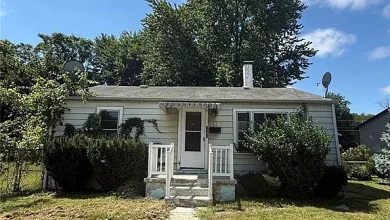
Located in Jackson, Mississippi, this three-bedroom, one-bathroom single-family residence presents an opportunity for someone willing to take on a renovation project. The property is currently listed at $17,000 following a $5,900 price reduction, making the asking price notably lower than many traditional home purchases.
Built in 1956 and situated on approximately 0.37 acres, the property offers a traditional one-story layout, a carport, public water, laminate flooring, and an architectural shingle roof. The listing identifies the home as a fixer, and there are currently no listed heating or cooling systems or included appliances.
For investors, the appeal is primarily centered around the acquisition price, land size, three-bedroom configuration, and potential to improve the property through renovation.
Property Overview
This Jackson property is classified as a residential single-family residence in the Oak Forest subdivision. The home was originally constructed in 1956 and features a traditional architectural style with one level of living space.
The listing identifies three bedrooms and one full bathroom. While the listing does not provide a finished living-area measurement and currently reports the total structure area as zero, buyers should independently verify the actual dimensions and usable square footage during their due diligence process.
The approximately 0.37-acre lot provides additional land around the residence, which may be valuable to a future owner depending on local regulations, setbacks, utility locations, and permitted uses.
The property is being marketed specifically as a fixer and investment opportunity. That positioning makes it particularly relevant for buyers who understand renovation projects and are prepared to evaluate construction requirements before making an offer.
A $17,000 Entry Point
One of the most noticeable aspects of this property is its $17,000 asking price.
The property recently received a $5,900 price reduction, bringing the listed price down to $17,000. For comparison purposes, the listing reports a tax-assessed value of $37,890 and annual property taxes of approximately $1,125.
However, assessed value should not be confused with market value, appraised value, or potential resale value. A property’s actual market value depends on many factors, including condition, location, comparable sales, renovation quality, demand, financing availability, and other local market conditions.
At a low acquisition price, the renovation budget becomes especially important. A buyer should not evaluate this property based solely on the $17,000 purchase price. Instead, the complete investment should include the purchase amount, closing expenses, inspections, permits, materials, labor, utility work, insurance, property taxes, financing costs if applicable, landscaping, and a contingency reserve.
This is particularly important with fixer-upper properties because unexpected structural, electrical, plumbing, roofing, or mechanical expenses can significantly change the overall project budget.
Three-Bedroom Layout
The property offers three bedrooms, which gives the home a potentially useful configuration for several types of buyers.
Three-bedroom homes can appeal to families, roommates, long-term renters, and buyers who want dedicated rooms for guests, an office, or hobbies. For an investor considering a rental strategy, bedroom count is one of the factors that can influence tenant demand, although local rental conditions should always be researched before purchasing.
The listing does not provide detailed bedroom dimensions or information about the condition of each room. Therefore, prospective buyers should inspect the property personally or arrange for a qualified professional to evaluate the interior.
Because the home is classified as a fixer, buyers should pay particular attention to floors, walls, ceilings, windows, doors, electrical systems, plumbing, insulation, moisture, and signs of water intrusion.
One Full Bathroom
The home includes one full bathroom.
For a renovation project, the bathroom may provide an opportunity to improve both functionality and appearance. Depending on its existing condition, a renovation could potentially involve updating fixtures, flooring, lighting, ventilation, cabinetry, plumbing fixtures, or wall finishes.
However, buyers should avoid assuming that cosmetic improvements will be sufficient. An inspection can help determine whether plumbing lines, drains, water supply, ventilation, electrical wiring, or other components require professional attention.
Bathroom renovations can range from relatively simple cosmetic updates to substantial reconstruction. The actual scope should be determined after inspecting the property.
Traditional One-Story Design
The residence is described as a traditional-style, one-story single-family home.
A single-level layout can be attractive to a wide range of buyers because it generally provides convenient access between living spaces without requiring interior stairways. It may also be appealing to buyers who prefer simpler floor plans and easier maintenance.
The traditional design provides a foundation that could potentially be modernized while retaining some of the home’s original character.
Since the house dates to 1956, renovation decisions could focus on creating a more contemporary interior while preserving practical elements of the original structure.
The ideal renovation strategy will depend on the condition of the property and the buyer’s goals.
Laminate Flooring
Laminate flooring is listed among the property’s interior features.
Flooring can have a significant visual impact during a renovation. If the existing laminate is in acceptable condition, it may be possible to clean or repair portions of the flooring. If it is worn or damaged, a future owner could evaluate replacement options based on budget, durability, and intended use.
Potential flooring choices for a renovated property could include luxury vinyl plank, engineered wood, tile, carpet, or updated laminate.
For an investment property, durability and maintenance are particularly important. For a resale project, buyers may prioritize finishes that create a clean, contemporary appearance without unnecessarily increasing renovation costs.
No Listed Heating or Cooling Systems
One of the most important factors for buyers to investigate is the property’s mechanical systems.
The listing currently reports no heating system and no cooling system.
This does not necessarily describe every component currently present at the property, but it does mean prospective buyers should verify the condition and availability of HVAC equipment before purchasing.
Heating and cooling can represent a significant portion of a renovation budget. Depending on the property’s existing infrastructure, a future owner may need to consider installation or replacement of heating and cooling equipment, ductwork, electrical upgrades, thermostats, ventilation, or other components.
Because Mississippi experiences hot and humid summers, cooling is an especially important consideration for anyone planning to occupy, rent, or resell the property.
A licensed HVAC professional can provide a more accurate assessment of what may be required.
No Appliances Included
The listing indicates that there are currently no included appliances.
For an owner-occupant renovation, this creates another budgeting consideration. Depending on the desired finished condition, a buyer may need to purchase a refrigerator, range, microwave, dishwasher, washer, dryer, or other household appliances.
Investors should calculate these expenses before determining the expected total renovation cost.
Appliance packages can vary considerably in price, and the appropriate selection depends on whether the finished property is intended for resale, long-term rental, short-term use, or personal occupancy.
Carport and Parking
The property includes a carport, providing covered parking for residents.
Covered parking can be a practical feature in a residential property, protecting vehicles from direct sunlight and weather conditions. For a renovated home, the carport could also become part of the property’s curb appeal if it is cleaned, repaired, or improved.
A buyer should inspect the carport structure for signs of deterioration, water damage, damaged supports, roof issues, or other maintenance concerns.
Parking requirements and permitted improvements should also be confirmed with the appropriate local authorities if the buyer plans to modify or expand the existing parking arrangement.
Approximately 0.37 Acres
The property sits on approximately 0.37 acres.
For an urban residential property, having a lot of this size can provide useful outdoor space for landscaping, recreation, gardening, or other permitted residential uses.
A future owner might consider creating a more attractive yard with grass, trees, garden beds, outdoor seating, or other landscaping improvements. Any additions or structures would need to comply with local zoning, setback, permitting, and utility requirements.
Before purchasing, buyers should also confirm the actual lot boundaries and acreage through appropriate records or a professional survey if necessary.
Public Water
The listing indicates that public water is available to the property.
Public water service can simplify residential occupancy compared with properties that rely on private wells. Nevertheless, buyers should verify the current status of the water connection, meter, service lines, and any outstanding utility issues.
If the property has been vacant or underused, confirming utility status before beginning renovation work is particularly important.
Sewer Information Should Be Verified
The listing currently identifies the sewer information as “Other.”
Because sewer details can have a direct impact on renovation planning, prospective buyers should confirm exactly how wastewater is handled at the property.
The buyer should determine whether the property is connected to a municipal sewer system, whether there are private components, whether service is active, and whether any repairs or connection fees may apply.
This information is especially important for investors calculating renovation costs.
Architectural Shingle Roof
The property has an architectural shingle roof.
Roof condition should be one of the first items inspected when evaluating a fixer-upper. A roof that appears acceptable from the ground may still have issues involving shingles, flashing, decking, ventilation, gutters, or water intrusion.
A professional roof inspection can help determine the remaining useful life and whether repairs or replacement should be included in the renovation budget.
For investors, roof condition can materially affect the overall project economics.
No HOA
The property does not have an HOA according to the listing.
The absence of an HOA can give a homeowner greater flexibility regarding property maintenance and improvements, although local zoning regulations, subdivision restrictions, municipal codes, and other applicable rules can still apply.
Buyers should verify whether any private restrictions, covenants, or other recorded requirements affect the property.
Oak Forest Location
The property is located in the Oak Forest subdivision in Jackson, Mississippi.
Jackson is the capital city of Mississippi and serves as a major center for government, business, healthcare, education, transportation, and regional commerce.
For a real estate investor, location remains one of the most important considerations. A property’s potential is influenced not only by its physical condition but also by surrounding housing, employment centers, transportation access, retail services, schools, parks, healthcare facilities, and broader neighborhood conditions.
Prospective buyers should research current comparable sales and rental listings in the immediate area rather than relying only on citywide averages.
Renovation Potential
The listing explicitly describes this home as a fixer-upper, which means the property’s primary attraction may be its potential rather than its current condition.
A successful renovation begins with an accurate assessment of the existing structure.
A buyer may want to organize the inspection process into several categories:
- Structural condition
- Roof and exterior
- Electrical system
- Plumbing
- HVAC
- Windows and doors
- Flooring
- Kitchen
- Bathroom
- Walls and ceilings
- Moisture and drainage
- Landscaping
- Parking and carport
- Utility connections
Once these areas are evaluated, a realistic renovation budget can be developed.
Potential Strategy for Investors
Investors considering the property could potentially evaluate several strategies.
Fix and Resell
A buyer could renovate the property with the intention of selling it after improvements are completed.
This strategy requires careful analysis of comparable renovated homes in the area. The estimated after-repair value should be based on actual market evidence rather than assumptions.
Renovation expenses, holding costs, transaction fees, financing, insurance, taxes, and selling expenses should all be included in the calculation.
Long-Term Rental
Another possible strategy is to renovate the home and operate it as a long-term rental.
The three-bedroom layout could potentially appeal to households seeking additional living space, but rental demand and achievable rent must be independently verified.
Investors should research comparable rental properties, vacancy rates, property-management costs, insurance, maintenance, taxes, utilities, and expected capital expenditures.
Owner-Occupant Renovation
The property may also appeal to a buyer who wants an affordable home project.
Someone with construction experience or access to reliable contractors could potentially renovate the property according to personal preferences.
For an owner-occupant, the renovation process can also allow customization of the kitchen, bathroom, flooring, lighting, paint, storage, and outdoor spaces.
Why the Lot Matters
The approximately 0.37-acre lot adds another dimension to the opportunity.
A larger residential lot can provide flexibility for landscaping and outdoor improvements. However, buyers should never assume that additional structures or development are automatically permitted.
Anyone considering an addition, detached garage, accessory structure, expansion, or other construction should verify zoning requirements, setbacks, easements, utility corridors, and permitting requirements.
A title review and survey may also be appropriate depending on the buyer’s plans.
Understanding the True Cost of a $17,000 Property
A low purchase price can be attractive, but the purchase price is only one part of the financial equation.
For a property like this, a buyer should consider:
Purchase price: $17,000
Closing costs: Title, recording, lender, inspection, and other transaction expenses may apply.
Renovation: Materials and labor can vary dramatically depending on the property’s condition.
HVAC: The listing does not identify heating or cooling systems, so mechanical expenses should be investigated.
Appliances: None are listed as included.
Utilities: Water is listed as public, while sewer information requires verification.
Insurance: Insurance costs depend on the property, coverage, condition, and insurer.
Property taxes: The listing reports approximately $1,125 annually.
Permits: Renovation permits may be required depending on the scope of work.
Contingency: A renovation reserve is important because unexpected expenses are common in older homes.
This comprehensive approach helps buyers evaluate whether the project fits their financial goals.
Due Diligence Is Essential
Because this is a fixer-upper, due diligence should be a priority.
The buyer should consider obtaining professional inspections and verifying the property’s legal and physical characteristics before closing.
Important questions may include:
- What is the actual finished living area?
- What is the current structural condition?
- Is the roof watertight?
- Is the electrical system operational and up to current requirements where applicable?
- Are the plumbing lines functional?
- What heating and cooling equipment exists, if any?
- Is the public water connection active?
- How is sewer service provided?
- Are there outstanding utility balances?
- Are there liens or title issues?
- What permits are required for renovation?
- Are there zoning restrictions?
- What improvements are permitted on the lot?
- Are there any flood, drainage, or environmental considerations?
- What are the current comparable sales?
- What rental rates are supported by nearby properties?
These questions can help turn a low-price listing into a more informed real estate decision.
Who Could Be Interested in This Property?
This property may attract several categories of buyers.
Real estate investors may be interested in the low acquisition price and renovation potential.
House flippers could evaluate whether improvements can create enough additional value to justify the renovation and selling costs.
Landlords may investigate the potential for a three-bedroom rental after rehabilitation.
Contractors and experienced renovators may see an opportunity to complete much of the work themselves.
First-time buyers with renovation experience may consider the property as an alternative to purchasing a more expensive move-in-ready home.
Value-oriented buyers may simply appreciate the opportunity to acquire a residential property at a relatively low initial price.
Each buyer should conduct their own financial analysis based on their intended use.
A Property for Buyers Who See Potential
At $17,000, this Jackson property is clearly positioned toward buyers looking for an affordable renovation opportunity rather than a turnkey home.
The combination of three bedrooms, one bathroom, approximately 0.37 acres, a carport, public water, no HOA, and a traditional one-story structure creates several characteristics worth investigating.
The property also has an important advantage from a budgeting perspective: the low acquisition price leaves the buyer with a different financial starting point than a conventional home purchase.
At the same time, the fixer status means the buyer must be realistic about the work involved. The absence of listed heating and cooling systems, the lack of included appliances, and the unspecified sewer information all deserve careful investigation.
Facts & Features at a Glance
Price: $17,000
Recent Price Reduction: $5,900
Property Type: Single-Family Residence
Bedrooms: 3
Bathrooms: 1 full bathroom
Year Built: 1956
Lot Size: Approximately 0.37 acres
Stories: 1
Architectural Style: Traditional
Condition: Fixer
Flooring: Laminate
Heating: None listed
Cooling: None listed
Appliances: None included
Fireplace: No
Parking: Carport
Water: Public
Sewer: Listed as Other; verify
Roof: Architectural shingles
Foundation: Conventional
HOA: None
Subdivision: Oak Forest
Tax Assessed Value: $37,890
Annual Property Taxes: Approximately $1,125
Location: Jackson, Mississippi
Final Thoughts
This affordable Jackson, Mississippi fixer-upper offers an opportunity for buyers willing to look beyond the property’s current condition.
With an asking price of $17,000 after a $5,900 price reduction, three bedrooms, one full bathroom, a traditional one-story design, approximately 0.37 acres, a carport, public water, and no HOA, the property provides several characteristics that could make it worth investigating for an experienced investor or renovation-minded buyer.
The property’s biggest potential advantage is also the factor that requires the most caution: its fixer-upper condition.
Anyone considering the purchase should evaluate the complete project cost rather than focusing only on the acquisition price. A thorough inspection, contractor estimates, utility verification, zoning research, title review, and analysis of comparable properties can help determine whether the opportunity fits the buyer’s objectives.
For an investor, the important question is not simply whether a property is cheap. The more important question is whether the acquisition price, renovation expenses, operating costs, and potential future value work together in a financially responsible plan.
For an owner-occupant, the question may be whether the property can be transformed into a comfortable home at a total cost that compares favorably with other housing options.
For a landlord or house flipper, current rental demand and comparable sales should be carefully researched before committing capital.
Ultimately, this is a property suited to someone who understands renovation, budgeting, due diligence, and the realities of buying a fixer-upper. With the right evaluation and a clearly defined renovation strategy, an inexpensive property like this can provide an interesting starting point for a broader real estate project.
Important Disclaimer: Property information, pricing, tax information, lot size, utility details, condition, and other features should be independently verified with the listing agent, appropriate local authorities, inspectors, contractors, lenders, and other qualified professionals. Renovation costs and future property values are not guaranteed. This article is for informational purposes only and should not be considered financial, investment, legal, tax, or construction advice.
Listed on Zillow