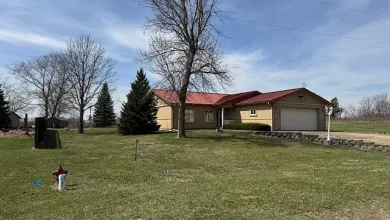
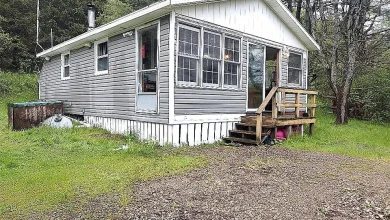
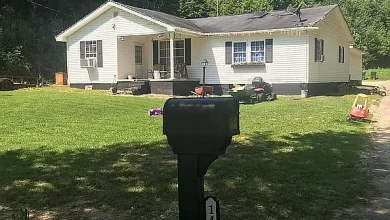
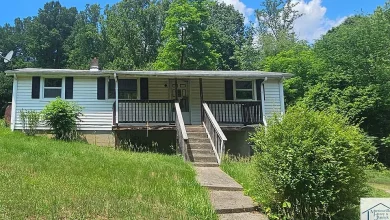
This is a 4 bedroom, 2.0 bathroom, single family home
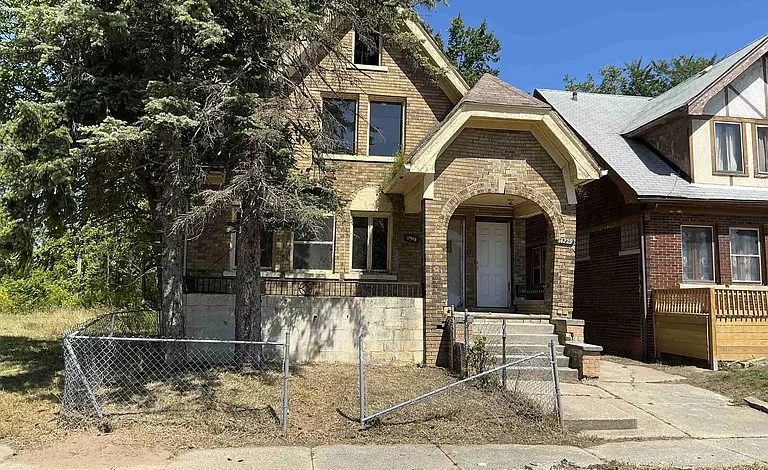
$1,000 Foreclosure in Detroit, Michigan – 4-Bedroom, 2-Bath Home Built in 1927 With Renovation Potential
For buyers searching for extremely low-priced real estate in Detroit, 14227 Houston Whittier St, Detroit, MI 48205 immediately stands out. Listed as a foreclosure for $1,000, this single-family residence includes 4 bedrooms, 2 bathrooms, and a construction date of 1927.
The property is listed through Building Detroit, with the source identified as the Detroit Land Bank Authority. At first glance, the $1,000 price can make the property appear like an extraordinary opportunity to purchase an entire home for less than the cost of many used vehicles. However, properties offered through foreclosure or land-bank programs should be evaluated very differently from ordinary move-in-ready houses.
A $1,000 advertised price does not necessarily mean that the buyer’s total investment will be anywhere close to $1,000. Depending on the property’s physical condition and the requirements attached to the sale, a future owner could face substantial expenses involving structural repairs, roofing, electrical work, plumbing, heating, windows, interior reconstruction, permits, insurance, taxes, and other rehabilitation requirements.
For an experienced investor, contractor, rehabilitation buyer, or someone specifically searching for a Detroit renovation project, however, the low acquisition price and four-bedroom layout may be worth investigating.
The key is understanding that this property should be evaluated based on its total rehabilitation cost and eventual value, not merely its headline price.
Property Overview
The information provided for 14227 Houston Whittier St includes:
- Listed price: $1,000
- Foreclosure property
- Real estate owned special condition
- 4 bedrooms
- 2 bathrooms
- Single-family residence
- Built in 1927
- Located in Detroit, Michigan
- Parcel number: 21014518
- Tax-assessed value reported at approximately $200
- No HOA reported
- No basement listed
- Listed through Building Detroit
- Source: Detroit Land Bank Authority
- Date on market: October 9, 2026
The listing contains relatively little information about the home’s current physical condition, square footage, lot dimensions, utilities, heating system, roof, electrical system, or interior finishes.
That lack of information means due diligence is especially important.
Understanding the $1,000 Listing Price
The most attention-grabbing detail is obviously the $1,000 price.
A buyer should not automatically interpret this as meaning that $1,000 is all that will be required to take ownership and begin living in the house.
Extremely inexpensive foreclosure and land-bank properties may have special purchase conditions. These could potentially include rehabilitation requirements, proof of funds, deadlines for repairs, owner-occupancy conditions, inspection requirements, or other obligations.
The exact terms should be reviewed before making any assumptions.
Even when the acquisition price is genuinely $1,000, the cost of restoring an older distressed home could easily be tens of thousands of dollars—or substantially more.
For this reason, a responsible buyer should separate the financial analysis into two categories:
Acquisition cost and rehabilitation cost.
The first number may be very low.
The second number will usually determine whether the property is truly affordable.
Four Bedrooms Offer Significant Flexibility
The house is listed with 4 bedrooms, which is a substantial bedroom count for a residential property.
If the structure can be successfully rehabilitated, a four-bedroom home could appeal to several different types of future occupants.
Potential uses might include:
- Larger family residence
- Multi-generational home
- Primary bedroom plus children’s rooms
- Guest bedrooms
- Home office
- Hobby room
For investors, a four-bedroom house may potentially appeal to a wider rental market than a one-bedroom or two-bedroom property.
However, the actual size and condition of the bedrooms are not provided.
A buyer should verify whether all four rooms remain functional and legally usable as bedrooms.
Two Bathrooms
The property also includes 2 bathrooms.
That can be an important advantage in a four-bedroom home.
Two bathrooms can make daily life significantly easier for a larger household.
If the bathrooms need complete renovation, potential work could include:
- Plumbing replacement
- New toilets
- New sinks
- Showers or tubs
- Flooring
- Waterproofing
- Lighting
- Ventilation
- Drywall
- Fixtures
Bathrooms can become expensive renovation areas because several building systems are concentrated in a small space.
An inspection should determine whether the existing plumbing infrastructure is salvageable.
Built in 1927
The home was constructed in 1927, which means it is approaching a century old.
Older Detroit homes can offer architectural character and substantial construction, but age also creates additional inspection priorities.
Potential concerns may include:
- Older electrical wiring
- Aging plumbing
- Roof deterioration
- Foundation issues
- Water intrusion
- Insulation deficiencies
- Window condition
- Structural wood deterioration
- Lead-based paint
- Possible asbestos-containing materials
Not every old house will have all of these problems.
However, a buyer should investigate them rather than assuming they are absent.
Lead-Based Paint Should Be Considered
Because the house predates 1978, lead-based paint may be present.
Lead paint was widely used in older homes before federal restrictions changed residential paint standards.
If painted surfaces are intact, the risk can often be managed.
The greater concern comes when deteriorated paint begins to peel, chip, or create dust.
Renovation work can also disturb older painted surfaces.
Anyone rehabilitating the property should follow applicable lead-safe practices and consider professional testing where appropriate.
Possible Asbestos-Containing Materials
Homes built during this era may also contain materials that historically included asbestos.
Possible locations can include:
- Pipe insulation
- Floor tiles
- Adhesives
- Certain siding products
- Old heating-system materials
Asbestos cannot be reliably identified through appearance alone.
Professional testing may be appropriate before demolition or major renovation.
If asbestos is present, removal may require specialized procedures and could add to the rehabilitation budget.
Electrical System Should Be Thoroughly Evaluated
Electrical systems have changed dramatically since 1927.
Even if previous owners updated some wiring, a buyer should not assume the entire system meets modern standards.
An electrician should evaluate:
- Electrical panel
- Service capacity
- Grounding
- Wiring type
- Outlets
- GFCI protection
- Lighting circuits
- Signs of amateur modifications
A complete rewiring project can represent a major expense.
However, modern electrical service can also significantly improve safety and long-term usability.
Plumbing Could Require Major Work
Plumbing is another essential area for inspection.
Older properties may contain a combination of materials installed during different renovations.
Potential issues can include:
- Galvanized steel supply lines
- Corroded pipes
- Cast-iron drain lines
- Frozen or broken pipes
- Missing fixtures
- Sewer-line problems
Vacant properties can be particularly vulnerable to plumbing damage during cold weather if systems were not properly winterized.
Before turning water service on, the entire system should be checked for leaks.
No Basement Reported
The listing states that the home does not have a basement.
This may simplify certain maintenance concerns because there is no basement area to manage for moisture or flooding.
However, buyers should understand what foundation type supports the house.
Possible configurations could include:
- Crawl space
- Slab
- Other foundation design
The foundation should still be inspected carefully.
Structural movement can affect floors, walls, doors, windows, and the roof.
Roof Condition Is Unknown
The listing provides no information about the roof.
For a foreclosure or land-bank property, roof condition should be considered one of the first inspection priorities.
A leaking roof can damage:
- Rafters
- Sheathing
- Ceilings
- Walls
- Insulation
- Electrical systems
- Flooring
If the roof has been leaking for several years, interior damage can become much more serious.
A roofing contractor should evaluate both the exterior roofing material and the structure underneath.
Structural Condition Matters More Than Cosmetic Appearance
A $1,000 house may look inexpensive enough that cosmetic problems seem unimportant.
That is correct—but only because structural issues matter much more.
A potential buyer should prioritize:
- Foundation
- Roof
- Framing
- Electrical system
- Plumbing
- Heating
- Water intrusion
Only after these issues are understood should the buyer focus on paint, flooring, cabinetry, or decorative upgrades.
A house with ugly walls but good structure may be a viable project.
A house with attractive rooms but serious foundation damage may be financially dangerous.
Heating System Should Be Verified
The listing does not specify a heating system.
In Detroit, reliable heating is essential.
Michigan winters can be severe, and a house generally cannot function as a year-round residence without adequate heat.
Buyers should determine:
- Whether a furnace exists
- Whether it operates
- Fuel type
- Age
- Duct condition
- Whether components were removed
Vacant distressed properties sometimes lose mechanical equipment through theft, damage, or deterioration.
A complete HVAC installation could represent another major expense.
Windows and Doors
Older houses may have original or replacement windows from several different periods.
Buyers should inspect for:
- Broken glass
- Missing windows
- Rot
- Drafts
- Failed seals
- Damaged frames
- Poor locks
Windows affect both security and energy efficiency.
If the property has been vacant, securing all openings should be one of the first priorities after purchase.
Security and Property Stabilization
Vacant homes often need immediate stabilization before full renovation begins.
Initial work might include:
- Securing doors
- Boarding broken windows
- Removing trash
- Cutting overgrown vegetation
- Installing exterior lighting
- Changing locks
These relatively simple measures can help protect the property while larger repairs are planned.
Cleanup Costs Can Add Up
Foreclosure and land-bank properties sometimes contain debris, abandoned furniture, appliances, or construction waste.
Cleanup can involve:
- Dumpster rental
- Labor
- Hauling
- Disposal fees
- Hazardous-material handling
A buyer should include cleanup in the rehabilitation budget rather than assuming the house will be empty and ready for contractors.
Potential Kitchen Renovation
The listing provides no kitchen details.
Depending on condition, the kitchen may require anything from simple cosmetic work to complete reconstruction.
Potential expenses include:
- Cabinets
- Countertops
- Sink
- Plumbing
- Electrical outlets
- Appliances
- Flooring
- Lighting
Investors should renovate to the standard supported by comparable homes in the neighborhood rather than overspending on luxury finishes.
Flooring
Flooring condition is also unknown.
Potential issues may include:
- Water damage
- Broken tile
- Missing flooring
- Damaged wood
- Subfloor deterioration
If original hardwood floors remain, they may potentially be refinished.
Restored hardwood can add character and reduce the need for complete replacement.
Interior Walls and Ceilings
Older homes often use plaster rather than modern drywall.
Plaster can be durable, but it may develop:
- Cracks
- Water damage
- Loose sections
- Missing areas
A skilled renovation can preserve good plaster while repairing damaged sections.
In heavily distressed homes, replacing some areas with drywall may be more practical.
Exterior Condition
The listing does not specify siding or exterior materials.
A buyer should inspect:
- Exterior walls
- Trim
- Fascia
- Gutters
- Porch
- Steps
- Foundation
- Drainage
Exterior water management is essential.
Gutters and grading should direct water away from the building.
Potential Curb Appeal Improvements
Once structural repairs are addressed, relatively inexpensive exterior improvements can significantly change the property’s appearance.
Possible projects include:
- Exterior painting
- Lawn cleanup
- Tree trimming
- New house numbers
- Exterior lighting
- Porch repair
- New front door
Curb appeal can be especially important for resale.
The Detroit Land Bank Connection
The listing identifies Building Detroit and the Detroit Land Bank Authority as the source.
Land-bank properties can have purchase procedures and rehabilitation requirements that differ from ordinary real estate transactions.
Potential buyers should carefully review the current program rules before committing.
Requirements may involve demonstrating the financial ability to complete repairs or following specific renovation timelines.
The exact terms should come from the official sale documents.
Rehabilitation Deadlines Could Matter
Some distressed-property programs require buyers to complete certain repairs within a defined period.
If such rules apply here, a buyer needs:
- Available capital
- Reliable contractors
- Permitting knowledge
- Realistic construction schedule
Purchasing the property without enough funds to complete required rehabilitation could create serious problems.
The Purchase Price Is Only the Beginning
Consider the difference between buying a house and restoring one.
The headline price might be:
$1,000
But the buyer may then need money for:
- Closing
- Title work
- Insurance
- Cleanup
- Roof
- Plumbing
- Electrical
- HVAC
- Windows
- Doors
- Kitchen
- Bathrooms
- Flooring
- Paint
The total investment could easily become many times the purchase price.
Renovation Budget Should Include a Contingency
Older distressed houses almost always reveal surprises once work begins.
A prudent renovation budget should include a contingency reserve.
For example, if known repairs are estimated at $50,000, the buyer might reserve another 10% to 20% for unexpected problems.
That provides a financial cushion for issues discovered behind walls or underneath floors.
After-Repair Value Is Critical
For investors, the property’s eventual after-repair value, or ARV, matters much more than the $1,000 acquisition cost.
An investor should research renovated comparable homes nearby with similar:
- Bedroom count
- Bathroom count
- Age
- Size
- Lot characteristics
If comparable renovated homes sell for relatively low amounts, the investor must keep rehabilitation expenses under control.
Example Investment Analysis
An investor might calculate:
Expected resale value
minus renovation costs
minus taxes
minus insurance
minus closing costs
minus holding costs
minus selling expenses
minus desired profit
equals maximum total acquisition budget.
This approach prevents the low headline price from creating unrealistic expectations.
Four Bedrooms Could Help Resale
If restored properly, a four-bedroom house may attract families needing extra space.
Bedrooms can also support modern lifestyle needs such as:
- Remote work
- Guest room
- Exercise space
- Children’s rooms
That flexibility may improve resale appeal.
Two Bathrooms Could Help Rental Demand
For rental investors, two bathrooms can be a strong feature.
Households with several occupants often prefer multiple bathrooms.
A renovated four-bedroom, two-bath property may potentially attract a broader tenant pool than a smaller home.
Local rents should be researched carefully before purchasing for investment.
Rental Strategy
A landlord should estimate:
- Monthly market rent
- Taxes
- Insurance
- Maintenance
- Vacancy
- Property management
- Utilities paid by owner
The very low acquisition price may create attractive theoretical returns, but only if rehabilitation costs remain controlled.
Owner-Occupant Potential
An experienced DIY buyer may also consider the property for personal use.
Someone who can perform some repairs themselves could potentially reduce labor costs.
However, the house should meet safety and habitability standards before occupancy.
Electrical, structural, plumbing, heating, and water issues should take priority over cosmetic improvements.
Open House Information
The listing references an open house scheduled for Saturday, November 7 from 1:00 PM to 5:00 PM.
Prospective buyers should verify the event details closer to the date because schedules can change.
An open house could provide a valuable opportunity to understand:
- Interior condition
- Layout
- Structural concerns
- Neighborhood
- Repair scope
Anyone attending should bring questions and, where permitted, consider having an experienced contractor or inspector evaluate the property.
Neighborhood Evaluation
The surrounding neighborhood matters just as much as the house itself.
Buyers should personally visit and evaluate:
- Nearby home conditions
- Vacant properties
- Traffic
- Street lighting
- Shopping access
- Schools
- Transportation
- Recent sales
Real estate value is influenced by both the property and its surroundings.
Comparable Sales
Investors should study both distressed and renovated sales in the immediate area.
Useful comparisons include:
- Similar four-bedroom houses
- Similar construction age
- Similar condition
- Similar streets
Looking at only asking prices can be misleading.
Closed sales provide better evidence of what buyers have actually paid.
Property Taxes Should Be Verified
The listing shows a tax-assessed value of approximately $200, but that should not be confused with the property’s future property tax burden.
Tax assessments can change following a sale or renovation.
A buyer should confirm:
- Current taxes
- Delinquent taxes
- Future reassessment possibilities
Taxes can affect both owner-occupant affordability and investor cash flow.
Title Search
A title search should be part of due diligence.
Buyers should verify whether there are:
- Liens
- Municipal claims
- Unpaid taxes
- Utility balances
- Legal encumbrances
Foreclosure or land-bank sales may handle some of these differently than ordinary transactions.
The sale documents should explain what transfers to the buyer.
Permit Requirements
Major rehabilitation work may require permits.
Possible permits include:
- Electrical
- Plumbing
- HVAC
- Structural
- Roofing
- Building
Using licensed contractors where required can help ensure the finished property meets local standards.
Insurance Before Closing
Insurance can sometimes be difficult to obtain on severely distressed properties.
A buyer may need:
- Vacant-property insurance
- Builder’s-risk insurance
- Renovation coverage
Standard homeowners insurance may not be available until the house is rehabilitated.
Obtaining insurance quotes before closing can prevent surprises.
Renovation Should Start With Water Protection
If the roof or windows are leaking, stopping water intrusion should generally be the first priority.
Water can quickly damage:
- Framing
- Flooring
- Insulation
- Electrical systems
- Interior finishes
There is little point installing a new kitchen if the roof above it still leaks.
Mechanical Systems Come Next
After the structure is dry and secure, buyers can focus on:
- Electrical
- Plumbing
- Heating
These systems determine whether the house is safe and functional.
Cosmetic renovations should follow.
Kitchen and Bathrooms After Core Systems
Once the infrastructure is reliable, kitchen and bathroom renovations become more practical.
This reduces the risk of opening newly finished walls later to repair pipes or wiring.
Cosmetic Finishes Last
The final stages can include:
- Paint
- Flooring
- Fixtures
- Hardware
- Landscaping
This order protects cosmetic improvements from damage during heavier construction.
Sweat Equity Potential
For a buyer with construction skills, this property could provide significant sweat-equity potential.
Labor is one of the largest renovation costs.
A skilled owner may personally handle:
- Painting
- Flooring
- Cleanup
- Landscaping
- Basic carpentry
Licensed specialists should still handle work requiring professional certification or permits.
Avoid Over-Renovating
Investors should avoid installing finishes that exceed what the local market supports.
Expensive luxury cabinets, high-end stone, or premium fixtures may not produce an equivalent increase in resale value.
The goal should be a safe, clean, durable, attractive home appropriate for the neighborhood.
Potential Energy-Efficiency Improvements
An older home may benefit from:
- Attic insulation
- Air sealing
- Modern furnace
- Efficient windows
- LED lighting
- Updated appliances
Energy improvements can reduce monthly operating costs and make the property more attractive to future buyers or tenants.
Could the House Be Better as a Rebuild?
In extreme cases, buyers may discover that rehabilitation costs exceed the value of preserving the structure.
If the home has severe foundation, framing, roof, or fire damage, demolition and rebuilding may need to be considered.
This decision should be based on professional estimates, zoning, and land value.
The low acquisition price alone should not determine the strategy.
Who Might Be Interested in This Property?
The property may appeal to:
- Experienced real estate investors
- Contractors
- Skilled DIY buyers
- Detroit rehabilitation specialists
- Cash buyers
- Landlords
- Buyers familiar with land-bank programs
The ideal buyer is someone who understands distressed property rather than someone looking for a quick move-in.
Who Should Think Carefully Before Buying?
The home may be unsuitable for:
- Buyers needing immediate housing
- Buyers with no renovation budget
- First-time renovators without professional help
- Buyers expecting a $1,000 total investment
- People relying solely on conventional mortgage financing
A distressed home can require significant capital after purchase.
Questions Buyers Should Ask
Before committing, prospective buyers should determine:
- What rehabilitation requirements apply?
- Is there a deadline for repairs?
- What condition is the roof in?
- Are utilities active?
- Does the home have a working furnace?
- What type of electrical system is present?
- Is the plumbing intact?
- Are there structural problems?
- Is the property currently vacant?
- Are there code violations?
- Are there liens?
- Are taxes current?
- What insurance is available?
- Are permits required for the planned repairs?
These answers are essential to evaluating the opportunity.
A $1,000 Price Can Create Misleading Expectations
The most important lesson is that the $1,000 headline should not be confused with the total cost of becoming the owner of a finished home.
The purchase price may represent only a tiny portion of the final investment.
Suppose a buyer spends:
- $1,000 purchasing the home
- $10,000 on roof and exterior work
- $15,000 on plumbing and electrical
- $10,000 on heating and windows
- $20,000 on kitchen, bathrooms, and interior
The project would already exceed $50,000 before considering many other costs.
Those numbers are only examples, but they illustrate why detailed estimates matter.
Potential Long-Term Value
If the property can be restored economically, a four-bedroom, two-bath single-family home may provide meaningful long-term value.
The finished property could potentially function as:
- Primary residence
- Long-term rental
- Resale investment
The correct strategy depends on local market conditions and the total renovation budget.
Final Thoughts on 14227 Houston Whittier St
At a listed foreclosure price of $1,000, 14227 Houston Whittier St in Detroit, Michigan is guaranteed to attract attention.
The property is a 4-bedroom, 2-bathroom single-family residence built in 1927 and is listed through Building Detroit, with the Detroit Land Bank Authority identified as the source.
The low purchase price creates the possibility of an unusual real estate opportunity, but buyers should approach it with realistic expectations.
This is not simply a four-bedroom house available for the price of a smartphone.
The real financial question is how much money, time, and construction work will be required to transform the property into a safe, legal, comfortable, and marketable residence.
Because the listing provides limited information about square footage, roof condition, heating, plumbing, electrical systems, utilities, and interior condition, professional due diligence is essential.
Buyers should also carefully review any Detroit Land Bank rehabilitation requirements, occupancy conditions, deadlines, proof-of-funds requirements, and other program rules that may apply.
For an experienced investor or contractor, the four-bedroom layout and two bathrooms may create interesting potential if the structure is fundamentally sound.
For an owner-occupant with renovation experience, the home could potentially become a low-cost path toward ownership if sufficient capital is available for rehabilitation.
For someone seeking a move-in-ready property, however, the $1,000 price should not create unrealistic expectations.
The strongest approach is to treat the listing as a renovation project first and a cheap house second.
Calculate the full repair budget, investigate title and code issues, verify the program requirements, study comparable sales, and determine the likely finished value before making a decision.
If those numbers make sense, 14227 Houston Whittier St could become an opportunity to restore a nearly century-old Detroit home and return a four-bedroom residence to productive use.
Listed on Zillow