Mountain beauty

120 Acres in San Luis Colorado With Mountain Views and Off-Grid Living Potential
Owning a large piece of Colorado land is a dream for many people who want more privacy, more space, and a lifestyle that is less dependent on traditional residential development. In San Luis, Colorado, a 120-acre property is currently offered for $80,000 after a recent price reduction, creating an opportunity to explore rural land ownership in the scenic San Luis Valley.
This expansive property combines two adjoining parcels, including approximately 40.05 acres identified as the Melby Ranchette parcel and an adjoining 80-acre parcel. Together, the land provides approximately 120 acres of natural Colorado landscape with mountain, meadow, and valley views.
The property is unimproved land and does not currently offer a house or established residential infrastructure. Instead, its appeal comes from the land itself and the possibilities that may exist for creating a private retreat, small family farm, recreational property, homestead, or off-grid lifestyle destination.
The listing describes the property as totally off grid and highlights the potential for solar power, domestic and stock well use, agricultural activities, grazing, gardening, and multiple dwellings subject to applicable requirements. It also describes County Road 12 as a year-round maintained road providing access to the property and connecting the area with several regional highways and communities.
For someone searching for affordable acreage in Colorado, this property offers an unusual combination of scale, privacy, mountain scenery, and potential self-sufficient living.
120 Acres of Colorado Land for $80,000
The asking price of $80,000 works out to approximately $667 per acre across the full 120 acres.
For buyers interested in land rather than an existing home, acreage pricing can be more relevant than traditional residential metrics such as price per square foot. With no existing residence included, the buyer is primarily purchasing land and the opportunities that may come with it.
The recent price reduction may make the property particularly interesting to buyers who have been watching the San Luis Valley market for larger parcels.
However, prospective buyers should understand that vacant land can involve significant development costs. Roads, driveways, solar equipment, water systems, septic systems, buildings, fencing, agricultural improvements, and other infrastructure can require substantial investment.
The relatively low acquisition price therefore creates an entry point, but the total cost of creating a finished homestead or recreational property could be considerably higher.
Located in the San Luis Valley
San Luis is located in Colorado’s San Luis Valley, an expansive high-elevation region known for its wide-open landscapes, mountain surroundings, agricultural communities, and rural character.
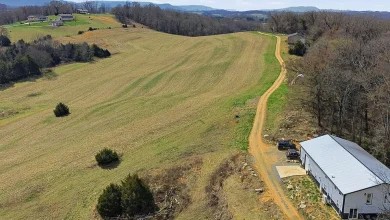
The property is marketed as being surrounded by mountain beauty and offering meadow, mountain, and valley views.
The San Luis Valley is particularly attractive to buyers who want a different pace of life from Colorado’s larger metropolitan areas. Instead of dense residential development, the region offers broad landscapes and opportunities for rural living.
For buyers interested in privacy, agriculture, outdoor recreation, stargazing, or off-grid living, the setting can be especially appealing.
The property is located near County Road 12, which the listing describes as a main regional road connecting San Luis with highways and surrounding communities.
Two Parcels Combined Into One Large Property
One of the most notable characteristics of this opportunity is that the 120 acres consist of two adjoining parcels.
The listing describes approximately 40.05 acres as the Melby Ranchette parcel and an additional adjoining 80-acre parcel.
Having adjoining acreage can provide a greater sense of continuity and flexibility than owning several unrelated properties separated by roads or other land.
The combined property may provide room for different uses across the acreage, depending on zoning, access, water rights, land-use regulations, and the buyer’s plans.
Potential areas could include a homesite, garden, grazing area, recreational space, solar installation, storage structures, or other permitted improvements.
The exact configuration, boundaries, easements, and permitted uses should be confirmed through a title review, survey, county records, and professional due diligence.
Mountain, Meadow, and Valley Views
The listing identifies views of meadows, mountains, and the valley.
For many Colorado land buyers, scenery is one of the most important reasons to purchase acreage.
A property with broad views can create opportunities for homesites positioned to take advantage of sunrise, sunset, mountain scenery, and open landscapes.
The natural setting could also make the property appealing as a weekend destination or private retreat.
Unlike a conventional subdivision where neighboring houses may be visible from every direction, 120 acres can provide substantially more room between living areas and surrounding development, although the actual degree of privacy depends on neighboring parcels and local land use.
A Secluded Colorado Retreat
The listing specifically describes the property as secluded.
Large acreage can create a level of privacy that is difficult to achieve with a standard residential lot.
For someone who wants a quiet retreat away from heavy traffic and dense neighborhoods, this property could potentially offer the space needed to create a private environment.
The land may also appeal to buyers who want to spend time outdoors, establish a rural base, or develop a property gradually.
The important consideration is that seclusion also comes with responsibilities. Rural property owners may need to plan for water, wastewater, electricity, access, snow conditions, maintenance, fencing, communications, emergency services, and other infrastructure that urban homeowners often take for granted.
Completely Off-Grid Living Potential
One of the defining features of this property is its off-grid status.
The listing describes the land as totally off grid and suggests that the owner could provide solar power.
For buyers interested in sustainable living, this can be an attractive opportunity.
An off-grid property can potentially use solar panels, battery storage, backup generators, propane systems, wood heating, and other technologies to reduce or eliminate dependence on conventional utility infrastructure.
However, off-grid living requires careful planning.
Solar energy production depends on system size, sunlight, battery capacity, electrical demand, seasonal conditions, and backup arrangements. A professional solar installer should evaluate the property and determine what equipment would be required for the buyer’s intended use.
Off-grid does not necessarily mean inexpensive. Building a reliable independent power system can involve a significant upfront investment.
Solar Power for a Rural Homestead
Solar energy could be particularly relevant for this property because the listing specifically describes self-sufficient living supported by solar power.
A future owner could potentially design a solar system around the actual needs of the property.
A small recreational cabin might require a relatively modest system, while a full-time residence with refrigeration, heating, water pumps, internet equipment, workshop tools, and other appliances would require substantially more capacity.
Battery storage can also be important because electricity generated during the day may need to be stored for nighttime use.
Backup power may be advisable, especially for critical systems such as water pumps.
Before investing in solar equipment, buyers should evaluate the property’s solar exposure, building location, utility requirements, local regulations, and equipment options.
Domestic and Stock Well Potential
Water is one of the most important considerations for any rural Colorado property.
The listing states that the property is eligible for a domestic and stock well.
According to the listing, such a well could allow water use for household needs, landscaping, livestock, and gardening, with irrigation of up to one acre of crops. The listing also states that three dwellings may be able to draw from the well.
These are significant possibilities, but buyers should verify all water rights, well permits, allowable uses, production limitations, and current regulations directly with the appropriate Colorado authorities and professionals.
Water rights and well regulations can be complex, particularly in agricultural regions.
The listing’s description should therefore be treated as an important starting point for research rather than a substitute for a formal water-rights and well review.
Potential for a Small Family Farm
The property is described as suitable for grazing and potentially supporting agricultural activities.
With 120 acres available, there is considerably more space than a typical residential property.
A buyer interested in homesteading could potentially explore uses such as livestock, gardening, small-scale agriculture, pasture management, and other rural activities.
The property’s eligibility for a domestic and stock well could potentially support certain household and agricultural needs, subject to verification.
A small family farm could also include structures such as barns, sheds, greenhouses, fencing, livestock shelters, and equipment storage.
Every agricultural improvement should be evaluated against zoning, county regulations, water rights, access, and applicable building requirements.
Grazing Potential
The property is specifically identified as suitable for grazing.
Large acreage can provide room for livestock, although actual carrying capacity depends on vegetation, precipitation, soil conditions, water availability, fencing, management practices, and seasonal conditions.
Prospective buyers interested in cattle, horses, goats, sheep, or other livestock should conduct a detailed evaluation of the land’s agricultural suitability.
The ability to own acreage does not automatically mean that livestock operations will be practical or permitted at every scale.
A local agricultural professional or land specialist can provide valuable insight into pasture conditions and appropriate stocking levels.
Potential for Gardening and Irrigation
Another interesting feature described in the listing is the potential to irrigate up to one acre of crops.
For a buyer interested in self-sufficient living, a productive garden could become an important part of the property.
A garden could potentially include vegetables, herbs, fruit-bearing plants, or other crops appropriate for the region and climate.
However, gardening in the San Luis Valley requires understanding the local growing season, elevation, temperatures, water availability, soil conditions, and weather patterns.
A greenhouse or protected growing structure could potentially extend the growing season, subject to local requirements.
Three-Dwelling Potential Mentioned in the Listing
The listing states that the well arrangement could allow up to three dwellings to draw from the well.
This is one of the most important details for buyers considering a multi-generational or multi-structure property.
Three potential dwellings could theoretically create opportunities for a primary residence, guest home, family cabin, or other residential structures.
However, buyers should not interpret this as an automatic approval to construct three homes.
The actual number of permitted dwellings depends on zoning, subdivision rules, building regulations, water rights, wastewater requirements, access, fire safety, and other local regulations.
Anyone purchasing the property specifically for multiple dwellings should obtain written confirmation from the appropriate authorities before relying on this possibility.
Building a Colorado Cabin
A cabin could be one of the most natural concepts for this type of property.
The wide-open setting, mountain views, privacy, and off-grid characteristics could potentially support a recreational retreat.
A future cabin could be designed around the surrounding landscape with large windows, outdoor living areas, solar power, and efficient heating systems.
The property’s lack of existing improvements means a buyer would have considerable freedom to develop a vision from the beginning, although that freedom comes with development costs.
Before construction, buyers should verify building permits, setbacks, driveway requirements, foundation requirements, water supply, wastewater disposal, wildfire considerations, and all applicable county regulations.
A Weekend Getaway or Vacation Retreat
Not every buyer wants to establish a full-time homestead.
The property could potentially appeal to someone looking for a private weekend or seasonal retreat.
A simple cabin or permitted recreational structure could provide a place to disconnect from urban life, spend time outdoors, and enjoy the surrounding Colorado landscape.
The listing’s emphasis on stargazing and the Milky Way is particularly appealing for a retreat concept.
Large rural acreage generally provides fewer artificial lights than urban areas, which can make nighttime skies especially attractive.
Actual nighttime visibility depends on weather, surrounding development, terrain, and other conditions, but the rural environment may offer excellent opportunities for enjoying the night sky.
Stargazing and the Night Sky
The listing uses the imagery of watching the stars and the Milky Way from the property.
For astronomy enthusiasts, a large rural parcel can be appealing because there may be less light pollution than in heavily developed areas.
A future owner could potentially create a dedicated outdoor observation area, build a small astronomy shelter, or simply enjoy stargazing from a porch or campsite.
This aspect also reinforces the property’s potential as a recreational retreat rather than simply an agricultural investment.
Access Through County Road 12
Access is critical for rural land, and the listing states that County Road 12 is maintained year round and provides good access.
The road is described as an important connection through the region, linking San Luis with Highway 159, San Acacio, Highway 142, Blanca, Highway 160, and County Road Z toward La Jara and Highway 285.
This regional road network may make the property more practical for someone who needs to travel between communities.
However, buyers should independently evaluate road conditions, winter access, maintenance responsibilities, easements, driveway access, and the exact route to the property.
A rural road being maintained does not mean that every portion of a private driveway will receive the same level of maintenance.
Residential Zoning
The property is listed with residential zoning.
This is an important factor for buyers considering future development.
Residential zoning can potentially provide opportunities for homes or other permitted residential uses, but zoning alone does not establish that every proposed structure or land use is automatically permitted.
Setbacks, density, building codes, water availability, wastewater requirements, access, and other regulations can all affect development.
Prospective buyers should verify the current zoning classification directly with the relevant county authority before purchasing.
No HOA
The property is listed without an HOA.
For many rural land buyers, the absence of a homeowners association can be appealing because there may be fewer private community rules governing property use.
However, the absence of an HOA does not mean that the land is unrestricted.
County zoning, state laws, building codes, environmental regulations, water rights, access agreements, and other governmental requirements still apply.
The buyer should distinguish between private HOA restrictions and public land-use regulations.
Natural-State Landscape
The listing describes the property’s vegetation as being in a natural state.
This means buyers should expect the land to retain its natural rural character rather than resembling a developed residential subdivision.
Natural terrain can provide beauty and privacy, but it may also require land management.
Potential owners should consider fencing, vegetation management, erosion, drainage, access roads, snow conditions, and other maintenance requirements.
A professional land inspection can help identify opportunities and limitations.
Potential Long-Term Homestead
For someone interested in building a long-term rural lifestyle, 120 acres can provide substantial flexibility.
A homestead could potentially include:
- A primary residence
- Garden space
- Livestock areas
- Solar power
- Water infrastructure
- Storage buildings
- Workshop space
- Recreational areas
- Guest accommodations
- Outdoor gathering spaces
- Trails
- Agricultural improvements
The actual feasibility of each use must be confirmed through local planning, zoning, water, and building authorities.
The important advantage is that the property offers enough acreage to separate different activities across the land rather than concentrating everything around one small homesite.
Investment Perspective
Land investments differ from traditional house investments.
With vacant acreage, there is no rental income from an existing residence and no immediate finished structure.
Instead, the potential value may come from the land’s location, permitted uses, water access, development possibilities, recreational appeal, agricultural potential, and long-term demand.
At $80,000, the property’s approximate $667-per-acre asking price provides a straightforward starting point for financial analysis.
But buyers should also budget for property taxes, insurance if applicable, access maintenance, fencing, well development, solar equipment, construction, septic systems, and other infrastructure.
Land should be purchased based on a realistic long-term plan rather than simply because the per-acre price appears attractive.
Due Diligence Is Essential
Large rural properties require careful due diligence.
Before purchasing, prospective buyers should investigate:
- Exact parcel boundaries
- Survey information
- Legal access
- Road maintenance
- Easements
- Water rights
- Well eligibility
- Well permitting
- Domestic and stock water use
- Irrigation rights
- Septic feasibility
- Zoning
- Building setbacks
- Number of permitted dwellings
- Agricultural uses
- Grazing potential
- Soil conditions
- Floodplain status
- Drainage
- Terrain
- Utility availability
- Solar feasibility
- Cellular service
- Internet availability
- Emergency access
- Property taxes
- Title conditions
Because the property is being marketed as an off-grid opportunity, these questions are especially important.
Property Facts at a Glance
- Asking price: $80,000
- Property type: Unimproved land
- Location: San Luis, Colorado
- Acreage: Approximately 120 acres
- Parcels: Approximately 40.05 acres plus adjoining 80 acres
- Zoning: Residential
- HOA: None
- Views: Meadow, mountain, and valley
- Land characteristics: Foothills, secluded, suitable for grazing
- Vegetation: Natural state
- Water: Well eligibility described in listing
- Potential well use: Domestic and stock, subject to verification
- Potential crop irrigation: Up to one acre as described by listing
- Potential dwellings: Listing describes up to three dwellings drawing from the well, subject to applicable requirements
- Utilities: Off-grid
- Solar: Potential self-sufficient power source
- Road: County Road 12 access
- Road surface: Dirt
- Annual property tax: $984
- Listing terms: Cash or conventional
- HOA: No
- Existing buildings: None indicated
- Bedrooms: None
- Bathrooms: None
Final Thoughts
The opportunity to own 120 acres of Colorado land for $80,000 is likely to attract buyers who value privacy, open space, mountain scenery, and the possibility of creating something from the ground up.
This San Luis property is particularly interesting because it combines approximately 120 acres of adjoining land with mountain, meadow, and valley views, residential zoning, rural road access, grazing potential, and an off-grid lifestyle concept.
The listing’s discussion of domestic and stock well eligibility, potential household and agricultural water use, possible irrigation, and potential support for multiple dwellings adds another layer of interest. Nevertheless, these possibilities should be independently verified before a buyer relies on them for a development plan.
The property may appeal to someone dreaming of a Colorado cabin, private retreat, small family farm, recreational base, or self-sufficient homestead. The absence of an HOA and the large acreage provide flexibility, while the surrounding San Luis Valley landscape creates the type of rural setting that many buyers seek when they leave more densely populated areas.
At the same time, vacant land requires planning. The buyer will need to think about water, wastewater, electricity, access, construction, solar power, heating, fencing, agriculture, and ongoing maintenance.
For the right buyer, however, the opportunity is not simply about purchasing 120 acres. It is about acquiring the space to develop a personal vision over time.
Whether that vision involves a modest off-grid cabin, a family homestead, a small agricultural operation, a recreational retreat, or simply a private piece of Colorado where the night sky can be enjoyed away from city lights, this property offers a remarkable amount of land at a relatively accessible entry price.
The best approach is to combine the property’s natural appeal with disciplined due diligence. Verify the water rights, well eligibility, zoning, dwelling allowances, access, development requirements, and all associated costs before making a commitment. With those questions answered, the 120 acres could become a compelling foundation for a uniquely Colorado rural lifestyle.


Listed on Zillow