Looking for an affordable way into homeownership
$12,900 Mobile Home in Moosic, Pennsylvania – 2 Bedrooms, Public Utilities, and Seller-Financing Potential
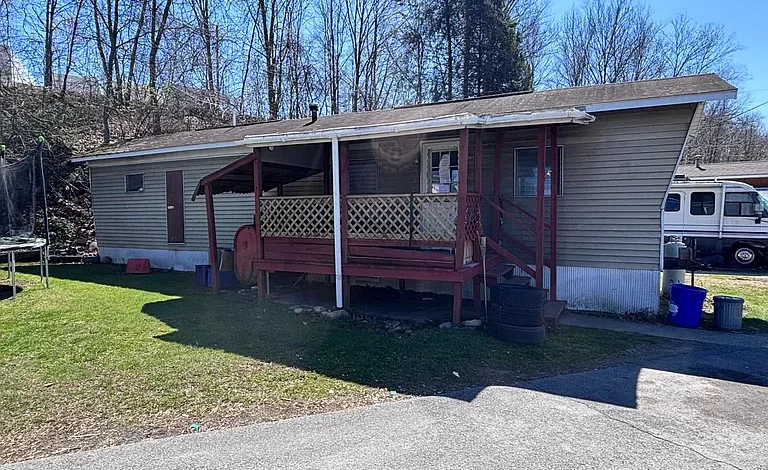
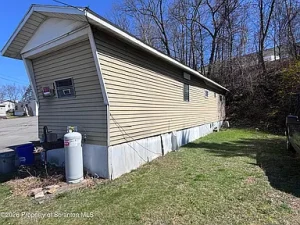
For buyers searching for one of the most affordable paths into homeownership in Pennsylvania, 1054 Springbrook Ave Trailer 41, Moosic, PA 18507 offers a small but interesting opportunity. Listed for $12,900, this single-wide mobile home includes 2 bedrooms, 1 full bathroom, approximately 470 square feet of living space, public water, public sewer, propane heating, accessible parking, and a compact one-story layout.
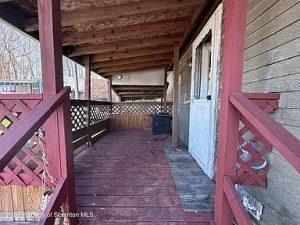
The property was built in 1970 and is being sold as is, with the listing specifically noting that it requires some TLC. That means buyers should approach it as an inexpensive fixer-upper rather than a fully updated move-in-ready residence.
One of the most notable features is the possibility of seller financing through the park owners within a one-year timeframe, according to the listing. For buyers who may have difficulty using traditional financing on an older mobile home, that could be an important option to investigate. The exact terms, interest rate, down payment, monthly payment, approval criteria, and ownership conditions should all be confirmed directly before making a decision.
At approximately $27 per square foot, the asking price is extremely low compared with most conventional homes. However, mobile-home ownership has a different cost structure from purchasing a traditional house on owned land. Buyers should pay particular attention to lot rent, park rules, utility costs, insurance, maintenance, financing restrictions, and whether they own the land beneath the home.
For the right cash buyer, downsizer, investor, or person willing to renovate a very compact property, this Moosic mobile home may offer an unusually low entry price.
Property Overview
The listing provides the following key details:
- Asking price: $12,900
- 2 bedrooms
- 1 full bathroom
- Approximately 470 square feet of living space
- Approximately $27 per square foot
- Single-wide mobile home
- Built in 1970
- One-story layout
- Vinyl siding
- Asphalt roof
- Propane heating
- Ceiling fans
- Free-standing gas oven
- Water heater
- Vinyl flooring
- Public sewer
- Public water
- 220-volt electrical service
- Accessible parking
- Residential R-2 zoning
- Cash terms
- Seller financing reportedly available through park owners within one year
- Annual reported property taxes of approximately $643
- Tax-assessed value of approximately $3,000
- Property being sold as is
- TLC required
The home is small, but that may be part of the appeal for buyers focused on affordability and simplicity.
An Affordable Entry Point Into Homeownership
The asking price of $12,900 is clearly the feature most likely to attract attention.
In many markets, that amount would not cover even a modest down payment on a traditional house. Here, it is the asking price for the mobile home itself.
For buyers who want to reduce housing costs, avoid a large mortgage, or purchase something with cash, that can be attractive.
However, the low price should not be considered in isolation.
Potential buyers need to understand the full monthly cost, including:
- Lot rent
- Property taxes
- Insurance
- Propane
- Electricity
- Water if separately billed
- Sewer if separately billed
- Trash
- Maintenance
- Repairs
- Park fees
A $12,900 purchase can still become expensive if recurring park costs are high.
Seller Financing Could Be Important
The listing notes that the park owners are open to seller financing within a one-year timeframe.
That is potentially one of the most valuable aspects of the offering.
Traditional lenders often hesitate to finance older mobile homes, particularly homes built before modern manufactured-housing standards became more established.
A 1970 single-wide may not qualify for a standard mortgage.
Seller financing may therefore provide an alternative path.
However, buyers should obtain written details covering:
- Required down payment
- Interest rate
- Monthly payment
- Length of loan
- Balloon payment if any
- Late fees
- Approval process
- Whether lot rent is separate
- Whether title transfers immediately or after payoff
- Insurance requirements
A one-year financing period is relatively short, so the monthly payment or final balloon amount could be substantial.
Cash Terms Are Also Listed
The property facts identify cash as a listing term.
That likely means a cash purchase may be the simplest transaction.
For a low-priced home, buyers with available funds may prefer cash because it avoids:
- Loan origination fees
- Interest
- Financing delays
- Appraisal requirements
Still, a cash buyer should not skip inspections or due diligence.
The low purchase price does not eliminate the risk of expensive repairs.
Only 470 Square Feet
The home includes approximately 470 square feet of interior living area.
That is extremely compact.
For perspective, many one-bedroom apartments are larger than this entire home.
However, small-space living has several advantages:
- Lower heating requirements
- Fewer rooms to clean
- Less furniture needed
- Lower renovation material costs
- More efficient daily living
For one person or a couple, 470 square feet can work if the layout is efficient and storage is planned carefully.
For larger households, the space may feel restrictive.
Two Bedrooms in a Compact Footprint
Despite the small size, the home includes 2 bedrooms.
Bedroom 1 measures approximately 10 feet by 9 feet, or about 90 square feet.
Bedroom 2 measures approximately 10 feet by 7 feet, or about 70 square feet.
These are modest rooms.
Bedroom 1 could potentially fit:
- Full or queen-size bed
- Small dresser
- Nightstand
Bedroom 2 may work better as:
- Child’s bedroom
- Guest room
- Home office
- Storage room
- Hobby space
In a home this compact, multifunctional rooms can significantly improve usability.
Living Room
The living room measures approximately 10 feet by 13 feet, providing about 130 square feet.
That makes it the largest room in the home.
Furniture selection will matter.
Oversized sofas could quickly overwhelm the space.
More practical options may include:
- Small sofa
- Loveseat
- Wall-mounted television
- Narrow shelving
- Compact coffee table
Light-colored finishes and simple furniture arrangements can make a small room feel less crowded.
Compact Kitchen
The kitchen measures approximately 10 feet by 9 feet, or around 90 square feet.
For a 470-square-foot home, that is actually a meaningful portion of the interior.
The kitchen includes a free-standing gas oven.
A compact kitchen can work well if storage is organized efficiently.
Possible improvements could include:
- Wall shelving
- Compact cabinetry
- Pantry storage
- Small rolling island
- Better lighting
- Updated countertops
Because the property is being sold as is, buyers should inspect cabinets, plumbing, flooring, appliances, and electrical outlets carefully.
Full Bathroom
The bathroom measures approximately 5 feet by 8 feet, or around 40 square feet.
That is a typical compact bathroom size.
Buyers should inspect:
- Shower or tub
- Toilet
- Sink
- Plumbing
- Flooring
- Ventilation
- Water damage
In an older mobile home, bathroom moisture can sometimes cause subfloor deterioration.
A soft or damaged floor can require more extensive repairs than a simple cosmetic update.
One-Story Living
The home is entirely on one level.
This can be a practical advantage.
There are no interior stairs, which may appeal to:
- Retirees
- Downsizers
- Buyers with mobility concerns
- People who prefer simple layouts
The one-story configuration also makes cleaning and maintenance easier.
Accessible Parking
The listing identifies accessible parking.
That may be useful for residents who need easier vehicle access.
Buyers should verify exactly where the parking space is located and whether it is assigned to this home.
They should also ask whether additional guest parking is available.
Propane Heating
The home uses propane heat.
Propane is common in mobile homes.
Buyers should determine:
- Age of heating equipment
- Tank ownership
- Tank location
- Fuel costs
- Service history
Heating a 470-square-foot home may require less fuel than heating a larger house, but insulation quality makes a major difference.
Older mobile homes can lose heat quickly if weatherization has not been improved.
No Central Air Listed
Cooling is provided only by ceiling fans according to the listing.
There is no central air-conditioning system identified.
Future cooling options might include:
- Window unit
- Portable air conditioner
- Ductless mini-split
A mini-split could potentially provide both cooling and supplemental heating, depending on electrical capacity and park approval.
220-Volt Electrical Service
The property includes 220-volt electrical service.
This is useful because higher-voltage circuits may support:
- Dryer
- Electric appliances
- Certain HVAC systems
- Other equipment
An electrician should still inspect the panel and wiring because of the home’s age.
Public Water
The property has public water.
This is convenient compared with a private well.
Buyers do not need to worry about:
- Well pump
- Water testing
- Well depth
- Drilling costs
However, they should confirm whether water is included in lot rent or billed separately.
Public Sewer
The home is also connected to public sewer.
That eliminates the need for septic maintenance.
Again, buyers should determine whether sewer charges are included in lot rent or paid separately.
Vinyl Flooring
The listing identifies vinyl flooring throughout at least part of the home.
Vinyl can be practical in a mobile home because it is:
- Easy to clean
- Relatively inexpensive to replace
- Moisture resistant
- Available in many styles
If the current flooring is worn, replacement across only 470 square feet may be more affordable than in a large home.
Vinyl Siding
The exterior has vinyl siding.
Vinyl siding is generally low maintenance.
It does not require frequent painting and can often be cleaned easily.
Potential issues to inspect include:
- Cracked panels
- Loose siding
- Warping
- Missing sections
- Moisture behind the siding
Asphalt Roof
The roof is identified as asphalt.
Roof condition is one of the most important items to inspect before purchase.
Buyers should determine:
- Approximate roof age
- Leak history
- Missing shingles
- Soft roof areas
- Flashing condition
A roof replacement on a small single-wide may be less expensive than on a traditional house, but it is still a major expense relative to a $12,900 purchase price.
Built in 1970
The home’s age is another important factor.
A 1970 mobile home is more than 50 years old.
That does not automatically mean it is unusable, but it does mean buyers should inspect major systems carefully.
Potential concerns include:
- Plumbing
- Electrical wiring
- Subfloor
- Roof
- Windows
- Insulation
- Heating
- Structural frame
- Exterior skin
- Supports
Older mobile homes may also have limited financing and insurance options.
Pre-HUD-Code Construction
Because the home was built in 1970, it predates the federal Manufactured Home Construction and Safety Standards that took effect in 1976.
This is an important distinction.
Pre-1976 mobile homes can be more difficult to:
- Finance
- Insure
- Relocate
- Resell
Some parks and municipalities also have special rules concerning older units.
Buyers should investigate these issues before purchase.
No Traditional Foundation
The listing identifies no foundation.
That is common for older mobile homes, which may sit on piers or blocks rather than a permanent foundation.
Buyers should inspect:
- Supports
- Leveling
- Tie-downs
- Skirting
- Ground conditions
An uneven support system can cause:
- Sloping floors
- Sticking doors
- Cracks
- Structural stress
Very Small Lot Figure
The listing identifies a 435-square-foot lot, while dimensions are given as approximately 50 feet by 25 feet.
Those figures do not mathematically match, so buyers should verify what the listing is actually describing.
In mobile-home parks, the resident often does not own the underlying land.
The lot dimensions may refer to the leased site rather than deeded land.
This should be clarified carefully.
Lot Rent Is One of the Biggest Questions
The listing does not provide the monthly lot rent.
That is one of the most important missing financial details.
Before purchasing, buyers should ask:
- What is current lot rent?
- What does it include?
- How often can it increase?
- Is there a security deposit?
- Are there application fees?
- Are there transfer fees?
- Are water, sewer, trash, or snow removal included?
A cheap mobile home can become less affordable if lot rent is high.
Park Approval May Be Required
Most mobile-home communities require buyers to apply for residency.
The park may evaluate:
- Income
- Credit
- Criminal background
- Rental history
- Number of occupants
- Pets
A buyer should not assume purchasing the mobile home automatically guarantees the right to keep it in the park.
Park approval should ideally be addressed before closing.
Rules and Restrictions
Park rules may govern:
- Pets
- Parking
- Exterior changes
- Sheds
- Decks
- Landscaping
- Noise
- Guests
- Rentals
- Home improvements
Buyers should request the complete park rules before purchasing.
Annual Taxes of Approximately $643
The reported annual property tax is approximately $643.
That is notable because the tax bill represents a meaningful percentage of the $12,900 purchase price.
Over ten years, if taxes remained unchanged, the owner would pay approximately $6,430 in property taxes.
This should be included in long-term ownership planning.
Tax-Assessed Value of Approximately $3,000
The tax-assessed value is listed at approximately $3,000.
The asking price is substantially higher than the assessment.
That is not automatically unusual, but buyers should compare similar mobile-home sales in the area before deciding whether the price is reasonable.
Being Sold As Is
The property is being sold as is.
That means buyers should expect the seller may not complete repairs before closing.
This increases the importance of inspection.
“As is” does not mean buyers cannot inspect the property.
It simply means repair requests may not be part of the transaction.
What “Needs TLC” Could Mean
The listing says the property requires some TLC.
That phrase can mean many things.
It may refer to:
- Paint
- Flooring
- Cabinets
- Fixtures
- Cleaning
- Exterior work
Or it could involve larger repairs.
Buyers should not assume the work is cosmetic until the home is inspected.
Potential Renovation Projects
Possible improvements could include:
- Interior paint
- New vinyl flooring
- Updated lighting
- Kitchen cabinet refinishing
- Bathroom updates
- New window coverings
- Exterior cleaning
- Skirting repair
Because the home is small, cosmetic renovations may require fewer materials than in a larger property.
Subfloor Inspection Is Important
Older mobile homes can develop subfloor problems, especially near:
- Bathroom
- Kitchen
- Exterior doors
- Water heater
Leaks may damage particleboard or plywood beneath the finished flooring.
Buyers should walk every area carefully and check for soft spots.
Plumbing Inspection
Plumbing should be evaluated for:
- Leaks
- Frozen pipes
- Corrosion
- Low pressure
- Drain problems
Mobile homes often have plumbing located in areas vulnerable to cold weather.
Proper insulation and heat tape may be important during winter.
Electrical Inspection
A licensed electrician should evaluate:
- Panel
- Wiring
- Outlets
- 220-volt circuits
- Grounding
Electrical standards have changed significantly since 1970.
Updates may be needed for safety and insurance.
Water Heater
The listing includes a water heater.
Buyers should determine:
- Age
- Fuel type
- Condition
- Capacity
- Leak history
A failing water heater can damage the floor beneath it.
Insurance Could Be Challenging
Insuring a 1970 mobile home may be more difficult than insuring a newer manufactured home.
Some insurers have age restrictions.
Others may require:
- Inspection
- Roof certification
- Electrical updates
- Structural improvements
Insurance quotes should be obtained before purchase.
Financing Challenges
Traditional mortgages are often unavailable for older mobile homes, particularly those on leased land.
Seller financing may therefore be especially valuable here.
Alternative financing could include:
- Personal loan
- Chattel loan
- Cash purchase
- Seller financing
Each option has different interest rates and terms.
One-Year Seller Financing Requires Careful Math
If the seller-financing term is limited to one year, buyers should calculate the payment carefully.
For example, financing most of a $12,900 purchase over only 12 months could create a relatively high monthly payment even before interest.
Buyers should ask whether there is:
- Balloon payment
- Flexible payment schedule
- Required down payment
- Early payoff penalty
Potential Downsizing Option
This home may be attractive to someone who wants to live with less.
A 470-square-foot residence requires a more minimalist approach.
That may appeal to:
- Retirees
- Single adults
- Couples
- People focused on low-cost living
The key is whether the buyer is comfortable with limited storage and compact rooms.
Potential First Home
The listing specifically presents the property as an affordable way into homeownership.
For some buyers, that may be accurate.
Owning a mobile home can provide more control than renting an apartment.
However, because the land may be leased, buyers should understand that they could still have a monthly lot payment even after the home itself is fully paid off.
Mobile Home Ownership Versus Traditional Homeownership
This distinction is essential.
With a traditional house, the buyer usually owns both the building and land.
In a mobile-home park, the buyer often owns only the home and rents the lot.
That can affect:
- Appreciation
- Monthly costs
- Financing
- Resale
- Park rules
A buyer should fully understand what is and is not being purchased.
Potential Investment Property
An investor may consider the home because of its low acquisition cost.
However, park rules may prohibit rentals or require approval.
Before purchasing for investment, buyers should verify:
- Whether subleasing is allowed
- Whether tenants need park approval
- Maximum occupancy
- Rental fees
Without this information, rental income should not be assumed.
Resale Considerations
Older mobile homes can have a limited resale market.
Potential future buyers may face the same financing and insurance challenges.
That means appreciation should not be assumed.
The property may make more sense for someone who plans to use it personally for several years.
Road Access
The road surface is listed as asphalt.
Paved access can make the property easier to use year-round.
Buyers should confirm snow-removal responsibilities inside the park.
Moosic Location
The home is located in Moosic, Pennsylvania.
For residents, nearby access to Scranton-area employment, shopping, healthcare, dining, and major roads may add convenience.
A buyer should evaluate:
- Commute time
- Grocery access
- Medical care
- Public transportation
- Local services
The location may be one of the property’s strongest advantages compared with more remote inexpensive mobile homes.
Small Space, Lower Utility Potential
A 470-square-foot home may use less energy than a larger property.
Potential advantages include:
- Lower propane use
- Lower electricity
- Less cooling demand
However, older construction may have weaker insulation.
Energy efficiency depends on condition, not size alone.
Weatherization Improvements
Potential upgrades could include:
- Sealing air leaks
- Improving skirting
- Adding insulation where possible
- Weather-stripping doors
- Replacing inefficient windows
- Insulating plumbing
These improvements could help lower winter heating costs.
Storage Solutions Matter
Small homes require creative storage.
Useful strategies could include:
- Wall shelves
- Under-bed storage
- Tall cabinets
- Hooks
- Foldable furniture
- Multipurpose seating
Good organization can make 470 square feet feel far more functional.
Furniture Scale Is Important
Large furniture will make the interior feel crowded.
Buyers may prefer:
- Apartment-size sofa
- Narrow dining table
- Compact bed frames
- Wall-mounted television
- Minimal side tables
A small home works best when every item has a clear purpose.
No Attic
The property has no attic.
That limits overhead storage.
This makes efficient bedroom, kitchen, and exterior storage even more important.
Buyers should ask whether sheds are permitted in the park.
Potential Exterior Improvements
If park rules allow, exterior improvements might include:
- New skirting
- Small steps or porch
- Exterior lighting
- Planters
- Fresh trim paint
Even modest exterior improvements can make an older mobile home feel much more inviting.
Questions Buyers Should Ask Before Purchase
A serious buyer should ask:
- What is the lot rent?
- Is the land included?
- What utilities are included in lot rent?
- Is park approval required?
- What are the seller-financing terms?
- Is there a down payment?
- What interest rate applies?
- Is there a balloon payment?
- Are pets allowed?
- Can the home be rented?
- Is the title clear?
- Is the home currently insured?
- How old is the roof?
- Is the heating system working?
- Are there soft floors?
- Has the plumbing been updated?
- Has the electrical system been updated?
- What are average propane costs?
These answers will matter more than the low purchase price alone.
Why the Lot-Rent Number Could Change Everything
Suppose the home costs only $12,900.
That sounds extremely affordable.
But if lot rent were several hundred dollars per month, the long-term cost could eventually exceed the cost of the home itself many times over.
This is why mobile-home buyers should calculate:
Purchase cost + monthly lot rent + utilities + taxes + insurance + maintenance.
That total is the true cost of ownership.
Potential Monthly Budget
A buyer’s monthly expenses could include:
- Lot rent
- Propane
- Electricity
- Insurance
- Taxes
- Water or sewer charges if separate
- Financing payment
The low purchase price is helpful, but affordability depends on the complete budget.
Due Diligence Checklist
Before buying, prospective owners should inspect:
- Roof
- Floor structure
- Plumbing
- Electrical
- Heating
- Water heater
- Siding
- Windows
- Doors
- Skirting
- Supports
- Appliances
They should also review:
- Title
- Tax status
- Park lease
- Community rules
- Financing agreement
Who Might Find This Property Attractive?
This home may appeal to:
- Cash buyers
- Downsizers
- Retirees
- Single buyers
- Couples
- DIY renovators
- Buyers seeking inexpensive housing
- People comfortable with park living
Its strongest advantage is the low purchase price.
Who Should Think Carefully Before Buying?
The home may be less suitable for someone who:
- Needs a large living area
- Wants land ownership
- Requires traditional mortgage financing
- Wants a modern home
- Does not want renovation work
- Wants central air
The 1970 construction date and 470-square-foot size create real limitations.
Why a Professional Inspection Still Matters
Some buyers may be tempted to skip an inspection because the home costs only $12,900.
That could be a mistake.
A few major repairs could equal or exceed the purchase price.
For example:
- Roof
- Heating system
- Electrical upgrade
- Plumbing
- Floor replacement
An inspection can help buyers understand whether the project remains affordable.
Renovation Budgeting
A smart renovation budget should separate:
Essential Repairs
- Leaks
- Electrical safety
- Heating
- Plumbing
- Structural floor issues
Cosmetic Improvements
- Paint
- Flooring
- Cabinets
- Lighting
Safety and function should always come first.
Potential Value of Public Utilities
Public water and public sewer are important advantages.
A similar rural mobile home might rely on:
- Private well
- Septic system
Both can create additional maintenance costs.
Public utilities simplify some aspects of ownership.
The Importance of Clear Title
Mobile-home titles can sometimes be more complicated than traditional real estate deeds.
Buyers should confirm:
- Title number
- Current owner
- No liens
- No unpaid taxes
- No park balances
The transfer should be documented properly.
Final Thoughts on 1054 Springbrook Ave Trailer 41
At $12,900, 1054 Springbrook Ave Trailer 41 in Moosic, Pennsylvania offers an extremely affordable two-bedroom housing option for the right buyer.
The 1970 single-wide provides approximately 470 square feet, including 2 bedrooms, 1 full bathroom, a 130-square-foot living room, a compact kitchen, public water, public sewer, propane heat, ceiling fans, and accessible parking.
The property is being sold as is and requires some TLC, so buyers should budget for repairs rather than assuming it is fully updated.
The possibility of seller financing through the park owners within a one-year timeframe is particularly interesting because older mobile homes can be difficult to finance through traditional lenders. However, the exact terms should be reviewed carefully because a short financing period can result in significant monthly payments or a balloon balance.
One of the most important unanswered questions is the amount of monthly lot rent and exactly what that payment includes.
Because this is a mobile home in a park, the buyer may own the structure but not the land beneath it. Lot rent, park rules, utility responsibilities, insurance, taxes, and resale restrictions are all central to the true ownership cost.
The home’s age also deserves attention. Built in 1970, it predates the federal HUD manufactured-housing standards that began in 1976. Buyers should carefully inspect the roof, electrical system, plumbing, heating system, subfloor, supports, skirting, windows, and overall structural condition.
For someone seeking a large traditional house, this property will be far too small.
For a single buyer, couple, retiree, downsizer, or cash purchaser focused on keeping the acquisition price low, the opportunity may be much more attractive.
With realistic expectations, careful due diligence, and a clear understanding of lot rent and financing terms, this compact Moosic mobile home could provide an inexpensive alternative to conventional homeownership.
Listed on Zillow