80 Acres Lot
$45,000 for 80 Wooded Acres Near McMillan, Michigan – Hunting Land, Wildlife Habitat, and Four-Season Recreation
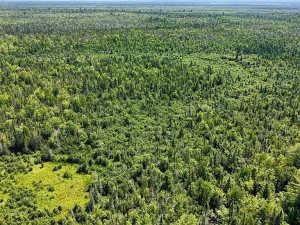
For buyers searching for affordable recreational acreage in Michigan’s Upper Peninsula, E North Co Rd #415, McMillan, MI 49853 offers a compelling combination of size, road access, natural habitat, privacy, and year-round outdoor potential. Listed for $45,000 after a $20,000 price reduction, this property includes approximately 80 acres of heavily wooded land in Luce County, north of McMillan.
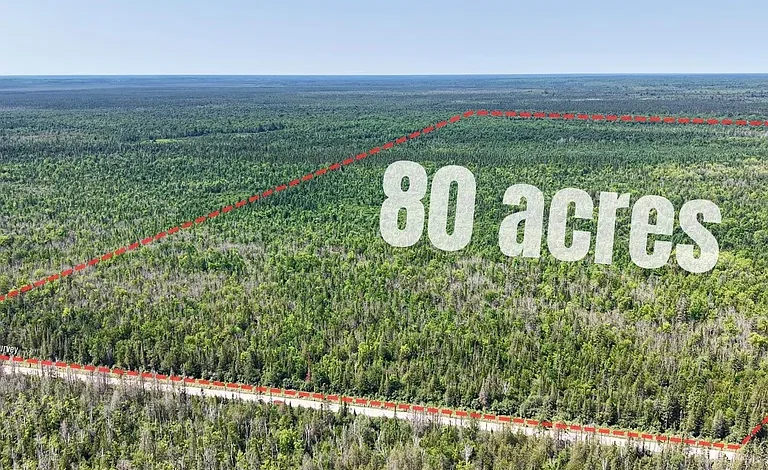
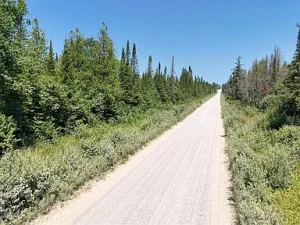
The property is especially appealing to hunters, campers, wildlife enthusiasts, and buyers who want a large amount of rural land without paying the much higher prices often associated with developed recreational estates. With approximately 1,320 feet of road frontage, year-round access on a maintained gravel road, an unnamed creek or stream, and a forest made up of aspen, spruce, cedar, and pine, the land offers a classic Upper Peninsula setting.
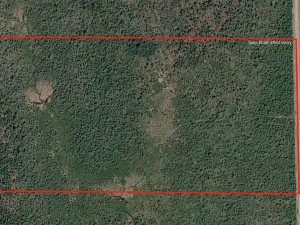
The property consists of two separate 40-acre tax parcels, and each reportedly has road frontage. That configuration may give future owners more flexibility, whether they want to hold the property as one 80-acre recreational tract or evaluate the potential of managing the parcels separately, subject to local regulations and title conditions.
This is raw land rather than a developed homesite. There is no electricity in the immediate area, no water system, no sewer, and no existing residence. Buyers should therefore approach the property as off-grid recreational acreage and carefully evaluate access, wetlands, drainage, building feasibility, survey information, and long-term plans before purchasing.
Property Overview
Key details reported for the property include:
- Asking price: $45,000
- Recent price reduction: $20,000
- Approximately 80 acres
- Two separate 40-acre tax parcels
- Heavily wooded land
- Approximately 1,320 feet of road frontage
- Approximate dimensions: 1,320 by 2,640 feet
- Located along County Road 415
- Year-round maintained gravel road
- Rural setting
- Residential-vacant zoning
- Primarily lower terrain
- Aspen, spruce, cedar, and pine
- Strong wildlife habitat
- Deer, bear, grouse, and other wildlife mentioned
- Unnamed creek or stream
- No electricity in the immediate area
- No sewer
- No water service
- No HOA
- Annual reported property taxes of approximately $1,354
- Cash and conventional terms listed
- Located north of McMillan in Luce County
- Near Tahquamenon River
- Near lakes, streams, and trail systems
For a buyer who wants land primarily for recreation rather than immediate residential development, this is the type of property that can provide substantial value through acreage alone.
A Major $20,000 Price Reduction
One of the most important updates is the $20,000 price cut.
That reduction brings the current asking price down to $45,000 and materially changes the economics of the property.
At $45,000 for 80 acres, the simple price-per-acre calculation is approximately $562.50 per acre.
That is an eye-catching number for wooded land with year-round road frontage in Michigan’s Upper Peninsula.
However, price per acre should never be the only factor in a land purchase.
Buyers also need to consider:
- Terrain
- Wetlands
- Access
- Utility availability
- Timber
- Hunting potential
- Drainage
- Buildability
- Zoning
- Taxes
The property’s lower terrain and lack of nearby electricity are important tradeoffs, but for recreational buyers, those may be acceptable in exchange for acreage and privacy.
80 Acres of Upper Peninsula Land
The property includes approximately 80 acres, which is a significant amount of land for private recreation.
For perspective, 80 acres can provide enough space for:
- Hunting
- Hiking
- Wildlife observation
- Trail development
- Camping
- Seasonal recreation
- Firewood collection where permitted
- Nature photography
- Long-term land ownership
A parcel of this size offers much more privacy and room to explore than a small recreational lot.
It can also create a sense of ownership that is difficult to reproduce in a developed subdivision.
Two Separate 40-Acre Parcels
The 80 acres reportedly consist of two separate 40-acre tax parcels.
This can be an important structural advantage.
Each parcel has road frontage, according to the listing.
That may provide flexibility for:
- Separate access points
- Different recreational uses
- Future estate planning
- Potential future resale of one parcel
- Different hunting setups
Buyers should verify parcel boundaries, deed restrictions, easements, and whether both parcels transfer together under the sale.
They should also confirm whether the parcels are legally independent and whether any future division or sale would require local approval.
Approximately 1,320 Feet of Road Frontage
The property includes approximately 1,320 feet of frontage along County Road 415.
That is roughly one-quarter mile of road frontage.
For a large rural property, long frontage can be very useful.
It may allow:
- More than one potential access point
- Easier equipment access
- Greater flexibility in locating a campsite or gate
- Better separation between different areas of the land
Long frontage also reduces dependence on easements across neighboring land.
However, buyers should verify where safe vehicle entrances can actually be created.
Year-Round Maintained Gravel Road
The property fronts a year-round maintained gravel road.
This is one of its strongest practical features.
Many inexpensive recreational properties in the Upper Peninsula are accessible only by seasonal roads, forest tracks, or roads that may become difficult during winter.
A maintained road can make the property much easier to use during:
- Fall hunting season
- Winter recreation
- Spring
- Summer camping
It also helps with:
- Emergency access
- Property inspections
- Contractor visits
- Timber management
- Deliveries
Road maintenance should still be confirmed with the appropriate local authority.
Heavily Wooded Terrain
The property is described as heavily wooded.
Forest composition includes:
- Aspen
- Spruce
- Cedar
- Pine
This mixture can create valuable wildlife habitat and visual diversity.
Different tree species support different uses and ecological conditions.
Aspen can provide browse and habitat for wildlife.
Cedar can offer shelter and winter cover.
Spruce and pine contribute year-round canopy and privacy.
A mixed forest can make the property more attractive for hunting and recreation than a single-species stand.
Strong Deer Habitat
The listing specifically mentions deer.
For deer hunters, 80 acres can provide enough room to establish:
- Hunting stands
- Trails
- Feeding or observation areas where legal
- Bedding-area management
- Travel corridors
The mix of lower terrain, woods, and water may create habitat that attracts whitetail deer.
However, wildlife presence is never guaranteed.
Hunters should evaluate:
- Tracks
- Bedding areas
- Feeding areas
- Trail-camera activity
- Nearby land use
Visiting the property during different seasons can provide a better understanding of wildlife patterns.
Bear Habitat
Black bear are also mentioned.
Northern Michigan is known for black bear habitat, and wooded acreage with cover and water can potentially support bear movement.
Buyers interested in bear hunting should research:
- Current Michigan hunting regulations
- Permit requirements
- Season dates
- Baiting rules
- Safety considerations
A large private tract can provide recreational opportunities, but legal requirements should always be followed carefully.
Grouse and Small Game
The property is also described as habitat for grouse and other wildlife.
Grouse hunters often value mixed-age forests, especially areas with aspen and dense young growth.
An 80-acre tract with varied vegetation may provide the kind of cover these birds use.
Small-game hunting and wildlife observation could therefore be part of the property’s four-season recreational value.
An Unnamed Creek or Stream
The listing reports an unnamed creek, stream, or brook on the property.
Water can be an important feature for recreational land.
A small stream may:
- Attract wildlife
- Improve habitat
- Add scenic value
- Create natural travel corridors
- Provide interesting terrain
However, stream areas can also indicate wetter ground.
Buyers should investigate:
- Seasonal water levels
- Flooding
- Wetlands
- Stream-bank conditions
- Environmental restrictions
Any bridges, culverts, or road crossings should be planned carefully.
Primarily Lower Terrain
The property is described as having primarily lower terrain.
This is one of the most important tradeoffs.
Lower terrain can mean:
- Wetter soil
- Swampy areas
- Seasonal standing water
- More difficult vehicle travel
- Limited building areas
At the same time, lower ground can provide excellent wildlife habitat.
Cedar swamps, wet forest, and lowland vegetation can attract deer, bear, birds, and other animals.
For a hunter, low terrain may be an advantage.
For someone who wants to build a conventional home, it may require more investigation.
Wetland and Drainage Evaluation
Because the property is primarily low terrain, buyers should consider a professional wetland or soil evaluation if they plan any construction.
Potential issues include:
- High water table
- Poor drainage
- Wetlands restrictions
- Difficult septic installation
- Costly driveway construction
A recreational buyer may not care much about these limitations.
A future home builder should care a great deal.
No Electricity in the Immediate Area
The listing clearly states that no power is available in the immediate area.
This is a major factor.
A buyer should not assume that electricity can be connected inexpensively.
Bringing grid power to a remote property can be costly.
Potential expenses may include:
- Utility line extension
- New poles
- Transformers
- Easements
- Trenching
- Connection fees
If grid power is too expensive, off-grid systems may be more practical.
Off-Grid Power Options
For a recreational camp, possible power options could include:
- Solar panels
- Battery storage
- Portable generator
- Propane appliances
- Wood heat
A small hunting cabin may require relatively little electricity.
Lighting, device charging, and small appliances can often be supported by a modest solar setup.
A full-time residence would require a much more robust energy system.
No Sewer
There is no public sewer service.
This is expected on remote acreage.
Any future residential development would require an approved wastewater system.
That could be difficult in lower terrain.
A buyer considering a cabin or residence should investigate:
- Soil suitability
- Septic regulations
- Alternative systems
- Required setbacks
No Water Service
There is also no public water system.
A future owner may need:
- Private well
- Hauled water
- Rainwater collection where legal
- Other approved system
A well may be possible, but drilling costs and water quality should be researched.
For occasional camping, hauling potable water may be the simplest approach.
No HOA
There is no HOA.
That is attractive to many recreational land buyers.
No HOA usually means:
- No association dues
- Fewer private restrictions
- More independence
However, zoning, county regulations, state environmental laws, and deed restrictions still apply.
Residential-Vacant Zoning
The property is zoned Residential-Vacant.
That may allow future residential use, but buyers should verify specific requirements.
Possible considerations include:
- Minimum dwelling size
- Mobile or manufactured homes
- Cabin rules
- Setbacks
- Septic requirements
- Driveway permits
Zoning should be confirmed before purchasing with construction plans.
Hunting Camp Potential
This property seems particularly well suited to a hunting camp.
A simple camp could potentially include:
- Small cabin
- Generator
- Wood stove
- Basic sleeping area
- Equipment storage
The year-round road provides access, while the 80 acres offer privacy and hunting space.
Any structure would still need to comply with building and sanitation regulations.
Camping Potential
For buyers who want a lower-cost recreational setup, camping may be enough.
Possible uses include:
- Tent camping
- Truck camping
- Seasonal recreational use
Buyers should confirm whether extended camping, RV placement, or temporary structures are permitted.
Four-Season Recreation
The listing emphasizes four-season recreation, and that may be one of the property’s biggest strengths.
Spring
Possible activities include:
- Hiking
- Wildlife observation
- Trail maintenance
- Nature photography
Summer
Potential uses include:
- Camping
- Fishing nearby
- Exploring lakes and streams
- ATV recreation where legal
Fall
This may be the most popular season for:
- Deer hunting
- Grouse hunting
- Bear hunting
- Fall foliage
Winter
Potential winter activities include:
- Snowmobiling
- Snowshoeing
- Winter camping
- Wildlife tracking
The year-round road significantly improves access across all seasons.
Near the Tahquamenon River
The property is located just north of the Tahquamenon River.
That places buyers near one of the Upper Peninsula’s best-known natural areas.
Proximity to major rivers can add recreational possibilities such as:
- Fishing
- Kayaking
- Canoeing
- Scenic exploration
The exact distance and public access points should be verified.
Nearby Lakes and Streams
The listing also mentions easy access to area lakes and streams.
For anglers and paddlers, this broadens the property’s recreational appeal.
A buyer does not need every activity to occur on the 80 acres itself.
The property can function as a private base for exploring the surrounding region.
Trail Systems Nearby
Nearby trail systems may appeal to buyers interested in:
- Snowmobiling
- ATV riding
- Hiking
- Off-road recreation where legal
Northern Michigan has extensive recreational trail networks.
Buyers should verify current maps, regulations, and access points.
Wildlife Observation
Not every owner needs to hunt.
The same habitat that attracts game animals can also appeal to:
- Photographers
- Birdwatchers
- Nature enthusiasts
An 80-acre private property may offer opportunities to observe wildlife with minimal disturbance.
Trail cameras can help owners understand how animals move across the property.
Timber Value
The property contains a variety of tree species.
Some buyers may wonder about timber value.
A professional forester can evaluate:
- Species
- Age
- Density
- Market value
- Harvest potential
Timber should not be harvested without understanding local regulations and long-term forest-management impacts.
A managed harvest can sometimes improve habitat and generate income, but it should be planned carefully.
Forest Management Potential
A long-term owner may consider professional forest management.
Possible objectives include:
- Wildlife habitat improvement
- Timber production
- Trail creation
- Firewood
- Forest health
A consulting forester can develop a plan based on the buyer’s goals.
Two Parcels Could Offer Flexibility
Having two 40-acre parcels may help with future planning.
One parcel could potentially be used for:
- Hunting camp
- Recreation
while the other is retained as:
- Timberland
- Investment property
- Wildlife habitat
Alternatively, both can remain part of one 80-acre private tract.
Potential Future Resale
The separate parcels may also matter for future resale.
If they are legally independent, a future owner may have the option to sell one while keeping the other.
This could provide more flexibility than a single 80-acre tax parcel.
However, buyers should confirm all legal details before relying on this possibility.
Annual Property Taxes of Approximately $1,354
The listing reports annual property taxes of approximately $1,354.
For 80 acres, that is an important carrying cost but may still be manageable for many buyers.
The tax amount should be independently verified.
Buyers should also ask whether:
- Different tax classifications are available
- Timber-management programs affect taxes
- Any special assessments exist
Price Per Acre Analysis
At $45,000 for 80 acres, the property is offered at roughly $562.50 per acre.
This low figure is one of the strongest reasons the listing may attract attention.
However, the low price reflects tradeoffs:
- Low terrain
- No utilities
- Remote location
- Raw land
For recreational use, these may be acceptable.
For residential development, they require more planning.
No Existing Structures
There are no existing homes, cabins, barns, or outbuildings identified.
That means the buyer starts with raw land.
This can be an advantage because there is:
- No demolition
- No old roof
- No failing foundation
- No cleanup of abandoned structures
It also means the owner must create any shelter or storage from scratch.
Road Access Is a Major Advantage
For inexpensive wilderness acreage, road access often determines usability.
The maintained County Road 415 frontage is therefore a significant positive.
Without road access, a property could be difficult to use during hunting season or winter.
Here, the access appears much more practical.
Potential Cabin Site
Although the terrain is mainly low, there may be higher pockets suitable for a cabin.
A buyer should walk the property and identify:
- Higher ground
- Better drainage
- Road proximity
- Scenic areas
A soil professional or local contractor may help determine the best building location.
Building Feasibility
Anyone considering construction should investigate:
- Zoning
- Wetlands
- Soil
- Septic
- Water
- Electricity
- Driveway
- Flooding
A cabin may be easier than a full-time residence, but it still requires approvals.
Potential Firewood Source
With 80 wooded acres, the property may provide a long-term source of firewood, subject to sustainable forest management.
A wood stove could be practical for a hunting camp.
Buyers should avoid excessive clearing that damages habitat or future timber value.
Winter Access
The year-round maintained road makes winter use much more realistic.
Potential winter equipment might include:
- Snowmobile
- Snowshoes
- Cross-country skis
- 4WD vehicle
Owners should still prepare for heavy Upper Peninsula snowfall.
Snowmobile Base Camp
The property could potentially serve as a snowmobile base camp if nearby trail access is convenient.
A simple cabin with secure storage could support winter weekends.
Buyers should verify whether riding directly from the parcel to public trails is legal and practical.
Privacy
An 80-acre property naturally offers a significant degree of privacy.
The wooded terrain provides additional screening.
For buyers seeking a place to disconnect, this may be one of the strongest lifestyle advantages.
Noise and Light Pollution
Remote recreational land often offers less:
- Road noise
- Commercial activity
- Artificial light
This can improve:
- Stargazing
- Wildlife observation
- Quiet recreation
A buyer should still visit the property at different times to understand nearby activity.
Potential Long-Term Investment
Some buyers may view the acreage as a long-term investment.
Land value may be influenced by:
- Timber
- Recreational demand
- Road access
- Hunting popularity
- Regional growth
However, appreciation is never guaranteed.
A buyer should purchase primarily because the land fits their goals.
Cash or Conventional Financing
The listing allows cash or conventional terms.
Vacant land loans can differ from residential mortgages.
Lenders may require:
- Larger down payment
- Shorter terms
- Higher rates
Buyers should compare financing options carefully.
Survey and Boundary Verification
The listing notes that marketing boundaries are approximate.
This is extremely important.
With 80 acres, buyers should strongly consider:
- Survey
- Corner identification
- GPS mapping
- Boundary marking
Knowing exact boundaries is essential for:
- Hunting
- Timber management
- Building
- Neighbor relations
Easements and Mineral Rights
Buyers should review title documents for:
- Easements
- Rights-of-way
- Timber rights
- Mineral rights
Large rural parcels sometimes have historic rights affecting use.
Environmental Due Diligence
Lower terrain may include wetlands.
Buyers should check:
- Wetland maps
- Soil maps
- Floodplain maps
Environmental restrictions can affect building and road construction.
Who Might Love This Property?
The land may appeal to:
- Hunters
- Campers
- Snowmobilers
- Wildlife enthusiasts
- Recreational land buyers
- Timberland investors
- Off-grid enthusiasts
- Buyers wanting privacy
Its strongest appeal is acreage and recreation.
Who Should Think Carefully Before Buying?
The property may be less suitable for someone who:
- Wants immediate electricity
- Wants public water
- Wants sewer
- Wants a finished home
- Wants dry, high terrain
- Does not want off-grid planning
This is raw recreational acreage, not a turnkey homesite.
Questions Buyers Should Ask
Before purchasing, buyers should confirm:
- Exact boundaries
- Survey availability
- Wetland areas
- Higher building sites
- Road maintenance
- Zoning
- Cabin rules
- Septic feasibility
- Well feasibility
- Utility extension cost
- Timber value
- Easements
- Mineral rights
- Tax status
These answers can significantly affect value.
Due Diligence Checklist
A serious buyer should consider:
- Walk the full property
- Inspect both 40-acre parcels
- Review road frontage
- Check the creek
- Evaluate low areas
- Look for wildlife sign
- Review aerial maps
- Verify taxes
- Research zoning
- Obtain title work
- Consider survey
- Estimate off-grid costs
For rural property, physical inspection is particularly important.
Final Thoughts on E North Co Rd #415
At $45,000 after a $20,000 price reduction, E North Co Rd #415 near McMillan, Michigan offers a substantial amount of recreational land at an unusually low per-acre price.
The property includes approximately 80 heavily wooded acres, divided into two separate 40-acre tax parcels, each reportedly with road frontage.
Approximately 1,320 feet of frontage on a year-round maintained gravel road makes the land much easier to access than many remote Upper Peninsula properties.
The forest includes a mix of aspen, spruce, cedar, and pine, creating habitat for deer, bear, grouse, and other wildlife. An unnamed creek or stream adds another natural feature, while proximity to the Tahquamenon River, lakes, streams, and trail systems expands the range of recreational possibilities.
This is not improved residential land.
There is no electricity in the immediate area, no sewer, and no public water. The terrain is primarily lower ground, so buyers interested in building should carefully investigate wetlands, drainage, septic feasibility, and higher potential homesites.
For a hunter, camper, snowmobiler, or off-grid recreational buyer, those limitations may matter much less.
The property’s real strengths are acreage, access, wildlife habitat, privacy, and four-season recreation.
At roughly $562 per acre, the current asking price is attention-grabbing, but buyers should still complete careful due diligence on boundaries, taxes, zoning, survey status, road access, wetlands, and utilities.
For the right buyer, this 80-acre Luce County property could serve as a private hunting tract, camping base, snowmobile retreat, long-term timber holding, or simply a large piece of Upper Peninsula land to enjoy for years.
Listed on Zillow