$15,000 for a 2-Bedroom Home in Shenandoah, Iowa – Affordable Fixer-Upper With Public Sewer and a 6,600-Square-Foot Lot
$15,000 for a 2-Bedroom Home in Shenandoah, Iowa – Affordable Fixer-Upper With Public Sewer and a 6,600-Square-Foot Lot
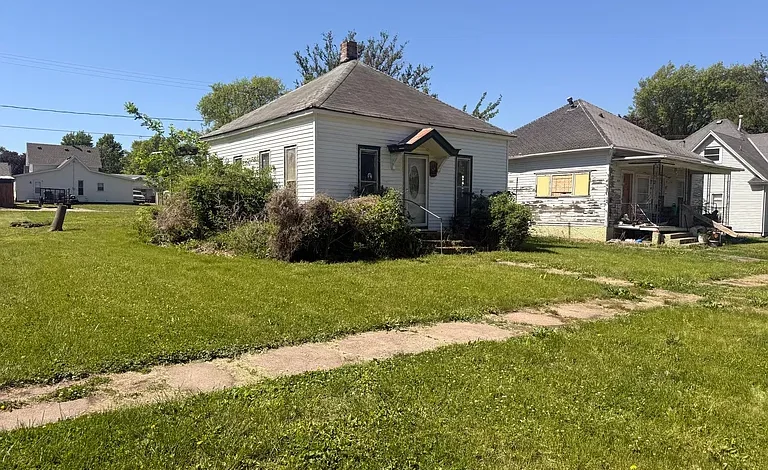
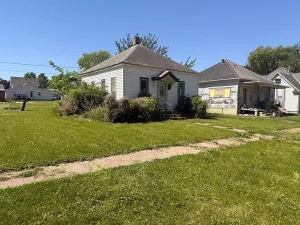
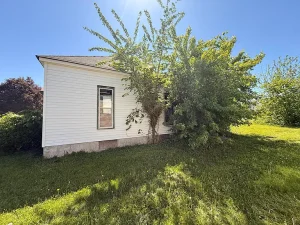
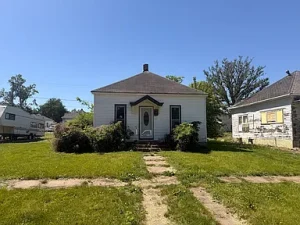
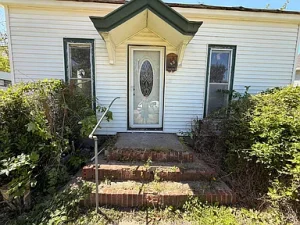
For buyers searching for an extremely affordable house in Iowa, 810 7th Ave, Shenandoah, IA 51601 is the kind of listing that immediately attracts attention. Offered at just $15,000, this single-family residence provides 2 bedrooms, 1 bathroom, approximately 792 square feet of living space, a partial unfinished basement, off-street parking, and a 6,600-square-foot lot.
Built in 1900, the property is more than a century old and should be approached with realistic expectations. At this price point, buyers should not assume the home is comparable to a recently renovated, move-in-ready property. Instead, this may be an opportunity for a cash buyer, investor, experienced renovator, or owner-occupant who is prepared to investigate the home’s condition carefully and budget for possible repairs and modernization.
The asking price works out to approximately $19 per square foot, an unusually low figure for a single-family residence. The home also has relatively modest reported annual property taxes of about $324 and no homeowners association.
For the right buyer, the combination of a low acquisition price, two-bedroom floor plan, public sewer, single-level living, basement storage, and a reasonably sized lot could offer significant potential. However, the listing terms specify cash, and the home’s age, gravity heating system, lack of cooling, unfinished basement, and limited listing details make thorough due diligence essential.
Property Overview
The home at 810 7th Ave is listed at $15,000 and includes the following reported characteristics:
- Asking price: $15,000
- 2 bedrooms
- 1 bathroom
- Approximately 792 square feet of interior living area
- Approximately $19 per square foot
- Single-family residence
- Ranch-style layout
- One level
- Built in 1900
- 6,600-square-foot lot
- Partial unfinished basement
- Basement laundry
- Gravity heating
- No cooling system listed
- Public sewer
- Off-street parking
- Frame construction
- Composition roof
- Asphalt road
- No HOA
- Reported annual property taxes of approximately $324
- Tax-assessed value of approximately $18,310
- Cash purchase terms
For buyers focused primarily on affordability, these basic specifications make the property interesting before any renovation potential is even considered.
Why a $15,000 House Attracts Attention
The price is naturally the headline.
In many parts of the United States, $15,000 would not be enough to cover a down payment on a typical home. In this case, that amount is the asking price for an entire two-bedroom single-family residence.
That does not automatically mean the home is an extraordinary bargain.
Low-priced properties frequently require repairs, updates, or specialized financing arrangements. Some may need significant investment before they are suitable for comfortable long-term occupancy.
Nevertheless, the low entry price changes the economics of the project.
A cash buyer who acquires the property for $15,000 may have more room in the total budget for improvements than someone purchasing a higher-priced home with a large mortgage.
The key question is not simply whether the house costs $15,000.
The real question is how much the buyer will have invested after all necessary repairs, closing costs, insurance, taxes, and improvements are completed.
Approximately $19 Per Square Foot
Based on the reported 792 square feet, the asking price works out to about $19 per square foot.
That is exceptionally low compared with most finished homes.
However, price per square foot becomes less useful when comparing homes in dramatically different conditions.
A fully renovated home and a distressed property can have the same size but completely different values.
For a renovation buyer, price per square foot should therefore be used only as an initial reference point.
The more important numbers are:
- Purchase price
- Repair budget
- Total project cost
- Expected finished value
- Potential rent if used as an investment property
Those numbers determine whether the opportunity actually makes financial sense.
Compact 792-Square-Foot Layout
The home provides approximately 792 square feet of finished living space.
For buyers accustomed to large suburban houses, that may sound small. However, compact homes can offer meaningful advantages.
A smaller home typically requires:
- Less flooring
- Less paint
- Fewer furnishings
- Less heating
- Less cooling
- Less cleaning
- Lower renovation material costs
For a single person, couple, retiree, or small household, 792 square feet may provide sufficient space without unnecessary rooms.
The success of a smaller home depends heavily on the floor plan.
Efficient room placement and storage can make a compact residence feel surprisingly comfortable.
Two Bedrooms
The property contains 2 bedrooms.
A two-bedroom home provides flexibility beyond what a one-bedroom property can offer.
The second bedroom might be used as:
- Guest room
- Home office
- Children’s bedroom
- Hobby room
- Dressing room
- Storage room
For an investor, a two-bedroom property may also appeal to a larger range of renters than a studio or one-bedroom home.
The condition and dimensions of each bedroom are not detailed in the listing information provided, so buyers should inspect them carefully if access is available.
One Bathroom
The property includes 1 bathroom.
In a 792-square-foot house, one bathroom is typical.
If renovation is needed, the bathroom may be one of the most important areas to evaluate because bathrooms involve several expensive systems at once:
- Plumbing
- Flooring
- Waterproofing
- Ventilation
- Fixtures
- Electrical
- Wall finishes
A relatively small bathroom can often be renovated for less than a large luxury bath, but hidden water damage can increase costs substantially.
Buyers should inspect for:
- Leaks
- Soft flooring
- Mold
- Drain problems
- Low water pressure
- Damaged fixtures
Single-Level Living
The property is described as having one main level.
Single-level living can be highly practical.
Residents do not need to use stairs to reach bedrooms or the main bathroom.
This can appeal to:
- Retirees
- Downsizers
- Buyers with mobility concerns
- People who prefer simpler layouts
The basement is separate from the primary living area, so most daily activities may be completed on the main floor.
Ranch-Style Design
The architectural style is identified as Ranch.
Ranch homes are usually known for simple, efficient layouts and single-level living.
Although this property was built in 1900—far earlier than the period when ranch houses became especially common—the listing’s current classification suggests the home functions primarily as a one-story residence.
A simple rectangular structure can sometimes be easier and more economical to renovate than a complicated multi-story building.
Built in 1900
The home dates to 1900, making its age one of the most important factors buyers should consider.
A house that old may have undergone numerous repairs and alterations during its lifetime.
Some systems may be modern.
Others may be decades old.
Areas requiring careful inspection include:
- Electrical wiring
- Plumbing
- Roof
- Foundation
- Framing
- Insulation
- Windows
- Heating system
- Sewer connection
- Basement
- Exterior siding
Older homes can have charm and solid original materials, but they can also hide expensive problems.
Possible Lead-Based Paint
Because the property was built before 1978, buyers should consider the possibility of lead-based paint.
Lead paint is common in older housing stock.
It does not necessarily mean the home is unsafe if the material is properly managed, but deteriorating lead paint can create health risks, especially for young children.
Renovation work that disturbs old painted surfaces may require appropriate safety procedures.
A buyer planning major renovation may want professional testing.
Possible Older Electrical Systems
Electrical safety is another priority.
A home built in 1900 obviously predates modern electrical standards.
Even if the house was rewired at some point, buyers should verify:
- Panel capacity
- Grounding
- Outlet condition
- Wiring type
- GFCI protection
- Electrical service size
- Code compliance
A complete electrical upgrade can be a significant expense, but it may also substantially improve safety and functionality.
Plumbing Should Be Inspected
Older properties may contain plumbing from several different generations.
Potential materials can include:
- Copper
- Galvanized steel
- PVC
- Cast iron
- Other older piping
Galvanized pipes can corrode internally and reduce water pressure.
Older drain lines can crack or clog.
A professional plumbing evaluation may reveal whether repairs are minor or whether major replacement is needed.
Gravity Heating System
The listing identifies the heating system as gravity heat.
Gravity heating is an older heating design that relies partly on the natural movement of warm air rather than modern forced-air fans.
These systems can sometimes remain functional for decades, but they may be less efficient than modern HVAC equipment.
A buyer should determine:
- Fuel type
- Age of equipment
- Safety condition
- Operating cost
- Whether replacement is recommended
If the home needs a modern furnace, heat pump, or other heating system, that cost should be included in the renovation budget.
No Cooling System
No cooling system is listed.
That means buyers should not assume the home has central air conditioning.
Possible future options include:
- Window air conditioners
- Portable units
- Ductless mini-split
- Central HVAC conversion
A mini-split system could potentially provide both heating and cooling, depending on the home’s configuration.
The best option should be determined after evaluating insulation, electrical capacity, and the existing heating system.
Partial Unfinished Basement
The home includes a partial unfinished basement.
Even unfinished basement space can be useful.
Potential uses include:
- Laundry
- Storage
- Utility access
- Workshop
- Mechanical equipment
The listing places the laundry in the basement.
Because the home is over 100 years old, basement condition deserves careful attention.
Buyers should inspect for:
- Moisture
- Cracks
- Foundation movement
- Standing water
- Mold
- Rot
- Structural support problems
Water management is especially important in older basements.
Laundry in the Basement
Laundry facilities are located in the basement.
This keeps laundry equipment out of the main living area, which can preserve valuable space in a compact home.
However, carrying laundry up and down basement stairs may be inconvenient for some occupants.
A future renovation could potentially move the washer and dryer to the main level if plumbing and space allow.
Public Sewer
One of the practical advantages is the connection to public sewer.
This means the property does not rely on a private septic system.
For buyers, public sewer can eliminate several maintenance concerns associated with septic ownership.
However, the private sewer lateral connecting the house to the municipal line may still need inspection.
Older sewer lines can experience:
- Root intrusion
- Cracks
- Collapse
- Blockages
A sewer scope inspection can provide useful information before purchase.
Water Service Should Be Confirmed
The listing specifically identifies public sewer but does not clearly describe the water source in the information provided.
Buyers should confirm whether the house uses:
- Public water
- Private well
- Another source
If public water is available, that simplifies ownership.
If a well is used, the well condition and water quality should be tested.
6,600-Square-Foot Lot
The home sits on a 6,600-square-foot lot.
This is approximately 0.15 acre.
For an in-town property, that can provide enough outdoor space for a manageable yard without creating excessive maintenance.
Potential uses could include:
- Garden
- Outdoor seating
- Small play area
- Storage shed
- Landscaping
- Fire pit where permitted
A smaller lot can also reduce mowing and landscaping costs.
Off-Street Parking
The property includes off-street parking.
That is a practical feature.
Buyers do not need to rely exclusively on curbside parking.
Off-street space can be particularly useful during winter, street maintenance, or busy neighborhood periods.
The exact parking layout should be inspected to determine how many vehicles comfortably fit.
Asphalt Road
The home is located on an asphalt road.
Paved road access can simplify year-round driving and reduce some of the maintenance issues associated with gravel roads.
For a renovation project, contractors and delivery vehicles should also have straightforward access.
Frame Construction
The home is built using frame construction.
Wood-frame homes are extremely common and can often be repaired or modified relatively easily compared with some masonry structures.
However, a century-old frame should be inspected for:
- Rot
- Insects
- Water damage
- Structural modifications
- Foundation movement
Any compromised framing should be addressed before cosmetic renovation.
Composition Roof
The roof is identified as composition, generally indicating asphalt-type roofing materials.
A roof inspection should determine:
- Approximate age
- Remaining life
- Missing shingles
- Leaks
- Flashing condition
- Sheathing condition
A roof replacement may be manageable on a small 792-square-foot house, but it is still an important expense.
No HOA
The property does not have an HOA.
That means there are no reported monthly or annual association dues.
For budget-focused buyers, avoiding HOA fees can be beneficial.
Local ordinances and property-maintenance requirements still apply, but there is no private association listed.
Annual Taxes of Approximately $324
The reported annual property tax is approximately $324.
That is a relatively low recurring ownership cost.
Even if taxes rise over time, the current reported figure may appeal to buyers focused on keeping monthly expenses modest.
Taxes should always be independently verified before purchase.
Tax-Assessed Value of $18,310
Interestingly, the property has a reported tax-assessed value of approximately $18,310, which is higher than the $15,000 asking price.
Tax assessments and market values are not the same thing, so this difference does not automatically mean the home is undervalued.
However, it may encourage buyers to investigate the property further.
The real value depends on physical condition and local comparable sales.
Cash-Only Listing
The property is listed with cash terms.
This is an important detail.
Traditional lenders may be unwilling to finance properties that need substantial repairs or do not meet minimum habitability standards.
Cash-only terms may indicate:
- Property condition concerns
- Low purchase price
- Financing difficulty
- Seller preference
Cash buyers should still perform full due diligence.
Paying cash does not reduce the risks associated with an older home.
Why Traditional Financing Could Be Difficult
Even if the house appears habitable, conventional mortgages typically involve appraisal and property-condition standards.
Issues involving:
- Heating
- Electrical
- Roof
- Plumbing
- Structural integrity
- Safety
can interfere with financing.
Because the asking price is only $15,000, the costs associated with originating a traditional mortgage may also be impractical.
Potential Fixer-Upper Opportunity
The listing does not provide a detailed description of interior condition, so buyers should avoid assuming how much work is required.
However, the price strongly suggests the property should be evaluated as a possible fixer-upper.
Potential renovation work could include:
- Paint
- Flooring
- Kitchen updates
- Bathroom improvements
- HVAC
- Electrical
- Plumbing
- Windows
- Roof
- Basement repair
- Exterior work
A professional inspection can help separate cosmetic needs from serious structural issues.
Potential for a Low-Cost Primary Residence
If the structure is fundamentally sound and repair needs are manageable, the property could potentially appeal to a cash buyer seeking inexpensive housing.
A two-bedroom home with no mortgage could create a very low monthly housing cost once repairs are complete.
Owners would still need to budget for:
- Taxes
- Insurance
- Utilities
- Maintenance
But avoiding a large mortgage payment could be financially meaningful.
Potential Rental Property
Investors may also consider the home as a possible rental.
A two-bedroom property may appeal to:
- Couples
- Small families
- Single renters
- Retirees
Before purchasing for rental use, an investor should research current Shenandoah rental rates and local landlord regulations.
Profitability depends on the full cost of rehabilitation.
Calculating Total Investment
Suppose a buyer acquires the property for $15,000.
That is only the beginning.
A complete investment budget should include:
- Purchase price
- Closing costs
- Inspection
- Insurance
- Repairs
- Permits
- Utilities
- Taxes
- Holding costs
- Contractor labor
- Materials
If repairs cost $20,000, the project becomes a $35,000-plus investment.
If repairs cost $50,000, the financial analysis changes completely.
After-Repair Value
Investors should determine realistic after-repair value, commonly called ARV.
This means researching what a properly renovated two-bedroom house of similar size sells for in Shenandoah.
Comparable sales should ideally match:
- Neighborhood
- Size
- Bedroom count
- Lot size
- Age
- Condition
A renovation is financially sensible only if the total investment leaves sufficient value or return.
Rental Cash Flow Analysis
For a potential rental, buyers should calculate:
Monthly rent
minus property taxes
minus insurance
minus maintenance
minus vacancy
minus management costs
minus utilities paid by owner.
The low purchase price could create attractive returns if renovation costs remain controlled.
However, no investment return is guaranteed.
Potential Downsizing Home
The compact size may appeal to buyers who intentionally want less house.
A 792-square-foot home can be easier to:
- Clean
- Heat
- Furnish
- Maintain
- Renovate
For retirees or empty nesters, two bedrooms may provide enough space without the expense of a large property.
Home Office Potential
The second bedroom could potentially serve as a home office.
With more people working remotely, even small homes can become practical if one room is dedicated to work.
Buyers should verify high-speed internet availability before assuming the property is suitable for remote employment.
Garden Potential
The 6,600-square-foot lot may provide room for a modest garden.
Possible uses include:
- Vegetables
- Herbs
- Flowers
- Small fruit trees
- Berry bushes
A compact house leaves a reasonable portion of the property available for outdoor use.
Renovation Priorities
For a century-old home, buyers should prioritize essential systems before cosmetic upgrades.
A sensible order may include:
- Roof
- Foundation
- Water intrusion
- Electrical
- Plumbing
- Heating
- Windows
- Insulation
- Bathroom
- Kitchen
- Flooring
- Paint
There is little value in installing new flooring if an unresolved roof leak damages it later.
Energy Efficiency Improvements
Older homes can benefit significantly from energy upgrades.
Potential improvements may include:
- Attic insulation
- Wall insulation where practical
- Weather sealing
- New windows
- Efficient heating
- Heat-pump installation
- LED lighting
Energy improvements can reduce long-term utility expenses.
Window Evaluation
The listing does not provide detailed information about windows.
Older windows may be:
- Drafty
- Single-pane
- Difficult to operate
- Damaged
Replacement windows can improve comfort but may represent a meaningful renovation cost.
In some cases, original wood windows can be repaired instead of replaced.
Foundation Inspection
The partial basement makes foundation inspection especially important.
A professional should look for:
- Significant cracks
- Bowing walls
- Water intrusion
- Settling
- Deteriorated masonry
Minor cracks may be manageable.
Major structural movement can become expensive.
Insurance Availability
Before purchasing, buyers should obtain insurance quotes.
Some insurers may be cautious with:
- Very old homes
- Outdated wiring
- Older heating systems
- Roof problems
- Vacant properties
Insurance availability can influence whether the property is practical to own.
City Code Compliance
Buyers should also check for:
- Open code violations
- Property-maintenance orders
- Unpaid municipal charges
- Required repairs
Low-priced homes sometimes have outstanding issues that do not appear clearly in the listing.
Title Search
A title search should verify:
- Legal ownership
- Liens
- Tax status
- Judgments
- Easements
This is important even on a $15,000 cash transaction.
A low purchase price does not eliminate title risk.
Why the Property May Appeal to DIY Buyers
A skilled buyer who can perform some renovation work personally may have a major advantage.
Labor can represent a significant part of remodeling costs.
DIY projects might include:
- Painting
- Flooring
- Basic landscaping
- Cabinet refinishing
- Trim
- Cosmetic repairs
Electrical, major plumbing, structural, roofing, and other specialized work should still be handled professionally when appropriate.
Shenandoah, Iowa Setting
Shenandoah provides a smaller-community environment that may appeal to buyers seeking more affordable housing than major metropolitan areas.
For prospective owner-occupants, important considerations include access to:
- Grocery stores
- Healthcare
- Schools
- Employment
- Restaurants
- Shopping
- Recreation
A personal visit can help buyers evaluate whether the surrounding area fits their lifestyle.
Short Time on Market
The property had been listed for only a few days according to the information provided.
That matters because inexpensive homes can attract investors and cash buyers quickly when the underlying opportunity appears viable.
The listing also indicates that Zillow considers it likely to sell faster than nearby properties.
Automated indicators are not guarantees, but buyers interested in the home may want to perform due diligence efficiently.
Online Views and Saves
The property had already attracted nearly 200 views shortly after listing.
This suggests the $15,000 price is generating attention.
However, online interest does not necessarily translate into offers.
Many people click on unusually inexpensive homes simply out of curiosity.
Serious buyers still need to evaluate condition and project economics.
No Fireplace
The listing states that no fireplace is present.
That simplifies maintenance because there is no chimney or fireplace system requiring inspection.
Buyers focusing on efficient heating may prefer to invest in a modern HVAC system rather than maintaining an older fireplace.
No Finished Basement Area
The listing reports zero finished square footage below grade.
That means the basement should not be counted as additional living space.
A future owner should be cautious about planning to finish the basement until moisture, ceiling height, emergency egress, and building-code requirements are evaluated.
Could the Basement Be Improved?
Depending on condition, an unfinished basement might eventually support:
- Storage
- Workshop
- Laundry improvements
Converting it into legal living space would require much more investigation.
For a small house, improving storage usefulness may be more cost-effective than trying to create additional bedrooms downstairs.
Small Homes Can Be Efficient
One strength of this property is that buyers do not have thousands of square feet to repair.
A smaller building means:
- Smaller roof
- Less flooring
- Fewer windows
- Less paint
- Lower heating demand
If the core structure is sound, renovation costs can sometimes be easier to control.
Potential Starter Home
A first-time buyer with cash and renovation experience may see potential.
Instead of taking on a large mortgage, they could potentially purchase the home cheaply and improve it gradually.
However, first-time buyers should be careful not to underestimate the complexity of renovating a 126-year-old house.
A professional inspection is especially valuable.
Potential Resale Strategy
An investor considering resale should avoid over-improving the house.
The renovation level should match the local market.
Luxury finishes may not produce a corresponding increase in resale price.
A practical renovation could focus on:
- Safety
- Clean finishes
- Updated bathroom
- Functional kitchen
- Durable flooring
- Efficient heating
- Good curb appeal
Curb Appeal
Exterior improvements can change buyer perception significantly.
Potential lower-cost improvements might include:
- Cleaning exterior surfaces
- Trimming vegetation
- Painting trim
- Repairing steps
- Improving landscaping
- Updating house numbers
- Cleaning driveway areas
For an inexpensive property, simple curb-appeal work can sometimes provide strong visual impact.
Cash Buyer Advantages
A cash buyer can often close more quickly and avoid lender repair requirements.
This can make an offer more attractive to the seller.
However, cash buyers should still consider:
- Inspection contingency
- Title work
- Insurance
- Contractor estimates
Speed should not replace due diligence.
Questions Buyers Should Ask
Before purchasing, buyers should ask:
- Is the home currently habitable?
- Are utilities active?
- What type of fuel does the gravity heating system use?
- How old is the roof?
- Has the electrical system been updated?
- What type of plumbing is present?
- Is there water in the basement?
- Is the foundation stable?
- What is the water source?
- Are there code violations?
- Are there unpaid liens or utility bills?
- Is insurance available?
- Why is the property cash-only?
- Are there any known structural problems?
Clear answers can significantly improve the purchase decision.
Who Might Find This Home Attractive?
The property may appeal to:
- Cash buyers
- Investors
- Experienced DIY renovators
- Downsizers
- Buyers seeking inexpensive housing
- Landlords
- Small households
Its main advantages are low price, simple layout, two bedrooms, a reasonable lot, public sewer, and low reported taxes.
Who Should Think Carefully Before Buying?
The property may be unsuitable for:
- Buyers needing turnkey housing
- People dependent on conventional financing
- Buyers with no repair budget
- Anyone uncomfortable with older homes
- Buyers wanting central air
- Buyers needing large interior space
The low price should not distract from the possibility of significant repair needs.
Why Due Diligence Matters More at This Price Point
Unusually cheap houses can create emotional pressure.
Buyers may feel that they must act quickly because the purchase price looks too good to miss.
That can lead to poor decisions.
A $15,000 home requiring $80,000 in repairs is not automatically better than a $70,000 home requiring very little work.
The only way to know is to investigate the structure carefully and calculate the complete cost.
Final Thoughts on 810 7th Ave
At $15,000, 810 7th Ave in Shenandoah, Iowa offers one of the most affordable paths into single-family home ownership for a buyer willing to consider an older cash-only property.
The home includes approximately 792 square feet, 2 bedrooms, 1 bathroom, a partial unfinished basement, basement laundry, off-street parking, and a 6,600-square-foot lot.
Its asking price works out to approximately $19 per square foot, while annual property taxes are reported at only about $324.
The house also benefits from public sewer, no HOA, a paved road, and a compact single-level layout.
At the same time, buyers should take the home’s 1900 construction date seriously.
Electrical systems, plumbing, heating, roof, foundation, windows, insulation, and basement conditions should all be professionally evaluated.
The gravity heating system may eventually need modernization, and there is no cooling system listed.
The cash-only purchase terms also suggest that buyers should investigate why conventional financing is not being promoted.
For an experienced renovator or investor, the low purchase price may create room for improvements.
For a buyer seeking an inexpensive primary residence, the home could potentially become an affordable place to live if the essential systems are sound and repairs remain within budget.
The key is to avoid judging the opportunity by the $15,000 price alone.
A careful buyer should determine the home’s true condition, estimate all renovation costs, verify title and code status, obtain insurance information, and compare the final projected investment with local property values.
If those numbers work, this small two-bedroom Shenandoah home could provide an affordable starting point for homeownership or a renovation investment.
Listed on Zillow