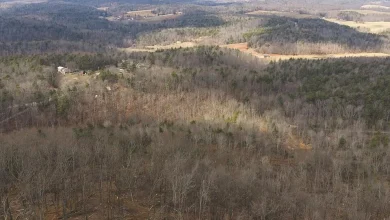
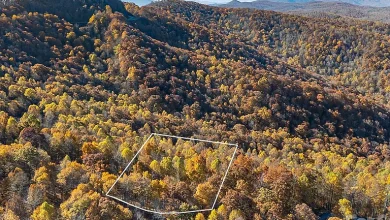
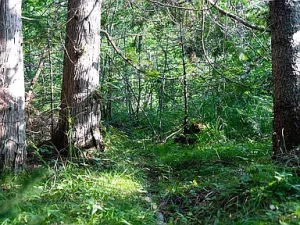
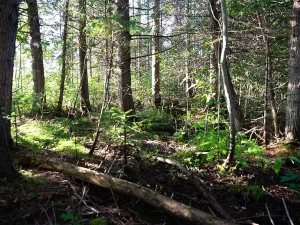
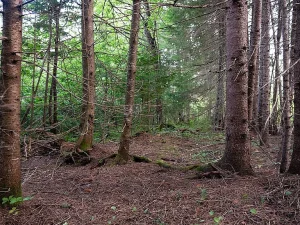
10 acres that’s absolutely great hunting land.
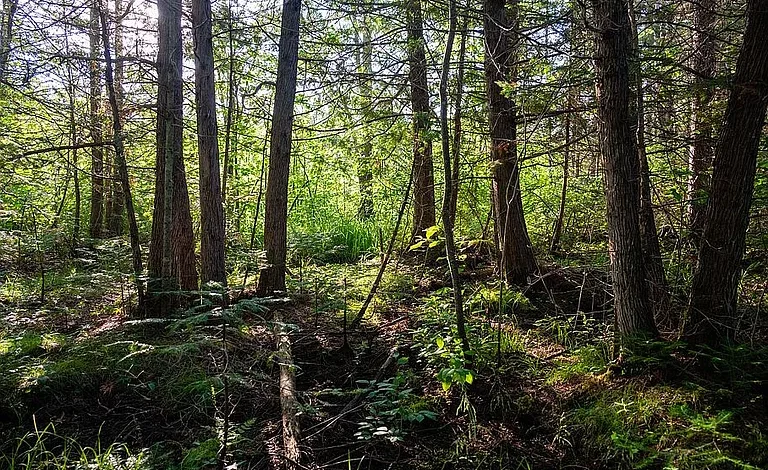
$14,900 for 10 Acres Near Munising, Michigan: Remote Hunting Land Surrounded by Upper Peninsula Wilderness
For buyers searching for affordable recreational acreage in Michigan’s Upper Peninsula, this 10-acre vacant land property near Munising, Michigan, offers an unusual combination of privacy, wooded surroundings, hunting potential, and proximity to an enormous amount of federal forest. Listed for $14,900, the property at 2 Old Plank #Au, Munising, MI 49862 is marketed primarily as hunting and recreational land rather than a conventional residential building lot.
The parcel contains approximately 10 acres and has no existing house, bedrooms, bathrooms, or electrical service. Access is described as best accomplished through a timber road and then on foot, with the road being seasonal. These characteristics make the property especially relevant for buyers who are comfortable with remote land and who prioritize outdoor recreation over conventional residential amenities.
One of the most important details in the listing is the property’s classification as PFO4/SS1C. According to the seller, this classification means approval from the Michigan Department of Environment, Great Lakes, and Energy, commonly known as EGLE, would be required before building. The seller therefore describes the land as being best suited for hunting.
For hunters, outdoor enthusiasts, campers, and buyers looking for an inexpensive piece of Michigan wilderness, the property has several appealing characteristics. The seller highlights both bear and buck hunting and notes that the parcel is near approximately 500,000 acres of surrounding federal forest.
The property is also approximately 15 miles from Munising and Lake Superior, placing it within reach of one of the Upper Peninsula’s best-known outdoor recreation regions.
Property Overview
The property is undeveloped recreational acreage rather than a traditional residential lot.
According to the supplied listing information, the principal details include:
Asking price: $14,900
Location: 2 Old Plank #Au, Munising, MI 49862
Property type: Vacant land
Lot size: Approximately 10 acres
Bedrooms: None
Bathrooms: None
Existing residence: None listed
Electricity: No electricity on the lot
Road: Seasonal access
Primary suggested use: Hunting and recreation
Property classification: PFO4/SS1C
Building: EGLE approval reportedly required
HOA: None listed
Date placed on market: August 3, 2026
Sale type: For sale by owner
The relatively low asking price and large amount of acreage are likely to attract buyers who prioritize land, privacy, and outdoor recreation rather than existing improvements.
10 Acres for $14,900
At the current asking price, the simple advertised cost works out to approximately $1,490 per acre.
That figure immediately makes the property stand out.
However, price per acre should never be the only consideration when evaluating rural land.
Accessibility, wetlands, environmental classification, utilities, terrain, legal access, timber, zoning, development restrictions, neighboring land, and recreational characteristics can all have a major effect on a property’s usefulness.
In this case, the low price comes with several important practical considerations.
There is no electricity on the lot, road access is seasonal, the parcel is best reached through a timber road and on foot, and building would reportedly require EGLE approval.
For a buyer searching specifically for a conventional building lot, those factors could be significant.
For a hunter who primarily wants private acreage, they may be viewed very differently.
Great Hunting Land in Michigan’s Upper Peninsula
The seller describes the parcel as “absolutely great hunting land.”
That is clearly the primary focus of the listing.
Michigan’s Upper Peninsula is known for its extensive forests and outdoor recreation, and remote parcels can appeal to hunters who want their own private piece of land rather than relying entirely on public areas.
Ten acres is not an enormous hunting property compared with large farms or hundreds-of-acre tracts, but location can be just as important as raw acreage.
A smaller private parcel positioned near a massive amount of forest can potentially provide a useful base for outdoor activities.
The seller specifically highlights both bear and buck hunting.
Anyone hunting the property or nearby public land would, of course, need to follow applicable Michigan hunting laws, licensing requirements, seasons, property boundaries, and other regulations.
Near Approximately 500,000 Acres of Federal Forest
Perhaps the most striking recreational feature mentioned in the listing is the property’s proximity to approximately 500,000 acres of federal forest.
That dramatically changes the context of a 10-acre parcel.
The buyer is purchasing approximately 10 private acres, but the surrounding region reportedly provides access to a much larger wilderness environment.
For an outdoor enthusiast, proximity to extensive federal forest can create opportunities for hiking, wildlife observation, hunting where legally permitted, photography, exploration, and other recreational activities.
Buyers should independently verify public-land boundaries and legal access points rather than assuming every nearby wooded area is open for unrestricted use.
Still, being situated in a region dominated by large amounts of forest is a major part of this property’s appeal.
A Potential Base for Deer Hunting
The seller specifically mentions buck hunting.
Whitetail deer hunting is an important recreational activity throughout Michigan, including the Upper Peninsula.
A private parcel can provide hunters with a place to establish a consistent routine rather than searching for a new location every season.
Depending on regulations and site conditions, an owner might explore possibilities such as trails, hunting blinds, wildlife cameras, or other permitted recreational improvements.
The actual presence and movement of deer will vary by season, habitat, weather, food sources, hunting pressure, and other environmental factors.
No land listing can guarantee hunting success.
The value for a hunter lies in having private acreage in a heavily forested region where wildlife recreation is a central part of the area’s character.
Bear Hunting Potential
The listing also highlights bear hunting.
That may make the parcel particularly interesting to outdoor enthusiasts who want land in a region associated with larger wildlife.
Bear hunting is highly regulated, so buyers interested in this use should become familiar with current Michigan requirements, including applicable licenses and seasons.
Even people who do not hunt bear may find the presence of diverse wildlife appealing.
Trail cameras, wildlife photography, and nature observation can become major recreational activities on remote property.
Owners should also understand appropriate food storage and safety practices when spending time in areas where bears may be present.
A Property for Nature Enthusiasts
The seller describes the parcel as perfect for a nature enthusiast, and that may be one of the most straightforward ways to understand the listing.
This is not a property being marketed around a finished home, paved driveway, public utilities, manicured landscaping, or suburban conveniences.
Its attraction is essentially the opposite.
The value proposition centers on woods, wildlife, privacy, outdoor recreation, and a relatively remote Upper Peninsula location.
For someone who wants to disconnect from developed surroundings, those characteristics can be desirable.
For someone who expects year-round conventional residential access and utilities, they could represent significant limitations.
Understanding that distinction is essential before purchasing remote land.
Seasonal Road Access
The listing states that the road is seasonal.
This is one of the most important practical details for prospective buyers.
Seasonal roads may not receive the same winter maintenance as major public roads. In Michigan’s Upper Peninsula, winter conditions can be substantial, and snow accumulation can dramatically change accessibility.
A road that is easy to travel during summer or early fall may become difficult or inaccessible with a conventional passenger vehicle during winter.
Anyone expecting year-round access should investigate road maintenance, snow removal, legal access rights, and typical seasonal conditions.
For a hunting property used primarily during certain parts of the year, seasonal access may be acceptable.
For a buyer intending frequent year-round visits, it deserves much more attention.
Best Accessed Via Timber Road and on Foot
The seller states that the land is best accessed via timber road and on foot.
That description reinforces the remote nature of the parcel.
Prospective buyers should not expect the same experience as pulling into a conventional residential driveway.
Access conditions should be inspected personally before purchase.
Questions worth investigating include the legal status of the timber road, vehicle accessibility, road condition during wet weather, maintenance responsibilities, easements, gates, and how close a vehicle can realistically get to the property.
Legal access should also be confirmed through title documents and available public records.
Physical evidence of a road does not always establish legal access rights.
No Electricity on the Lot
The property has no electricity on the lot.
For recreational hunting land, that may not be a major concern.
A buyer using the acreage primarily for day trips or basic outdoor recreation may have little need for electrical infrastructure.
However, anyone considering more extensive use should investigate the cost and practicality of power.
Extending grid electricity to remote acreage can sometimes be expensive, particularly when utility infrastructure is far away.
Alternative energy options may also be considered for certain permitted uses, but their practicality depends on the buyer’s needs and site conditions.
The important point is that buyers should not assume conventional utility service is already available.
Off-Grid Recreational Possibilities
Although the seller primarily markets the parcel for hunting, remote land can attract people interested in simple off-grid recreation.
Portable power stations, solar equipment, battery systems, and other modern technologies have made basic off-grid outdoor setups more practical than in the past.
However, owning land does not automatically grant permission to construct buildings, install permanent systems, or establish a residence.
This parcel’s environmental classification makes that distinction especially important.
Any permanent improvements should be evaluated against applicable state and local requirements before money is spent on construction.
PFO4/SS1C Classification
The listing states that the property is classified as PFO4/SS1C.
This is not a detail buyers should overlook.
The seller specifically warns that the classification requires EGLE approval to build on the property.
That means a prospective buyer should not purchase the parcel assuming they can immediately clear an area and construct a cabin, house, garage, or other permanent structure.
Environmental classifications can indicate conditions that require regulatory review.
The precise implications for this parcel should be confirmed directly with the appropriate governmental agencies and qualified professionals.
EGLE Approval and Building Considerations
EGLE is Michigan’s Department of Environment, Great Lakes, and Energy.
According to the seller, approval from EGLE would be necessary before building on this parcel.
For a buyer whose only objective is hunting and outdoor recreation, building approval may be less important.
For someone hoping to construct a cabin or future residence, it could become one of the most important issues affecting the purchase.
Before buying for construction purposes, a prospective owner should investigate what approvals would be necessary, whether development is feasible, what studies or permits may be required, and what areas of the property could potentially be affected.
The seller’s own recommendation that the property is best used for hunting should be taken seriously when evaluating intended use.
Why Due Diligence Matters With Vacant Land
Vacant land often appears simpler than purchasing a house because there are no kitchens, roofs, furnaces, bathrooms, or foundations to inspect.
In reality, land has its own set of due-diligence requirements.
Buyers may need to investigate legal access, title, boundaries, wetlands, environmental classifications, zoning, permitted uses, soil conditions, septic feasibility, water availability, utility access, timber rights, mineral rights, taxes, and easements.
A low purchase price does not make these issues less important.
In some cases, a restriction affecting land use can be more significant than a repair issue in an existing house.
10 Acres of Private Space
Ten acres provide substantially more private land than a conventional residential parcel.
One acre contains 43,560 square feet, meaning 10 acres represent approximately 435,600 square feet of land.
That creates room for exploration, trails, wildlife habitat, and recreational activities.
However, acreage alone does not determine usable space.
Wet areas, environmental restrictions, access routes, terrain, easements, and vegetation can all influence how the land can practically be used.
For this reason, prospective buyers should explore the parcel and review available maps rather than judging it only by the acreage number.
Approximately 15 Miles From Munising
The seller states that the property is approximately 15 miles from Munising.
That places the parcel within reach of a community while maintaining a remote recreational character.
For rural land buyers, this balance can be important.
Extremely remote property may provide exceptional privacy but require lengthy drives for fuel, food, supplies, repairs, or other necessities.
Being within a reasonable drive of Munising can make recreational ownership more practical.
Buyers should independently verify travel routes and seasonal accessibility because actual travel time can differ considerably depending on road conditions.
Approximately 15 Miles From Lake Superior
The property is also described as approximately 15 miles from Lake Superior.
Lake Superior is one of the defining natural features of Michigan’s Upper Peninsula.
Proximity to the lake can expand the recreational appeal of owning land in the region.
A trip to the property could potentially be combined with sightseeing, fishing, hiking, photography, or other outdoor activities around the Lake Superior area.
The land itself does not have lake frontage according to the supplied information, so buyers should not confuse proximity with waterfront ownership.
Still, being within the broader Lake Superior region adds another dimension to the property’s location.
Approximately 15 Miles From US 41
The listing places the land about 15 miles from US 41.
Access to a significant highway can matter when owning remote property.
While the final portion of the trip may involve seasonal and timber roads, reaching the broader area through established transportation routes can make visits more manageable.
Prospective owners traveling from other parts of Michigan or neighboring states may particularly value reasonable access to major roads.
Again, the final approach to the parcel should be investigated carefully because the listing specifically describes access as seasonal.
Approximately 15 Miles From M-94
The seller also states that the property is approximately 15 miles from M-94.
Together with its proximity to US 41 and Munising, this supports the seller’s description of the property as having a central Upper Peninsula location.
A recreational property does not need to be located directly on a major highway to benefit from being within driving distance of established routes.
Many outdoor enthusiasts actually prefer the privacy created by being removed from heavy traffic while still having reasonable regional access.
General Store Approximately 12.5 Miles Away
According to the listing, a local general store is approximately 12.5 miles east of the property.
For recreational land, access to basic supplies can be surprisingly important.
Hunters and campers may need food, water, batteries, firewood, equipment, or other essentials during a trip.
A nearby store can reduce the need to carry every possible supply from home.
Buyers should verify current businesses and operating hours when planning visits, particularly in rural areas where services may be more limited or seasonal.
Gas Station Approximately 17 Miles Away
A gas station is described as approximately 17 miles west of the lot.
Fuel planning matters more in remote areas than it does in cities where gas stations are available every few blocks.
Hunters using trucks, ATVs where legally permitted, generators, or other equipment may need to think carefully about fuel.
Knowing that services exist within the broader area can make recreational use more convenient.
No Existing Residence
There is no existing home included with the property.
That means buyers are paying for the land itself rather than a residential structure.
There are no bedrooms or bathrooms listed.
For someone seeking a move-in-ready home, this property would clearly not be suitable in its current condition.
For someone specifically searching for inexpensive acreage, the absence of a house may actually simplify the purchase because there is no old residence requiring maintenance or demolition.
The land can remain primarily recreational unless future approvals allow additional improvements.
No HOA Listed
There is no homeowners association shown in the listing.
That means there are no HOA dues identified and no HOA-specific rules provided in the supplied information.
However, the lack of an HOA should not be interpreted as unrestricted use.
The environmental classification and EGLE approval requirement already demonstrate that other regulations can have a substantial effect on what an owner may do.
State, county, township, environmental, and land-use requirements remain relevant regardless of whether an HOA exists.
For Sale by Owner
The parcel is being offered for sale by owner.
According to the listing, Zillow is displaying the property at the owner’s request and the land is not subject to a listing agreement with Zillow or its affiliates.
A direct owner sale can be relatively straightforward, but buyers should still use appropriate professional services when needed.
Title research, purchase contracts, closing documents, deed preparation, and boundary questions deserve the same attention regardless of whether a real estate agent is involved.
Consider a Professional Survey
A professional survey can be particularly valuable for wooded rural land.
Property boundaries may not be obvious when there are no fences, houses, paved driveways, or other clear visual markers.
Knowing the exact boundaries is essential for hunting, trail development, tree cutting, and any future improvements.
A survey can also help identify recorded access routes, easements, and potential encroachments.
Hunters in particular should know exactly where private property ends and neighboring or public land begins.
Verify Public and Private Land Boundaries
Because the property is described as being near approximately 500,000 acres of federal forest, boundary awareness becomes especially important.
Public forest may offer extensive recreational opportunities, but owners should not assume their private parcel directly connects to every public area shown on a general map.
Official mapping and land records can help establish where federal property is located and how it can legally be accessed.
Understanding boundaries protects both the property owner and neighboring landowners.
Consider Property Taxes and Carrying Costs
The supplied listing does not provide a specific annual tax amount.
Prospective buyers should obtain current tax information from the appropriate local authority before closing.
Even inexpensive vacant land has recurring ownership costs.
These may include property taxes, liability insurance if desired, access-road maintenance, vegetation management, surveying, and any expenses related to recreational improvements.
Because there are no existing residential utilities or major buildings, carrying costs may differ significantly from those of a traditional home.
Financing Vacant Recreational Land
Buyers who do not intend to pay cash should investigate land financing early.
Financing vacant acreage can be different from obtaining a conventional residential mortgage.
Lenders may require different down payments, terms, credit standards, or property evaluations.
A remote recreational parcel without utilities and with environmental building restrictions may also be viewed differently from a fully buildable residential lot.
At a $14,900 asking price, some buyers may choose cash, but individual financial circumstances vary.
Strong Online Interest
According to the supplied Zillow information, the property has accumulated approximately 1,891 views and 163 saves during 63 days on the platform.
That indicates meaningful interest in the listing.
Affordable acreage can attract attention from hunters, outdoor enthusiasts, land buyers, and people simply curious about what can still be purchased for less than $15,000.
Online engagement does not establish market value or guarantee a sale, but it shows that the property has captured the attention of a significant number of shoppers.
Who Could Find This Property Appealing?
This property is most naturally suited to someone who understands what it is—and what it is not.
A hunter may appreciate having 10 private acres in a heavily forested region.
A wildlife enthusiast might value the opportunity to observe animals and spend time outdoors.
A camper may be attracted to the remote setting, subject to applicable rules.
A photographer or nature lover could use the parcel as a private destination in the Upper Peninsula.
Someone expecting an immediately buildable residential lot with year-round paved access and utilities, however, should pay close attention to the property’s limitations.
The seller clearly emphasizes hunting as the best use.
Questions to Answer Before Purchasing
A serious buyer should investigate several issues before closing.
Legal access should be verified, including the status of the timber road.
Property boundaries should be confirmed.
The PFO4/SS1C classification and EGLE requirements should be researched directly with the relevant authorities.
Buyers should determine whether camping or other intended recreational uses are permitted.
Current property taxes should be verified.
Title research should identify easements, restrictions, or other recorded matters.
Anyone considering future construction should obtain professional guidance before assuming that building approval will be available.
Final Thoughts on This 10-Acre Munising Property
At $14,900, the property at 2 Old Plank #Au, Munising, MI 49862 offers approximately 10 acres of remote Upper Peninsula land for buyers whose priorities center on hunting, nature, privacy, and outdoor recreation.
Its biggest attraction is not residential development or existing infrastructure.
Instead, the parcel offers a relatively affordable opportunity to own private acreage in a region surrounded by extensive forest and wildlife habitat.
The seller specifically highlights strong bear and buck hunting and notes the property’s proximity to approximately 500,000 acres of federal forest. For hunters and outdoor enthusiasts, that surrounding landscape could be just as important as the 10 private acres themselves.
The location also places the property approximately 15 miles from Munising and Lake Superior, around 15 miles from US 41, and roughly 15 miles from M-94. A general store is described as approximately 12.5 miles east, while a gas station is about 17 miles west.
At the same time, prospective buyers need to understand the property’s limitations.
Access is seasonal. The land is best approached through a timber road and on foot. There is no electricity on the lot. Most importantly, the seller states that the parcel’s PFO4/SS1C classification requires EGLE approval to build, which is why the property is primarily recommended for hunting.
These factors should not be treated as minor details. They define the type of buyer for whom the land is most appropriate.
Someone looking for a conventional home site should investigate the regulatory and environmental situation extensively before purchasing. Someone searching for remote hunting acreage, on the other hand, may place far greater value on privacy, wildlife habitat, wooded surroundings, and proximity to public forest.
With approximately 1,891 Zillow views and 163 saves according to the supplied listing information, the property has already attracted substantial online attention.
For less than $15,000 at the current asking price, this listing provides an opportunity to consider 10 private acres in one of Michigan’s most recreation-oriented regions. The right buyer will likely be someone who values the land in its current natural state and is comfortable with seasonal access, limited infrastructure, and the regulatory considerations associated with the property.
For hunters, nature enthusiasts, and buyers searching for a relatively affordable piece of Michigan’s Upper Peninsula wilderness, these 10 acres near Munising offer a distinctive recreational land opportunity.
Listed on Zillow.