5.3 Acres Lot
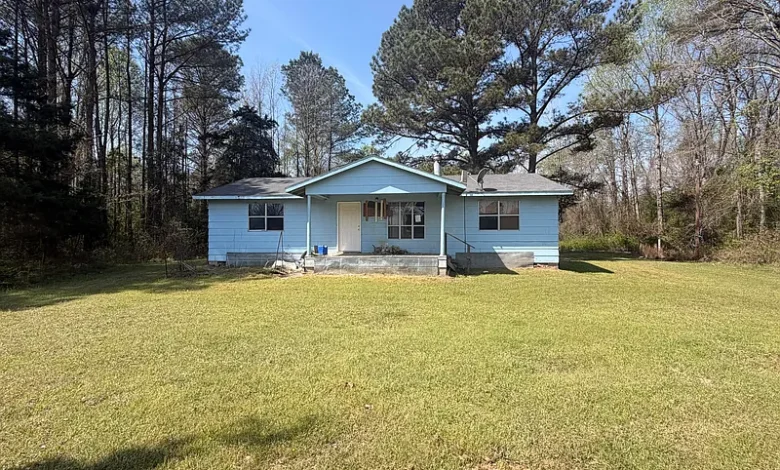
$27,200 3-Bedroom Home in Louisville, Mississippi: Affordable Ranch on 5.3 Wooded Acres With Privacy and Investment Potential
For buyers searching for an affordable home in Mississippi, a low-priced rural property, acreage for sale, a potential investment property, or a private country residence surrounded by mature trees, the property at 16789 Mississippi Ave #490, Louisville, MS 39339 offers an unusual combination of low acquisition price and substantial land.
Currently listed for $27,200 after a $1,700 price reduction, this single-family residence provides approximately 1,152 square feet of living space, three bedrooms, two full bathrooms, a front porch, and approximately 5.3 wooded acres.
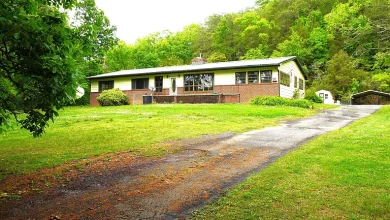
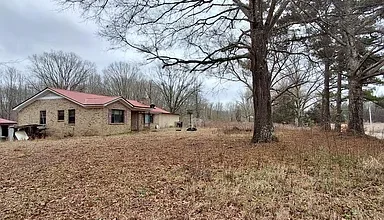
Built in 1987, the ranch-style property is described as offering a peaceful country setting with mature trees and plenty of outdoor space. At approximately $24 per square foot, the asking price is low enough to attract attention from budget-conscious owner-occupants, investors, renovation buyers, and people interested in acquiring acreage without paying the price normally associated with a large parcel and residence.
The land is arguably one of the property’s most significant characteristics. Instead of a small residential lot, the buyer would be acquiring approximately 5.3 acres, giving the property a very different character from a conventional neighborhood home.
However, a low asking price should always be evaluated alongside property condition, utility systems, financing, insurance, access, maintenance, and potential renovation expenses. The supplied listing contains relatively limited information about the home’s heating, cooling, electrical, plumbing, roof, appliances, and interior condition, making professional due diligence particularly important.
Below is a detailed analysis of the home, its acreage, potential uses, financing considerations, septic system, renovation planning, taxes, insurance, rental possibilities, resale considerations, and the questions buyers should investigate before purchasing.
Property Overview: 16789 Mississippi Ave #490, Louisville, MS 39339
The property is located at 16789 Mississippi Ave #490 in Louisville, Mississippi 39339.
According to the supplied listing information, its principal characteristics include:
Current Asking Price: $27,200
Recent Price Reduction: $1,700
Property Type: Residential / Single-Family Residence
Architectural Style: Ranch
Year Built: 1987
Bedrooms: 3
Bathrooms: 2 full bathrooms
Interior Living Area: Approximately 1,152 square feet
Total Structure Area: Approximately 1,152 square feet
Lot Size: Approximately 5.3 acres
Lot Character: Wooded, surrounded by mature trees
Porch: Front porch
Foundation: Conventional
Sewer: Septic tank
Garage/Parking: None listed
Fireplace: None
HOA: None shown
Subdivision: None
Price Per Square Foot: Approximately $24
Reported Annual Property Tax: $145
Parcel Number: 141470025 0000203
Date on Market: September 3, 2026
For buyers who prioritize acreage and privacy, these characteristics make the property particularly noteworthy.
$27,200 Asking Price After a $1,700 Reduction
The current asking price is $27,200, following a reported $1,700 price reduction on August 24.
At this price level, the property competes with many vacant-land listings, yet it includes an existing three-bedroom, two-bath residence.
That does not automatically make it a bargain.
The house’s actual physical condition needs to be understood before its value can be properly evaluated.
A low purchase price can provide room in a renovation budget, but major repairs to roofing, HVAC, electrical systems, plumbing, foundation components, septic infrastructure, or other systems can quickly change the economics.
Approximately $24 Per Square Foot
Based on approximately 1,152 square feet of living area, the property is offered at around $24 per square foot.
That is a remarkably low acquisition figure in absolute terms.
However, price per square foot should never be considered independently from condition.
If substantial repairs are required, the relevant figure becomes the completed cost rather than the acquisition cost.
A more useful calculation is:
Purchase Price + Closing Costs + Inspection Costs + Repairs + Renovation + Utility Work + Insurance + Financing + Taxes + Contingency = Total Property Investment
That total can then be compared with local property values and the buyer’s intended use.
5.3 Wooded Acres Are a Major Feature
The most distinctive characteristic may be the approximately 5.3-acre parcel.
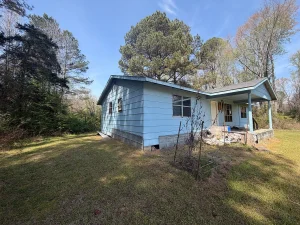
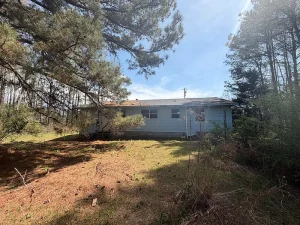
The seller describes the property as being nestled among beautiful wooded acres and mature trees, creating a peaceful country environment.
For buyers accustomed to compact subdivision lots, 5.3 acres represents a substantial amount of land.
The acreage can potentially provide privacy, outdoor recreation, gardening, trails, nature observation, or other permitted uses.
Any specific development, agricultural, subdivision, or additional-building plans should be independently checked against zoning, deed restrictions, access, utilities, and local regulations.
Mature Trees and Natural Privacy
Mature trees can create a very different residential experience from a cleared subdivision lot.
They may provide shade, visual privacy, natural scenery, and separation from neighboring properties.
A wooded parcel can also appeal to buyers who prefer a rural atmosphere.
At the same time, trees create maintenance responsibilities.
Large trees near the house should be inspected for health, damaged limbs, storm exposure, and proximity to the roof or utility lines.
Tree removal can become expensive when specialized equipment is necessary.
Understanding the Value of Acreage
Buyers sometimes attempt to determine property value by dividing the asking price by acreage.
At $27,200 for approximately 5.3 acres, the asking price works out to roughly $5,130 per acre if the entire purchase price were attributed to the land.
But that calculation should not be treated as a formal land valuation because the purchase also includes the existing residence and improvements.
Land values vary based on road access, utilities, topography, soil, drainage, zoning, timber, development potential, location, and many other factors.
Comparable local land sales provide better evidence.
Verify the Property Boundaries
With a parcel this size, buyers should understand exactly where the property begins and ends.
Visible tree lines, paths, fences, or cleared areas do not necessarily represent legal boundaries.
A survey can be especially valuable if the buyer intends to install fencing, clear trees, build an additional structure, create trails, or make other improvements.
Buyers should also determine whether easements or rights-of-way affect any portion of the acreage.
Title work can help identify recorded matters affecting the property.
Three-Bedroom Configuration
The house includes three bedrooms, a popular and flexible residential configuration.
For an owner-occupant, the rooms can serve as traditional bedrooms or be adapted for an office, guest room, hobby room, or other use.
For a potential rental investor, three bedrooms may appeal to a broad range of households.
However, the listing does not provide detailed room dimensions or interior-condition information.
Prospective buyers should inspect each bedroom for flooring, windows, electrical outlets, walls, ceilings, closets, ventilation, and overall condition.
Two Full Bathrooms
The property includes two full bathrooms.
Having two bathrooms within a 1,152-square-foot home can be a useful functional feature.
A buyer should determine whether both bathrooms are currently operational and whether they require cosmetic updates or more substantial renovation.
Important inspection areas include plumbing fixtures, water pressure, drainage, ventilation, subflooring, waterproofing, electrical outlets, and evidence of leaks.
Bathroom repairs can range from inexpensive cosmetic improvements to complete reconstruction, depending on condition.
1,152 Square Feet of Living Space
At approximately 1,152 square feet, the house offers a relatively manageable footprint.
For a renovation buyer, this can be advantageous.
There is less flooring, wall area, roofing footprint, and general interior volume than in a large 3,000- or 4,000-square-foot house.
That does not eliminate major-system costs, but it can make cosmetic rehabilitation more manageable.
A well-designed 1,152-square-foot home can still provide comfortable living space when the floor plan is efficient.
Ranch-Style Architecture
The property is classified as a ranch-style home.
Ranch homes are generally associated with practical layouts and predominantly single-level living.
That can appeal to buyers who prefer to avoid stairs and may simplify certain renovation projects.
The exact floor plan should still be inspected because listing classifications do not provide every architectural detail.
For a rural property surrounded by acreage, a ranch-style house can also fit naturally into the setting.
Built in 1987
The house was constructed in 1987.
Compared with many inexpensive fixer-uppers dating to the early 1900s, this is relatively modern construction.
However, a home built in 1987 is still approaching four decades of age.
If major systems are original or older replacements, some may require attention.
Roofing, HVAC equipment, plumbing fixtures, electrical components, windows, insulation, siding, and appliances should all be evaluated individually.
Age alone cannot establish condition.
Conventional Foundation
The listing describes the foundation as conventional.
Because no additional details are provided, buyers should inspect the foundation and structural components carefully.
Signs worth investigating can include uneven floors, cracks, moisture, settlement, damaged supports, drainage issues, and previous repairs.
A general home inspection can identify visible concerns, while a structural professional may be appropriate if significant movement or damage is observed.
Foundation stability should be understood before expensive cosmetic renovation begins.
Front Porch
The home includes a front porch, an attractive feature for a property in a wooded country setting.
A porch can provide outdoor seating and a comfortable place to enjoy the surrounding acreage.
It can also contribute to curb appeal.
Buyers should inspect porch flooring, supports, steps, railings, roof connections, and structural stability.
If the porch needs only cosmetic improvement, fresh paint or stain and basic repairs could potentially create a noticeable exterior transformation.
No Garage or Dedicated Parking Structure Listed
The supplied property facts list no parking features.
That suggests buyers should not assume a garage or carport is included.
The acreage may provide outdoor parking possibilities, but access and existing parking surfaces should be inspected.
A future owner interested in adding a garage, workshop, or carport should investigate zoning, setbacks, permitting, utilities, and construction costs.
With 5.3 acres, physical space may be available, but legal feasibility still needs verification.
No Fireplace
The home does not have a fireplace according to the listing.
That simplifies certain maintenance considerations because there is no listed chimney or fireplace requiring routine inspection.
Heating details, however, are not included in the supplied information.
A buyer should determine what system currently heats the home, its age, energy source, condition, and remaining useful life.
For a rural property, understanding mechanical systems before purchase is particularly important.
Heating and Cooling Information Needs Verification
The listing does not provide specific heating or cooling information.
That is a major item to investigate.
In Mississippi, reliable air conditioning can be especially important during warm and humid weather.
A buyer should determine whether central HVAC equipment exists, whether it operates properly, and how old it is.
If a complete HVAC replacement is required, that expense should be incorporated into the purchase analysis before making an offer.
Electrical System Should Be Inspected
Electrical information is also absent from the supplied facts.
A licensed electrician or qualified inspector can evaluate the electrical panel, service capacity, breakers, outlets, grounding, visible wiring, and safety devices.
A 1987 home may have received modifications over the years, so buyers should understand what has been changed.
Electrical upgrades can become especially relevant if the buyer plans major kitchen improvements, new HVAC equipment, workshop space, or additional structures.
Plumbing Requires Due Diligence
The listing does not describe the plumbing system in detail.
Buyers should evaluate supply lines, drains, water pressure, fixtures, water heater, leaks, and any evidence of previous water damage.
Because the home uses a septic tank, plumbing and wastewater systems should be considered together.
A functioning interior plumbing system is only one part of the equation; wastewater also needs to leave the home reliably and safely.
Septic Tank System
The property uses a septic tank rather than municipal sewer.
For a rural property, this is common.
A properly maintained septic system can provide reliable service for many years, but buyers should understand its condition before purchase.
A septic professional may be able to evaluate the tank and related components, depending on system design and access.
The location of the septic area is also important if the buyer intends to build, add a pool, clear land, or create additional driveways.
Septic Repairs Can Affect the Budget
Septic maintenance can be relatively routine when a system is functioning correctly.
Major failure is a different matter.
Repair or replacement can become a significant expense depending on site conditions, soil, system design, and local requirements.
That is why septic inspection should be treated as a meaningful part of due diligence rather than an afterthought.
For an investor, the condition of the septic system can materially change the economics of a $27,200 purchase.
Water Source Should Be Confirmed
While the listing identifies a septic tank, the supplied information does not specify the property’s water source.
Prospective buyers should determine whether the home uses municipal water, a private well, or another arrangement.
If a private well is present, buyers may want to evaluate pump condition, pressure equipment, water quality, and flow.
If public water is used, connection status and service-line condition should be confirmed.
Water infrastructure is essential to both habitability and financing.
No HOA Shown
There is no HOA amount shown, and the property is listed with no subdivision.
For buyers seeking a rural setting, the apparent absence of a homeowners association may be appealing.
It can eliminate monthly or annual association dues and certain private community restrictions.
However, the absence of an HOA does not mean there are no land-use restrictions.
County regulations, zoning, deed restrictions, easements, environmental requirements, and building codes may still apply.
Potential for an Owner-Occupied Country Home
For an owner-occupant, this property may offer an affordable route to acquiring both a house and substantial land.
Three bedrooms and two bathrooms provide a practical residential configuration, while the wooded acreage creates privacy and outdoor space.
A buyer who enjoys gardening, nature, outdoor projects, or simply having more separation from neighboring homes may find the setting attractive.
The key question is whether the house’s physical condition allows improvements to remain within the buyer’s budget.
Potential Renovation Opportunity
At $27,200, some buyers may consider the property a renovation project.
The listing does not explicitly describe major damage, but the low price makes a thorough inspection essential.
Renovation possibilities could include interior paint, flooring, kitchen improvements, bathroom updates, lighting, fixtures, porch restoration, exterior maintenance, landscaping, and other work.
Major systems should always be evaluated before cosmetic improvements.
A beautiful interior is of limited value if the roof, HVAC, plumbing, electrical system, or septic infrastructure requires urgent attention.
Kitchen Due Diligence
The supplied information does not provide detailed kitchen facts.
Buyers should inspect cabinets, countertops, appliances, flooring, plumbing, electrical outlets, ventilation, lighting, and storage.
If existing cabinets remain structurally serviceable, cosmetic improvements could potentially control costs.
If the entire kitchen requires replacement, the budget should reflect cabinets, countertops, sink, plumbing, appliances, lighting, flooring, and labor.
Investors should select improvements appropriate for the local market.
Bathroom Renovation Strategy
With two full bathrooms, a buyer has a useful starting layout.
Renovation should focus first on functionality.
Leaks, damaged subfloors, drainage, plumbing, ventilation, and electrical safety should be addressed before decorative upgrades.
After essential repairs, updated fixtures, lighting, flooring, vanities, paint, and hardware can transform a bathroom without necessarily requiring structural changes.
The appropriate level of renovation depends on whether the property will be occupied, rented, or resold.
Potential Long-Term Rental
A three-bedroom, two-bath home with more than five acres could also be investigated as a long-term rental property.
The land and privacy may differentiate it from rentals on small lots.
However, there is no verified rental estimate in the supplied listing.
Investors should research comparable rentals in Louisville and the surrounding area.
The relevant question is not simply what monthly rent might be advertised, but what net income remains after expenses.
Calculating Rental Cash Flow
A basic rental calculation is:
Gross Rental Income – Vacancy – Property Taxes – Insurance – Maintenance – Management – Owner-Paid Utilities – Septic/Well Reserves – Capital Repairs = Net Operating Income
If the property is financed, debt service can then be considered when calculating cash flow.
Land maintenance should also be included.
Five wooded acres may require tree work, mowing of cleared areas, driveway maintenance, and other periodic expenses.
Potential Fix-and-Flip Strategy
An investor could also evaluate the property as a possible fix-and-flip project.
The low purchase price leaves a large percentage of the total project budget available for improvements, but profitability cannot be determined without knowing the condition of the house and local resale values.
The investor should research recently sold renovated homes with similar square footage, bedroom count, bathroom count, acreage, age, and location.
Acreage properties can be particularly difficult to compare because parcel characteristics vary widely.
Determining After-Repair Value
No Zestimate is provided, and no reliable after-repair value can be determined from the supplied information alone.
An investor should use actual comparable sales.
A useful analysis might compare the property with other renovated three-bedroom, two-bath homes near Louisville while adjusting for lot size, rural setting, condition, and other differences.
The asking prices of unsold homes should not be treated as equivalent to closed-sale evidence.
A professional appraisal may also be useful depending on the investment strategy.
Complete Flip Calculation
A disciplined investor might use:
Expected After-Repair Value – $27,200 Purchase Price – Closing Costs – Renovation – Septic/Water Work – Financing – Insurance – Taxes – Utilities – Holding Costs – Selling Expenses – Contingency = Potential Project Result
This prevents the investor from treating the difference between purchase price and future resale price as profit.
Transaction costs and construction expenses can materially change the result.
Financing a Very Low-Priced Property
Financing a $27,200 house can sometimes be more complicated than financing a more expensive property.
Some mortgage lenders have minimum loan amounts, appraisal requirements, and property-condition standards that can make very small mortgages difficult.
The listing includes general information about mortgage pre-qualification, but that does not guarantee this specific property qualifies for conventional financing.
Buyers should speak directly with lenders about the property before relying on a particular loan structure.
Zillow’s Estimated $40 Monthly Payment
The listing displays an estimated monthly payment of approximately $40.
This should not be interpreted as the total monthly cost of owning the property or as confirmation of available financing.
Actual mortgage costs depend on loan amount, down payment, interest rate, credit profile, term, and fees.
Property taxes, homeowners insurance, utilities, maintenance, septic expenses, land maintenance, and repairs are separate.
For an inexpensive property, these non-mortgage expenses can easily exceed the displayed financing estimate.
Reported Annual Property Tax of Only $145
One particularly noteworthy figure is the reported annual property tax of $145.
That is unusually low in absolute terms and should be independently verified.
The listing does not provide a tax assessed value in the supplied information.
Buyers should confirm the current tax bill, whether any exemptions or special assessments affect the amount, and whether ownership transfer could change the tax situation.
Investors should never build a long-term cash-flow model around an unusually low tax figure without verifying it.
Homeowners Insurance
Insurance should be researched before closing.
An insurer may consider the home’s 1987 construction, roof condition, electrical system, plumbing, HVAC, location, trees near the structure, occupancy, and other factors.
Rural properties can also involve considerations related to fire-protection distance and access.
The appropriate way to determine insurance cost is to obtain actual quotes based on the specific property.
Purchase price alone is not enough to estimate premiums.
Land Maintenance Costs
Owning 5.3 wooded acres involves different maintenance responsibilities from owning a small suburban lot.
A buyer may need to budget for tree trimming, removal of dangerous trees, mowing or brush control in cleared areas, driveway maintenance, storm cleanup, pest management, and drainage work.
Some owners may intentionally leave most of the acreage natural, reducing routine maintenance.
Still, land ownership should be included in the long-term budget.
Survey and Title Review
Because acreage is a major part of the property’s appeal, buyers should consider verifying boundaries and title information.
A title review can identify recorded easements, rights-of-way, liens, or restrictions.
A survey can help establish the physical boundaries.
These become especially important if a future owner intends to fence the property, clear land, construct additional buildings, or otherwise make substantial use of the acreage.
Possibility of Additional Structures
With more than five acres, buyers may naturally wonder about garages, workshops, storage buildings, or other improvements.
Physical space alone does not establish legal permission.
Any future construction should be evaluated against zoning, setbacks, septic areas, utilities, drainage, access, deed restrictions, and permitting requirements.
A buyer should confirm feasibility before including future improvements in the property’s expected value.
1,406 Zillow Views and 89 Saves
According to the supplied listing information, the property has accumulated approximately 1,406 views and 89 saves.
Zillow also displays an indicator suggesting it may sell faster than a large portion of nearby listings.
These statistics indicate online interest but do not establish property value or predict a sale.
The combination of a $27,200 asking price, three bedrooms, two bathrooms, and 5.3 acres is naturally likely to attract clicks.
Serious buyers should still base decisions on inspections and financial analysis.
Renovation Priorities
If repairs are necessary, buyers should prioritize the property in a logical sequence.
First, verify the foundation, structure, roof, exterior weather protection, drainage, septic system, water supply, electrical system, plumbing, and HVAC.
After major systems are confirmed, attention can shift to kitchen and bathroom functionality.
Flooring, paint, lighting, fixtures, porch improvements, and landscaping can generally follow.
This approach reduces the risk of damaging newly completed cosmetic work while correcting hidden mechanical or structural problems.
Building a Realistic Project Budget
A comprehensive budget could look like:
$27,200 Purchase Price + Closing Costs + Home Inspection + Foundation/Structural Work + Roof + HVAC + Electrical + Plumbing + Septic + Water System + Windows + Kitchen + Two Bathrooms + Flooring + Interior Paint + Exterior Repairs + Front Porch + Appliances + Tree Work + Driveway + Landscaping + Insurance + Financing + Taxes + Holding Costs + Contingency
Not every category will necessarily require significant work.
The purpose is to investigate each one before assuming the property’s low purchase price means the overall project will also be inexpensive.
Why a Contingency Fund Matters
Unexpected expenses are common in renovation.
An inspector may discover moisture damage, HVAC failure, plumbing leaks, septic issues, roof deterioration, damaged flooring, electrical problems, or tree-related risks.
A contingency reserve provides financial flexibility.
Without one, even a relatively modest unexpected repair can interrupt a project with a small overall acquisition budget.
Investors and owner-occupants should avoid spending every available dollar on the purchase itself.
Final Thoughts on 16789 Mississippi Ave #490, Louisville, Mississippi
16789 Mississippi Ave #490, Louisville, MS 39339 offers a combination that is increasingly difficult to overlook: a $27,200 asking price, three bedrooms, two full bathrooms, approximately 1,152 square feet of living space, ranch-style construction, a front porch, and approximately 5.3 wooded acres.
The land is arguably the property’s defining feature.
Mature trees and more than five acres can provide a degree of privacy and outdoor space that a conventional residential lot simply cannot match. For buyers who prefer a quieter country setting, the acreage may be as important as the house itself.
At approximately $24 per square foot, the asking price is low. The recent $1,700 price reduction makes the current acquisition figure even more accessible.
But the correct financial analysis must go beyond the $27,200 price.
The supplied listing does not specify several major systems, including heating, cooling, water source, electrical details, roof condition, and much of the interior condition. The home also uses a septic tank, which should be evaluated as part of the purchase process.
For an owner-occupant, the property could potentially provide an affordable three-bedroom country residence with enough acreage for privacy, nature, outdoor activities, and future permitted improvements.
For a long-term rental investor, the three-bedroom, two-bath configuration and acreage may create an interesting offering, but actual local rental demand and operating expenses must be researched.
For a renovation investor, the low acquisition cost may create room for improvements, but profitability depends on the scope of repairs and a realistic after-repair value based on comparable sales.
The reported $145 annual property tax is another attention-grabbing figure, but it should be independently verified before being incorporated into any long-term ownership or investment calculation.
The property’s 1,406 views and 89 saves indicate meaningful online attention, but digital engagement should not substitute for inspection.
The strongest buyer for this property will be someone who understands both sides of the opportunity: the appeal of purchasing a home and more than five acres for $27,200, and the importance of determining exactly what the house, septic system, utilities, foundation, roof, HVAC, plumbing, electrical system, and land may require after closing.
With professional inspections, clear title and boundary information, accurate repair estimates, insurance research, and a realistic financial plan, this Louisville, Mississippi property could offer a distinctive path toward affordable rural homeownership, a long-term rental investment, or a renovation project surrounded by mature trees and substantial private acreage.
The asking price may be what first attracts attention, but the combination of three bedrooms, two bathrooms, manageable interior square footage, 5.3 wooded acres, and a peaceful country setting is what ultimately makes 16789 Mississippi Ave #490 worth a closer look for buyers prepared to conduct proper due diligence.
Listed on Zillow