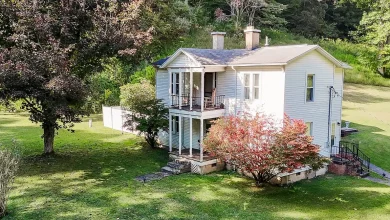
4 beds 1 baths 2,012 sqft
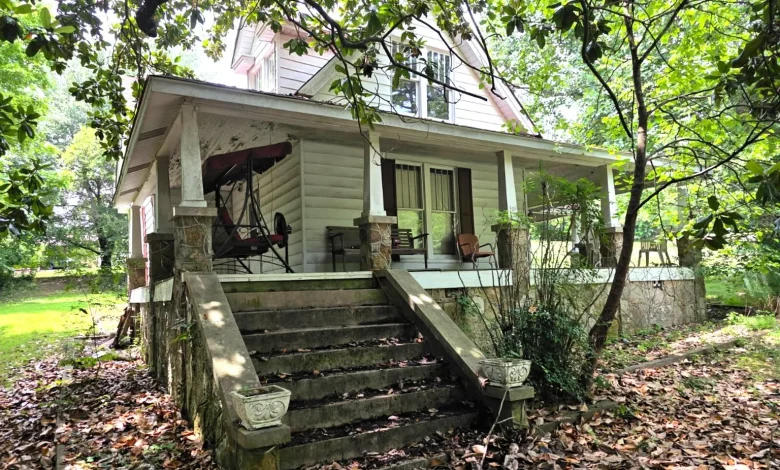
Historic Sam Davidson House in Evening Shade, Arkansas: A Rare 1880 Property on 2 Acres
A historic Arkansas property with more than two acres of land, four bedrooms, approximately 2,012 square feet of living space, and a place on the U.S. National Register of Historic Places is now listed for $49,900. Located in Evening Shade, Arkansas, the property is known as the Sam Davidson House and offers an unusual opportunity for buyers interested in historic homes, restoration projects, rural living, and long-term property investment.
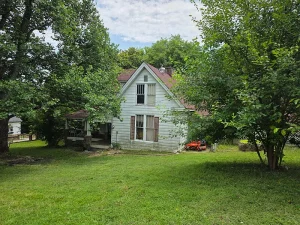
Built around 1880, the home represents a much different era of residential construction. Rather than offering the features of a modern subdivision house, this property provides the character, setting, and architectural history that can make an older home especially interesting to restoration-minded buyers. The property was added to the U.S. National Register of Historic Places in 1982, giving it an important historical connection to the community and surrounding region.
The listing describes the home as a historic fixer-upper, meaning that buyers should approach the property with an understanding that restoration and renovation may be required. At the same time, the property has several characteristics that make it stand out, including a large level yard, beautiful stone retaining walls, approximately two acres of land, and road frontage on three sides.
For $49,900, the property presents a very different proposition from a conventional move-in-ready home. Instead of simply purchasing a finished residence, a buyer may be acquiring an opportunity to restore a significant piece of local history and potentially create a distinctive home, retreat, or other appropriate use subject to applicable rules and approvals.
A Historic Arkansas Property With a Unique Story
The most significant feature of this property is its history.
Known as the Sam Davidson House, the residence was built around 1880. That places its construction well over a century ago and gives the property a historical character that cannot easily be replicated through modern construction.
The home was added to the U.S. National Register of Historic Places in 1982. Being included on the National Register can make a property particularly interesting to people who appreciate architecture, preservation, local history, and historically significant buildings.
Historic properties can also require a different approach from ordinary homes. Their age can mean that prospective buyers need to examine structural components, foundations, roofing, electrical systems, plumbing, heating and cooling, windows, exterior materials, drainage, and other features carefully before completing a purchase.
For someone who enjoys restoration projects, however, these challenges can also become part of the appeal.
A property that has survived since approximately 1880 carries a sense of continuity that a newly constructed house simply cannot reproduce. The goal may not be to make the home look like every other modern residence. Instead, the opportunity may involve preserving its historic character while making the property functional for contemporary living.
Approximately Two Acres of Arkansas Land
The house sits on approximately two acres of land, according to the listing.
That amount of acreage provides considerably more space than a typical residential lot. For buyers who value privacy, outdoor space, gardening, recreation, or simply a larger setting around their home, the land adds another dimension to the property.
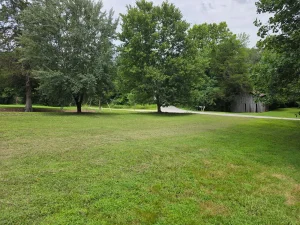
The listing specifically highlights a large, level yard. Level land can be especially useful because it provides flexible outdoor space and may be easier to use than steep or heavily sloped acreage.
The property also features beautiful stone retaining walls. These walls contribute to the visual identity of the property while also serving as an important reminder of its age and historic character.
Historic stonework can be one of the most attractive elements of an older property because it provides texture and authenticity that is difficult to reproduce. A well-preserved stone feature can become an important part of a restoration plan, landscaping design, or outdoor gathering area.
Because the property includes approximately two acres, buyers may have opportunities to create distinct outdoor areas around the home. Depending on local requirements and the property’s existing conditions, possibilities could include gardens, lawns, seating areas, recreational space, landscaping, or other personal uses.
All future improvements should be evaluated against local regulations, historic preservation requirements where applicable, property boundaries, utility availability, and any other restrictions.
Road Frontage on Three Sides
Another unusual characteristic is road frontage on three sides of the property.
Having road frontage on multiple sides can provide the property with a distinctive sense of accessibility and visibility. It can also make the acreage easier to understand and potentially provide multiple approaches to the property, depending on existing access arrangements.
For buyers considering improvements, multiple road-facing boundaries can also affect how landscaping, driveways, parking, entrances, fencing, and outdoor spaces are designed.
However, prospective buyers should verify the exact property boundaries, access points, easements, setbacks, and road-right-of-way information before making assumptions about future development or improvements.
The combination of three-sided road frontage, a large level yard, and approximately two acres gives the property a physical layout that could be attractive to someone looking for more than a standard residential lot.
A Four-Bedroom Historic Home
The property includes four bedrooms and one bathroom, with approximately 2,012 square feet of total interior livable area.
For a historic property of this age, more than 2,000 square feet provides substantial interior space. The four-bedroom configuration could also offer flexibility for a variety of household arrangements once the property is restored.
Depending on the final condition and the work required, bedrooms could potentially serve traditional residential purposes, guest accommodations, offices, hobby rooms, or other personal spaces.
However, the listing identifies the property as a fixer-upper, so buyers should not assume that the current layout or individual rooms are ready for immediate occupancy.
A detailed inspection would be particularly important for a home dating to around 1880. Prospective buyers should understand the distinction between the listed bedroom count and the actual condition, functionality, and code compliance of each space.
Restoration of an older home can involve more than cosmetic improvements. Electrical wiring, plumbing, structural components, insulation, windows, roofing, foundations, moisture management, and other systems may require professional evaluation.
The Challenge and Appeal of a Historic Fixer-Upper
The term “fixer-upper” can mean very different things depending on the age and condition of a property.
In this case, the home’s approximate 1880 construction date makes the project especially distinctive. The property is not simply an ordinary house that needs updated paint and flooring. Its historic character means that restoration decisions could have an impact on the building’s appearance and long-term preservation.
A buyer may need to balance modern functionality with the desire to retain historic elements.
That can make the project particularly appealing to someone who enjoys architectural restoration. Instead of starting with a blank slate, the buyer begins with an existing structure that already has a documented place in the area’s history.
The listing itself describes the property as offering possibilities for restoration, investment, or creating a dream historic home.
That broad description allows prospective buyers to consider different approaches. One buyer may want to preserve as much original character as possible. Another may focus on creating a comfortable private residence while maintaining important historic elements. An investor could investigate whether the property has an appropriate income-producing use after renovation, subject to zoning, financing, insurance, and local regulations.
None of these possibilities should be considered guaranteed. The property’s current condition, historic status, local rules, renovation costs, and financing requirements would all need to be investigated.
Why Historic Homes Can Attract Restoration Buyers
Historic homes appeal to a specific group of buyers because they offer characteristics that are increasingly difficult to find.
Modern houses are generally designed for efficiency, standardization, and contemporary expectations. Historic houses, by contrast, often reflect the construction methods, materials, layouts, and craftsmanship of their period.
The Sam Davidson House offers the opportunity to work with a property that has existed since approximately the late nineteenth century.
For restoration enthusiasts, the appeal may be the process itself. Researching the home’s history, determining which elements are original, identifying appropriate restoration materials, and carefully updating infrastructure can turn a renovation into a long-term project.
The National Register connection may also increase the property’s historical significance.
However, buyers should understand that historic designation does not automatically mean that every part of a property is protected or that every renovation requires the same approvals. The exact implications should be confirmed with the relevant local, state, and preservation authorities before beginning work.
A Large Level Yard Adds Flexibility
The large level yard is another feature specifically highlighted in the listing.
Level land can be valuable for everyday use because it generally provides easier space for outdoor activities, landscaping, gardens, seating, and other improvements.
For a historic residence, the surrounding grounds can also become an important part of the restoration.
A thoughtfully designed landscape could complement the architecture rather than compete with it. Stone retaining walls could potentially become focal points, while open lawn areas could provide visual separation around the historic structure.
A buyer interested in preserving the property’s historic atmosphere may choose landscaping that reflects the age and character of the home.
Alternatively, someone purchasing the property primarily for personal use may design the land around contemporary needs.
Because the property contains approximately two acres, there may be enough space to create multiple outdoor zones while maintaining a spacious setting around the home.
Stone Retaining Walls Add Historic Character
The stone retaining walls deserve special attention because they are specifically mentioned in the property description.
Stone construction has a timeless appearance and can contribute significantly to the character of an older property. These walls may also provide clues about how the property was historically landscaped or organized.
Their condition should be evaluated as part of any professional inspection.
Older stone structures can experience shifting, erosion, drainage problems, vegetation growth, or deterioration of mortar and surrounding soil. Proper evaluation can help determine whether stabilization or restoration work is necessary.
For a buyer planning a larger restoration project, preserving these walls could be an important part of maintaining the property’s visual identity.
They may eventually become part of gardens, walkways, seating areas, or other outdoor improvements, depending on their location and structural condition.
Location in Evening Shade, Arkansas
The property is located in Evening Shade, Arkansas, a small community that provides a rural setting for this historic residence.
For buyers who prefer small-town environments over large urban neighborhoods, the location may be part of the property’s appeal.
Evening Shade offers a setting where a historic home on approximately two acres can feel very different from a property located within a dense metropolitan subdivision.
Rural and small-town properties can also appeal to buyers seeking more land, quieter surroundings, or opportunities to take on restoration projects without the same urban setting found in larger cities.
At the same time, prospective buyers should evaluate the practical aspects of the location. Before purchasing, it is important to consider travel times to employment, schools, healthcare, shopping, restaurants, building suppliers, contractors, and other services.
For someone planning a major renovation, access to contractors and construction materials can be particularly important.
A Potential Long-Term Restoration Project
One way to view this property is as a long-term restoration project rather than a conventional home purchase.
The $49,900 asking price provides an entry point, but the eventual investment could be substantially higher depending on the home’s current condition and the scope of restoration.
Historic renovation budgets can vary dramatically.
A buyer might encounter expenses involving structural repairs, roofing, windows, electrical systems, plumbing, heating and cooling, insulation, foundation work, interior finishes, exterior restoration, landscaping, and other improvements.
The most important step is therefore understanding the actual condition of the property before establishing a renovation budget.
Professional inspections and contractor estimates can help turn an attractive historic opportunity into a realistic financial plan.
Buyers should also maintain a contingency reserve because older structures can reveal unexpected issues once walls, floors, ceilings, or other components are opened during renovation.
Investment Potential and Due Diligence
The listing describes the property as offering investment possibilities, but prospective investors should perform their own financial analysis.
A historic property can potentially become a rental, specialty residence, short-term accommodation, event-oriented property, or another type of real estate project depending on local rules and the final condition of the building.
However, the listing information alone does not establish that any particular use is permitted.
Before purchasing with an investment strategy in mind, buyers should investigate zoning, permitted uses, rental regulations, insurance requirements, renovation restrictions, utility capacity, taxes, property boundaries, and estimated operating costs.
The property’s annual tax amount is listed at approximately $469, which provides useful information for evaluating ongoing ownership expenses. However, taxes and other costs can change over time, and buyers should verify current figures with the appropriate local authorities.
Important Questions for Prospective Buyers
Because this is a historic fixer-upper, due diligence should be a major part of the buying process.
Prospective buyers may want to investigate:
- The structural condition of the house
- Foundation and drainage conditions
- Roof condition
- Electrical wiring and service
- Plumbing supply and waste systems
- Heating and cooling options
- Water and sewer arrangements
- Condition of windows and doors
- Moisture and possible water intrusion
- Termite or other pest activity
- Historic preservation requirements
- Property boundaries and road frontage
- Easements and access rights
- Zoning and permitted uses
- Insurance availability and cost
- Renovation permits
- Current property taxes
- Potential renovation costs
- Availability of qualified contractors
- Financing options for a historic fixer-upper
A buyer should also determine which historic features should be preserved and whether modifications require approval from any relevant authority.
Understanding the $49,900 Asking Price
The listed price is $49,900, or approximately $25 per square foot based on the listed 2,012 square feet.
That figure provides a useful starting point for comparing the property with other listings, but price per square foot alone does not fully explain the value of a historic fixer-upper.
The condition of the building, acreage, historic significance, restoration requirements, location, and potential future uses all influence the overall property equation.
A lower purchase price can make a restoration project more accessible, but buyers should avoid assuming that the acquisition price represents the total cost of ownership.
For a property built around 1880, the renovation budget may be the more significant financial consideration.
A Property for Someone With Vision
The strongest theme surrounding the Sam Davidson House is potential.
The property is clearly not marketed as a typical turnkey residence. Instead, it is presented as a landmark historic fixer-upper with approximately two acres, a large level yard, stone retaining walls, and road frontage on three sides.
That combination could appeal to someone who wants a project with a story.
Restoring an approximately 140-year-old home can be a major undertaking, but it can also create something highly personal and distinctive.
A finished restoration could potentially combine modern comfort with historic architecture, creating a residence that reflects both the property’s past and the owner’s vision.
For some buyers, the opportunity to preserve an old Arkansas property may be just as important as the house itself.
Possible Uses After Restoration
The listing suggests several broad possibilities, including restoration, investment, or creating a dream historic home.
A restored residence could potentially serve as a primary home for someone who values history and character.
The acreage could also support a private retreat or weekend property, depending on the owner’s goals.
Investment-oriented buyers might explore appropriate rental opportunities if permitted by local regulations and financially supported by the renovation numbers.
Other possibilities may exist, but each would need to be researched carefully.
The property’s historic designation is also an important factor. Any buyer considering significant alterations should understand how historic status may affect renovation decisions.
The best use will ultimately depend on the property’s physical condition, the buyer’s budget, applicable regulations, and personal goals.
A Rare Opportunity in Arkansas Real Estate
Properties with this combination of age, acreage, historic recognition, and restoration potential do not come along every day.
The Sam Davidson House stands apart because it is not simply an older home. Its history has been formally recognized through its inclusion on the U.S. National Register of Historic Places.
At the same time, the property offers practical characteristics that modern buyers may appreciate, including four bedrooms, approximately 2,012 square feet, two acres of land, a large level yard, and multiple sides of road frontage.
The challenge is that bringing an old property back to life requires planning, money, patience, and careful research.
For the right buyer, that challenge may be precisely what makes the opportunity interesting.
Final Thoughts
Listed for $49,900, the Sam Davidson House in Evening Shade, Arkansas, represents a distinctive opportunity to purchase a historic property with approximately two acres of land.
Built around 1880 and added to the U.S. National Register of Historic Places in 1982, the property offers a connection to Arkansas history that goes far beyond the typical residential listing.
The four-bedroom, one-bath home contains approximately 2,012 square feet and sits on a large, level property featuring beautiful stone retaining walls and road frontage on three sides.
The home is a fixer-upper, so prospective buyers should approach the opportunity with realistic expectations. A complete evaluation of the structure, utilities, roof, foundation, interior systems, preservation considerations, and renovation requirements should be completed before making major financial decisions.
At the same time, the property’s age, acreage, historic designation, and distinctive setting create a foundation for a potentially remarkable restoration.
For buyers who appreciate historic architecture and are willing to take on a substantial project, the Sam Davidson House could provide the opportunity to transform an old Arkansas landmark into a renewed residence while preserving an important piece of local character.
As with any historic fixer-upper, the key is careful due diligence. The $49,900 asking price is only one part of the financial picture. Renovation costs, professional inspections, permits, insurance, preservation requirements, taxes, and future maintenance should all be considered before purchase.
For someone with a clear restoration plan and the resources to carry it through, this Evening Shade property offers something that modern construction cannot easily provide: a home with a documented past, substantial land, and the possibility of creating its next chapter.
Listed on Zillow.