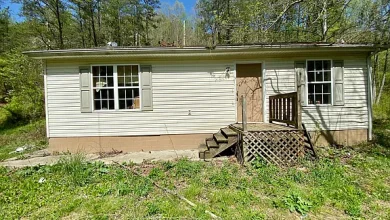
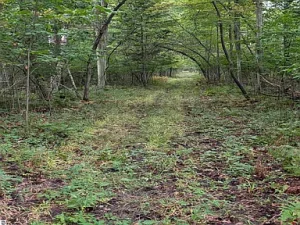
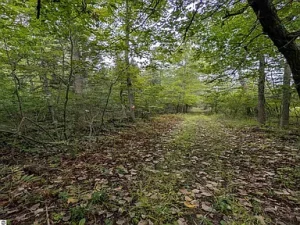
Beautifully wooded parcel
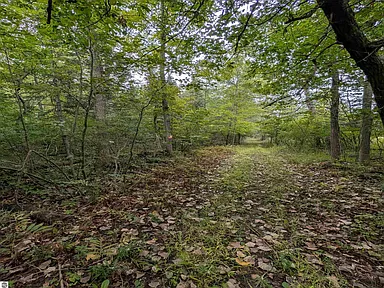
20-Acre Michigan Wooded Property With State Land Access and Hunting Potential
A rare opportunity to own a large, beautifully wooded parcel of land is now available near Omer, Michigan, offering 20 acres of private recreational property for $44,500. Situated off US-23 and accessed through an easement, this expansive parcel provides a combination of wooded privacy, outdoor recreation, hunting potential, and proximity to additional public land.
For buyers searching for undeveloped Michigan acreage, hunting land, recreational property, or a private retreat away from more densely developed areas, this property presents several characteristics worth exploring. The entire parcel is described as wooded, and its eastern boundary borders many acres of state land. That relationship with neighboring public land could significantly expand the outdoor recreation opportunities available to the future owner.
The property contains approximately 20 acres, with listed dimensions of roughly 660 feet by 1,320 feet. It is zoned Forest/Recreational and is described as a metes-and-bounds parcel. There are currently no listed utilities, no water service, and no sewer service, making this a true undeveloped land opportunity rather than a conventional residential property.
At an asking price of $44,500, the property represents approximately $2,225 per acre. The relatively large acreage and wooded setting make it particularly interesting for buyers who value privacy, hunting, recreation, timbered landscapes, and long-term land ownership.
A 20-Acre Wooded Parcel in Michigan
The defining characteristic of this property is its 20 acres of wooded land.
Unlike a small residential lot, 20 acres can provide considerable room for outdoor activities, wildlife observation, hunting, hiking, camping, and other recreational uses, subject to local regulations and the property’s zoning and access requirements.
The listing describes the wooded area as 100 percent, meaning buyers are looking at a predominantly forested parcel rather than open farmland or partially developed acreage.
For someone looking to escape suburban development, a heavily wooded property can provide a very different ownership experience. Trees can create natural privacy, shade, habitat, and visual separation from surrounding properties.
The parcel’s size also provides flexibility for buyers who want land primarily for recreation rather than immediate residential development.
Located Near Omer, Michigan
The property is located in the Omer area of Michigan, in a region known for rural landscapes, forests, waterways, agricultural land, and outdoor recreation.
Omer is a relatively small community, making the surrounding area particularly relevant for buyers interested in a quieter rural setting.
For prospective purchasers, location should be evaluated from both a recreational and practical perspective. Buyers may want to research nearby communities, roads, grocery stores, fuel stations, medical services, outdoor recreation destinations, and other amenities before purchasing.
Because this is undeveloped land, the experience of owning the property will depend heavily on how accessible it is and how the surrounding area fits the buyer’s intended use.
Access Through an Easement Off US-23
One of the most important details in the listing is that the property is located via an easement off US-23.
An easement can provide legal access to a parcel that does not have a conventional driveway directly connecting to a public road. However, buyers should carefully verify the exact location, width, legal description, maintenance obligations, permitted uses, and recorded terms of the easement before purchasing.
Access is especially important for undeveloped land.
A recreational owner may need to use the property throughout different seasons, potentially requiring a vehicle capable of handling varying road conditions. If a future owner plans to bring in equipment, construct improvements, or create a driveway, the easement’s legal terms should be reviewed first.
The buyer should obtain and examine the recorded easement documents and confirm that the intended use is permitted.
Bordering State Land Adds Recreational Appeal
Perhaps the most compelling feature of this parcel is its eastern boundary.
According to the listing, the property borders many acres of state land along its eastern boundary.
For outdoor enthusiasts, adjacency to public land can be an important advantage. Instead of having privately owned land surrounding the entire parcel, the buyer may have direct access or proximity to a much larger landscape, depending on the exact boundaries and legal access arrangements.
State-owned land can potentially provide additional opportunities for hiking, wildlife observation, outdoor recreation, and hunting where legally permitted.
However, buyers should verify the exact public-land boundaries and determine how the state land can legally be accessed from the private parcel.
The phrase “joins state land” should not automatically be interpreted as a guarantee of unlimited access to every surrounding acre. Public land regulations, access points, seasonal restrictions, and hunting rules can apply.
A Property Designed for Hunting and Recreation
The listing specifically highlights hunting and recreation possibilities.
Michigan has a strong outdoor culture, and wooded acreage can be attractive to hunters seeking private ground with access to additional public land.
The property is described as beautifully wooded and located adjacent to state land, creating a setting that may provide habitat for wildlife.
Potential recreational activities could include:
- Hunting
- Wildlife observation
- Hiking
- Camping
- Nature photography
- Bird watching
- Exploring wooded trails
- Seasonal outdoor recreation
- Land stewardship
- ATV or off-road activities where legally permitted
Each activity should be evaluated against local, county, state, and property-specific regulations.
For hunters, it is particularly important to research current Michigan hunting seasons, licensing requirements, species regulations, firearm and hunting-zone restrictions, and rules governing hunting on both private and state land.
“Hunting Season Awaits”
The listing specifically markets the property toward buyers interested in hunting, describing the parcel as a place where hunting season awaits.
This wording reflects the recreational focus of the property rather than a guarantee of hunting success.
Wildlife activity can vary significantly based on habitat, weather, food availability, neighboring land uses, hunting pressure, and seasonal conditions.
A serious hunting buyer may want to walk the property before purchasing and inspect the terrain for signs of wildlife, trails, bedding areas, feeding areas, water sources, and natural corridors.
The relationship with neighboring state land could also make the broader landscape relevant to wildlife movement.
Approximately $2,225 Per Acre
At $44,500 for 20 acres, the asking price works out to approximately $2,225 per acre.
Price per acre is a useful starting point when comparing rural land, although it should never be the only factor considered.
Two parcels of the same acreage can have very different values depending on road access, utilities, topography, timber, water features, zoning, development potential, proximity to public land, and neighboring properties.
In this case, the parcel’s wooded condition and connection to state land are notable characteristics.
The lack of utilities and the easement-based access may also influence the property’s value and future use.
Buyers should compare this parcel with other recreational acreage in the surrounding region and consider the specific characteristics of each property rather than relying solely on acreage-based comparisons.
Forest and Recreational Zoning
The property is described as having Forest/Recreational zoning.
That designation is particularly relevant because the parcel is being marketed primarily as an outdoor and recreational property.
Nevertheless, buyers should confirm the exact zoning ordinance and permitted uses with the appropriate local authorities.
Zoning can determine whether a buyer may construct a dwelling, cabin, hunting shelter, accessory building, driveway, storage structure, or other improvements.
It can also establish setbacks, minimum lot requirements, building standards, environmental restrictions, and other conditions.
A buyer should never assume that the phrase “Forest/Recreational” automatically means residential construction is permitted.
Written confirmation from the appropriate zoning authority is advisable before making plans for development.
No Water, Sewer, or Utilities
The property currently has no listed water, sewer, or utility services.
This is one of the most important practical considerations for prospective buyers.
Unlike a developed residential property, the parcel does not currently provide basic utility infrastructure.
Anyone planning to build a cabin or residence would need to investigate the feasibility and cost of installing the necessary systems.
Potential considerations could include:
- Well installation
- Septic system feasibility
- Electrical service
- Solar power
- Generator systems
- Propane
- Alternative heating
- Driveway construction
- Communications infrastructure
The feasibility and cost of each option will depend on the specific site conditions.
For example, a well requires suitable groundwater conditions and appropriate installation. A septic system requires adequate soil conditions and approval from the relevant authority.
Buyers should investigate these matters before assuming the property can support a conventional home.
An Off-Grid Lifestyle Could Be Possible
Although the listing does not state that the property is already set up for off-grid living, the absence of utilities could make alternative infrastructure relevant to a future owner.
Some recreational landowners intentionally choose off-grid solutions for cabins, hunting retreats, and seasonal properties.
Depending on local regulations and site conditions, an owner might investigate solar power, battery storage, propane appliances, rainwater collection where legal, composting or other approved sanitation systems, and other independent infrastructure.
However, these possibilities are subject to zoning, building codes, environmental regulations, and health requirements.
The property should therefore be considered undeveloped rather than automatically described as an off-grid homesite.
Potential Hunting Cabin Opportunity
One possible long-term concept for the property could be a private hunting cabin or seasonal retreat.
The wooded landscape and proximity to state land may create a setting that appeals to someone who wants a dedicated outdoor base.
Before pursuing that idea, the buyer should verify whether a cabin is permitted, whether the parcel meets applicable building requirements, whether access is adequate for construction equipment, and whether water and septic systems can be approved.
The cost of bringing a building site to a usable condition can also be substantial.
Site preparation may involve clearing, grading, driveway work, foundation construction, utility installation, and drainage improvements.
These costs should be estimated before construction begins.
Potential for a Private Recreational Retreat
Not every buyer needs a traditional vacation home.
Some landowners simply want a private place to spend weekends outdoors, explore nature, hunt, camp, or enjoy a quieter environment.
Twenty acres provides enough room for a buyer to create a personal recreational setting without owning hundreds of acres.
The wooded environment may provide natural privacy while the neighboring state land can make the surrounding landscape feel considerably larger.
For people who enjoy outdoor activities, the property could potentially become a long-term recreational asset.
Wildlife and Natural Habitat
Wooded acreage can provide habitat for a variety of wildlife.
The combination of forest cover and neighboring state land may create an interconnected landscape that supports movement and habitat.
Potential wildlife observations could include deer, turkey, small mammals, birds, and other species common to Michigan’s wooded environments.
However, buyers should avoid assuming that any specific species will be present in significant numbers.
A site visit during different seasons can provide a better understanding of the property’s natural characteristics.
For buyers primarily interested in hunting, a professional or experienced local assessment may also help identify the property’s potential.
Timber and Forest Management Considerations
Because the property is entirely wooded, timber is another factor worth investigating.
The listing does not provide a timber inventory, species breakdown, timber value, or harvest history.
Therefore, buyers should not assume that the trees represent a specific financial value.
A professional forester could potentially evaluate the property and determine tree species, age classes, forest health, stocking levels, and potential management considerations.
Forest management can also be relevant for long-term property ownership.
Responsible management may involve maintaining healthy tree growth, protecting habitat, controlling invasive species, managing trails, and reducing certain risks.
Any potential timber harvesting should be carefully evaluated against the owner’s recreational goals and applicable regulations.
A Large Lot With Defined Dimensions
The listing provides dimensions of approximately 660 feet by 1,320 feet.
These dimensions provide a general sense of the property’s shape and scale.
The exact legal boundaries should always be confirmed through the recorded survey, legal description, county records, or a professional survey.
This is particularly important for wooded acreage because property lines can be difficult to identify visually.
A buyer should know exactly where the private property ends and neighboring private or public land begins.
Boundary Verification Is Important
Because the property borders state land, accurate boundary information is especially important.
Buyers should not rely exclusively on online maps, aerial imagery, GPS devices, or visible tree lines.
A professional survey may be appropriate if there is any uncertainty about the boundaries.
This can help identify the exact location of the parcel, easements, corners, access routes, and neighboring land.
Understanding the boundaries can also be important for hunting, fencing, trail construction, timber management, and future improvements.
No Waterfront Features
The listing specifically indicates that the property has no waterfront features.
This means buyers interested in lakeside or riverfront property should not expect direct water frontage.
Instead, the property’s recreational appeal comes primarily from its wooded environment, acreage, hunting possibilities, and relationship with state land.
For buyers who prefer forests over waterfront living, that distinction may not be a disadvantage.
It simply defines the type of recreational experience the parcel is designed to offer.
No HOA
The listing does not identify an HOA.
For rural landowners, the absence of an HOA can potentially provide greater flexibility than properties governed by a homeowners association.
However, no HOA does not mean there are no restrictions.
Zoning ordinances, county regulations, state laws, easements, deed restrictions, environmental rules, and building codes can all affect property use.
Buyers should review the full title and legal documents before assuming a particular activity or improvement is permitted.
Property Taxes
The listing reports a tax assessed value of approximately $8,569 and an annual tax amount of approximately $427.
That relatively low annual tax figure can be relevant when estimating the ongoing carrying costs of undeveloped recreational land.
Nevertheless, buyers should verify the current tax status with the appropriate local authority.
Tax assessments can change, particularly if the property is improved or its classification changes.
Anyone considering construction should model the potential impact of future property taxes as part of the overall project budget.
Cash or Conventional Financing
The listing identifies conventional and cash as available terms.
Financing undeveloped recreational acreage can differ from financing a conventional house.
Lenders may consider factors such as property access, zoning, intended use, utilities, collateral value, acreage, and the borrower’s financial profile.
Cash buyers may have a simpler transaction structure, while financed buyers should speak with lenders familiar with vacant land or recreational acreage.
The financing terms available to an individual buyer will depend on that buyer’s circumstances and the lender’s requirements.
Why the Property Could Interest Land Buyers
This parcel combines several characteristics that are often sought by recreational land buyers.
It offers:
- 20 acres of wooded land
- Forest/Recreational zoning
- Access through an easement
- Proximity to US-23
- A boundary adjoining state land
- Hunting potential
- Recreational possibilities
- No HOA listed
- No existing utility infrastructure
- A rural setting near Omer
- A $44,500 asking price
The combination makes the property particularly different from a conventional residential listing.
Instead of purchasing a finished home, the buyer is acquiring land and the opportunity to determine how it will be used within applicable regulations.
Due Diligence Before Purchasing
A serious buyer should conduct thorough due diligence before committing to the property.
Important questions include:
- What exactly are the terms of the access easement?
- Who maintains the easement?
- Is year-round vehicle access available?
- Can a driveway be constructed?
- Can a home or cabin be built?
- What are the current zoning requirements?
- Is the parcel buildable?
- Is a well possible?
- Is a septic system feasible?
- Where are the exact property boundaries?
- Does the property have wetlands or environmental limitations?
- Are there deed restrictions?
- What state land borders the property?
- Can the state land be legally accessed from this parcel?
- What hunting regulations apply?
- Are there timber resources?
- What are the current property taxes?
- Are there any liens or title issues?
These questions can help turn an attractive listing into an informed land purchase.
Planning for Future Improvements
If the buyer eventually wants to build, the first step should be planning rather than construction.
A feasibility assessment can help determine where a driveway, cabin, well, septic system, and other improvements could potentially be located.
The wooded nature of the parcel means clearing may be necessary in certain areas.
However, unnecessary clearing can reduce privacy, disturb wildlife habitat, and increase costs.
A thoughtful site plan could potentially preserve much of the existing forest while creating a practical building or recreational area.
A Long-Term Land Investment
Some buyers purchase recreational acreage primarily for immediate enjoyment, while others hold land as a long-term asset.
Twenty acres can provide an owner with flexibility over many years.
The property could remain primarily recreational, potentially be improved with approved structures, or become part of a broader land strategy.
The future value of the property will depend on local land demand, surrounding development, access, zoning, environmental conditions, and broader economic factors.
Land ownership should therefore be approached as a long-term decision rather than an automatic short-term investment.
Final Thoughts on This Michigan Acreage
This 20-acre wooded parcel near Omer, Michigan, offers a different type of real estate opportunity from a conventional home.
Listed at $44,500, the property provides approximately 20 acres of forested land, with dimensions of roughly 660 by 1,320 feet. It is identified as Forest/Recreational land and borders additional state-owned acreage along its eastern boundary.
The listing specifically highlights hunting and recreation, making the parcel particularly relevant to buyers searching for Michigan hunting land, recreational acreage, a private outdoor retreat, or a potential future cabin site.
At the same time, the property is undeveloped. There are no listed water, sewer, or utility services, and access is provided through an easement off US-23. These characteristics make due diligence essential.
Before purchasing, buyers should verify the easement, zoning, buildability, property boundaries, well and septic feasibility, utility options, environmental conditions, public-land access, and applicable hunting regulations.
The absence of existing improvements can be viewed as both a limitation and an opportunity. Rather than inheriting a particular house design or existing infrastructure, the future owner has a largely undeveloped wooded landscape that can potentially be used according to personal recreational goals and applicable regulations.
For someone looking for a private piece of Michigan land where hunting, nature, forest, and outdoor recreation are the primary attractions, the property offers an opportunity worth investigating.
The adjoining state land is an especially notable characteristic because it potentially expands the recreational environment beyond the 20 privately owned acres. Combined with the wooded setting and rural location, the parcel could appeal to buyers who want more space, privacy, and access to the outdoors than a traditional residential property can provide.
Ultimately, the value of this property will depend on what the buyer wants to accomplish with it. Someone seeking hunting land may focus on wildlife habitat and access. A recreational buyer may prioritize trails, camping, and privacy. A future cabin owner may focus on zoning, access, well and septic feasibility, and building requirements. A long-term landowner may place greater emphasis on forest management and surrounding public land.
Whatever the intended use, careful research should come before purchase. The $44,500 asking price provides an entry point, but the property’s long-term usefulness will depend on access, regulations, site conditions, and the buyer’s plans.
For buyers searching for a substantial wooded property in Michigan with hunting and recreation potential, 20 acres adjoining state land represents a distinctive opportunity to explore.
Listed on Zillow