A Spacious Historic Home With Remarkable Potential
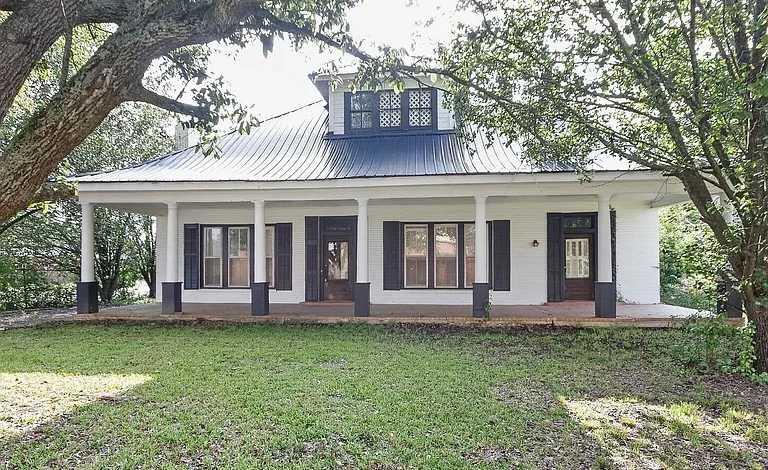
Historic Victorian Home in Louisville, Mississippi With 4 Bedrooms and 3,683 Square Feet
A Spacious Historic Home With Remarkable Potential
Historic homes can offer something that newer construction often cannot easily reproduce: character, scale, architectural personality, and a connection to the history of the community. In Louisville, Mississippi, a large Victorian-style residence built in 1905 presents an opportunity for buyers who appreciate historic properties and want substantial space at an accessible price point.
Priced at $69,900, this single-family residence offers approximately 3,683 square feet of interior living space, four bedrooms, and three full bathrooms on approximately 0.76 acres. The property combines an unusually large floor plan with several important infrastructure updates, including new PEX plumbing and updated electrical wiring.
The home also features durable brick siding, a metal roof described in the listing as leak-free, a pier-and-beam style foundation, public water, and public sewer. A garage adds useful storage and parking capacity, while hardwood flooring and a fireplace contribute to the historic character of the interior.
The property is currently vacant, which may make it easier for prospective buyers and their agents to inspect the home and evaluate its potential.
For buyers searching for an affordable historic property, a renovation project, an investment opportunity, or a large residence with room for customization, this Louisville property offers several characteristics worth examining carefully.
Historic Character Dating Back to 1905
The home’s 1905 construction date immediately sets it apart from conventional modern housing.
A residence that has been standing for more than a century can carry architectural details, proportions, materials, and design elements that are difficult to recreate economically in a newly constructed property. The listing identifies the architectural style as Victorian, a design tradition known for decorative details, distinctive proportions, and an emphasis on individuality.
Historic properties can appeal to buyers who want more than a standard floor plan. They can also provide an opportunity to restore, preserve, and modernize a residence while retaining elements of its original character.
This particular property offers the added benefit of significant interior space. With approximately 3,683 square feet of living area, it is considerably larger than many homes in its price range.
The combination of age and size creates numerous possibilities, although it also means buyers should approach the property with appropriate inspection and renovation planning.
A professional inspection is particularly important for older homes. Buyers should evaluate structural components, electrical systems, plumbing, roofing, windows, flooring, foundation conditions, drainage, insulation, heating and cooling, and other major systems before deciding what improvements may be necessary.
Approximately 3,683 Square Feet of Living Space
One of the most striking characteristics of this property is its size.
The listing reports approximately 3,683 square feet of total interior livable area. The property description also references approximately 3,621 square feet of living space, so prospective buyers should verify the exact measured area through the listing documentation, appraisal, survey, or other official records.
Regardless of the final measurement, the home provides a substantial amount of interior space.
Large square footage creates flexibility for different household arrangements. Four bedrooms and three full bathrooms provide a useful foundation for family living, while the additional rooms and large overall footprint could accommodate offices, hobby areas, entertainment spaces, guest accommodations, libraries, studios, or additional sitting areas depending on the existing floor plan.
For investors or renovation-minded buyers, the size may also create opportunities to rethink the interior layout while preserving important historic elements.
Four Bedrooms and Three Full Bathrooms
The home includes four bedrooms and three full bathrooms.
That configuration provides practical flexibility for families, guests, or buyers who want dedicated rooms for purposes beyond sleeping.
One bedroom could potentially be used as a home office. Another could become a craft room, study, exercise area, or guest room. The exact suitability of these uses depends on the property’s existing layout, local regulations, and the buyer’s intended plans.
Three full bathrooms are also valuable in a large home. Multiple bathrooms can improve everyday convenience and make the residence more functional for larger households or frequent guests.
Because the property was constructed in 1905, buyers should inspect all bathroom plumbing, fixtures, ventilation, flooring, and moisture-prone areas carefully. The listing’s reference to new PEX plumbing is an important update, but the extent of that plumbing work should be confirmed during due diligence.
Major Plumbing Updates With PEX
One of the property’s most significant updates is its plumbing system.
The listing states that all new PEX plumbing has been installed. PEX is a flexible plumbing material commonly used in residential construction and remodeling projects.
For a historic home, updated plumbing can be especially meaningful because original or older plumbing systems may require extensive replacement. Modernized plumbing can potentially reduce some of the infrastructure challenges associated with renovating an older residence.
However, buyers should still determine exactly when the work was completed, whether all plumbing lines were replaced, who performed the work, whether permits were obtained where required, and whether documentation is available.
A professional inspection can help verify the condition of visible plumbing and identify areas that may require additional attention.
Updated Electrical Wiring
The electrical system is another major area where the listing reports improvements.
According to the property description, the home has updated wiring and good panel boxes. Electrical modernization is particularly important in a residence built in 1905 because older electrical systems may not have been designed to accommodate modern household appliances, electronics, heating equipment, and other electrical loads.
Updated wiring can provide a more practical foundation for modern living, but buyers should not assume that every electrical component has been replaced simply because the listing describes updated wiring.
A licensed electrician can evaluate the service capacity, panels, wiring, outlets, grounding, switches, exterior electrical systems, and other components.
For buyers considering a major renovation, understanding the current electrical infrastructure can also help determine the scope and cost of future work.
Durable Brick Exterior
The property features durable brick siding, which contributes both to its appearance and its physical character.
Brick can provide a distinctive historic appearance while also offering durability. On an older property, the exterior material can be an important consideration because maintaining the building envelope is essential for protecting the interior.
The condition of the brick, mortar joints, flashing, windows, doors, and areas where different materials meet should be examined during an inspection.
If restoration is planned, buyers may also want to research appropriate methods for maintaining historic masonry rather than automatically applying modern materials that could affect the building’s long-term performance.
The brick exterior gives the home a strong architectural presence and complements its Victorian classification.
Metal Roof and Long-Term Maintenance Considerations
The listing describes the property’s metal roof as leak-free.
A reliable roof is one of the most important components of any home, especially an older structure. Roof condition can influence interior moisture, insulation, ceilings, walls, flooring, and structural components.
The property’s metal roofing is another feature that may appeal to buyers looking for durability.
Even when a roof is reported to be leak-free, buyers should have it professionally inspected. Areas around vents, chimneys, flashing, gutters, valleys, and roof penetrations deserve particular attention.
Because the property includes a fireplace, the chimney and associated roof connections should also be examined.
Historic Interior Features
Inside, the home includes hardwood flooring and other flooring materials, along with a fireplace.
Hardwood floors can be one of the most attractive elements in a historic residence. Depending on their condition, original or older hardwood can potentially be refinished rather than replaced.
Restoration-minded buyers may choose to preserve existing floors, trim, doors, or other architectural features while updating less visible infrastructure.
The fireplace also contributes to the home’s character. Its condition, construction, chimney, flue, and safety should be evaluated by qualified professionals before regular use.
A historic interior does not necessarily have to remain completely traditional. Many buyers choose to blend restored architectural features with updated kitchens, bathrooms, lighting, appliances, and energy improvements.
That approach can create a home that maintains its historic identity while functioning comfortably for contemporary life.
A Large Lot With Approximately 0.76 Acres
The residence sits on approximately 0.76 acres.
For an in-town historic property, nearly three-quarters of an acre provides a meaningful amount of outdoor space. The listing gives the lot dimensions as approximately 465 by 71 feet.
A lot of this size can provide room for landscaping, gardens, outdoor seating, recreational areas, parking, and other uses, subject to local regulations.
The relatively generous property size also helps create separation between the home and surrounding properties.
Buyers should confirm the exact lot boundaries, easements, access rights, and any restrictions through appropriate documentation. A survey can be particularly helpful when evaluating an older property.
Public Water and Public Sewer
The property benefits from public water and public sewer.
For buyers comparing this home with rural properties that depend on private wells and septic systems, municipal utilities can simplify certain aspects of ownership.
Public water eliminates the need to maintain a private well, while public sewer means the homeowner does not need to manage a private septic system.
Nevertheless, buyers should confirm the connection status, monthly utility costs, service lines, and any outstanding municipal requirements.
For an older home, checking the condition of the service lines between the house and municipal systems can also be worthwhile.
Heating and Cooling
The listing identifies natural gas and space heater systems for heating, along with window units for cooling.
This arrangement may differ from modern central HVAC systems, making the property’s heating and cooling configuration an important consideration for prospective buyers.
A buyer should determine the number, age, condition, and efficiency of the existing heating and cooling units. They should also consider whether they want to maintain the current setup or eventually install a more comprehensive HVAC system.
For a home of more than 3,600 square feet, heating and cooling costs can be significant. Before purchasing, buyers may want to obtain utility records and discuss potential energy improvements with qualified contractors.
Possible improvements could include insulation upgrades, air sealing, window improvements, HVAC modernization, and other efficiency measures, depending on the home’s current condition.
A Garage Adds Practical Value
The property includes a garage.
For a large historic home, dedicated garage space can be particularly useful because it provides parking and storage without requiring the homeowner to use interior living areas for tools, equipment, seasonal items, or recreational gear.
The garage could potentially also support a workshop or hobby area, depending on its construction, electrical service, zoning, and local regulations.
Buyers should inspect the garage structure, roof, doors, electrical system, foundation, drainage, and any signs of moisture.
An Opportunity for Renovation and Customization
The property is presented as having substantial potential for buyers seeking a historic project.
The combination of a low asking price, large interior footprint, extensive lot, historic architecture, and major core updates could appeal to renovation-minded buyers.
Rather than starting with a small structure and attempting to add space later, a buyer here is purchasing a residence with significant existing square footage.
The renovation strategy could vary widely.
One buyer might focus on restoring the Victorian character of the house. Another might create a more contemporary interior while retaining the historic exterior. An investor could explore potential rental applications, subject to local regulations and market conditions.
The best approach would depend on the property’s existing condition, renovation budget, intended use, and local requirements.
Potential for an Investment Property
The listing specifically notes potential for investors.
Large homes in established communities can sometimes offer different investment strategies than conventional properties. Potential approaches could include long-term rental use, renovation and resale, or creating a distinctive residential property for a specific tenant market.
However, these are possibilities rather than guaranteed financial outcomes.
Before purchasing for investment purposes, buyers should research comparable properties, local rental rates, renovation costs, insurance, taxes, financing, vacancy assumptions, property management expenses, and expected maintenance.
The home’s historic age should also be incorporated into any investment analysis because older properties can require specialized maintenance.
Investors should never base a purchase solely on the difference between acquisition price and a projected resale or rental value. A complete financial model should include all expected acquisition, renovation, carrying, financing, and operating costs.
Potential for a Large Family Residence
The property could also appeal to buyers who simply want a large home at a relatively accessible purchase price.
Four bedrooms and three bathrooms provide the basic configuration needed for family living, while the home’s considerable additional space offers flexibility.
Families may appreciate the possibility of having dedicated rooms for children, guests, work, hobbies, entertainment, or storage.
The approximately 0.76-acre lot adds outdoor space that can be difficult to find with large historic homes in more densely developed areas.
Because the home is vacant, prospective buyers may also have an opportunity to examine the property carefully before deciding whether its existing layout meets their needs.
Why Historic Renovation Requires Planning
Renovating a home built in 1905 is different from renovating a newer property.
Older homes can contain unique construction methods and materials that require specialized knowledge. Even when major systems such as plumbing and electrical wiring have been updated, other components may still reflect the home’s age.
Potential buyers should evaluate:
- Foundation and pier conditions
- Floor structure
- Exterior masonry
- Roof and flashing
- Windows and doors
- Insulation
- Electrical service
- Plumbing connections
- Heating and cooling
- Chimney and fireplace
- Drainage around the property
- Moisture and ventilation
- Termite or other pest activity
- Historic architectural elements
A detailed inspection can help identify immediate repairs and distinguish them from longer-term improvements.
Budgeting Beyond the Purchase Price
At $69,900, the purchase price may initially appear attractive relative to the home’s size.
However, the purchase price should never be treated as the complete cost of ownership.
A buyer should prepare a realistic renovation and operating budget that accounts for closing costs, inspections, insurance, property taxes, utilities, repairs, contractor expenses, permits, materials, and ongoing maintenance.
The listing reports an annual property tax of approximately $458 and a tax assessed value of $66,420. Buyers should independently confirm current taxes and assessments because these figures can change.
For a historic property, creating a reserve for unexpected repairs is particularly important.
Due Diligence Before Making an Offer
The property offers significant potential, but buyers should conduct thorough due diligence before committing to the purchase.
Important steps may include:
- Obtain a professional home inspection.
- Have the electrical system evaluated by a licensed electrician.
- Confirm the extent of the PEX plumbing replacement.
- Inspect the roof and metal roofing components.
- Evaluate the foundation and structural systems.
- Inspect the fireplace and chimney.
- Confirm public water and sewer connections.
- Review property boundaries and survey information.
- Verify annual property taxes.
- Check zoning and permitted residential uses.
- Review any applicable historic restrictions.
- Obtain insurance estimates.
- Estimate renovation costs from qualified contractors.
- Review utility expenses.
- Confirm the condition of the garage.
- Investigate drainage and moisture conditions.
- Verify square footage through appropriate documentation.
Taking these steps can help a buyer understand both the property’s opportunities and its potential challenges.
Louisville, Mississippi and Small-City Living
Louisville offers a different type of real estate environment from major metropolitan markets.
For buyers who prefer smaller communities, a historic home can provide a combination of architectural character, larger lots, and more substantial interior space.
The property’s location within Louisville means homeowners can enjoy the convenience of a community setting while still having a sizable residential parcel.
The absence of a listed homeowners association may also provide greater flexibility, although buyers should still verify all municipal zoning, building, and property-use regulations.
A Property With Multiple Possible Paths
One of the most interesting aspects of this home is that it does not necessarily appeal to only one category of buyer.
A historic preservation enthusiast could see an opportunity to restore a Victorian residence.
A renovation buyer could focus on modernizing the interior.
An investor could investigate rental or resale possibilities.
A large household could use the four-bedroom, three-bath configuration as a primary residence.
A buyer with a long-term vision could gradually improve the property over several years.
These possibilities depend on the home’s actual condition, available budget, local regulations, and the buyer’s goals. Still, the combination of approximately 3,683 square feet, 0.76 acres, four bedrooms, three bathrooms, a garage, public utilities, and major infrastructure updates creates a flexible starting point.
Balancing Historic Charm With Modern Comfort
The strongest renovation strategy for a property like this may involve balancing preservation with practical modernization.
Features such as hardwood floors, the Victorian architectural style, brick exterior, and fireplace can provide the visual identity of the home.
Meanwhile, updated plumbing and electrical systems can support modern functionality.
Future improvements could potentially focus on areas such as kitchens, bathrooms, lighting, insulation, HVAC, windows, landscaping, and interior finishes.
A thoughtful renovation can potentially preserve the elements that make an older property distinctive while improving comfort and usability.
Final Thoughts on This Louisville Historic Home
This Louisville, Mississippi residence represents a substantial amount of property for its asking price. At $69,900, the home offers approximately 3,683 square feet of listed interior living space, four bedrooms, three full bathrooms, a garage, and approximately 0.76 acres.
Its 1905 construction date gives it a historic identity, while its Victorian architectural style, hardwood flooring, brick exterior, and fireplace add character that may appeal to buyers interested in restoration.
At the same time, the property is not being presented solely as an untouched historic house. The listing highlights significant core updates, including new PEX plumbing, updated electrical wiring, and a metal roof described as leak-free.
Public water and sewer provide another practical advantage, while the vacant status may make inspections and renovation planning more convenient.
The home should nevertheless be approached as a property requiring careful evaluation. Its age means buyers should investigate the foundation, structure, electrical system, plumbing, roof, heating and cooling, windows, chimney, and other components. The large amount of square footage also means that future renovation and operating costs can become significant if extensive work is required.
For buyers willing to take a thoughtful approach to restoration and modernization, however, the property provides a rare combination of historic character and substantial space. Whether the goal is a family residence, renovation project, investment property, or long-term restoration, the home’s size and underlying infrastructure provide a considerable foundation for future possibilities.
The most important step for any interested buyer is to look beyond the attractive purchase price and evaluate the complete property. A professional inspection, contractor estimates, utility information, insurance quotes, title review, and careful budgeting can help determine whether the opportunity fits a buyer’s plans.
With its historic architecture, large interior footprint, four bedrooms, three bathrooms, sizable lot, garage, updated plumbing and electrical systems, and distinctive Victorian character, this Louisville property offers an interesting opportunity for someone looking to create a personalized home while preserving the character of an early-20th-century residence.
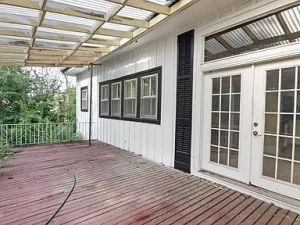
Listed on Zillow.