4 beds 1 baths 1,700 sqft
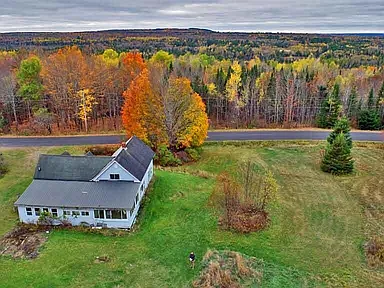
Affordable Maine Homestead With 27.6 Acres and a Historic Farmhouse
Finding a property that combines a substantial amount of land, a traditional New England farmhouse, recreational possibilities, and a relatively low purchase price can be difficult in today’s real estate market. In Weston, Maine, a property listed for $99,500 offers a distinctive opportunity for buyers who are willing to take on renovation work in exchange for acreage, privacy, and a rural lifestyle.
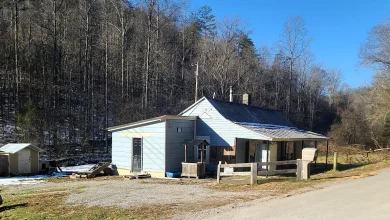
Set on approximately 27.6 acres, this property includes a four-bedroom, one-bathroom single-family residence with about 1,700 square feet of living space. Built in 1900, the home has the architectural character associated with an older New England farmhouse while also featuring vinyl siding, double-pane windows, a metal and shingle roof, and a combination of wood and vinyl flooring.
The property is being marketed as a homestead requiring substantial do-it-yourself attention. The listing specifically highlights unfinished renovation work and describes the home as an opportunity for buyers with practical skills or access to tradespeople. For someone looking for a rural Maine project with plenty of land rather than a turnkey residence, the combination is notable.
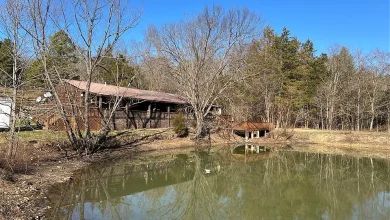
The acreage includes open and wooded areas, pasture-like land, rolling terrain, fields, trees, and approximately 400 feet of owned waterfrontage along Lake Brook. The listing also mentions apple trees, nearby trails, public beach access, and proximity to major waterfront recreation opportunities in the East Grand Lake area.
For buyers who value space, privacy, outdoor recreation, gardening, homesteading, or a long-term renovation project, this property presents several different possibilities worth exploring.
A Large Maine Property at an Accessible Price
The asking price of $99,500 places this property in a category that may attract buyers searching for affordable land in Maine. With 27.6 acres included, the land component is an important part of the property’s overall appeal.
At the listed price, the property represents a combination of residential space and a large rural parcel rather than simply a house on a conventional suburban lot. The listing reports approximately $59 per square foot based on the 1,700 square feet of interior living area, although buyers should remember that the value of a rural property like this cannot be evaluated solely by comparing price per square foot.
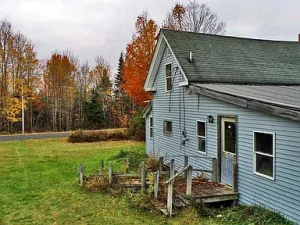
The condition of the farmhouse is a major consideration. The listing describes it as needing TLC and emphasizes that renovation work had begun before being stopped. This means buyers should approach the property differently from a recently renovated home.
Instead of paying primarily for finished interiors and modern upgrades, a buyer would be acquiring land, an existing structure, rural infrastructure, and the opportunity to restore the property according to their own plans.
That distinction can be particularly important for people who have renovation experience, construction skills, or reliable relationships with contractors and tradespeople.
A Historic New England Farmhouse
Built in 1900, the house has more than a century of history. Its New Englander architectural style gives it a traditional appearance associated with rural homes throughout northern New England.
The listing reports approximately 1,700 square feet of total interior livable area. There are four bedrooms and one full bathroom, making the property potentially suitable for a household that values multiple sleeping areas, guest space, offices, or flexible rooms.
Older farmhouses often have layouts that differ significantly from modern open-concept construction. In this case, the property includes a dedicated dining room, kitchen, living room, mud room, sunroom, and several bedrooms.
That arrangement provides opportunities for buyers who prefer defined spaces rather than a completely open floor plan.
The home’s history is also part of its character. A 1900 farmhouse can contain architectural details and proportions that are difficult to reproduce in modern construction. At the same time, an older building requires careful inspection because age can affect structural components, insulation, wiring, plumbing, windows, roofing, foundations, and other systems.
The best approach for a prospective buyer is to view the historic character as an opportunity while treating the property’s condition as something that must be professionally evaluated.
Four Bedrooms for Flexible Rural Living
The four-bedroom configuration gives this farmhouse flexibility beyond its basic residential function.
The first bedroom is located on the first floor and measures approximately 304 square feet, making it a particularly large room. The second level contains additional bedrooms of varying sizes, including rooms measuring approximately 245, 180, 117, and 224 square feet according to the listed room measurements.
These spaces could potentially serve a variety of purposes depending on the buyer’s needs and local building requirements.
A bedroom could remain a traditional sleeping area, while another could become a home office, hobby room, craft space, reading room, guest room, or storage area. Rural properties can benefit from this type of flexibility because owners often use their homes differently from conventional city or suburban properties.
With only one full bathroom, however, buyers should consider whether the existing layout meets their long-term needs. Adding or renovating bathroom facilities may be part of a larger modernization project, subject to plumbing, septic, structural, and permitting requirements.
The Kitchen and Dining Areas
The farmhouse includes a first-floor kitchen measuring approximately 192 square feet. That provides a meaningful amount of space for a rural household and could create a solid foundation for a future kitchen renovation.
The adjacent dining room measures approximately 187.5 square feet. Together, the kitchen and dining areas could support both everyday meals and larger gatherings.
For a buyer planning to restore the property, these spaces could become an important part of the renovation strategy. A kitchen update might involve cabinetry, countertops, appliances, flooring, lighting, electrical improvements, plumbing, insulation, or other upgrades depending on the home’s current condition.
The existing listing does not provide a detailed inventory of kitchen appliances or finishes, so buyers should inspect the property personally and determine what remains usable.
The Living Room and Mud Room
The approximately 270-square-foot living room provides a substantial central gathering space. Its size allows for multiple furniture arrangements and could make the room suitable for family gatherings, relaxing, reading, or entertaining.
The property also includes an unusually large mud room of approximately 288 square feet.
A mud room can be especially valuable in a rural Maine setting. Owners who spend time outdoors may need space for boots, coats, tools, hunting or recreational equipment, gardening supplies, and other items that are better kept separate from the main living areas.
For someone pursuing a homestead lifestyle, the mud room could become one of the most practical areas of the house.
Sunroom and Porches
The property also includes a sunroom measuring approximately 120 square feet and porches that add outdoor-oriented living space.
A sunroom can provide a transition between indoor and outdoor areas and may become a pleasant place for morning coffee, reading, plants, or enjoying views of the surrounding land.
Because the property offers views of fields, mountains, trees, and woods, these spaces may provide opportunities to connect the farmhouse with its rural surroundings.
The exact condition of the porches and sunroom should be evaluated carefully during a property inspection, particularly given the age of the home and the listing’s description of needed renovation.
27.6 Acres of Maine Land
The land is one of the defining characteristics of this property.
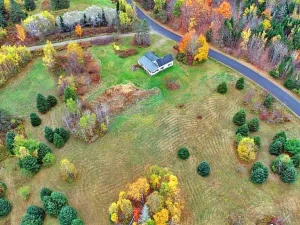
Approximately 27.6 acres are included, with a mixture of open land and wooded areas. The listing describes the parcel as agricultural, a farm, an open lot, pasture, landscaped, level in some areas, and rolling in others.
This variety creates a landscape that can serve multiple purposes.
Open areas could potentially support gardening, recreation, small-scale agricultural activities, or simply provide open views. Wooded portions can offer privacy, wildlife habitat, and opportunities for outdoor exploration.
The combination of woods and open ground can also make the property visually appealing throughout the seasons. Maine’s changing landscape can provide dramatically different scenery in spring, summer, fall, and winter.
Buyers considering agricultural or homestead uses should independently verify zoning, soil conditions, applicable regulations, and any restrictions before purchasing.
Approximately 400 Feet of Waterfrontage
One of the property’s more unusual features is its reported waterfrontage along Lake Brook.
The listing identifies approximately 400 feet of owned waterfrontage. For buyers interested in water-oriented recreation and natural scenery, this adds another dimension to the property.
A brook can provide an attractive natural feature while also creating opportunities for observing wildlife, enjoying the sound of flowing water, and exploring the landscape.
However, waterfront ownership also comes with practical considerations. Buyers should investigate the exact boundaries of the waterfront, water conditions, flood-related considerations, access, maintenance requirements, and any applicable environmental or land-use regulations.
The presence of water should be viewed as both an amenity and an important due-diligence item.
Apple Trees and Homestead Potential
The listing specifically highlights apple trees, adding another traditional homestead characteristic to the property.
Established fruit trees can contribute to the visual identity of an older farm property and may provide seasonal fruit production. Their condition, age, productivity, and maintenance requirements would need to be evaluated in person.
For someone interested in gardening and self-sufficiency, existing trees can complement future gardens, raised beds, berry plantings, or other agricultural projects.
The property’s size also creates room for a buyer to consider how the land might be organized over time. Depending on zoning and local regulations, a future owner might explore gardens, recreational areas, pasture, woodland management, or other rural uses.
Those possibilities are not guaranteed and should be confirmed with the appropriate local authorities before any investment is made.
Views Across the Maine Landscape
The property offers views described as fields, mountains, scenic surroundings, and trees or woods.
For buyers accustomed to densely developed neighborhoods, the visual difference can be significant. Instead of looking across a small suburban lot toward nearby houses, a rural property can provide a greater sense of open space.
The listing also emphasizes privacy and wildlife, describing the setting as one where buyers can expect more wildlife than people.
That description captures one of the major attractions of rural Maine real estate: space.
For some buyers, the appeal is not simply owning a large parcel but having room to create a more private lifestyle without the constant activity associated with urban and suburban environments.
Outdoor Recreation Near the Property
The listing indicates that the property is connected to trails and located near major waterfront recreation opportunities.
The broader East Grand Lake area is known for outdoor-oriented activities, making the location potentially attractive to buyers interested in fishing, boating, hiking, hunting, snowmobiling, wildlife observation, and other seasonal recreation.
The property is also described as being near a public beach.
Access to recreational resources can add value to a rural home even when those amenities are not located directly on the parcel.
For a vacation property, seasonal retreat, or recreational base, the combination of private acreage and nearby public recreation can be especially interesting.
Potential Vacation Property
The listing itself suggests that the property could be used as a low-cost vacation property.
A rural farmhouse with 27.6 acres could provide a very different experience from a conventional vacation home. The property offers land, privacy, outdoor space, a brook, views, and proximity to waterfront recreation.
A buyer could potentially approach the property as a seasonal retreat, depending on the home’s condition and the requirements for year-round or seasonal occupancy.
However, anyone considering short-term rentals or vacation-rental income should first verify local regulations, zoning, licensing requirements, insurance considerations, septic capacity, occupancy rules, and any other applicable restrictions.
The potential should be researched rather than assumed.
A Renovation Project for Hands-On Buyers
The listing is unusually direct about the amount of work involved.
This is not presented as a turnkey property. It is described as an abandoned homestead requiring TLC, with renovation work previously started and then stopped.
That can be intimidating for some buyers, but it can also be the central attraction for experienced renovators.
Someone with carpentry, electrical, plumbing, painting, flooring, landscaping, or general construction skills may see an opportunity to take control of the renovation process.
The listing even encourages prospective buyers to consider whether they have friends or professionals who can help with plumbing, carpentry, electrical work, and other tasks.
Before purchasing, however, buyers should develop a realistic renovation budget.
The purchase price is only one component of the total cost of ownership. Renovation expenses can include materials, labor, permits, professional inspections, structural repairs, heating improvements, electrical upgrades, plumbing, insulation, roofing, foundation work, interior finishes, and exterior maintenance.
A detailed inspection and contractor estimates can help establish a more realistic financial picture.
Important Due Diligence for Buyers
Because of the property’s age and stated condition, due diligence should be a major part of the purchasing process.
Prospective buyers may want to investigate:
- Structural condition of the farmhouse
- Foundation and bulkhead condition
- Roof condition
- Electrical system and circuit breakers
- Plumbing and water supply
- Private well condition and water quality
- Private sewer or septic system
- Heating system
- Insulation and energy efficiency
- Windows and exterior doors
- Moisture and drainage
- Wood rot or pest damage
- Condition of porches and exterior structures
- Property boundaries
- Waterfront boundaries
- Road access
- Zoning requirements
- Agricultural and rural land-use rules
- Building permits
- Renovation requirements
- Insurance availability and cost
- Property tax obligations
- Any easements or restrictions
Because the property was built around 1900, professional evaluation is particularly important.
Private Well and Sewer Infrastructure
The listing identifies a private well and private sewer.
Private utilities can be perfectly practical for rural living, but they place greater responsibility on the property owner than municipal infrastructure typically does.
A buyer should determine the well’s condition, water quality, production capacity, and maintenance history.
The private sewer or septic system should also be inspected to determine its type, age, condition, and suitability for the household’s intended use.
If renovation plans involve expanding the home, adding bathrooms, increasing occupancy, or changing the property’s use, the capacity of the existing system may become an important consideration.
Rural Farm Zoning
The property is listed with Rural Farm zoning.
This designation is potentially relevant for anyone considering agricultural, homestead, recreational, or other rural uses.
Zoning rules vary by municipality and can determine what structures can be built, how land can be used, whether certain commercial activities are allowed, and what permits may be necessary.
Buyers should contact the relevant local planning or zoning authority before assuming that a particular use is permitted.
The large acreage makes zoning especially important because future owners may want to use portions of the property differently from the existing residential use.
Cash Purchase Terms
The listing indicates cash as the purchase term.
That means buyers should be prepared to discuss proof of funds and closing requirements with the listing agent and appropriate professionals.
A cash purchase can simplify certain aspects of a transaction, but it does not eliminate the importance of inspections, title review, property research, or budgeting for repairs.
Given the property’s condition, a buyer should understand the complete financial commitment before closing.
Property Taxes and Ownership Costs
The listing reports an annual property tax amount of approximately $1,206 and a tax-assessed value of $68,900.
Taxes are only one component of ongoing ownership expenses.
A future owner should also budget for heating, electricity, well and septic maintenance, insurance, property maintenance, snow removal, road access, landscaping, repairs, and improvements.
Large rural parcels can require considerable upkeep, especially when they include both open and wooded areas.
The cost of maintaining 27.6 acres can vary substantially depending on how actively the land is managed.
A Lifestyle Built Around Space
Perhaps the most important feature of this property is the lifestyle it offers.
A buyer is not simply purchasing 1,700 square feet of house. They are acquiring a large rural parcel where the surrounding land becomes part of everyday life.
Morning walks can take place on the property. Outdoor projects can happen without the limitations of a small residential lot. Gardens, recreation areas, and other rural activities may be possible depending on local regulations.
The combination of open fields, woods, water, trails, and mountain views creates an environment that can feel substantially removed from city life.
For people who enjoy privacy, nature, and hands-on projects, that environment can be a major reason to consider a property like this.
A Property for the Right Buyer
The most important question surrounding this Weston property may not be whether it is inexpensive, but whether it matches the buyer’s abilities, expectations, and plans.
A person looking for a move-in-ready home may have a very different reaction than someone searching for a long-term restoration project.
The property is likely to be most interesting to buyers who understand that renovation is part of the opportunity.
The land provides scale. The farmhouse provides an existing structure with historical character. The brook provides a natural feature. The surrounding area provides recreational opportunities. Together, these elements create a property that could become significantly different from what it is today after thoughtful restoration.
Long-Term Possibilities
With appropriate planning, a property of this size could potentially evolve over many years.
A buyer might restore the farmhouse room by room, improve the grounds, maintain the apple trees, create garden areas, use portions of the acreage for recreation, and gradually improve the overall homestead.
The process could be completed according to the owner’s priorities rather than according to the design decisions of a previous developer.
That is one of the unique advantages of buying a property that needs work.
Instead of inheriting a highly finished property where every decision has already been made, the buyer has the opportunity to determine what the property becomes.
Of course, major renovations should be approached with realistic budgets, professional advice, appropriate permits, and careful planning.
Why This Maine Property Stands Out
At $99,500, this Weston property combines several characteristics that rarely appear together in a single listing: a four-bedroom farmhouse, approximately 1,700 square feet of living space, 27.6 acres of land, rural farm zoning, open and wooded terrain, apple trees, scenic views, nearby trails, and approximately 400 feet of owned waterfrontage along Lake Brook.
The biggest trade-off is equally clear: the house needs work.
For some buyers, that will be a reason to keep looking. For others, it may be exactly what makes the property worth investigating.
The opportunity is ultimately centered on land, privacy, character, and potential rather than immediate luxury.
A Future Maine Homestead
Restoring a historic farmhouse on a large rural parcel is a project that can take time, patience, money, and practical skill. But for buyers who enjoy the process, it can also be a way to create a highly personal home in a setting that offers space and natural surroundings.
The Weston property provides the basic ingredients for that kind of project.
The farmhouse offers four bedrooms and several defined living areas. The land provides open spaces and woods. The property includes a brook and scenic views. Apple trees add another traditional homestead feature. Nearby recreational opportunities expand what owners can do beyond the property boundaries.
For someone seeking an affordable entry point into rural Maine real estate and willing to take on renovation, these characteristics make the property worthy of careful consideration.
Final Thoughts
This 27.6-acre Weston, Maine property represents a different type of real estate opportunity. It is not being marketed as a polished, move-in-ready residence. Instead, it is a large rural homestead with a historic farmhouse that needs attention and a significant amount of land surrounding it.
The $99,500 asking price, four-bedroom layout, approximately 1,700 square feet of living space, 400 feet of waterfrontage, apple trees, wooded and open acreage, scenic views, and proximity to outdoor recreation create a combination that may appeal to buyers looking for something outside the conventional housing market.
The property also requires realistic expectations. The renovation work should be carefully evaluated, and buyers should investigate the structure, utilities, zoning, septic system, well, property boundaries, waterfrontage, insurance, and all anticipated repair costs before committing to a purchase.
For the right buyer, however, the appeal may be found precisely in the unfinished nature of the property. Instead of purchasing a finished house and adapting to someone else’s choices, a new owner could gradually restore and reshape this old Maine farmhouse while making use of the surrounding acreage.
With its rural setting, natural features, recreational surroundings, and substantial land, the property offers a chance to create a private Maine homestead that reflects the owner’s own goals and abilities.
Listed on Zillow.