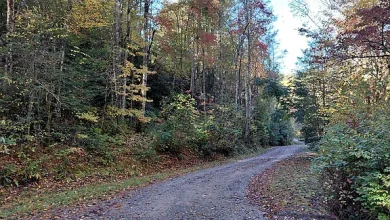
37.63 Acres Lot

37.63 Acres of Wooded West Virginia Land With Furnished Off-Grid Cabin
A Private Mountain Property Built for Escape
For buyers who dream of getting away from crowded neighborhoods, traffic, noise, and the constant demands of modern life, a property like this one in Walker, West Virginia, offers a very different kind of real estate opportunity.
Priced at $125,000, this approximately 37.63-acre property combines a mostly wooded landscape, mature timber, private trails, hunting infrastructure, and a furnished off-grid cabin tucked deep into the woods. The setting is designed around privacy and outdoor living, providing an opportunity to create a personal retreat in the hills of West Virginia.
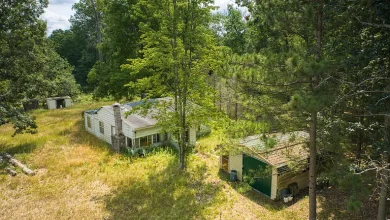
The cabin measures approximately 20 by 24 feet and is positioned at the end of a private four-wheel-drive road. Rather than being a conventional suburban residence connected to every municipal utility, the property embraces a self-contained, off-grid lifestyle.
The cabin includes a wood stove for heat, a rainwater collection system that directs water from the gutters into a storage tank, gravity-fed water service to the kitchen sink and bathroom, battery-powered lights, and wiring that can accommodate a generator or power pack. The property is also being offered furnished, with a riding mower included according to the listing.
Outside, the property continues to emphasize recreation and relaxation. A covered front porch, side deck, and firepit area provide places to spend time outdoors, while numerous trails allow owners to explore the acreage.
For hunters, the property has already been prepared with multiple tree stands and feeders. The listing describes the land as known for deer, turkey, and bear, adding another dimension to the property’s recreational appeal.
This is not a traditional home purchase. It is an opportunity to acquire land, an existing rustic shelter, outdoor infrastructure, and a lifestyle centered around privacy and nature.
Approximately 37.63 Acres of Mostly Wooded Land
The scale of the property is one of its most significant advantages.
Approximately 37.63 acres provide considerably more privacy and recreational space than a typical residential parcel. Most of the land is wooded, with some mature timber, creating a natural environment that can support a variety of outdoor activities.
For buyers who have spent years living on small residential lots, owning nearly 38 acres can represent a dramatic change in lifestyle.
The land may provide room for hiking, hunting, wildlife observation, camping, trail riding, forestry activities, and simply enjoying the outdoors.
Because the property is primarily wooded, prospective buyers should understand that the value and usability of the land can depend on terrain, access, timber characteristics, drainage, boundaries, and other site-specific conditions.
A professional land survey and careful review of property boundaries can be valuable before purchase.
Privacy Is the Central Feature
Privacy is perhaps the defining characteristic of this property.
The cabin is tucked back in the woods at the end of a private four-wheel-drive road. This location creates a strong sense of separation from everyday life.
For someone searching for a retreat rather than a conventional neighborhood home, that separation may be exactly what makes the property appealing.
There is no HOA listed, meaning the property does not have a homeowners association imposing recurring HOA fees or community rules.
However, the absence of an HOA does not mean there are no legal restrictions. Zoning, county regulations, access rights, environmental requirements, building codes, septic rules, and other applicable laws may still govern what an owner can do with the property.
Buyers should verify all restrictions and permitted uses before making plans for additional buildings, expanded utilities, rental activities, or development.
A Furnished Off-Grid Cabin
The existing cabin is a major feature of the property.
Measuring approximately 20 by 24 feet, the structure provides a compact shelter within the wooded acreage. The listing describes it as an off-grid cabin and indicates that it will remain furnished.
For a recreational property, this can be a substantial advantage.
A buyer does not necessarily have to begin by constructing a shelter from scratch. Instead, there is already an established structure where the owner can spend time while enjoying the surrounding land.
The cabin is designed for simplicity rather than luxury. Its purpose is to provide a functional basecamp for outdoor activities and a comfortable place to retreat after a day spent exploring the property.
The compact footprint can also mean less interior maintenance compared with a large traditional house.
Wood Stove Heating
The cabin uses a wood stove for heat.
A wood-burning stove is well suited to the rustic character of an off-grid property. It provides a traditional source of warmth without depending entirely on conventional heating infrastructure.
For buyers who enjoy the atmosphere of a remote cabin, a wood stove can become one of the property’s defining features.
However, safe operation is essential. Buyers should have the stove, chimney or flue, ventilation, clearances, and related components inspected by a qualified professional before relying on the system.
The availability of firewood on the property may also depend on land management practices, and owners should establish safe procedures for cutting, storing, and drying firewood.
Rainwater Collection and Gravity-Fed Water
One of the most unusual and interesting features of the property is its water setup.
The cabin’s gutters collect rainwater and direct it into a storage tank. The stored water is then used through a gravity-fed system for the kitchen sink and bathroom.
This arrangement allows the cabin to function without relying on a conventional municipal water connection.
Rainwater collection can be an effective component of an off-grid lifestyle, but it requires thoughtful maintenance and monitoring.
Prospective buyers should determine the size and condition of the storage tank, the capacity of the collection system, filtration requirements, plumbing configuration, winterization needs, and the quality of the water.
The listing’s facts identify the sewer as private septic and water as “Other,” so buyers should independently verify the exact water and wastewater arrangements before closing.
If the property will be used for extended stays, buyers should understand how much water the system can realistically provide under different weather conditions.
Private Septic System
The property facts indicate a private septic system.
A septic system can provide wastewater treatment without municipal sewer service, which is common for rural and remote properties.
However, the septic system is a critical component that should be investigated carefully.
Before purchasing, buyers should consider a professional septic inspection and review available permits or records. They should confirm the system’s location, capacity, condition, and permitted uses.
This becomes particularly important if the buyer plans to increase the cabin’s occupancy, construct additional structures, add bathrooms, or convert the property into a rental operation.
A septic system designed for a small recreational cabin may not automatically support significantly higher usage.
Battery Lighting and Generator Capability
The cabin is equipped with battery lights and is wired for a generator or power pack.
These features support the property’s off-grid design.
Battery-powered lighting can provide basic illumination without requiring a traditional electrical connection. Generator compatibility can provide additional flexibility when owners need more power for appliances, tools, charging devices, or other equipment.
Prospective buyers should verify the existing electrical wiring and determine exactly what equipment is compatible with the generator or power pack.
A qualified electrician can inspect the system and advise whether additional upgrades would be appropriate.
For anyone planning longer stays, energy management will be an important part of ownership.
Solar panels, battery storage, a generator, or other alternative energy systems could potentially be considered, but any future installation should be evaluated for cost, capacity, permitting, and suitability for the property.
Covered Front Porch
The covered front porch creates a comfortable outdoor gathering area.
A covered porch can be especially useful at a cabin because it allows residents to spend time outside even when the weather is less than perfect.
It can become a place for morning coffee, reading, conversation, meals, or simply listening to the surrounding woods.
The porch also gives the cabin a traditional recreational-property character.
For a buyer who intends to spend weekends at the property, having an outdoor area immediately adjacent to the cabin can make the retreat feel more complete.
Side Deck and Firepit Area
In addition to the covered front porch, the property includes a side deck and firepit area.
The deck provides another outdoor space for relaxing and taking in the wooded surroundings.
The firepit area can become a natural gathering point in the evening. A fire under the stars can be one of the most memorable aspects of owning a remote mountain property.
Owners should always follow local fire regulations and maintain safe clearances around any firepit, particularly on wooded land.
The presence of substantial vegetation means responsible fire management is especially important.
Trails Throughout the Property
The acreage includes numerous trails that can be used to explore the land.
Trails can significantly increase the recreational value of a wooded property because they create established routes for walking, hiking, riding, wildlife observation, and property maintenance.
For owners who enjoy ATVs or other off-road recreational equipment, existing trails may provide a starting point for exploring the acreage.
However, buyers should inspect trail conditions themselves. Terrain can vary considerably on wooded mountain properties, and some areas may be steep, wet, rocky, or difficult to access depending on weather.
The private road and internal trails should also be evaluated for accessibility throughout the year.
A Property Prepared for Hunting
Hunting is one of the strongest recreational aspects of this property.
The listing states that multiple tree stands and feeders are already in place. This means the property has been configured with hunting in mind.
The land is described as having deer, turkey, and bear.
For a buyer interested in hunting, existing stands and feeders may save time compared with starting from an undeveloped property.
However, hunters should independently verify current Virginia or West Virginia hunting regulations as applicable to the property location, including licensing, seasons, baiting rules, firearm regulations, property boundaries, and requirements concerning tree stands.
Wildlife activity can vary by season and year, so prospective buyers should treat descriptions of wildlife presence as observations rather than guarantees.
Mature Timber and Long-Term Land Value
The listing describes the property as mostly wooded with some mature timber.
Mature trees can contribute both ecological and recreational value. They provide shade, wildlife habitat, natural scenery, and privacy.
For landowners interested in forestry, mature timber may also represent a potential economic consideration.
However, buyers should never assume that timber has a particular monetary value without professional evaluation.
A consulting forester can assess species, volume, quality, accessibility, market conditions, and sustainable harvesting options.
In some cases, maintaining mature forestland may be more important to the owner than harvesting it. For others, responsible timber management could become part of a long-term land strategy.
Before making any timber-related decision, professional advice is recommended.
Potential as a Hunting Camp
The cabin’s design makes it particularly suitable as a hunting camp.
A hunting camp does not need to provide the same amenities as a full-time residence. What matters is having a private base where hunters can store equipment, prepare meals, rest, and spend time between outings.
The property’s established trails, hunting stands, feeders, wooded acreage, and cabin create a ready-made recreational environment.
The furnished condition may also simplify the process of setting up the property.
A buyer could potentially use it as a seasonal hunting destination while also enjoying it for hiking, camping, wildlife observation, and family recreation.
Weekend Retreat and Vacation Escape
The property is not limited to hunting.
For buyers who simply want a private weekend retreat, the cabin offers a chance to disconnect from technology and reconnect with nature.
The covered porch, deck, firepit, wooded acreage, trails, and off-grid utilities create the ingredients for a traditional mountain getaway.
Instead of spending money every weekend on hotels or vacation rentals, an owner can have a personal retreat available whenever schedules allow.
The property could become a place for quiet weekends, family gatherings, outdoor adventures, or seasonal stays.
Potential Homestead Opportunity
The nearly 38 acres may also interest buyers thinking about a more self-directed rural lifestyle.
A homestead can involve gardening, small-scale agriculture, poultry, forestry, outdoor recreation, and alternative energy systems.
The existing cabin provides shelter while the acreage offers substantial room for future planning.
However, buyers should carefully verify the property’s zoning and permitted agricultural activities before developing a homestead plan.
The listing does not provide enough information to assume that every potential use is permitted.
Prospective owners should check regulations regarding livestock, agricultural structures, additional residences, wells, septic systems, fencing, roads, and other improvements.
Possibilities for Additional Improvements
The size of the property creates room for future improvements, subject to applicable regulations.
A future owner might consider improving the cabin’s power system, expanding outdoor living areas, enhancing trails, improving water storage, upgrading the interior, or adding appropriate recreational infrastructure.
Additional structures could potentially include storage buildings, workshops, shelters, or other permitted improvements.
However, buyers should verify zoning, setbacks, permits, access, septic capacity, and utility requirements before assigning financial value to any future project.
The best approach is to purchase based on what currently exists and treat future improvements as potential opportunities rather than guaranteed features.
No HOA
The listing indicates that there is no homeowners association.
For rural land buyers, the absence of an HOA can be appealing because it eliminates HOA fees and many community-level restrictions.
This may give the owner greater flexibility in how the property is used, provided those uses comply with local laws.
Nevertheless, buyers should still investigate deed restrictions, easements, covenants, mineral rights, timber rights, access agreements, and any other recorded restrictions.
A title search and review by a qualified real estate professional can help identify important issues before closing.
Four-Wheel-Drive Access
Access is an important consideration for this property.
The cabin is located at the end of a private four-wheel-drive road. That access provides privacy but also means buyers should understand the practical requirements of reaching the property.
A four-wheel-drive vehicle may be necessary under certain conditions, particularly during wet, muddy, icy, or snowy weather.
Prospective buyers should personally inspect the road and determine whether it is suitable for their vehicle and intended use.
They should also verify who owns and maintains the private road, whether there are recorded access easements, and whether other property owners share the road.
Road maintenance can become a significant consideration for rural properties, especially when severe weather affects access.
A Rural Property With Low Annual Taxes
The listing reports annual property taxes of approximately $563.
While property taxes represent only one component of the total cost of ownership, the relatively modest annual tax figure may be attractive to buyers comparing rural land opportunities.
Owners should also budget for other expenses, including road maintenance, property insurance, septic maintenance, water-system maintenance, generator or power equipment, cabin repairs, land management, and equipment.
A riding mower is included with the property according to the listing, which may be useful for maintaining appropriate areas around the cabin.
The ongoing cost of owning nearly 38 acres can vary depending on how intensively the land is managed.
Investment Considerations
Although the property is not a conventional income-producing asset, land can be evaluated from several investment perspectives.
A buyer may view the property as a long-term recreational asset, a private retreat, hunting property, timberland, or potential future homestead.
The listing also suggests potential for Airbnb use. However, this should be treated as a possibility requiring significant verification rather than guaranteed income.
Before operating a short-term rental, buyers should confirm local regulations, zoning, permits, occupancy requirements, septic capacity, insurance, road access, safety requirements, and tax obligations.
A realistic financial model should account for cleaning, utilities, maintenance, insurance, property management, platform fees, repairs, furnishing, taxes, and periods without guests.
Why Buying Land Can Be Different From Buying a House
A property like this requires a different mindset from purchasing a conventional suburban home.
With a standard house, buyers often focus primarily on bedrooms, bathrooms, square footage, schools, commute times, and neighborhood amenities.
With rural acreage, the land itself becomes a major component of the purchase.
Access, terrain, water, septic, timber, wildlife, boundaries, privacy, roads, utilities, zoning, and future land management can all influence the property’s usefulness and value.
The cabin is an important feature, but the approximately 37.63 acres are arguably the larger long-term asset.
Due Diligence Before Purchasing
Because of the property’s rural and off-grid nature, thorough due diligence is essential.
Buyers should consider a professional inspection of the cabin, including the foundation, roof, siding, wood stove, electrical wiring, plumbing, water collection system, storage tank, and other components.
The septic system should be evaluated, and buyers should determine whether the water system is suitable for their intended use.
The private road should be inspected and access rights confirmed.
A land survey can help establish boundaries and identify easements or encroachments.
Buyers interested in hunting should also verify the exact acreage and hunting boundaries.
If timber is important to the purchase decision, a professional forestry evaluation should be considered.
Understanding the Off-Grid Lifestyle
Off-grid living can be rewarding, but it requires preparation.
Unlike a conventional home where water, electricity, heating, and sewer systems may operate with minimal daily involvement, an off-grid cabin requires the owner to understand and maintain its infrastructure.
Water collection must be monitored.
Battery systems need charging and replacement.
Generators require fuel and maintenance.
Wood stoves require cleaning and safe operation.
Septic systems require responsible use and periodic maintenance.
For some buyers, these responsibilities are part of the appeal. They enjoy independence and the ability to live closer to nature.
For others, the maintenance requirements may be less attractive.
Understanding your preferred lifestyle is therefore just as important as understanding the physical property.
A Rare Opportunity for Outdoor Enthusiasts
The combination of acreage, trails, hunting infrastructure, cabin, and privacy gives this property a strong recreational identity.
Outdoor enthusiasts can potentially use the land for hiking, hunting, trail riding, camping, wildlife observation, photography, and other nature-based activities.
The property is particularly appealing because the infrastructure already in place can reduce the amount of initial work required to begin using it.
The furnished cabin provides a base, while the porch and firepit create comfortable outdoor gathering areas.
Final Thoughts on This West Virginia Mountain Property
At $125,000, this approximately 37.63-acre property in Walker, West Virginia, represents a different kind of real estate opportunity.
Rather than offering a conventional suburban house, it provides something increasingly valuable to many buyers: privacy, land, outdoor recreation, and the freedom to create a personal retreat away from densely developed areas.
The furnished 20-by-24-foot off-grid cabin provides an established shelter, while the wood stove, rainwater collection system, gravity-fed water, battery lighting, and generator-ready wiring support a self-contained lifestyle.
Outside, the property offers a covered porch, side deck, firepit area, wooded trails, mature timber, and multiple hunting stands and feeders.
The approximately 37.63 acres provide enough space for outdoor exploration and long-term land management, while the absence of an HOA offers additional flexibility.
The property could appeal to hunters, outdoor enthusiasts, weekend travelers, homesteaders, recreational land buyers, or anyone who simply wants a quiet place to escape.
At the same time, the private four-wheel-drive access and off-grid infrastructure mean that buyers should understand exactly what they are purchasing. This is a property for someone who is comfortable with rural living and willing to take responsibility for private infrastructure and land management.
Professional inspections, a title review, boundary verification, septic evaluation, water-system assessment, road-access review, and zoning research should all be part of the buying process.
For the right buyer, however, the simplicity may be the greatest attraction.
There is no HOA, no crowded subdivision, and no need to design a rural retreat from the ground up. Instead, there is already a cabin, established outdoor spaces, trails, hunting infrastructure, and nearly 38 acres of wooded land waiting to be enjoyed.
Whether the goal is a private hunting camp, weekend getaway, recreational property, potential homestead, or long-term rural retreat, this West Virginia acreage offers a rare opportunity to own a substantial piece of land with an existing off-grid cabin at a relatively accessible price point.
For anyone who has ever imagined waking up surrounded by trees, spending the day exploring private trails, sitting around a fire in the evening, and leaving the noise of modern life behind, this property offers the kind of setting that can make that vision possible.


Listed on Zillow