21.63 Acres Lot
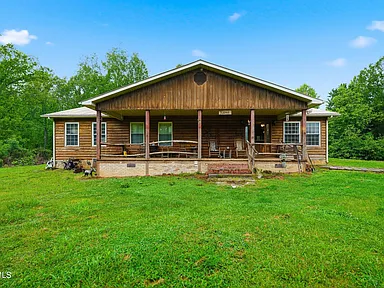
Mountain Log Cabin and 21.63 Acres in Castlewood, Virginia
A Private Southwest Virginia Property With Room to Live, Farm, and Explore
Finding a property that combines a comfortable home, substantial acreage, mountain scenery, and the freedom of rural living can be increasingly difficult. In Castlewood, Virginia, this distinctive country property offers an opportunity to enjoy all four in one setting. Listed at $355,000 following a recent $5,000 price reduction, the property includes a charming log cabin with approximately 1,792 square feet of interior living space and 21.63 acres of land.
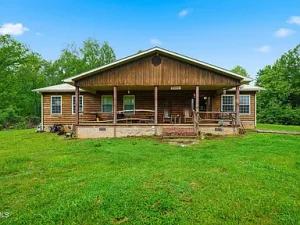
The property features four bedrooms, two bathrooms according to the listing, one full bathroom and one half bathroom according to the detailed facts, a durable metal roof, front and rear porches, mountain views, a barn, open acreage, wooded areas, and a rolling landscape. Built in 1997, the cabin combines traditional rustic character with practical features for everyday living.
For buyers searching for a hobby farm, rural homestead, recreational property, second home, or private country retreat, the combination of acreage and residential space deserves careful consideration. The land provides opportunities that extend well beyond the footprint of the house, while the cabin offers a comfortable base from which to enjoy the surrounding Southwest Virginia countryside.
As with any rural property, buyers should conduct their own inspections and verify zoning, utilities, agricultural possibilities, property boundaries, access, and any restrictions before making a purchase decision.
A Look at the Property
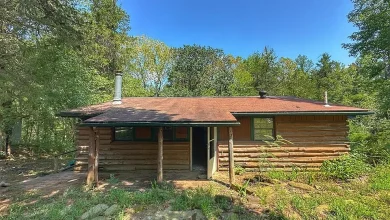
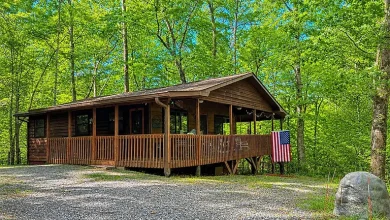
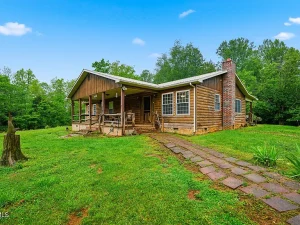
The centerpiece of this property is an inviting log cabin situated on approximately 21.63 acres. The cabin-style architecture creates an immediate connection with the surrounding landscape, while the combination of log construction and wood siding gives the residence a warm, traditional appearance.
The home contains approximately 1,792 square feet of livable interior space. With four bedrooms, the property has enough room for a larger household, visiting family members, guests, or buyers who want dedicated spaces for offices, hobbies, or personal use.
The listing describes two bathrooms, while the detailed property information identifies one full bathroom and one half bathroom. Prospective buyers should confirm the exact bathroom configuration during their due diligence process.
The home was built in 1997 and is described as being in average condition. That makes a professional inspection particularly valuable for understanding the current condition of the structure, roof, foundation, electrical systems, plumbing, heating and cooling equipment, septic system, and other major components.
Mountain Views and Open Countryside
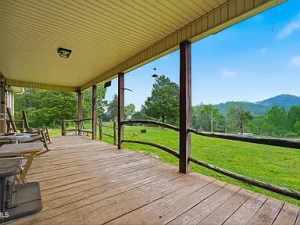
One of the property’s strongest features is its setting. The land includes beautiful mountain views, giving residents an opportunity to experience the scenery associated with Southwest Virginia without sacrificing the practical benefits of having a substantial residential property.
The 21.63-acre parcel has a mixture of cleared and partially wooded areas, along with a rolling slope. This varied topography can create different possibilities for how the land is used.
Open portions may provide space for gardening, pasture, recreation, outdoor gatherings, or other rural activities. Wooded areas can provide privacy, natural scenery, wildlife habitat, and opportunities for walking and exploring.
The mountain views also add visual appeal to the property. For someone accustomed to conventional suburban lots, having expansive land surrounding a home can create an entirely different sense of privacy and connection to nature.
The terrain should nevertheless be evaluated carefully. Buyers considering livestock, agricultural activities, gardens, driveways, additional structures, or other improvements should understand the slope, drainage, soil conditions, and accessibility of different sections of the property.
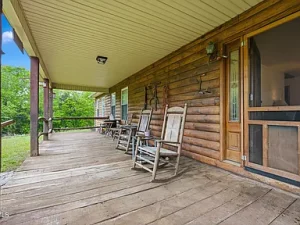
A Spacious Front Porch for Country Living
The front porch is another feature that reinforces the property’s rural character. A spacious porch can become one of the most enjoyable parts of a country home because it provides a simple place to slow down and enjoy the surroundings.
Morning coffee, evening conversations, reading, watching changing weather, or simply enjoying the mountain scenery can all become part of the everyday experience.
The property also includes a rear porch, providing another outdoor area for relaxing or entertaining. Having both front and rear outdoor spaces gives residents more flexibility in how they use the property throughout different seasons and times of day.
Outdoor living is particularly appealing on larger rural properties because the land itself becomes an extension of the living environment. Instead of looking at a small fenced backyard, residents can potentially enjoy views across fields, trees, and rolling terrain.
Four Bedrooms for Flexible Living
The four-bedroom configuration provides considerable flexibility.
A family could use the bedrooms for children and parents, while buyers without children might convert one or more rooms into offices, guest rooms, craft spaces, exercise areas, or hobby rooms.
Remote workers may also find the additional bedroom count useful. One bedroom could become a dedicated home office, allowing work activities to remain separate from the main living areas.
For buyers interested in a second home or vacation property, the additional bedrooms may also provide room for family and friends.
However, buyers considering short-term rental use should not assume that the property is automatically approved or suitable for commercial lodging. Local regulations, zoning requirements, insurance, septic capacity, parking, licensing, and tax considerations should all be verified before pursuing that strategy.
Rustic Character Throughout the Home
The cabin’s rustic finishes are central to its appeal. Log construction naturally creates visual warmth and texture that can be difficult to reproduce in newer conventional homes.
The combination of wood materials and rustic finishes helps the residence feel connected to its rural environment. Instead of a highly modern architectural style, the property emphasizes comfort, character, and a traditional cabin atmosphere.
The interior flooring includes ceramic tile, hardwood, and vinyl. Having multiple flooring materials can provide practical advantages depending on how each space is used.
Hardwood can contribute warmth to living areas and bedrooms, ceramic tile can be useful in spaces exposed to moisture or heavy traffic, and vinyl can provide a practical surface that is relatively easy to maintain.
Prospective buyers should evaluate the condition of each flooring type during inspection and determine whether any repairs, refinishing, or replacement may eventually be desirable.
Kitchen and Everyday Functionality
The kitchen includes an electric range and refrigerator, according to the listing information. These appliances provide the basic equipment needed for everyday meal preparation.
For buyers purchasing a rural property, the kitchen is often especially important because country living can involve fewer nearby conveniences. A functional kitchen can support everything from simple daily meals to larger family gatherings.
The current appliance package should be inspected and tested before closing. Buyers should also determine whether additional appliances or upgrades are desired.
Depending on personal preferences and budget, future improvements could include updated cabinetry, countertops, lighting, storage solutions, or energy-efficient appliances. Such changes can personalize the home without necessarily eliminating the rustic character that makes a log cabin attractive.
Heating and Cooling With a Heat Pump
The property uses a heat pump for both heating and cooling. Heat pumps are common in residential properties because one system can provide temperature control throughout different seasons.
For prospective buyers, operating costs are an important part of evaluating any home. Utility expenses can vary based on the home’s insulation, windows, thermostat settings, equipment age, outdoor temperatures, electricity rates, and household usage.
A buyer should request available utility information where possible and ask for maintenance records for the heating and cooling system. A professional HVAC inspection can also help determine the approximate condition and remaining useful life of the equipment.
Understanding recurring utility costs is particularly important when comparing rural homes because two properties with similar purchase prices can have very different ongoing operating expenses.
Durable Metal Roof
The property features a metal roof, one of the notable exterior characteristics mentioned in the listing.
Metal roofing is widely valued for durability and can offer a long service life when properly installed and maintained. Its longevity can be an attractive consideration for buyers evaluating long-term ownership costs.
Nevertheless, buyers should not assume that a metal roof requires no maintenance. The roof should be professionally inspected for its current condition, fasteners, flashing, drainage, signs of corrosion, and any areas where water could enter the structure.
Roof condition can have a major impact on a property’s financial picture because unexpected water intrusion can lead to expensive repairs involving ceilings, insulation, walls, flooring, and structural components.
The Barn Adds Rural Versatility
A barn is included among the property’s additional structures. This feature significantly expands the possible uses of the acreage.
Depending on its current condition, size, configuration, and local regulations, a barn could potentially provide storage for equipment, tools, recreational vehicles, farm supplies, or other belongings.
It may also appeal to buyers interested in small-scale agricultural activities or keeping certain types of animals. However, prospective owners should verify whether the existing structure is appropriate for livestock, agricultural storage, or other intended purposes.
The barn should be inspected just like the main residence. Buyers should evaluate the roof, framing, foundation, doors, electrical service if present, drainage, and overall structural integrity.
For someone purchasing a rural property, additional structures can represent meaningful value because constructing a new barn or storage building after purchase could require significant money and time.
21.63 Acres of Possibilities
Perhaps the most important element of the property is the land itself.
At approximately 21.63 acres, the parcel is substantially larger than a typical residential lot. That scale creates opportunities for different lifestyles and future plans.
A buyer could envision a hobby farm, private homestead, recreational retreat, gardening property, small-scale agricultural operation, or simply a peaceful residence surrounded by open space.
The combination of cleared and partially wooded land is particularly interesting because it offers different environments within the same property.
Cleared acreage may be useful for gardens, pasture, outdoor activities, or other improvements, while wooded portions can provide privacy and natural habitat.
Land use should always be evaluated based on actual zoning and local regulations. The property is identified with RES zoning, but buyers should confirm with the appropriate local authorities what uses are permitted and whether additional structures, agricultural activities, subdividing, or business operations would require approvals.
Potential as a Hobby Farm
The property is described as a mini farm, making it especially attractive to buyers interested in a smaller-scale agricultural lifestyle.
A hobby farm does not necessarily need to be a commercial operation. For many homeowners, it can simply mean having enough land to grow vegetables, maintain fruit trees, keep certain animals, or pursue outdoor projects.
The acreage could provide room for a garden, depending on soil and sunlight conditions. Prospective gardeners should test the soil and evaluate drainage before making significant investments.
Those considering livestock should investigate fencing requirements, water availability, shelter, pasture quality, local ordinances, and veterinary access.
The existing barn may provide a starting point, but its suitability for specific animals or agricultural purposes should be professionally evaluated.
A Homestead Lifestyle
The property can also appeal to buyers dreaming of a more self-directed rural lifestyle.
Modern homesteading can take many forms. Some homeowners grow food, keep chickens, maintain gardens, preserve seasonal produce, or simply prioritize privacy and outdoor space.
Others are attracted to homesteading because it provides room for projects that would be difficult on a small suburban lot.
The 21.63 acres provide a canvas for these possibilities, although buyers should distinguish between what is physically possible and what is legally permitted.
Water, septic capacity, soil quality, drainage, road access, zoning, and local regulations can all influence how a property can be developed or used.
Recreation and Outdoor Enjoyment
Large acreage can also serve recreational purposes.
Walking the property, exploring wooded sections, enjoying the changing seasons, photographing wildlife, spending time outdoors, or simply relaxing away from dense development are among the lifestyle benefits associated with rural land.
The rolling topography can add visual interest and create different vantage points throughout the property.
Outdoor enthusiasts may also appreciate having space for personal recreation without needing to travel every time they want to spend time outside.
As always, buyers should inspect the entire parcel and understand its boundaries before using different areas for recreation or planning improvements.
A Possible Second-Home Opportunity
Although the property could function as a full-time residence, its setting may also appeal to buyers searching for a second home.
A mountain cabin with substantial acreage can offer an escape from a busy urban or suburban environment. Owners may use it on weekends, during holidays, or for extended stays.
The four-bedroom configuration can make the property more practical for family gatherings or visits from friends.
Before purchasing a second home, buyers should consider all recurring costs, including mortgage payments, property taxes, insurance, utilities, maintenance, driveway upkeep, land management, and repairs.
A rural property can be rewarding, but its larger land area may also require more maintenance than a conventional residential lot.
Investment Considerations
From an investment perspective, the property’s value is connected not only to the house but also to the acreage, structures, location, and potential uses.
The current asking price is $355,000, while the listing displays a Zestimate of $328,000. These figures should not be treated as equivalent measures of market value. Automated estimates and asking prices are different tools, and buyers should rely on a professional comparative market analysis, inspection findings, and independent due diligence when evaluating the property.
The listing indicates a price of approximately $198 per square foot based on the home’s stated living area. For acreage properties, however, price-per-square-foot comparisons can be less meaningful than they are for conventional homes because the purchase includes significant land and additional structures.
The property’s tax-assessed value is listed at $168,900, with annual property taxes of approximately $978. Buyers should verify the current tax bill and determine whether taxes could change following a transfer or reassessment.
Financing and Monthly Ownership Costs
The listing provides a Zillow estimated monthly payment of approximately $2,485. Buyers should understand that an online payment estimate is not a personalized loan quote.
Actual monthly housing costs depend on the purchase price, down payment, interest rate, loan term, credit profile, lender fees, property taxes, homeowners insurance, and any other applicable costs.
A buyer financing the property should compare multiple loan options and obtain pre-approval before making a purchase decision.
For a rural home, insurance is another important consideration. Buyers should request quotes early because coverage and premiums can vary based on the structure, roof, heating system, location, acreage, outbuildings, and other property characteristics.
Septic and Public Water
The property uses a septic tank for sewer service and public water for the home’s water supply.
This combination is common in rural and semi-rural areas, but the septic system deserves careful attention during due diligence.
A septic inspection can help determine the condition of the tank, distribution components, drain field, and other elements. Buyers should also ask whether records are available showing installation, pumping, maintenance, or previous inspections.
The capacity of the septic system can become especially important if a buyer intends to add bedrooms, bathrooms, additional structures, or rental accommodations.
Public water can simplify some aspects of rural ownership, but buyers should verify the water provider, connection status, meter arrangements, and current charges.
Access, Driveway, and Parking
The property has gravel parking and rural access characteristics.
Gravel surfaces can be practical for large acreage because they are relatively adaptable and can accommodate vehicles, trailers, equipment, and visitors.
However, prospective buyers should inspect driveway drainage and condition, especially if the property includes rolling terrain. Heavy rain, snow, and erosion can affect rural driveways over time.
Buyers should also confirm legal access and understand whether any private roads or shared driveways involve maintenance agreements or easements.
These details can become important after closing, particularly for properties located outside traditional subdivisions.
No HOA and Greater Flexibility
The listing indicates that there is no homeowners association.
For many rural buyers, the absence of an HOA is a major advantage. Without an HOA, owners may have fewer private-community rules governing exterior changes, land use, parking, outbuildings, or recreational activities.
However, no HOA does not mean no restrictions. County zoning regulations, building codes, environmental requirements, easements, deed restrictions, and state or local laws may still apply.
Therefore, buyers should verify all applicable regulations before assuming that any particular project is allowed.
Due Diligence Before Buying
A property with 21.63 acres should be evaluated differently from a standard suburban house.
Before completing a purchase, prospective buyers should consider obtaining professional inspections and reviewing the following:
- Home inspection
- Roof inspection
- Septic inspection
- HVAC evaluation
- Plumbing inspection
- Electrical inspection
- Structural assessment
- Barn and outbuilding inspection
- Survey and boundary verification
- Title and easement review
- Zoning verification
- Soil and drainage evaluation
- Property tax verification
- Homeowners insurance quotes
- Utility cost information
- Road and driveway access documentation
Buyers interested in farming should additionally investigate agricultural regulations, fencing requirements, water access, livestock rules, and soil conditions.
Anyone considering future construction should verify whether the intended location has suitable access, drainage, utilities, and regulatory approval.
Who Might Find This Property Appealing?
This Castlewood property could appeal to several different categories of buyers.
A family may appreciate four bedrooms and the spacious acreage. A couple seeking more privacy could enjoy the mountain views and outdoor setting. A retiree might be attracted to the slower pace of country living, provided the property and terrain suit their needs.
A hobby farmer could explore the possibilities created by the combination of open acreage and barn. Outdoor enthusiasts may value the space and wooded surroundings. Buyers searching for a second home could see the cabin as a private escape from city life.
Investors may also study the property for possible rental or future-use strategies, although any commercial or short-term rental plan should be investigated carefully before purchase.
The Appeal of Southwest Virginia Living
Southwest Virginia is known for its mountainous landscapes, rural communities, wooded terrain, and outdoor-oriented lifestyle.
A property such as this offers a chance to experience those characteristics directly from home. Rather than simply visiting the countryside, an owner can make the surrounding landscape part of everyday life.
The combination of mountain views, acreage, a log cabin, porches, and a barn creates a property with a strong sense of place.
For buyers who value privacy and space more than the convenience of a densely developed neighborhood, that can be a meaningful advantage.
Final Thoughts
This Castlewood property presents a compelling combination of residential comfort, rustic character, mountain scenery, and substantial acreage.
Priced at $355,000 after a recent $5,000 reduction, the property includes approximately 1,792 square feet of living space, four bedrooms, two listed bathrooms, one full and one half bathroom according to the detailed facts, and 21.63 acres.
The log cabin architecture, metal roof, front and rear porches, mountain views, barn, open acreage, wooded sections, and rolling terrain give the property a distinctive rural identity.
For someone searching for a hobby farm, homestead, recreational property, second home, or private country retreat, the land may be just as important as the residence itself. The acreage offers room to think beyond the traditional residential backyard and consider gardening, animals, recreation, outdoor projects, or simply enjoying a greater degree of privacy.
At the same time, buyers should approach the property with thorough due diligence. The condition of the home and barn, septic system, access, zoning, land usability, insurance costs, utilities, taxes, and future development possibilities should all be independently verified.
The detailed listing information also contains a bathroom-count distinction, with the headline reporting two bathrooms while the facts specify one full and one half bathroom. Confirming this and every other material property detail during an inspection and review process is essential.
Ultimately, the strongest appeal of this property is the combination of a comfortable cabin and more than 21 acres of Southwest Virginia countryside. For the right buyer, it could provide not just a place to live, but a setting for gardening, recreation, family gatherings, quiet weekends, outdoor projects, and a more spacious rural lifestyle.
Listed on Zillow