21.82 Acres of Wooded Mountain Land in Pennington Gap Virginia With Spring Water and Owner Financing Potential
21.82 Acres of Wooded Mountain Land in Pennington Gap Virginia With Spring Water and Owner Financing Potential
A Private Acreage Opportunity in Southwest Virginia
Finding affordable land with substantial acreage, natural water, wooded surroundings, mountain terrain, and the potential for a more private lifestyle is becoming increasingly attractive to buyers who want something different from a traditional residential property. In Pennington Gap, Virginia, this approximately 21.82-acre tract offers an opportunity to own a large piece of wooded mountainous land for an asking price of $39,900.
The property is located outside the city limits and is described as unrestricted acreage with a natural spring for water. City water is also reportedly available nearby. The seller is willing to consider owner financing, potentially creating an additional purchasing option for qualified buyers who are interested in acquiring rural land without relying solely on conventional financing.
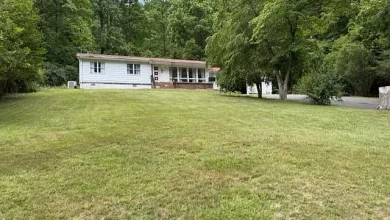
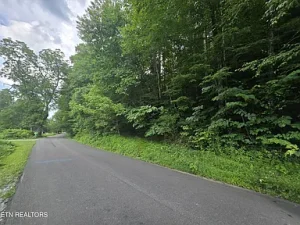
There is no house on the property, and the listing identifies zero bedrooms and zero bathrooms. Instead, the value is centered on the land itself. The acreage offers a wooded and mountainous environment with country and mountain views, rolling slopes, steep topography, and an agricultural zoning designation.
For buyers searching for a hunting property, private recreational acreage, a secluded rural retreat, or land with potential for future development, this property deserves a closer look.
Nearly 22 Acres for $39,900
At approximately 21.82 acres, the property provides a significant amount of land for its asking price.
Large acreage can offer opportunities that are difficult to achieve with a typical residential parcel. A property of this size can provide space for outdoor recreation, privacy, nature observation, woodland management, and potentially other uses permitted by local regulations.
The asking price of $39,900 also places the property in a relatively accessible price category compared with many larger rural land opportunities. However, buyers should avoid evaluating the property solely by dividing the purchase price by the number of acres.
Mountainous land can have different development characteristics from flat land. Access, slope, drainage, soil conditions, utility availability, septic feasibility, and buildable areas can all affect the actual value and usability of a rural parcel.
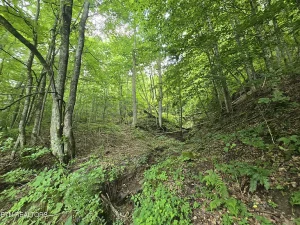
The listing describes the topography as steep and the lot as wooded with a rolling slope. These characteristics contribute to the property’s natural appeal but also make professional due diligence especially important.
Wooded Mountain Setting
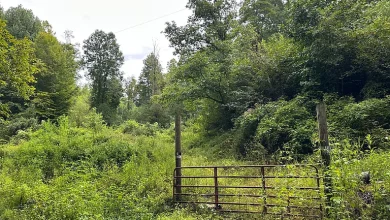
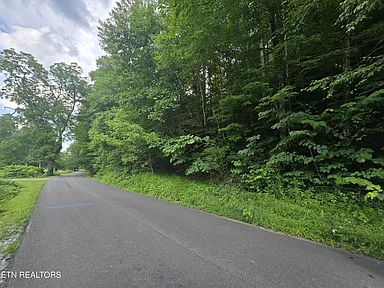
The property is described as wooded mountainous land, providing a setting that may appeal to buyers who want privacy and a stronger connection to nature.
Wooded acreage offers a very different lifestyle from open farmland or suburban property. Mature trees can provide shade, wildlife habitat, seasonal scenery, and a natural sense of separation from surrounding properties.
The mountain terrain further enhances the rural character.
For someone standing in the middle of the property, the seller describes the setting as feeling completely isolated despite being relatively close to town. That combination of accessibility and privacy can be particularly appealing.
A buyer may be able to enjoy the benefits of living near a community while still having a private outdoor environment.
The exact character of the vegetation, tree species, timber value, trails, and wildlife should be verified during an in-person property inspection.
A Natural Spring for Water
One of the property’s most interesting features is the natural spring.
The listing states that the property has a natural spring for water. City water is also reportedly available nearby.
A natural spring can be an important feature on rural land, particularly for buyers interested in off-grid living, recreation, gardening, livestock, or a private rural lifestyle.
However, a spring should never automatically be assumed to be a complete residential water solution.
Prospective buyers should investigate the spring’s year-round flow, water quality, accessibility, collection system, elevation, and any required treatment or filtration. Water testing should be performed by an appropriate professional before relying on the spring for drinking water.
The availability of city water nearby is another potentially valuable factor, but “available nearby” does not necessarily mean that a connection already exists on the property. Buyers should contact the appropriate utility provider to determine whether public water can be connected, where the nearest connection point is located, and what installation fees or infrastructure requirements may apply.
Potential for a Private Rural Retreat
The property could appeal to someone looking for a place to escape the demands of modern life.
A large wooded tract can become a private retreat where the owner spends weekends hiking, exploring, camping, observing wildlife, or simply enjoying the quiet.
Unlike a conventional vacation home surrounded by neighboring properties, a rural acreage property can provide a stronger feeling of independence.
The steep and wooded terrain may naturally limit certain uses, but it can also create secluded areas that feel remote and private.
A buyer could potentially identify suitable areas for recreation or future improvements, subject to zoning, access, environmental requirements, and local approvals.
Hunting and Outdoor Recreation Potential
The listing specifically describes the property as a hunting paradise.
The combination of wooded acreage, mountainous terrain, and rural surroundings can make the property interesting to outdoor enthusiasts.
Large wooded parcels can provide habitat for wildlife, although buyers should independently evaluate the actual wildlife population and hunting conditions before purchasing specifically for that purpose.
Potential recreational activities could include hiking, wildlife observation, nature photography, camping where legally permitted, and other low-impact outdoor activities.
Any hunting activities should comply with Virginia regulations, applicable seasons, licensing requirements, and property-specific restrictions.
The acreage may also provide opportunities to establish private trails for walking or recreational use, although the steep topography should be considered when planning routes.
Agricultural Zoning
The property is listed as being zoned agricultural.
Agricultural zoning can provide flexibility for certain rural uses, but buyers should not assume that every agricultural use is automatically permitted.
Local zoning ordinances may regulate homes, agricultural structures, hunting cabins, manufactured homes, recreational uses, livestock, commercial activities, and other improvements.
Before purchasing, prospective owners should contact the relevant local planning or zoning authority to obtain the current rules applicable to the specific parcel.
This is particularly important for buyers who are considering building.
The phrase “ready for some development” in the listing indicates potential, but it should not be interpreted as confirmation that a building permit or subdivision approval has already been obtained.
Building Potential Should Be Carefully Evaluated
For some buyers, the long-term appeal of this property may be the possibility of creating a private home or cabin.
The acreage provides plenty of space in terms of total land area, but the steep mountainous topography means that not every portion of the parcel is necessarily suitable for construction.
A professional land survey and site evaluation can help identify areas that may be more practical for development.
Potential considerations include:
- Road access
- Driveway construction
- Slope stability
- Soil conditions
- Septic feasibility
- Water availability
- Utility connections
- Building setbacks
- Flood and drainage conditions
- Environmental restrictions
- Zoning requirements
- Building permits
- Emergency vehicle access
The presence of a natural spring is attractive, but a future residence would still need a reliable and legally compliant water system.
Owner Financing Could Expand Purchasing Options
The seller indicates a willingness to consider owner financing.
Owner financing can sometimes provide an alternative to traditional land financing, which can be more difficult to obtain than financing for a conventional home.
The exact terms are not provided in the listing, so prospective buyers should not assume a particular interest rate, down payment, repayment period, balloon payment, or qualification requirement.
Any owner-financing agreement should be documented professionally and reviewed by appropriate legal and financial professionals.
Buyers should understand the complete cost of the transaction, including the purchase price, financing charges, taxes, closing expenses, recording fees, title work, surveys, inspections, and any immediate land improvements.
Close to Town Yet Secluded
One of the property’s most compelling characteristics is the balance between rural privacy and proximity to town.
The seller describes the property as being close to town while feeling completely isolated when standing in the middle of the acreage.
That combination can be valuable for people who want privacy without giving up convenient access to everyday necessities.
Living on remote acreage can sometimes require long drives for groceries, medical care, hardware supplies, restaurants, and other services. A location near an established community can reduce some of those inconveniences.
At the same time, the wooded mountain setting provides a sense of separation from developed surroundings.
Prospective buyers should personally evaluate travel routes, road conditions, emergency access, and distances to essential services.
A Potential Cabin Property
One potential use that may interest buyers is creating a private cabin retreat.
A small cabin can provide a comfortable base for enjoying a large acreage property without requiring the construction budget associated with a large home.
Depending on zoning and building requirements, a buyer could investigate whether a cabin, small home, or other structure could be constructed on an appropriate portion of the land.
The first step would be determining whether the property has a legally buildable site.
Because the topography is described as steep, site selection will be particularly important. A relatively level area with practical driveway access and suitable soil for septic could be considerably more valuable than a steep or inaccessible section of the property.
Off-Grid Lifestyle Possibilities
The natural spring makes the property potentially interesting to buyers who are considering an off-grid or semi-off-grid lifestyle.
An off-grid property can potentially use solar panels, battery storage, propane, wood heat, and private water systems instead of relying entirely on traditional infrastructure.
However, off-grid living requires careful planning.
Before deciding to build an off-grid home, buyers should understand the local permitting requirements for electrical systems, septic, water, structures, and access.
Solar power may be attractive, but the system must be designed according to the property’s energy requirements.
Likewise, spring water can be useful but should be tested and properly managed.
The existing property should therefore be viewed as land with off-grid potential rather than as an already established off-grid homestead.
Privacy for a Weekend Escape
Not every acreage buyer wants to build immediately.
Some buyers may simply want land that they can enjoy over time.
A property like this could potentially serve as a weekend destination where the owner can disconnect from a busy schedule and spend time outdoors.
The wooded landscape may offer opportunities for quiet walks, photography, birdwatching, stargazing, and seasonal exploration.
The natural environment can also make the property appealing to someone who values solitude.
Before camping or placing any temporary or permanent structures on the property, buyers should verify what local regulations allow.
Potential for a Long-Term Land Investment
Large rural acreage can also attract buyers who are thinking long term.
Instead of purchasing a developed home, some buyers prefer acquiring land and deciding later how they want to use it.
This approach may provide flexibility, but land should not be considered a guaranteed investment or appreciation opportunity.
Future value depends on many factors, including local demand, infrastructure improvements, zoning changes, accessibility, development patterns, economic conditions, and the physical characteristics of the land.
Buyers should evaluate the property based on their intended use rather than assuming future appreciation.
Understanding Mountain Topography
The steep topography is one of the most important facts to understand.
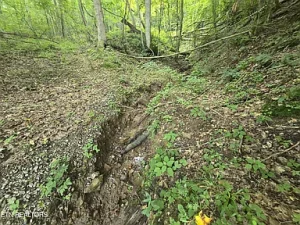
Mountain land can be beautiful, but steep slopes can influence almost every aspect of property development.
Driveway construction may require grading, drainage improvements, retaining structures, or specialized engineering.
Building sites may require additional excavation or foundation work.
Septic systems may be more challenging depending on soil conditions and slope.
Heavy rainfall can also create drainage and erosion concerns.
For these reasons, prospective buyers should walk the property with an experienced professional if they are seriously considering development.
Road and Access Considerations
The listing information provided does not give extensive details about the exact road-access configuration.
That makes access an important due-diligence item.
Buyers should confirm whether the property has legal and recorded access from a public road, whether any portion of the route crosses neighboring land, and who is responsible for maintaining any private road.
For mountain acreage, road access can be particularly important.
A driveway that appears easy to navigate during dry weather may perform differently during heavy rain, winter conditions, or periods of erosion.
Potential buyers should evaluate whether ordinary vehicles, contractors, delivery trucks, and emergency vehicles can reach the intended building area.
Utilities and Infrastructure
The property is not presented as a developed residential site with conventional utility connections.
The listing mentions a natural spring and city water nearby. It does not indicate that a completed residence, septic system, electrical service, or other residential infrastructure is already installed.
This distinction is important when calculating the true cost of development.
A $39,900 land purchase may be attractive, but a future home could require substantial additional investment for:
- Surveying
- Driveway construction
- Site preparation
- Septic installation
- Water infrastructure
- Electrical connection
- Well or spring improvements
- Building permits
- Foundation work
- Construction
- Landscaping
- Drainage
- Insurance
- Property taxes
A complete development budget should be prepared before construction begins.
A Property for Buyers Who Value Space
Modern residential development often emphasizes smaller lots and closer neighbors.
This property offers the opposite concept.
With more than 21 acres, the buyer has significantly more physical space and potentially more privacy than is available with a conventional suburban parcel.
The acreage can provide room to explore and enjoy the outdoors without leaving the property.
For someone who values personal space, that can be one of the property’s greatest benefits.
Seasonal Beauty in Southwest Virginia
A wooded mountain property can offer changing scenery throughout the year.
Spring can bring new vegetation and flowing water. Summer provides dense greenery and shade. Autumn can transform the landscape with changing foliage, while winter can reveal views that are less visible when the trees are fully covered.
The seasonal nature of wooded acreage can be especially appealing to owners who enjoy photography and outdoor recreation.
Because the property is mountainous, buyers should also consider how seasonal weather may affect access and maintenance.
Potential for a Small Homestead
Another possible use is a small rural homestead, subject to zoning and applicable regulations.
Agricultural zoning may make the property worth investigating for certain agricultural or homestead-related uses.
Potential buyers interested in gardening, limited livestock, or other rural activities should first confirm the specific rules governing the parcel.
The steep terrain may limit conventional farming, but certain portions of the property could potentially be suitable for specific uses depending on soil, sunlight, water availability, and accessibility.
The property should not be marketed as an established farm, since no agricultural improvements are listed.
Instead, it can be viewed as raw rural land with potential that must be evaluated.
Due Diligence Before Purchasing
Because this is vacant mountainous acreage, due diligence is extremely important.
Prospective buyers should consider obtaining:
A professional survey: Confirm the exact boundaries, acreage, road frontage, easements, and parcel configuration.
A title search: Verify ownership, liens, easements, access rights, restrictions, and other recorded matters.
A zoning confirmation: Determine exactly what agricultural zoning permits.
A soil evaluation: Establish whether there are suitable areas for septic systems and construction.
A water assessment: Test the spring and determine its reliability.
Utility confirmation: Verify whether city water and electricity can actually be extended to the property and determine the costs.
Topographic evaluation: Identify practical building locations and understand slope-related challenges.
Access verification: Confirm legal road access and maintenance responsibilities.
Environmental review: Determine whether wetlands, streams, protected areas, or other restrictions affect the land.
These steps can prevent expensive surprises after closing.
Who Might Be Interested in This Land?
This property could appeal to several categories of buyers.
Outdoor enthusiasts may appreciate the wooded mountain environment and recreational possibilities.
Hunters may be attracted by the seller’s description of the property as a hunting opportunity.
Cabin buyers could investigate the possibility of creating a private mountain retreat.
Off-grid enthusiasts may appreciate the natural spring and potential for alternative utilities.
Land buyers may value the opportunity to acquire more than 21 acres at a relatively accessible asking price.
Homestead-minded buyers could investigate permitted agricultural and rural uses.
Privacy seekers may appreciate the secluded setting while remaining relatively close to town.
Property Facts at a Glance
- Location: Pennington Gap, Virginia
- Asking Price: $39,900
- Land Size: Approximately 21.82 acres
- Property Type: Land
- Bedrooms: 0
- Bathrooms: 0
- Buildings: None listed
- Zoning: Agricultural
- Topography: Steep, rolling slope
- Lot Characteristics: Wooded, irregular
- Views: Country setting and mountains
- Water: Natural spring; city water reportedly available nearby
- Potential Uses: Recreational, hunting, privacy, potential development subject to approval
- City Limits: Outside city limits
- Owner Financing: Seller will consider
- Listing Terms: Cash, conventional
- Parcel: 22(A)201
- Tax Assessed Value: Not provided in the listing information
- Annual Taxes: Not provided in the listing information
- HOA: None listed
- Listing Area: Pennington Gap
- Lot Size: Approximately 21.82 acres
Final Thoughts on This Virginia Land Opportunity
This 21.82-acre property in the Pennington Gap area represents a different type of real estate opportunity from the typical home for sale.
There is no finished residence, no established bedroom or bathroom count, and no conventional suburban infrastructure. Instead, the property offers something that many buyers increasingly value: space, privacy, nature, and the freedom to explore a rural lifestyle.
The natural spring is an unusual feature, while the wooded mountainous landscape provides the privacy and scenery that can make rural acreage so appealing.
The possibility of owner financing adds another element worth investigating, although the specific financing terms should be confirmed directly with the seller and documented professionally.
The property’s agricultural zoning and description as unrestricted acreage may attract buyers considering a future cabin, private retreat, recreational property, hunting land, or rural homestead. However, potential buyers should not assume that development is automatically permitted. The steep terrain means that identifying a practical building site could be one of the most important steps in the entire purchasing process.
At $39,900, the property may be attractive to buyers who want substantial acreage without paying the price associated with a fully developed estate. But the purchase price is only the beginning of the financial analysis if development is the ultimate goal.
Surveying, road improvements, water infrastructure, septic, electrical service, site preparation, engineering, permits, and construction can add significant costs.
For buyers who simply want land for recreation and privacy, those development expenses may be less relevant. For buyers hoping to build, they should be carefully estimated before committing to the purchase.
Ultimately, the strongest appeal of this property is its combination of more than 21 acres, wooded mountain terrain, natural spring water, scenic views, privacy, and proximity to town.
It offers the possibility of creating something personal over time rather than purchasing a finished product.
Whether the goal is a private hunting property, weekend escape, future cabin site, rural homestead, or simply a large tract of wooded land to hold and enjoy, this Pennington Gap opportunity provides a substantial canvas.
Prospective buyers should independently verify acreage, boundaries, zoning, water availability, spring quality, access, utilities, development potential, soil conditions, environmental restrictions, and all other property information before making a purchase decision.
Listed on Zillow