3 beds 1 baths 1,305 sqft
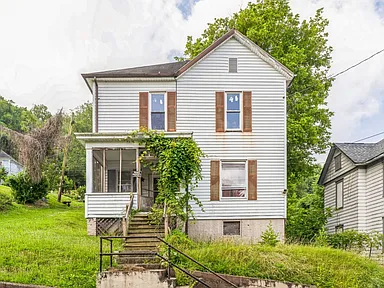
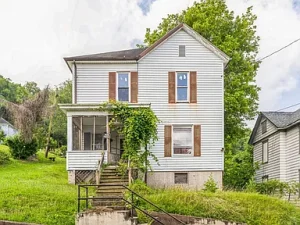
3-Bedroom Colonial Fixer-Upper With Two Adjacent Lots and Investment Potential
A Unique Real Estate Opportunity in Clarksburg
Finding an affordable property with renovation potential, additional land, and a convenient location can be difficult in today’s real estate market. For buyers willing to take on a project, this three-bedroom colonial-style home in the Clarksburg area offers several characteristics that could make it an interesting investment opportunity.
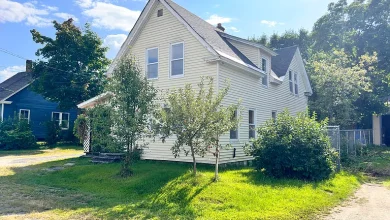
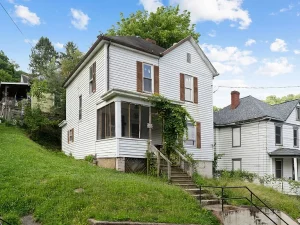
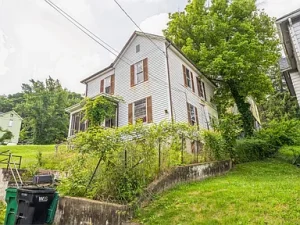
The property features approximately 1,305 square feet of interior living space, three bedrooms, one full bathroom, a kitchen, living room, open porch, and a crawl-space basement. Built in approximately 1920, the home has an older architectural character and a traditional two-story layout.
What makes the opportunity particularly interesting is the inclusion of two additional vacant adjacent lots. Extra parcels can provide additional flexibility, although buyers should independently verify parcel boundaries, zoning, permitted uses, setbacks, and any restrictions before making plans for the additional land.
The property is presented as a project and could potentially appeal to investors considering a rental property, renovation project, or resale strategy. It may also attract buyers who enjoy restoring older homes and creating something customized from an existing structure.
Property Highlights
Some of the key characteristics include:
- Three bedrooms
- One full bathroom
- Approximately 1,305 square feet of living space
- Two-story layout
- Colonial-style home
- Farmhouse architectural influence
- Built around 1920
- Electric baseboard heating
- Wall or window cooling units
- Crawl-space basement
- Unfinished basement area
- Open front porch
- Municipal water
- Municipal sewer
- Frame construction
- Aluminum siding
- Asphalt roof
- Approximately 2,613-square-foot listed lot
- Two additional vacant adjacent lots
- No HOA listed
- Street and wooded views
- Clarksburg-area location
- Potential rental or renovation opportunity
Together, these features create a property that may be especially interesting to buyers looking for an affordable entry point into real estate investing.
An Older Home With Character
Built around 1920, the property belongs to an era when homes were often designed with practical layouts and traditional architectural details.
Older properties can have a unique appeal that is difficult to reproduce in newer construction.
The farmhouse and colonial influences give this home an established appearance, while the two-story design provides separation between living and sleeping areas.
For a renovation-minded buyer, the age of the home may also provide an opportunity to introduce modern finishes while preserving elements of its original character.
The goal could be to create a property that combines historic charm with contemporary functionality.
Of course, an older home should be professionally inspected before purchase. Buyers should pay particular attention to structural components, electrical systems, plumbing, roofing, insulation, windows, foundation conditions, and other systems that may require updating.
Approximately 1,305 Square Feet of Living Space
The home offers approximately 1,305 square feet of interior living space.
That amount of space provides a practical footprint for a three-bedroom residence.
The two-story configuration can make it possible to separate common living areas from private bedrooms.
A typical renovation strategy might focus on creating an attractive main-level living environment while improving the upstairs bedroom areas.
The actual renovation possibilities will depend on the existing floor plan, structural layout, building codes, and condition of the property.
Three-Bedroom Layout
The property includes three bedrooms and one full bathroom.
A three-bedroom configuration can be attractive to a wide range of potential occupants.
For an investor, three-bedroom rental properties can potentially appeal to households looking for more space than a one- or two-bedroom apartment.
For an owner-occupant, one bedroom could also potentially serve as a home office, guest room, hobby room, or study.
The versatility of the bedroom count is one of the reasons three-bedroom homes can be interesting from both residential and investment perspectives.
Kitchen and Living Room
The listed room types include a kitchen and living room, forming the foundation of the home’s primary living areas.
The kitchen could become an important part of a future renovation.
Depending on the current condition, improvements might include cabinets, countertops, flooring, lighting, appliances, plumbing fixtures, and paint.
A renovated kitchen can have a significant visual impact on an older property.
The living room could similarly be refreshed with new flooring, paint, lighting, trim, and other finishes.
Rather than completely changing the home’s character, a thoughtful renovation could combine practical improvements with design elements that respect its older architecture.
Electric Baseboard Heating
The property uses electric baseboard heating.
Baseboard systems are commonly found in older residential properties and can provide zoned heating throughout individual rooms.
Potential buyers should evaluate the current system’s condition and operating costs.
Utility expenses can have a meaningful effect on rental-property operating costs and household budgets, so buyers should request available utility information where possible.
An HVAC professional can also help determine whether the current heating system is adequate or whether future upgrades would be beneficial.
Cooling Options
Cooling is listed as wall/window unit(s) rather than central air conditioning.
This is important for buyers who prioritize modern central HVAC.
Depending on the home’s electrical capacity, layout, and local regulations, future owners may wish to investigate other cooling solutions.
Possible upgrades could include ductless mini-split systems or other appropriately sized equipment.
Any HVAC changes should be evaluated and installed by qualified professionals.
Crawl-Space Basement
The property includes a crawl-space, unfinished basement area.
Although it is not finished living space, a crawl space can provide access to certain mechanical systems and utilities.
It should be inspected for moisture, ventilation, insulation, pests, plumbing leaks, and structural concerns.
Water management is particularly important with crawl spaces.
Prospective buyers should investigate drainage around the foundation and look for evidence of standing water or moisture intrusion.
A professional home inspection can provide more detailed information about the condition of this area.
Open Porch
An open porch is another notable exterior feature.
A porch can enhance the curb appeal of an older home and provide a simple outdoor area for relaxing.
With the right improvements, the porch could become a welcoming transition between the interior and exterior.
Potential updates might include repairing flooring, improving railings where necessary, refinishing surfaces, and adding appropriate outdoor lighting.
Any structural repairs should be evaluated professionally.
Additional Vacant Lots
Perhaps the most interesting feature for an investor is the presence of two additional vacant adjacent lots.
Additional land can provide flexibility, but its value depends heavily on zoning, dimensions, access, utilities, setbacks, and local development regulations.
A buyer might explore whether the parcels can remain as additional yard space, support future improvements, or have another permitted use.
However, none of these possibilities should be assumed without confirmation from the appropriate local authorities.
Before purchasing, investors should verify whether the parcels are legally buildable, whether they have separate parcel numbers, whether they can be combined, and what types of structures or uses are permitted.
Potential for a Rental Investment
One potential strategy is to renovate the home for use as a long-term rental.
The three-bedroom layout could provide an appealing configuration for tenants seeking additional bedrooms.
A rental investor would need to evaluate local rents, vacancy rates, property taxes, insurance, maintenance, management costs, utility responsibilities, and expected renovation expenses.
The purchase price is only one part of the investment equation.
A realistic rental analysis should consider the complete cost of acquiring and preparing the property.
If renovations are extensive, the investor should also account for permitting, contractor expenses, materials, financing, and the time required to complete the project.
Potential Fix-and-Flip Project
Another possible strategy is a fix-and-flip renovation.
Investors pursuing this approach generally purchase a property below the potential value of a renovated comparable home, complete improvements, and then sell.
For this property, the first step would be determining the after-repair value using recent comparable sales.
The investor would then estimate renovation costs.
Those costs could include:
- Structural repairs
- Roofing
- Electrical work
- Plumbing
- Kitchen renovation
- Bathroom renovation
- Flooring
- Interior painting
- Exterior repairs
- Windows
- Landscaping
- HVAC improvements
- Permits
- Contractor labor
Holding costs and selling expenses must also be included.
A successful investment requires careful numbers rather than assumptions about future appreciation.
Building Sweat Equity
For buyers who are comfortable with renovation work, the property could offer an opportunity to create sweat equity.
Sweat equity is value created through personal labor, management, or improvements.
An experienced contractor or skilled homeowner may be able to complete certain cosmetic improvements more efficiently than someone relying entirely on outside contractors.
However, buyers should not underestimate the complexity of renovating a home built around 1920.
Older homes can contain hidden problems that are not immediately visible.
A detailed inspection and realistic contingency budget are therefore essential.
Municipal Water and Sewer
The property benefits from municipal water and municipal sewer.
For many buyers, access to public utilities is an important consideration.
Municipal systems eliminate the need for a private well or septic system, although homeowners remain responsible for understanding connection arrangements, service charges, and any applicable local requirements.
Investors should verify the current status of utility connections before closing.
No HOA Listed
The property does not have a homeowners association listed.
The absence of an HOA may provide additional flexibility compared with properties governed by private community rules.
However, this does not mean there are no restrictions.
Local zoning ordinances, building codes, property maintenance requirements, easements, and other government regulations can still apply.
Anyone considering changes to the property should confirm the applicable rules with local authorities.
Clarksburg-Area Convenience
The property is located in the Clarksburg area, giving buyers access to an established community environment.
The listing also identifies views toward the street and wooded surroundings.
This combination can provide an appealing residential atmosphere for someone who prefers a neighborhood setting with some natural scenery nearby.
Before purchasing, buyers should research nearby schools, employment centers, shopping, healthcare, restaurants, transportation, recreation, and other amenities based on their individual priorities.
Understanding the Investment Numbers
One of the most important parts of evaluating a project property is understanding the total investment.
A buyer should not look only at the listing price.
The complete budget may include:
- Purchase price
- Closing costs
- Inspection expenses
- Immediate repairs
- Renovation materials
- Contractor labor
- Permits
- Insurance
- Property taxes
- Financing costs
- Utilities
- Maintenance
- Landscaping
- Marketing
- Selling expenses
Creating a detailed renovation budget before purchasing can help reduce unexpected financial surprises.
Renovation Priorities
If the goal is to renovate the property, improvements can be divided into priorities.
The first priority should generally be safety and structural integrity.
Roofing, foundation conditions, electrical systems, plumbing, and major mechanical components should be evaluated before cosmetic improvements.
Once the core systems are addressed, buyers can focus on the appearance of the property.
Fresh paint, updated flooring, improved lighting, modern fixtures, and a refreshed kitchen can dramatically change the visual presentation of an older home.
Exterior improvements can then enhance curb appeal.
Preserving the Farmhouse Character
Because the property has farmhouse and colonial architectural characteristics, a renovation could potentially preserve some of its traditional appeal.
Instead of removing every older detail, a buyer might combine modern conveniences with classic design elements.
For example, neutral finishes, natural textures, traditional lighting, and simple cabinetry can complement an older structure.
The objective would be to create a home that feels updated without completely eliminating its architectural identity.
Who Might Consider This Property?
This opportunity could appeal to several types of buyers.
Real Estate Investors
Investors may evaluate the home as a rental or resale project.
Contractors
A contractor may see an opportunity to use renovation expertise to transform the property.
First-Time Buyers
A buyer seeking a lower-cost entry into homeownership may consider a project property if renovation costs are manageable.
Experienced DIY Buyers
People with renovation experience may appreciate the opportunity to customize the home.
Land-Oriented Buyers
The two additional vacant lots may attract buyers interested in having more land associated with the property.
Each buyer should independently determine whether the property matches their financial goals and intended use.
Important Due Diligence
Anyone considering this property should perform thorough due diligence.
Recommended areas of investigation include:
- Structural condition
- Foundation
- Crawl space
- Roof
- Electrical system
- Plumbing
- Heating
- Cooling
- Windows
- Exterior siding
- Porch
- Interior flooring
- Kitchen
- Bathroom
- Water service
- Sewer service
- Zoning
- Property boundaries
- Additional lot ownership
- Development restrictions
- Easements
- Taxes
- Permits
- Insurance availability
The additional parcels should receive particular attention because their development potential depends on local regulations and physical characteristics.
Final Thoughts
This three-bedroom colonial and farmhouse-style property in the Clarksburg area represents an opportunity for buyers who are comfortable taking on a renovation project.
With approximately 1,305 square feet, three bedrooms, one full bathroom, a two-story layout, an open porch, municipal utilities, and an older architectural character, the home provides a foundation for a future renovation.
The presence of two additional vacant adjacent lots makes the opportunity even more interesting, although buyers must independently verify the legal status, zoning, boundaries, permitted uses, and development potential of those parcels.
The property’s approximately 1920 construction date means professional inspection is especially important. Older homes can provide character and architectural appeal, but they can also require careful evaluation of major systems.
For investors, possible strategies could include a long-term rental, renovation and resale, or a personal residence project.
For an owner-occupant, the property offers the chance to create a customized home rather than purchasing a finished product.
For a contractor or experienced renovator, it may provide an opportunity to apply construction skills while potentially creating additional property value.
Ultimately, the appeal of this property lies in its potential.
It is not being presented as a turnkey luxury home. Instead, it offers an affordable project, additional land, an established location, municipal utilities, and a traditional residential structure that could potentially be transformed with the right investment.
The most important step for any prospective buyer is to determine the true cost of the project before committing. A professional inspection, contractor estimates, zoning verification, comparable-property research, and a realistic financial analysis can help establish whether the opportunity makes sense.
For someone searching for a fixer-upper, rental investment, renovation project, or affordable real estate opportunity in the Clarksburg area, this property could be worth a closer look.
With careful planning and the right renovation strategy, an older home can potentially become something very different from what it is today — whether that means a comfortable residence, an income-producing rental, or a thoughtfully renovated property ready for resale.
Listed on Zillow