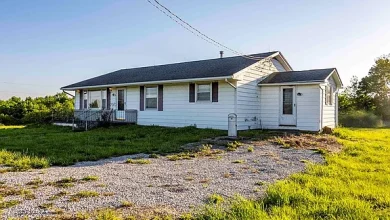
91 Acres
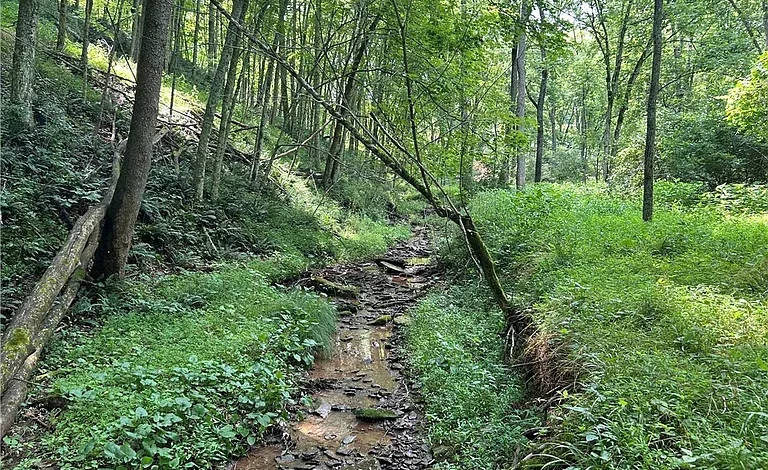
91 Acres of Historic Farmland, Timber and Mineral Rights With Creek Access
A Rare Opportunity to Own 91 Acres of Family-Held Land
Opportunities to purchase large tracts of land with a long family history, natural resources, guaranteed access, and multiple potential uses are becoming increasingly difficult to find. This remarkable 91-acre property offers a rare chance to own a substantial piece of rural land that has remained in the same family for more than a century.
Located in the Spencer area, this expansive tract combines the character of historic farmland with the natural beauty of wooded acreage, a creek and stream environment, and the potential for future development or recreational use. For buyers searching for farmland for sale, hunting land, timber property, off-grid acreage, or a long-term land investment, the property offers a unique combination of features.
The land tells the story of a different era.
At one time, the property included a homestead, a hand-dug well, and barns that supported life and activity on the land. Although the original structures have not survived and the condition of the historic well is unknown, the legacy of the former homesite remains an important part of the property’s character.
Today, the approximately flat area where the homestead once stood presents an interesting potential building location for a future home, cabin, camp, or private retreat, subject to all necessary inspections, permits, zoning requirements, access considerations, and utility planning.
With no utilities currently available on the property, this acreage may especially appeal to buyers interested in self-sufficient living, off-grid planning, recreational land ownership, or creating a private retreat designed around the natural environment.
Land That Has Remained in the Same Family for More Than 100 Years
One of the most compelling features of this property is its history.
The 91-acre tract has been in the same family for more than 100 years. Land ownership of this duration is increasingly uncommon, particularly for a large tract that has retained its rural character.
Over a century, the land has witnessed changing generations, changing farming practices, and changing approaches to rural life.
The former homestead and agricultural structures represent a time when the property was actively connected to family life and daily work. The land was not simply an investment or recreational destination. It was part of a working rural lifestyle.
For a future owner, this history provides something that cannot be manufactured.
The property offers a sense of permanence.
A new buyer may choose to preserve that history while creating a completely new chapter.
The acreage could potentially become a family retreat, recreational property, private camp, future homestead, or long-term landholding for generations to come.
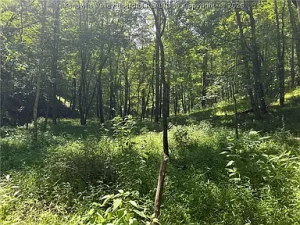
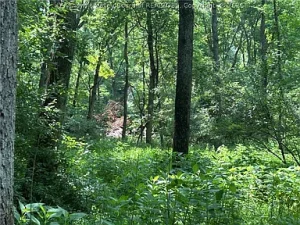
A Potential Homesite Surrounded by 91 Acres
The former homestead area provides one of the most interesting possibilities on the property.
Because the land was previously used as a homesite, the existing flat area may offer a starting point for buyers considering future construction. The former barns have collapsed, and no current residence is present, but the setting may be attractive for someone who wants to create a new home or camp in a location already connected to the property’s history.
A future owner could potentially envision:
- A private country home
- A rustic cabin
- An off-grid retreat
- A hunting camp
- A weekend getaway
- A small farmstead
- A family gathering property
- A recreational base camp
Of course, the absence of existing utilities means future development would require significant planning.
A buyer should independently investigate electrical options, water availability, septic requirements, internet access, driveway improvements, permits, and all other development considerations.
Depending on the intended project, future construction could involve traditional utility connections where available nearby, private infrastructure, renewable energy systems, or other solutions.
The opportunity here is not a finished home.
It is the freedom to imagine what the next version of the property could become.
No Utilities: A True Blank Canvas for Rural Visionaries
The property currently does not have electricity, natural gas, sewer, or water utilities available on-site.
For some buyers, this may represent a challenge.
For others, it may be one of the property’s greatest opportunities.
An undeveloped tract gives a future owner more freedom to design a property around personal priorities.
Someone interested in sustainable living may research solar power.
A private well could potentially be considered, subject to drilling conditions, testing, permits, and local regulations.
Wastewater systems would need to be evaluated and designed according to applicable requirements.
Communication options could also be investigated based on the availability of satellite, cellular, fiber, or other services in the surrounding area.
This type of property is especially appealing to buyers who want a more independent relationship with their land.
Rather than purchasing a completed suburban property, the future owner has the opportunity to create a retreat shaped around the landscape.
Every decision can begin with the land itself.
Guaranteed Access Through a Deeded Right-of-Way
Access is one of the most important considerations when purchasing rural land.
This property benefits from a deeded right-of-way from the road to the property line, providing legally recognized access to the acreage.
For a large tract located in a rural environment, documented access can be a significant feature.
The right-of-way creates a connection between the public road system and the property while helping preserve the private nature of the land.
Prospective buyers should independently review the recorded deed, survey, title information, maintenance responsibilities, width, permitted uses, and any restrictions associated with the right-of-way.
Still, the presence of a deeded route is an important part of the property’s overall functionality.
It gives a future owner a defined way to reach the land and begin developing or enjoying the property according to applicable laws and regulations.
All Timber Rights Convey With the Property
The sale includes all timber rights.
For buyers interested in timberland investment, this is a significant feature.
Wooded acreage can provide multiple forms of value.
The forest contributes to privacy.
It creates wildlife habitat.
It provides natural beauty.
It can support recreational activities.
Depending on timber species, age, condition, accessibility, and market conditions, forest resources may also have economic value.
However, future timber income is never guaranteed.
A responsible buyer should consider obtaining an independent forestry assessment before making decisions about harvesting or timber management.
A professional forester may help evaluate:
- Tree species
- Timber maturity
- Forest health
- Estimated merchantable volume
- Access conditions
- Harvesting possibilities
- Long-term forest management strategies
- Wildlife habitat improvements
For many landowners, the best strategy is not necessarily immediate timber harvesting.
Some may choose to maintain mature forest for privacy and recreation.
Others may implement selective harvesting.
A professionally managed approach can potentially balance economic considerations with conservation, aesthetics, and wildlife habitat.
Mineral Rights Convey With the Sale
Another notable feature is that all mineral rights are included with the sale.
Ownership of mineral rights can add an important layer of value and control to a landholding.
In many rural properties, surface ownership and subsurface rights may be separated.
That can create a more complicated ownership structure.
In this case, the inclusion of mineral rights provides a future owner with broader ownership of the property as described in the sale terms.
The specific value or potential of mineral rights should be independently evaluated.
Mineral resources may or may not have economic value, and future development is subject to market conditions, legal requirements, regulations, environmental considerations, and many other factors.
Still, the fact that the rights convey with the property is an important ownership consideration.
Prospective buyers should review the title documents and confirm exactly which mineral interests are included.
A Creek and Stream Add Natural Beauty
Water features can significantly enhance a rural property.
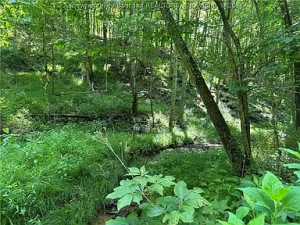
This 91-acre tract includes waterfront features associated with a creek and stream.
Natural water creates a different type of landscape.
The sound of moving water can add atmosphere to a property.
Creekside areas can attract wildlife.
Streams create visual interest and may provide scenic locations for walking, relaxing, or photography.
The water feature also contributes to the diversity of the acreage.
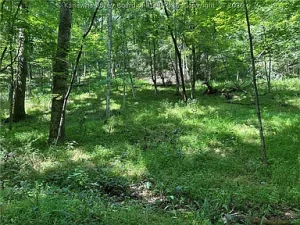
Rather than a uniform tract of dry woodland or open land, the property includes changing natural environments.
A future owner may enjoy exploring the creekside setting, observing seasonal changes, or creating walking paths that connect different areas of the property.
Any plans involving bridges, ponds, dams, stream crossings, construction, or alterations near waterways should be reviewed carefully with the appropriate authorities and professionals.
Waterfront and environmental regulations can vary depending on location and the specific characteristics of the land.
91 Acres for Recreation and Outdoor Exploration
The scale of the property creates substantial recreational potential.
Ninety-one acres can offer room to explore without leaving your own land.
Possible activities may include:
- Hiking
- Wildlife observation
- Nature photography
- Hunting where legally permitted
- Camping
- Trail development
- ATV or utility vehicle access where appropriate
- Outdoor education
- Forest exploration
- Creekside relaxation
Large acreage gives owners the opportunity to experience different environments.
One area may be densely wooded.
Another may provide a more open setting.
The former homestead area may serve as a future gathering point.
The creek can create a peaceful destination within the property.
A well-designed trail system could potentially connect these different spaces.
For a buyer who enjoys the outdoors, the land itself becomes the primary amenity.
A Potential Hunting and Wildlife Property
The property’s wooded landscape and large acreage may appeal to buyers interested in wildlife and hunting recreation.
Wooded acreage can provide cover and travel corridors for a variety of species.
The creek and stream environment may add another source of habitat diversity.
Wildlife activity can vary significantly depending on the season, forest conditions, neighboring land uses, hunting pressure, and other environmental factors.
Therefore, specific wildlife populations or hunting outcomes cannot be guaranteed.
However, the combination of acreage, woodland, and natural water features may create an attractive setting for outdoor enthusiasts.
A future owner interested in wildlife management could consider working with appropriate professionals to evaluate habitat conditions.
Possible land stewardship practices may include:
- Forest management
- Trail maintenance
- Native plantings
- Invasive species control
- Wildlife observation
- Selective habitat improvements
All hunting activities must comply with applicable state and local laws, seasons, licensing requirements, and property regulations.
Create Your Own Private Camp or Off-Grid Retreat
The property’s undeveloped nature may be especially appealing to buyers searching for an off-grid property.
Without an existing home or utility infrastructure, the land provides a blank canvas.
A future retreat could potentially be designed around:
- Solar energy
- Battery storage
- Generator backup
- Private water systems
- Sustainable building materials
- Rainwater strategies where permitted
- Energy-efficient construction
- Low-impact land use
Before beginning any off-grid project, buyers should carefully investigate local building codes, health regulations, zoning requirements, septic rules, and water availability.
A successful off-grid property requires planning.
But for the right buyer, the result can be a retreat designed around independence, privacy, and connection to the outdoors.
The 91 acres provide room to create separation between the main living area and recreational portions of the land.
A Long-Term Land Investment Opportunity
Land ownership is often viewed differently from traditional residential real estate.
A house may require frequent updates.
Mechanical systems age.
Interior styles change.
But land remains a fundamental asset.
The value of any specific property can increase or decrease, and future returns are never guaranteed. However, large tracts of rural land with natural resources and documented access can offer multiple reasons for long-term ownership.
This property combines:
- Approximately 91 acres
- Family history spanning more than a century
- Wooded land
- Creek and stream features
- Potential building area
- Deeded right-of-way access
- Timber rights
- Mineral rights
- No HOA
- No existing utilities
- A private rural setting
Each of these features may appeal to a different type of buyer.
Some may see a recreational retreat.
Others may see a future homesite.
An investor may focus on timber and land ownership.
A family may see an opportunity to create a multi-generational gathering place.
The versatility of the land is one of its strongest qualities.
Preserve the Land or Shape It for the Future
A new owner will face an important decision.
Should the land remain mostly natural?
Or should it be actively developed?
There is no single answer.
The former homesite could potentially be restored as a central gathering area while the majority of the acreage remains wooded.
A future owner could build a modest cabin and preserve the forest.
Another buyer may focus on trails and recreation.
Someone interested in forestry may develop a long-term timber management plan.
The property can potentially support different visions because it is not defined by one existing house or one completed lifestyle.
The future owner has the opportunity to shape the next chapter.
Important Considerations Before Building
Because the property currently lacks utilities and includes a former homesite, careful due diligence is essential.
Before constructing a home, cabin, or camp, prospective buyers should investigate:
- Survey and boundary information
- Deeded right-of-way terms
- Road access conditions
- Utility extension possibilities
- Electrical service availability
- Water well feasibility
- Septic system requirements
- Soil conditions
- Building permits
- Floodplain considerations
- Creek and stream setbacks
- Timber conditions
- Mineral rights documentation
- Environmental regulations
The condition of the historic hand-dug well is unknown and should not be assumed to be safe or usable.
Professional inspection and water testing would be essential before relying on any existing water source.
A Property With History and Future Potential
There is something special about land that has remained with one family for generations.
The property has already lived through more than a century of history.
The original homestead is gone.
The barns have collapsed.
The landscape has changed.
But the land remains.
That creates a rare opportunity for the next owner.
The purchase is not only about acquiring acreage.
It is about becoming part of the property’s continuing story.
A future family may build a new home where an earlier generation once lived.
A new cabin could overlook the wooded acreage.
Children and grandchildren may explore trails that did not previously exist.
The creek may become a favorite place to spend quiet afternoons.
The forest may continue to grow and change over time.
Final Thoughts on This 91-Acre Rural Property
This approximately 91-acre property offers an exceptional opportunity for buyers who appreciate land, history, privacy, and possibility.
The acreage has been held by the same family for more than 100 years.
It includes wooded terrain, creek and stream features, a former homestead area, a deeded right-of-way for access, and the inclusion of timber and mineral rights.
The absence of existing utilities means the property will require planning and investment for future development.
But it also means the next owner has the opportunity to begin with a relatively blank canvas.
Whether the vision is a private home, hunting retreat, off-grid cabin, recreational property, timberland holding, or long-term family investment, the land offers the scale and natural setting to support many different possibilities.
The approximately flat former homesite provides a potential focal point.
The woods offer privacy.
The creek and stream add natural character.
The deeded access creates a practical connection to the property.
The timber and mineral rights add another layer to the ownership package.
For the right buyer, this is not simply 91 acres of land.
It is an opportunity to own a piece of rural history and shape its future.
After more than a century in one family, the property is ready for a new chapter.
Important Disclaimer: All acreage, access rights, timber rights, mineral rights, former homesite conditions, well conditions, creek and stream features, road conditions, utility availability, development potential, zoning, building suitability, and property information should be independently verified by prospective buyers. The condition and usability of the historic hand-dug well are unknown. Future timber value, mineral value, property appreciation, wildlife activity, and investment returns are not guaranteed. Buyers should consult qualified professionals regarding surveys, title, forestry, mineral rights, environmental conditions, utilities, construction, and land use before purchase.
Listed on Zillow