2 beds 1 baths 1,152 sqft
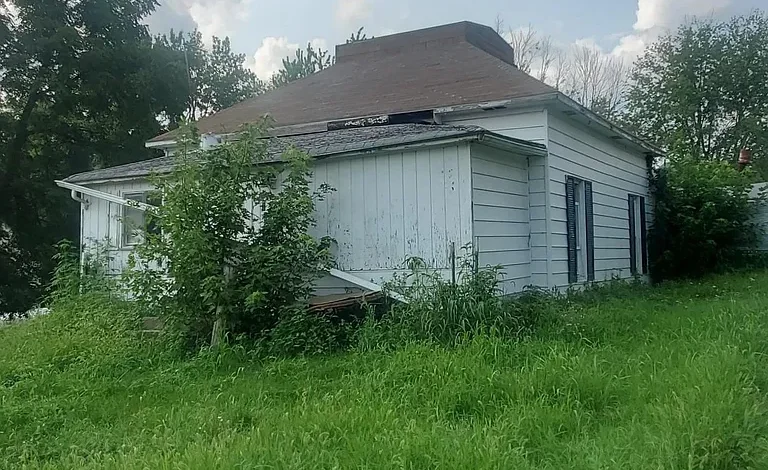
Affordable Fix-and-Flip Opportunity on a Large Corner Lot in Woodburn
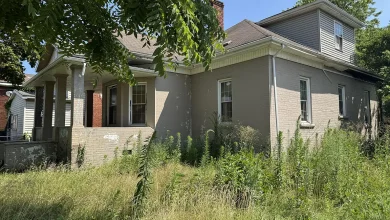
For buyers searching for an affordable investment property with room to create value, this Woodburn bungalow presents an opportunity worth exploring. Offering approximately 1,152 square feet of living space on a generous corner lot, this early-1920s home has the kind of potential that can appeal to real estate investors, renovation enthusiasts, landlords, contractors, and buyers looking for a project they can transform into something personal.
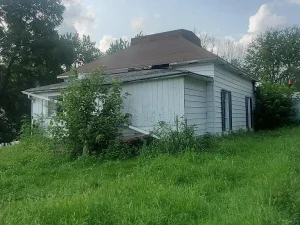
The property currently offers two bedrooms and one full bathroom, with the possibility for a future buyer to explore a two-to-three-bedroom layout depending on renovation plans, local requirements, and the final configuration of the home. While the house needs repairs and improvements, including attention to the roof, the existing structure offers a starting point for someone prepared to bring tools, planning, and creativity to the project.
With a large approximately 60-by-120-foot corner lot, public water and sewer service, a partial basement, two garage spaces, and no HOA, this property offers more than just an existing home. The land itself creates another important part of the opportunity. Buyers can evaluate the property’s layout, outdoor space, parking, future landscaping, and redevelopment possibilities based on local regulations and professional inspections.
Whether the goal is a fix-and-flip project, a long-term rental, an affordable primary residence, or a renovation project designed to build equity over time, this Woodburn property offers a chance to start with a budget-conscious purchase and create value through thoughtful improvements.
A Property with Strong Potential for the Right Buyer
Not every property is designed for a buyer looking for a completely turnkey home. Some of the best opportunities are found in properties that need work but provide a solid foundation for improvement.
This approximately 1,152-square-foot bungalow falls into that category.
The home requires repairs, and buyers should expect to complete a thorough inspection before moving forward. The roof is one of the major areas identified for attention, and the property’s condition should be carefully evaluated by qualified professionals.
However, renovation properties can offer something that fully updated homes often cannot: flexibility.
Instead of paying a premium for another person’s design choices, a buyer may have the opportunity to create their own vision. Interior finishes, room layouts, flooring, kitchen design, bathroom updates, exterior improvements, and landscaping can potentially be tailored to the intended use of the property.
For an investor, that flexibility can support a strategic renovation plan.
For an owner-occupant, it can create an opportunity to build a personalized home over time.
For a landlord, improvements may help prepare the property for the local rental market, subject to market conditions and applicable requirements.
The key is understanding the true scope of the project before beginning.
The Potential of a Fix-and-Flip Project
Fix-and-flip real estate remains attractive to investors who understand construction costs, local market values, and renovation timelines.
This property offers a possible starting point for a buyer who is prepared to evaluate the numbers carefully.
The process may begin with an inspection and a detailed renovation budget. Buyers can then estimate the cost of major repairs, including the roof, along with any additional work needed for mechanical systems, interior finishes, structural components, windows, flooring, plumbing, electrical systems, and cosmetic updates.
A successful renovation project is rarely about simply making a property look better. The strongest projects often focus on improvements that increase usability, durability, and market appeal.
Potential renovation ideas may include:
- Roof repair or replacement
- Exterior improvements
- Interior painting
- Updated flooring
- Kitchen renovation
- Bathroom modernization
- Lighting improvements
- Updated fixtures
- Improved storage
- Landscaping
- Driveway or parking improvements
- Garage improvements
Every renovation should begin with professional inspections and realistic cost estimates. Buyers should also account for permits, labor, materials, holding costs, taxes, insurance, and unexpected repairs.
With careful planning, a property purchased at an affordable entry point may offer room for a buyer to create additional value through improvements.
A Large Corner Lot Adds Another Layer of Opportunity
The approximately 7,405-square-foot lot is one of the property’s most important features.
With dimensions of approximately 60 feet by 120 feet, the property sits on a sizable corner parcel that offers additional visibility and flexibility compared with many interior lots.
Corner lots can create different opportunities for parking, landscaping, outdoor living, and future planning. The additional street frontage may also improve access, depending on the property’s specific layout and local regulations.
The land itself may be especially attractive to buyers who see value beyond the existing structure.
Potential uses and future possibilities should always be verified with local authorities, but buyers may evaluate the property for:
- Expanded outdoor living areas
- Additional parking
- Garage improvements
- Garden space
- Landscaping projects
- Recreational areas
- Future redevelopment possibilities
Because the property is priced with the value of the land as an important consideration, the large corner lot can become a central part of the overall investment analysis.
In real estate, the building can be improved, but the location and land cannot be changed. That makes the site’s size, corner position, and utility access important factors for buyers considering the property’s long-term potential.
Classic Bungalow Character from the 1920s
Built around 1920, the property reflects the era of traditional American bungalow-style homes.
Older homes often provide opportunities to restore character while incorporating modern conveniences.
Depending on the existing condition and renovation plans, a future owner may choose to preserve architectural elements that contribute to the home’s vintage identity while updating areas that improve comfort and efficiency.
A thoughtful renovation can blend old and new.
For example, an investor or homeowner might preserve the overall bungalow form while introducing updated flooring, modern kitchen features, improved lighting, contemporary bathroom finishes, and energy-conscious improvements.
The result could be a home that retains its early-20th-century personality while offering a more practical lifestyle for modern buyers or tenants.
Of course, the exact condition of the property should be determined through inspections and professional evaluation.
Approximately 1,152 Square Feet of Living Space
The home offers approximately 1,152 square feet of finished living space above ground.
That size can provide a practical foundation for a renovation project.
The current configuration includes two bedrooms and one bathroom, while the listing suggests potential for a third bedroom depending on the property’s layout and renovation approach.
A future buyer may choose to maintain the existing configuration or explore different possibilities.
Potential renovation concepts could include:
- Two larger bedrooms with improved storage
- A third bedroom or office space
- A dedicated home workspace
- An expanded living area
- Improved kitchen functionality
- Flexible guest accommodations
Any room conversion or bedroom addition should comply with local building codes, safety requirements, permits, and egress standards.
The home’s size can appeal to buyers who prefer manageable square footage. It is large enough to create functional living areas while remaining smaller than many modern homes, potentially reducing the scale of some renovation and furnishing costs.
Partial Basement for Additional Utility
The property includes a partial basement.
Basement space can be useful for storage and may provide access to certain components of the home, depending on the existing layout and condition.
For renovation buyers, the basement should be inspected carefully for moisture, structural conditions, foundation concerns, mechanical systems, and any other issues that may affect the overall renovation plan.
A partial basement can provide practical utility even if it is not used as finished living space.
It may offer room for:
- Storage
- Mechanical equipment
- Utility access
- Renovation infrastructure
The exact potential of the basement will depend on its condition, ceiling height, access, waterproofing, and local building requirements.
Public Water and Public Sewer
The property is connected to public water and public sewer.
For buyers considering a renovation project, established utility service can be an important convenience.
Unlike properties that require private wells or septic systems, public utility connections can simplify certain aspects of ownership and future planning.
However, buyers should still inspect plumbing lines and utility connections, particularly in an older home.
Before closing, a buyer may want qualified professionals to evaluate:
- Water supply lines
- Drainage
- Sewer connections
- Plumbing fixtures
- Electrical service
- Heating systems
- Any visible signs of leaks or deterioration
Older properties can have hidden conditions, which makes due diligence especially important.
Heating and Cooling Features
The home is listed with forced-air heating and window air-conditioning units.
These systems should be professionally evaluated as part of the inspection process.
Depending on the condition of the equipment, a buyer may decide to repair, replace, or upgrade components during the renovation.
Modern HVAC improvements can potentially enhance comfort and help make the finished property more attractive to future occupants.
Energy efficiency is also an important consideration for today’s buyers and renters. During a renovation, owners may explore improvements such as insulation, weather sealing, updated windows where appropriate, efficient equipment, and modern temperature controls.
The right improvements will depend on budget, property condition, and the intended use of the home.
Two Garage Spaces and Gravel Parking
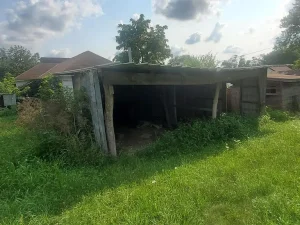
The property includes approximately two garage spaces and gravel parking.
Parking can be an important feature for both homeowners and rental properties.
The garage space may provide opportunities for vehicle storage, tools, equipment, or hobby use, depending on its condition.
For an investor, improving the garage and parking areas could potentially increase the overall functionality of the property.
Before making plans, buyers should inspect the garage structure, roof, foundation, doors, and overall condition.
Parking improvements can also contribute to curb appeal.
A renovated home with a clean exterior, organized parking area, and attractive landscaping can create a much stronger first impression.
No HOA Means Fewer Association Restrictions
The property is listed without a homeowners association.
For some buyers, the absence of an HOA can provide additional flexibility.
There may be no monthly HOA fees or association-specific approval process, although local zoning, building codes, permits, and ordinances still apply.
This can be especially appealing to buyers who want to take a more independent approach to renovations and property improvements.
Before beginning any project, buyers should still confirm all local requirements regarding construction, exterior changes, parking, fences, accessory structures, and land use.
Potential as a Rental Property
Investors searching for affordable rental property opportunities may find this home worth evaluating.
A successful rental investment depends on many factors, including:
- Purchase price
- Renovation costs
- Local rental demand
- Property taxes
- Insurance
- Maintenance expenses
- Vacancy assumptions
- Financing costs
- Property management
- Long-term capital expenditures
The approximately 1,152-square-foot layout could appeal to renters looking for a manageable single-family home.
A two-bedroom or potential three-bedroom configuration may broaden the property’s appeal, depending on the final legal layout.
Before purchasing as a rental, investors should research local market rents and avoid relying solely on estimated income.
A professional renovation budget and conservative financial analysis are essential.
The strongest investment decisions are based on real numbers rather than assumptions.
An Opportunity for Owner-Occupants
This property is not only for professional investors.
A buyer with construction experience, access to qualified contractors, or a willingness to complete improvements over time may see the potential to create an affordable personalized home.
Instead of moving into a property that has already been renovated, an owner-occupant could make choices that reflect personal preferences.
Perhaps the kitchen becomes the center of the home.
Maybe one room becomes a home office.
The corner lot could become a garden, outdoor entertaining area, or family recreation space.
The bungalow style could be enhanced with updated exterior details while preserving its original personality.
A renovation journey can take time, but it can also provide a sense of ownership that comes from creating something unique.
Understanding Instant Equity Potential
The listing highlights potential upside and the possibility of creating equity through renovation.
However, buyers should remember that equity is not guaranteed.
The final value of a property depends on market conditions, location, renovation quality, buyer demand, and many other factors.
What makes renovation properties attractive is the opportunity to purchase a home in a condition that may limit competition from buyers seeking turnkey properties.
By improving the property strategically, a buyer may potentially increase its usability and market appeal.
The key word is strategy.
Not every renovation dollar creates equal value.
Buyers should focus on major safety and structural concerns first, followed by improvements that enhance functionality, durability, and broad market appeal.
A well-managed project can potentially create value, but every buyer should complete their own financial analysis.
Start with the Major Repairs
The roof has been identified as an important area requiring attention.
Before cosmetic improvements begin, major property systems should be evaluated.
A logical renovation sequence may include:
1. Professional Inspection
Start by understanding the true condition of the property.
2. Roof Evaluation
Determine whether repairs or full replacement are required.
3. Structural Assessment
Evaluate the foundation, framing, basement, and other major components.
4. Mechanical Systems
Inspect heating, plumbing, electrical systems, and water connections.
5. Moisture and Water Management
Look for leaks, drainage concerns, and moisture damage.
6. Safety Improvements
Address hazards before cosmetic upgrades.
7. Interior Renovation
Move on to kitchens, bathrooms, flooring, walls, lighting, and finishes.
This approach can help prevent expensive mistakes, such as installing new flooring before resolving roof leaks or plumbing issues.
A Corner Lot Can Improve Curb Appeal
A large corner parcel can provide an excellent canvas for exterior improvements.
Landscaping does not always require a massive budget to create a noticeable difference.
Potential projects may include:
- Freshly maintained lawn areas
- Low-maintenance landscaping
- Defined walkways
- Exterior lighting
- Decorative planting beds
- Improved entry areas
- Updated porch features
- Clean gravel or parking surfaces
For a flip project, curb appeal is often the first opportunity to make a positive impression.
For a long-term owner, it can create an enjoyable outdoor environment.
Because this property has approximately 60 feet by 120 feet of land, there may be room to develop multiple outdoor areas while preserving functional parking and access.
A Project for Buyers Who See Beyond the Current Condition
The best buyer for this property may be someone who can look past the immediate repair needs.
That does not mean ignoring the condition. In fact, the opposite is true.
A smart buyer should inspect every major component carefully.
But once the scope of work is understood, the property’s future can be evaluated.
This is where imagination and financial discipline come together.
A contractor may see a renovation project.
A landlord may see a future rental.
A homeowner may see an affordable house with room to grow.
An investor may see land value combined with an opportunity to improve the existing structure.
Different buyers can see different possibilities.
Why Affordable Renovation Properties Attract Attention
In a real estate market where many fully renovated homes command premium prices, properties needing work can remain appealing to buyers with the skills and resources to take on improvements.
The purchase price may provide a lower entry point, but renovation costs must always be included in the total investment.
A buyer should calculate:
Total acquisition cost + closing costs + repairs + permits + labor + materials + carrying costs + contingency reserve.
Only after understanding the complete financial picture can a buyer determine whether the project makes sense.
This property offers the type of opportunity that rewards careful planning rather than rushed decisions.
Important Due Diligence Before Purchasing
Because the home requires repairs, due diligence is essential.
Prospective buyers should consider professional evaluation of:
- Roof condition
- Foundation
- Framing
- Electrical systems
- Plumbing
- Heating equipment
- Cooling equipment
- Basement
- Windows
- Garage condition
- Water and sewer connections
- Drainage
- Lot boundaries
- Local building requirements
Buyers should also verify the possibility of any proposed third-bedroom conversion with local building authorities.
For investment buyers, comparable sales and rental data should be reviewed before establishing a renovation budget.
A contingency reserve is also important because older homes can reveal additional conditions after work begins.
Final Thoughts: A Budget-Friendly Project with Room to Create Value
This approximately 1,152-square-foot bungalow in Woodburn offers an opportunity for buyers who are ready to take on a renovation project.
With two bedrooms, one bathroom, potential for additional layout flexibility, a partial basement, public water and sewer, approximately two garage spaces, and a generous 7,405-square-foot corner lot, the property provides several important building blocks for future plans.
The home does need repairs, and the roof should be a major focus of professional evaluation. However, buyers who understand renovation work may see beyond the current condition.
The property could potentially serve as a fix-and-flip project, rental investment, personalized primary residence, or long-term real estate project.
The large corner lot adds another dimension to the opportunity, particularly for buyers who recognize that land value, location, and future flexibility can be important components of a property’s overall appeal.
For the right buyer, this is not simply a house that needs work. It is a project with possibilities.
Bring a realistic budget, a careful inspection strategy, qualified professionals, and a clear vision for the finished product.
With thoughtful planning and the right renovation approach, this Woodburn property could become an opportunity to transform a budget-friendly purchase into something far more valuable, functional, and personal.
Listed on Zillow