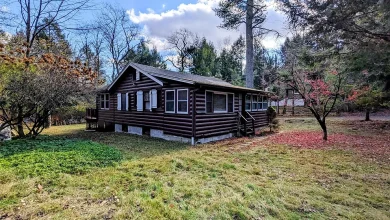
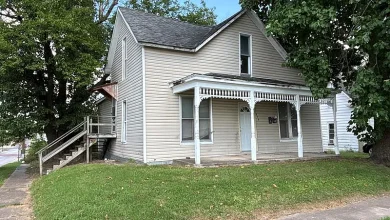
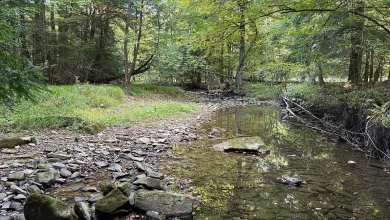
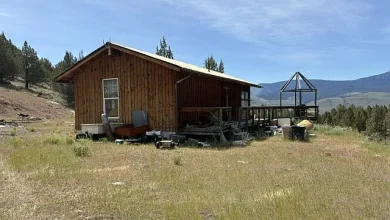
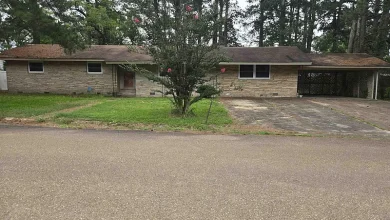
6.2 Acres Lot
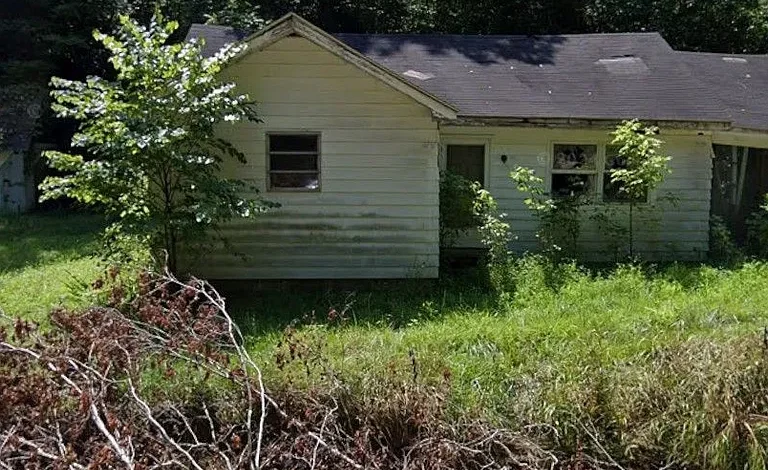
6.2-Acre Ohio Property With a 2-Bedroom Home Offered Through Court-Ordered Auction
A Unique Land and Real Estate Auction Opportunity

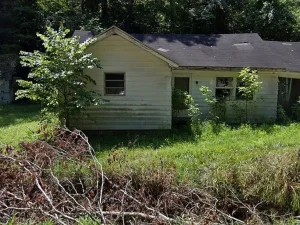
A court-ordered real estate sale is bringing attention to a property consisting of approximately 6.2 acres and a single-family home in the Scottown area of Ohio. The property includes a one-level residence with two bedrooms, one bathroom and approximately 1,048 square feet of reported interior living space.
The property is being offered through a Court Ordered Sale by Private Selling Officer, with the auction scheduled to end on September 10, 2026. According to the available listing information, prospective buyers should understand that the advertised information is limited and that the current condition of the property is unknown.
This is an important distinction for anyone considering the opportunity. The listing specifically states that there are no showings and no trespassing for any reason. Buyers must therefore rely on the information provided and conduct whatever due diligence is legally and practically available without entering the property.
For investors, land buyers and experienced auction participants, properties with acreage and an existing structure can sometimes present interesting possibilities. However, this particular offering requires a careful approach because the condition of the house, interior systems and other aspects of the property have not been verified.
The combination of 6.2 acres, a two-bedroom home and relatively low reported annual property taxes makes this an interesting property to research, but buyers should make decisions based on verified information and the official auction terms rather than assumptions.
Approximately 6.2 Acres in Scottown, Ohio
The property encompasses approximately 6.2 acres, providing substantially more land than a typical residential parcel.
For buyers interested in acreage, the size of the property may be one of its most appealing characteristics. Six-plus acres can potentially provide room for privacy, outdoor activities, gardening, recreation or other permitted uses.
The actual usability of the acreage, however, cannot be determined solely from the listing information. Buyers should investigate the property’s topography, boundaries, access, drainage, soil characteristics, zoning and any applicable land-use restrictions.
Acreage can have very different characteristics from one parcel to another. Some portions may be suitable for residential or recreational use, while other areas could have limitations caused by terrain, drainage, easements or other factors.
Because the property is being sold through a court-ordered auction and no showings are permitted, obtaining independent information from public records and appropriate authorities may be particularly important.
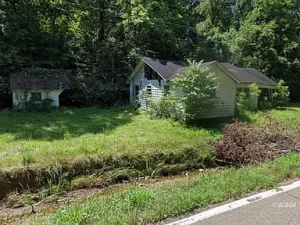
Two-Bedroom, One-Bathroom Home
The property includes a reported two-bedroom, one-bathroom single-family residence.
The home contains approximately 1,048 square feet of total reported interior living area and is described as a one-level property.
A two-bedroom layout can be suitable for a variety of residential purposes, including a smaller primary residence, guest accommodation or potential rental use if the property can be restored and meets all applicable requirements.
However, buyers should not assume that the home is currently habitable.
The listing explicitly states that the property condition is unknown. There is no opportunity for a traditional showing, and prospective purchasers should therefore avoid making assumptions about the condition of the roof, foundation, plumbing, electrical system, heating equipment, interior finishes or other components.
The home should be evaluated strictly according to information that can be independently verified.
A 1961 Home With Unknown Condition
According to the available property records, the home was built in 1961.
A property of this age may have undergone various modifications or repairs over the decades, but the listing does not provide enough information to determine the extent or quality of any previous work.
The exterior is reported to have aluminum siding, while the roof is listed as asphalt shingle.
The property also has single-pane windows according to the available facts and features.
These details provide a basic picture of the structure, but they do not establish its current condition.
For an older property, investors would normally want to inspect major components such as the roof, foundation, electrical service, plumbing, heating system, windows, exterior walls and drainage. In this case, the auction restrictions mean buyers must recognize that this traditional inspection process may not be available before bidding.
No Showings and No Trespassing
One of the most important facts associated with this auction is the restriction on property access.
The listing clearly states:
NO SHOWINGS. NO TRESPASSING FOR ANY REASON.
This means prospective buyers should not visit the property to inspect the house, walk the land or attempt to access the structure without explicit legal authorization.
This restriction is especially important because the property’s condition is unknown.
Potential buyers should instead review all publicly available records, auction documentation and other legally available sources of information.
They may also wish to consult with a qualified real estate attorney, contractor, inspector or other professional regarding what forms of due diligence are possible under the auction rules.
The inability to inspect the property substantially increases uncertainty, which should be considered when evaluating the opportunity.
Court-Ordered Sale by Private Selling Officer
This property is not being marketed as a conventional residential transaction.
It is being offered through a Court Ordered Sale by Private Selling Officer, meaning the sale follows a court-related process rather than a typical seller-to-buyer listing.
Court-ordered real estate transactions can have different procedures, deadlines and requirements compared with traditional home purchases.
Potential bidders should carefully review the official auction terms before participating.
The auction is scheduled to end on September 10, 2026.
The listing also states that the buyer will be responsible for a 10% buyer premium, which will be added to the winning bid.
Understanding the total acquisition cost is essential. A winning bid does not represent the entire amount a buyer may ultimately be required to pay because the buyer premium is added separately.
Understanding the 10% Buyer Premium
A buyer premium is an additional amount charged to the successful bidder as part of the auction transaction.
In this case, the listing specifies a 10% buyer premium.
For example, if a hypothetical winning bid were $50,000, a 10% buyer premium would equal $5,000, creating a combined purchase amount of $55,000 before considering other applicable expenses.
This is only an example and is not a prediction of the final sale price.
Auction participants should calculate their maximum budget based on the full transaction cost rather than focusing solely on the bid amount.
Other potential expenses may include closing costs, recording fees, title-related expenses, property taxes or other charges depending on the final auction and closing terms.
$5,000 Deposit Required
The auction terms state that a $5,000 deposit is due within 24 hours of the bidding end.
This creates a strict timeline for successful bidders.
Anyone considering participation should ensure that the required deposit funds are readily available and that they understand exactly how and when the deposit must be delivered.
Auction transactions often involve firm deadlines, and missing a payment or documentation deadline can have significant consequences.
Prospective bidders should review the official terms carefully and confirm the accepted payment method, deposit instructions and any other requirements before submitting a bid.
The Property Is Sold With Significant Uncertainty
Perhaps the most important consideration is that the available information is limited.
The listing states that all information available to the seller is included and that there is no additional information.
It also states that the property’s condition is unknown.
This means buyers should approach the property differently from a conventional home that can be toured and professionally inspected before making an offer.
The uncertainty itself is a major part of the investment equation.
A buyer considering the property should have sufficient experience, financial flexibility and professional guidance to handle unexpected conditions if the property is ultimately acquired.
Potential Land Value
With approximately 6.2 acres, the property may attract buyers who place significant value on land rather than simply the existing residence.
Acreage can offer privacy and flexibility, depending on local zoning and physical characteristics.
Potential uses could include residential living, gardening, recreational activities or other permitted purposes.
However, buyers should not assume that every potential use is automatically allowed.
Zoning, deed restrictions, easements, environmental conditions and local regulations can affect how land may be used.
Any buyer interested in developing additional structures or changing the property’s use should confirm those possibilities with the appropriate local authorities before bidding.
Potential for Renovation or Redevelopment
The existing house could potentially attract an investor interested in renovation or redevelopment, but that possibility is entirely dependent on the property’s actual condition.
Since there are no showings and the listing does not provide a condition report, it is impossible to determine whether the home requires minor cosmetic updates, major structural rehabilitation or extensive reconstruction.
An investor should therefore avoid assigning a specific renovation budget without sufficient evidence.
A thorough financial analysis would normally include:
- Estimated acquisition cost
- Buyer premium
- Potential closing expenses
- Structural repairs
- Roofing costs
- Electrical upgrades
- Plumbing work
- HVAC replacement
- Interior renovation
- Exterior improvements
- Landscaping
- Permit costs
- Professional fees
- Contingency reserves
Because the property cannot be inspected, additional contingency funds may be especially important for anyone who chooses to participate.
One-Level Layout
The residence is described as a one-level home, which can be an appealing characteristic for many buyers.
Single-level living can provide convenient access between the primary living areas, bedrooms and bathroom without requiring daily use of stairs.
For buyers considering an eventual renovation, the one-story design may also offer a straightforward layout for certain improvements.
Again, however, the existing condition and configuration must be independently verified when possible.
The available information does not provide a detailed floor plan or room measurements, so buyers should not assume specific interior arrangements beyond the reported bedroom and bathroom count and total square footage.
Utilities Require Further Investigation
The listing does not provide detailed utility information.
Instead, the available facts indicate that buyers should contact utility companies.
This means prospective bidders should independently investigate the status and availability of electricity, water, sewer, natural gas or other services.
The property may have existing utility connections, inactive services or other circumstances that are not disclosed in the available information.
Utility status can significantly affect renovation costs and future use.
For example, an investor considering a rehabilitation project would need to know whether electrical service is active and adequate, whether water and sewer connections are functional and whether heating equipment exists.
Without access to the property, obtaining information from utility providers and public records may be especially valuable.
Low Reported Annual Property Taxes
The listing reports an annual property tax amount of approximately $189, with a tax-assessed value of approximately $45,510.
The relatively low reported annual tax figure may be attractive to land buyers evaluating long-term holding costs.
However, prospective buyers should independently verify current taxes and determine whether there are delinquent taxes, assessments or other financial obligations associated with the property.
Because this is a court-ordered sale, buyers should also carefully review the auction documentation regarding liens, taxes, title and other obligations.
The listing information should be considered a starting point for research rather than a substitute for professional title and legal review.
Understanding the Fee Simple Ownership
The property is listed as Fee Simple ownership.
Fee simple is a common form of property ownership in which the owner generally holds the land and improvements subject to applicable laws, restrictions and encumbrances.
However, buyers participating in an auction should still conduct appropriate title research.
The auction documentation and title records should be reviewed to determine exactly what interests are being conveyed and whether any easements, restrictions or other matters affect the property.
Professional assistance may be appropriate for buyers who are unfamiliar with court-ordered real estate transactions.
A Property for Experienced Auction Buyers
This opportunity may be more appropriate for experienced investors and auction participants than for buyers searching for a conventional move-in-ready home.
There are several reasons.
First, the property cannot be shown.
Second, its condition is unknown.
Third, the transaction includes a buyer premium.
Fourth, a $5,000 deposit is required within 24 hours of the auction ending.
Finally, the property is being sold through a court-ordered process.
These characteristics require a buyer who is comfortable with uncertainty and capable of completing due diligence through available channels.
A first-time buyer seeking a traditional home purchase may find a conventional property with inspections and showings easier to evaluate.
Possible Rural Lifestyle Appeal
The approximately 6.2-acre setting may appeal to buyers who prefer more land and a quieter environment.
Rural acreage can provide opportunities for gardening, outdoor recreation, privacy and other lifestyle activities.
For someone interested in creating a country property, the combination of an existing residence and several acres could be worth investigating.
The key issue is whether the existing home and land can support the buyer’s intended use.
Because the listing provides limited information, buyers should investigate access, terrain, boundaries and zoning before making assumptions about the property.
Questions Buyers Should Investigate
Before participating in the auction, potential buyers should try to obtain answers to as many questions as possible through authorized sources.
Important questions include:
- What is the current legal status of the property?
- Are there delinquent taxes?
- Are there outstanding assessments?
- What liens or encumbrances exist?
- What is included in the sale?
- Is the home currently connected to utilities?
- What is the zoning classification?
- Are there deed restrictions?
- Are there easements?
- Is there legal road access?
- What are the property boundaries?
- Are there environmental concerns?
- Can public records provide additional information about the structure?
- What are the exact auction closing procedures?
- How must the $5,000 deposit be delivered?
- How is the 10% buyer premium calculated?
- What are the closing deadlines?
- What title insurance options are available?
These questions can help reduce uncertainty before bidding.
Important Financial Considerations
Auction properties can sometimes appear inexpensive based on the advertised price per square foot or opening amount, but buyers should avoid evaluating them using price alone.
The true financial picture includes the purchase price plus the buyer premium and any additional costs required to obtain usable ownership.
For a property with unknown condition, potential repair costs can be particularly difficult to estimate.
A financially responsible buyer should establish a maximum bid before the auction begins and should account for the possibility of unexpected expenses.
The goal should be to purchase only at a level that remains financially reasonable after considering uncertainty.
Final Thoughts on This Ohio Auction Property
This approximately 6.2-acre property in the Scottown area of Ohio presents a distinctive real estate auction opportunity.
The property includes a reported 1,048-square-foot, two-bedroom, one-bath single-family home, built in 1961 and situated on a sizable acreage parcel.
For buyers interested in land, rural property, renovation projects or auction real estate, the combination may be worth further investigation.
At the same time, this is not a conventional home purchase.
The property is being sold through a court-ordered process, the auction ends on September 10, 2026, a 10% buyer premium applies, and a $5,000 deposit is required within 24 hours of bidding completion.
Most importantly, the listing states that the condition of the property is unknown and that there are no showings or trespassing permitted.
That restriction should be taken seriously.
Potential buyers should rely on official documentation, public records and authorized sources of information rather than attempting to access the property.
The reported annual property tax of approximately $189 and the 6.2 acres may make the property interesting from a long-term ownership perspective, but taxes, title matters, utility status, zoning and all auction conditions should be independently verified.
For an experienced investor, the property could represent a land-and-structure opportunity worth researching. For someone comfortable with real estate auctions, it may offer another potential addition to a portfolio. For a buyer interested in rural acreage, the land itself may be the primary attraction.
Ultimately, the value of this opportunity will depend on factors that cannot be fully determined from the available listing information. The property’s actual physical condition, legal circumstances, permitted uses and total acquisition costs should all be carefully considered before bidding.
Anyone considering participation should read the complete auction terms, understand the deposit requirements and buyer premium, conduct all available due diligence, and consult qualified professionals where appropriate.
Property Highlights:
- Approximately 6.2 acres
- Two bedrooms
- One bathroom
- Approximately 1,048 square feet
- One-level home
- Built in 1961
- Single-family residence
- Aluminum siding
- Asphalt shingle roof
- Single-pane windows reported
- Fee simple ownership
- Rural Scottown, Ohio location
- Reported annual taxes of approximately $189
- Court-ordered private selling officer auction
- Auction scheduled to end September 10, 2026
- 10% buyer premium
- $5,000 deposit due within 24 hours
- No showings
- No trespassing
- Property condition unknown
- Utilities require independent verification
This property is best viewed as an auction and due-diligence opportunity rather than a conventional move-in-ready home. Its acreage and existing structure provide potential avenues for further investigation, while the auction conditions make careful research especially important.
For qualified buyers who understand the risks and requirements of purchasing property without a physical inspection, this 6.2-acre Ohio offering may be an interesting opportunity to watch as the September auction approaches.
Listed on Zillow