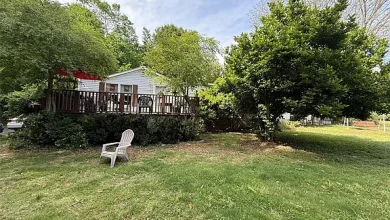
3 beds 2 baths 1,625 sqft
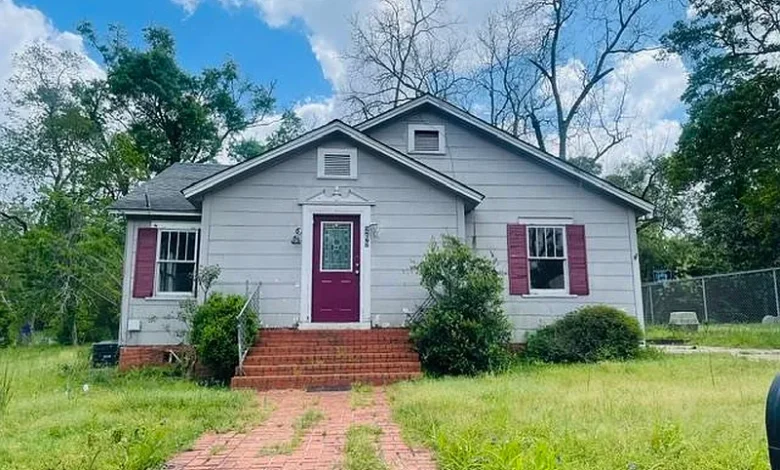
$36,000 Fixer-Upper in Opp, Alabama: 3-Bedroom Home With 1,625 Sq Ft, Rental and Renovation Potential
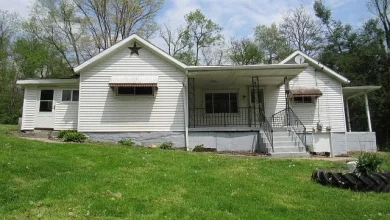
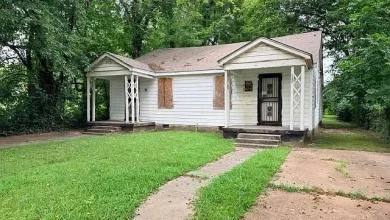
For buyers searching for an affordable home in Alabama, a low-cost fixer-upper, an investment property, a potential rental house, or a renovation project with a relatively low acquisition price, the property at 209 W Hart Ave, Opp, AL 36467 presents an interesting opportunity.
Currently listed for $36,000, this traditional single-family residence offers approximately 1,625 square feet of finished living space, three bedrooms, two full bathrooms, central electric heating and cooling, a porch, a detached carport, and a roughly 0.28-acre lot.
Built in 1945, the property is not being presented as a fully renovated or move-in-ready home. The listing specifically states that the house needs paint and several repairs and also discloses that the back bedroom previously had a foundation repair, with flooring having been cut in connection with that work.
That disclosure deserves careful attention. Previous foundation work does not automatically mean a property has an ongoing structural problem, but buyers should investigate what was repaired, why the repair was necessary, who performed it, whether documentation is available, and whether additional work is currently recommended.
At approximately $22 per square foot, the asking price is low relative to the amount of interior space. However, the purchase price alone does not determine whether the home represents an attractive financial opportunity. Repair costs, insurance, taxes, financing, septic condition, HVAC condition, foundation history, roof condition, and other expenses all need to be considered.
For an investor, the house could potentially be analyzed as a long-term rental or fix-and-flip project. For an owner-occupant comfortable with renovation, it may offer a relatively inexpensive way to acquire a three-bedroom, two-bath home with more than 1,600 square feet.
Below is a detailed examination of the property, its renovation possibilities, major due-diligence considerations, financing questions, rental potential, and the expenses prospective buyers should investigate before making an offer.
Property Overview: 209 W Hart Ave, Opp, AL 36467
The home is located at 209 W Hart Ave in Opp, Alabama 36467.
According to the supplied listing information, its primary features include:
Asking Price: $36,000
Property Type: Single-Family Residence
Architectural Style: Traditional
Bedrooms: 3
Bathrooms: 2 full bathrooms
Interior Living Area: Approximately 1,625 square feet
Finished Above-Ground Area: 1,625 square feet
Lot Size: Approximately 0.28 acres
Lot Dimensions: Approximately 85 x 144 feet
Year Built: 1945
Stories: One
Heating: Central electric
Cooling: Central electric
Windows: Wood frames
Basement: None
Laundry: Outside
Parking: Driveway and detached carport
Porch: Yes
Exterior Construction: Frame
Roof: Composition
Water: Public
Wastewater: Septic tank
Electricity: Available and electric utility listed on property
Natural Gas: Available
Cable: Available
High-Speed Internet: Listed as available
Price Per Square Foot: Approximately $22
Tax Assessed Value: $96,580
Reported Annual Property Tax: $716
Parcel Number: 231108283302061000
Date on Market: June 26, 2026
The property is described as a potential opportunity for investors, rental buyers, flippers, or someone seeking a personal residence.
Why a $36,000 Asking Price Attracts Attention
The asking price is one of the home’s most noticeable characteristics.
At $36,000, a buyer is considering a three-bedroom, two-bath house with approximately 1,625 square feet of living area rather than a very small structure.
The listing’s low price could leave room in a buyer’s budget for renovation, but that depends entirely on the home’s actual condition.
A better way to analyze the opportunity is:
Purchase Price + Closing Costs + Inspection + Repairs + Renovation + Financing + Insurance + Taxes + Utilities + Holding Costs + Contingency = Total Project Cost
For a distressed or partially repaired property, this total is far more important than the purchase price by itself.
Approximately $22 Per Square Foot
At the current asking price, Zillow reports approximately $22 per square foot.
That figure may appear extremely inexpensive compared with many move-in-ready homes.
However, price per square foot can be misleading when comparing properties in dramatically different conditions.
A renovated home incorporates the value of a functioning roof, HVAC system, electrical system, plumbing, bathrooms, kitchen, flooring, windows, doors, exterior finishes, and other improvements.
A fixer-upper may require significant additional spending before it becomes comparable.
For an investor, the more useful number may ultimately be the all-in renovated cost per square foot.
1,625 Square Feet Provides Useful Interior Space
One of the strongest characteristics of the property is its approximately 1,625 square feet of finished above-ground living area.
That is substantial space for a three-bedroom house at this asking price.
The property has no finished below-ground space and no basement, so the reported living area is above grade.
A house of this size can potentially provide room for comfortable common areas while retaining three dedicated bedrooms.
For renovation budgeting, square footage also matters because flooring, painting, drywall, trim, and other improvements are often estimated partly according to area.
Three-Bedroom Layout
The house contains three bedrooms.
Three-bedroom homes can serve a broad range of residential uses.
A household could use all three rooms as bedrooms, while another buyer might convert one into a home office, guest room, hobby space, exercise room, or study.
For rental investors, the three-bedroom configuration may also be worth researching against comparable rental properties in Opp.
However, the listing’s statement that the property could bring a good rental price should be treated as marketing commentary rather than a guaranteed rental projection.
Actual rent should be established through current comparable rental research.
Two Full Bathrooms
The property includes two full bathrooms.
For a three-bedroom home, having two bathrooms can be an important practical advantage.
It may also reduce the need for a buyer to undertake the costly process of adding an additional bathroom.
The condition of both bathrooms should still be investigated.
A cosmetic bathroom update may involve paint, fixtures, flooring, lighting, a vanity, and minor plumbing work.
A bathroom with leaks or damaged subflooring can become a considerably larger project.
Foundation Repair in the Back Bedroom
The most important condition disclosure in the description involves the back bedroom and previous foundation repair.
According to the listing, a foundation repair was performed in this area and the flooring was cut as part of that work.
Prospective buyers should not ignore this simply because a repair has already been completed.
Instead, it should become one of the primary areas of due diligence.
A buyer should try to determine what originally caused the foundation problem, what repair method was used, whether the work was completed by a professional, and whether invoices, warranties, engineering reports, permits, or other documentation are available.
A Previous Foundation Repair Is Not Automatically a Deal Breaker
Foundation repairs occur in many homes, particularly older properties.
The key issue is whether the underlying problem was correctly diagnosed and successfully addressed.
A properly completed repair can be very different from a temporary cosmetic patch.
Buyers should look for continuing signs of movement, including cracks, uneven flooring, sticking doors, gaps around windows, separation in walls or trim, or other indications of settlement.
Where concerns exist, a qualified structural professional can provide a more informed assessment than visual guesswork.
Flooring in the Repaired Bedroom
The listing specifically mentions that buyers can see where the flooring was cut during the foundation repair.
This could mean that part of the renovation involves restoring the flooring in that room.
Depending on the existing material and subfloor condition, the buyer might repair the affected section or replace flooring throughout the room.
If the flooring is already dated, an investor could potentially use the repair as an opportunity to update larger areas for a more consistent appearance.
Before installing new flooring, the buyer should verify that the underlying structural repair is stable.
Built in 1945
The home dates to 1945, making it more than 80 years old.
Older homes can provide character and solid layouts, but they also deserve careful inspection because major systems may have been modified repeatedly over several decades.
The listing does not provide the dates of major renovations.
Buyers should determine the age and condition of the electrical system, plumbing, HVAC equipment, roof, windows, water heater, septic system, and structural components.
Understanding which systems have already been modernized can substantially change the renovation budget.
Traditional Single-Story Design
The home is described as having a traditional architectural style and a single level.
One-story living can be practical because bedrooms, bathrooms, kitchen, and common areas can generally be accessed without stairs between floors.
For renovation projects, single-story construction may also simplify certain mechanical and structural work compared with more complicated multilevel properties.
The actual floor plan should be reviewed in person before making assumptions about how easily spaces can be changed.
Removing walls or significantly altering room arrangements may involve structural considerations.
Central Electric Heating
The property is listed with central electric heating.
Having an existing central heating system is potentially advantageous compared with a distressed property that has no permanent heating system.
However, the listing does not specify the age or condition of the equipment.
A licensed HVAC contractor can determine whether the system is operating properly, estimate remaining service life, and identify repairs or maintenance that may be necessary.
Energy efficiency should also be considered when evaluating an older home.
Central Electric Air Conditioning
The property also has central electric cooling.
In Alabama’s climate, reliable air conditioning can be an important feature for full-time residential use.
Buyers should test the cooling system and inspect the equipment, thermostat, ductwork, drainage, and electrical connections.
If the HVAC system is old, replacement should be considered in the long-term budget even if it currently operates.
A new system can represent a substantial expense, so understanding HVAC condition before closing can prevent an unpleasant financial surprise.
Wood-Frame Windows
The listing identifies wood-frame windows.
Wood windows can contribute traditional character, but older units require inspection and maintenance.
Potential problems can include deteriorated wood, damaged glazing, air leakage, moisture intrusion, difficult operation, and failed seals where applicable.
Some windows may be repairable rather than requiring full replacement.
For investors, the decision should be based on condition, energy efficiency, renovation goals, and the expected resale or rental market.
Replacing every window unnecessarily can increase project costs quickly.
Frame Construction
The house is described as frame construction.
Buyers should inspect exterior walls and structural framing for signs of water intrusion, wood deterioration, termite activity, or other pest damage.
This is especially important around windows, doors, roof edges, bathrooms, plumbing penetrations, and areas near the ground.
A general home inspection may identify visible concerns, while specialized pest or structural inspections can provide additional information where necessary.
Composition Roof
The roof is listed as composition, but no installation date is provided.
Roof age should be verified if possible.
A roofing professional can look for missing or damaged shingles, deteriorated flashing, soft decking, previous repairs, leaks, and other concerns.
Roof condition can also affect homeowners insurance.
If replacement is needed, buyers should include that expense in the renovation budget before spending heavily on cosmetic interior improvements.
Stopping water intrusion should generally come before paint and flooring.
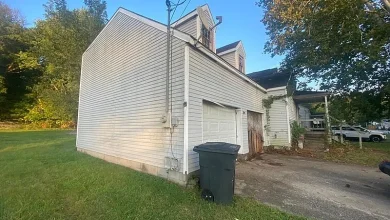
Detached Carport
The property includes a detached carport, although the listing states that it needs repairs.
A repaired carport could provide convenient covered parking and protection from sun and rain.
Because its current condition is specifically mentioned, buyers should inspect the roof, supports, anchoring, structural components, and surrounding ground.
Depending on the damage, repair could be relatively simple or may require more extensive reconstruction.
Any work should comply with applicable local requirements.
Driveway and Additional Parking
The property also includes a driveway and uncovered parking.
This provides more parking flexibility than a property relying solely on street parking.
For rental or resale purposes, off-street parking can be a practical feature.
The driveway itself should be checked for drainage issues, deterioration, or areas requiring resurfacing.
Improving parking and repairing the carport may also contribute to exterior presentation during a future resale.
Porch Adds Outdoor Living Space
A porch is included among the property’s features.
A porch can create a useful transition between indoor and outdoor areas and may contribute to curb appeal.
For a renovation project, cleaning, repairing, and painting a porch can sometimes create a significant visual improvement without requiring an enormous budget.
The structure should first be checked for loose railings, damaged decking, deteriorated supports, or other safety concerns.
Structural repairs should come before cosmetic improvements.
0.28-Acre Lot
The property sits on approximately 0.28 acres, with reported dimensions of around 85 by 144 feet.
The lot is described as open, with both level and sloping topography.
This provides outdoor space without creating the maintenance demands associated with several acres.
Depending on the exact layout, the yard may provide room for outdoor seating, landscaping, gardening, recreation, or other typical residential uses.
Any proposed additional structures should be checked against setbacks and local requirements.
Yard Improvements and Curb Appeal
For a fixer-upper, exterior cleanup can often provide a relatively affordable visual improvement.
Mowing, trimming vegetation, removing debris, pressure washing appropriate surfaces, repairing the carport, cleaning the porch, and improving basic landscaping can help transform first impressions.
Investors planning a resale should remember that buyers often form an opinion before entering the house.
However, exterior appearance should not consume funds needed for essential repairs.
Structural, roofing, electrical, plumbing, septic, and HVAC issues generally deserve priority.
Public Water
The property is listed with public water.
That means a buyer does not have to evaluate a private well based on the supplied information.
Still, the home’s interior plumbing and service line should be inspected.
Water pressure, leaks, fixture operation, pipe condition, and drainage can all affect renovation costs.
An older house may contain plumbing installed during several different periods, so identifying pipe materials and previous repairs can be useful.
Septic Tank
Unlike the public water supply, wastewater is listed as being handled through a septic tank.
This is an important due-diligence item.
Prospective buyers should determine the septic system’s location, age, maintenance history, capacity, and current condition.
A septic inspection may reveal whether the tank needs pumping, repairs, or more significant work.
Replacement of a failing septic system can materially affect the economics of a low-cost property, so buyers should avoid treating it as a minor detail.
Sewer Availability Is Also Listed
The property facts indicate both a septic tank and that sewer is available among the utilities.
Those two entries deserve clarification.
The house may currently use septic while public sewer is available nearby, or the database information may reflect another arrangement.
Prospective buyers should verify the actual wastewater connection and determine whether any future sewer connection is required or optional.
If conversion is possible or required, buyers should investigate connection fees and associated construction costs.
Electricity and Natural Gas Availability
Electricity is listed as available, and the property specifically indicates that electric utility service is on the property.
Natural gas is also listed as available.
The home currently uses central electric heating and cooling according to the supplied facts, but buyers should confirm what other systems or appliances use gas, if any.
Utility availability can provide flexibility during renovation, but connection status and service capacity should be verified directly.
High-Speed Internet and Cable Availability
The listing identifies both high-speed internet and cable as available.
For buyers who work remotely, stream entertainment, operate online businesses, or simply require dependable connectivity, internet availability can be an important consideration.
However, buyers should verify the actual service providers, connection type, speeds, installation costs, and availability at this specific address.
A listing database’s indication that internet is available does not guarantee a particular speed or plan.
No Basement
The house has no basement.
All 1,625 square feet of reported finished space is above ground.
The absence of a basement eliminates basement renovation from the project budget, but foundation condition remains particularly important because of the disclosed repair in the back bedroom.
Depending on the foundation design, certain components may be accessible from crawl areas or other locations.
A qualified inspector can determine how best to evaluate them.
Outside Laundry Area
The listing identifies the laundry as outside.
Prospective buyers should inspect the exact laundry setup to understand what this means in practice.
They should verify water connections, drainage, electrical or gas supply, weather protection, ventilation, and overall convenience.
An owner renovating for personal use might investigate whether relocating or enclosing the laundry area is practical.
An investor should compare the cost of such a change with the likely benefit to renters or resale buyers.
Tax Assessed Value of $96,580
The property has a reported tax assessed value of $96,580, substantially above the $36,000 asking price.
That difference may immediately attract investor attention.
However, assessed value is not the same as current market value, and the difference should not be treated as guaranteed equity.
The home’s repair needs, foundation history, carport condition, market demand, and other factors can influence its actual sale price.
For investment analysis, comparable sales and renovation estimates are much more useful than simply subtracting asking price from assessed value.
Annual Property Taxes of $716
The reported annual property tax amount is approximately $716.
For investors, property taxes should be incorporated into annual operating and holding costs.
Buyers should verify the current tax bill and determine whether ownership changes could affect future taxes.
The assessed value and tax amount should also be confirmed with appropriate records before closing.
A realistic financial model should use verified recurring expenses rather than relying exclusively on listing data.
No HOA Listed
There is no homeowners association listed.
That means there is no reported monthly HOA fee to add to the property’s recurring ownership costs.
This can be attractive to investors and owner-occupants who prefer to avoid association dues.
However, local building codes, zoning regulations, property-maintenance rules, permits, and other requirements still apply.
No HOA should not be interpreted as no restrictions whatsoever.
Potential as a Long-Term Rental
The listing specifically suggests that the property could make a great rental.
There are characteristics that may support further rental research: three bedrooms, two full bathrooms, 1,625 square feet, central heating and cooling, off-street parking, and a yard.
However, no specific rental amount should be assumed from the listing.
An investor should research comparable three-bedroom rentals in the local area and determine what renovated homes with similar features actually command.
Gross rent is only the beginning of rental analysis.
Calculating Rental Cash Flow
A realistic rental analysis should subtract operating expenses from expected rental income.
Potential expenses include property taxes, insurance, maintenance, vacancy, property management, septic maintenance, landscaping, repairs, utilities paid by the owner, and long-term capital expenditures.
The formula is more useful when written as:
Rental Income – Operating Expenses – Financing Costs – Reserves = Potential Cash Flow
Investors should also budget for future roof, HVAC, plumbing, electrical, and structural expenses rather than assuming renovation eliminates maintenance indefinitely.
Potential Fix-and-Flip Project
The listing also positions the home as a potential flipper.
At $36,000, the acquisition price leaves a substantial difference between purchase cost and the prices at which many renovated houses sell, but that difference should never be interpreted automatically as profit.
A successful flip analysis requires a realistic after-repair value, or ARV.
That figure should be based on recently sold comparable properties with similar location, square footage, bedroom and bathroom count, lot characteristics, and renovated condition.
The Correct Flip Calculation
A basic investment model might look like:
Expected ARV – Purchase Price – Renovation – Closing Costs – Financing – Insurance – Taxes – Utilities – Holding Costs – Selling Costs – Contingency = Potential Profit
Without verified comparable sales and contractor estimates, the result cannot be responsibly calculated.
This is especially important here because foundation work has already occurred and the carport needs repair.
Unknown structural expenses can materially change an investment project’s outcome.
Potential Owner-Occupied Home
The property is not limited to investors.
A buyer looking for a personal residence might see the low acquisition price as an opportunity to purchase more interior space while completing improvements over time.
Three bedrooms and two bathrooms provide a practical configuration, while central heating and cooling, a porch, driveway, and yard contribute to everyday functionality.
Before considering gradual renovation while living in the house, buyers should first determine whether all major systems are safe and functional.
Renovation Priorities
A sensible renovation plan should generally begin with structural and safety concerns.
The previous foundation repair should be evaluated first.
Next, buyers may want to assess the roof, septic system, electrical service, plumbing, HVAC, windows, exterior frame, and carport.
Once the building is structurally stable, weather-resistant, and mechanically reliable, cosmetic improvements can follow.
Paint, flooring, lighting, fixtures, and landscaping can then create the visual transformation buyers often associate with renovated properties.
Paint Could Make a Noticeable Difference
The listing specifically states that the home needs paint.
Painting is one of the most common value-oriented cosmetic renovations because it can change the appearance of a house without the cost of structural reconstruction.
Fresh interior paint can make rooms feel cleaner and brighter.
Exterior painting may also be appropriate depending on the materials and condition.
Before painting, damaged drywall, moisture problems, leaks, or deteriorated surfaces should be repaired.
Paint should be the finishing step rather than a way to conceal underlying defects.
Kitchen Due Diligence
The supplied information does not describe the kitchen in detail.
For both rental and resale strategies, its condition should be carefully evaluated.
Buyers should inspect cabinets, countertops, flooring, plumbing, electrical outlets, lighting, ventilation, and appliance connections.
A kitchen may only need cleaning, paint, hardware, and modest updates, or it could require a complete replacement.
The appropriate renovation level depends on the home’s condition and comparable properties in the local market.
Insurance Should Be Investigated Before Closing
Insurance is especially important for an older property with known repair history.
An insurer may consider the age and condition of the roof, electrical system, plumbing, HVAC, foundation, and other components.
The prior foundation repair may also be something buyers should discuss accurately when obtaining coverage.
Investors planning to leave the property vacant during renovation may need different insurance from a standard owner-occupied policy.
Obtaining quotes before closing can help avoid surprises.
Financing a $36,000 Fixer-Upper
Low-priced homes can sometimes be difficult to finance with standard mortgages.
Lenders may have minimum loan amounts and property-condition requirements.
A house needing repairs may not satisfy every conventional financing program.
Potential buyers could investigate cash purchase options, conventional financing where appropriate, or renovation-oriented financing.
Eligibility depends on the borrower, lender, property condition, appraisal, and loan program.
Zillow’s Estimated $23 Monthly Payment
The listing displays an estimated payment of approximately $23 per month.
That should not be interpreted as a guaranteed mortgage payment or complete monthly housing expense.
Actual financing depends on the down payment, interest rate, loan amount, term, borrower qualifications, lender fees, and other factors.
Taxes, homeowners insurance, utilities, septic maintenance, repairs, and renovation expenses are additional.
For a fixer-upper, repair costs may have a much larger impact on the buyer’s finances than the advertised monthly estimate.
93 Days on Zillow, 672 Views, and 58 Saves
According to the supplied listing information, the property has accumulated approximately 672 views and 58 saves during 93 days on Zillow.
These figures show that buyers have noticed the property.
The low asking price, three-bedroom configuration, two bathrooms, and 1,625-square-foot size may help explain that interest.
However, online engagement is not a substitute for physical inspection or comparable-sales analysis.
A property’s condition and total investment requirements ultimately matter more than views or saves.
Questions Buyers Should Answer Before Making an Offer
Before purchasing, prospective buyers should investigate the previous foundation repair and request any available documentation. They should determine whether additional structural work is recommended and evaluate the flooring in the back bedroom.
The roof, HVAC, electrical system, plumbing, septic tank, windows, frame construction, bathrooms, kitchen, exterior, porch, carport, drainage, and driveway should also be examined.
Buyers should clarify the listing’s references to both septic and sewer availability.
Insurance, title, taxes, utilities, financing, and any applicable permits should be researched as well.
Building a Realistic Renovation Budget
A complete budget might include:
$36,000 Purchase Price + Closing Costs + Inspections + Foundation Evaluation + Flooring Repair + Roof Work + HVAC + Electrical + Plumbing + Septic + Kitchen + Bathrooms + Paint + Flooring + Windows + Carport + Porch + Landscaping + Insurance + Holding Costs + Contingency
Not every category will necessarily require significant work.
The purpose of this approach is to identify potential expenses before committing capital.
A contingency reserve is particularly important because older houses can reveal hidden problems after renovation begins.
Final Thoughts on 209 W Hart Ave, Opp, Alabama
209 W Hart Ave, Opp, AL 36467 presents a compelling combination of a $36,000 asking price, three bedrooms, two full bathrooms, approximately 1,625 square feet of finished living space, central electric heating and cooling, a porch, detached carport, and a 0.28-acre lot.
At approximately $22 per square foot, the asking price is low enough to attract investors searching for properties with renovation potential.
The reported $96,580 tax assessed value is also substantially higher than the asking price, although assessed value should never be interpreted as guaranteed market value, resale value, or immediate equity.
The home’s size is one of its strongest features.
With 1,625 square feet, three bedrooms, and two bathrooms, the property offers a practical layout for a potential rental, renovated resale, or personal residence.
Central electric heating and cooling are already listed, public water is available, and the property includes off-street parking and a detached carport.
The primary condition issue disclosed in the listing is the previous foundation repair in the back bedroom. Buyers should investigate this carefully rather than assuming either that it is a serious ongoing problem or that the completed repair resolved everything permanently.
Documentation, professional inspection, and structural evaluation where appropriate can provide a much clearer picture.
The septic system is another important component to inspect. Buyers should also clarify why sewer is listed as available while the property is identified as using septic.
Roof condition, HVAC age, electrical service, plumbing, wood-frame windows, carport repairs, and interior finishes should all be incorporated into the renovation analysis.
For an investor considering a rental strategy, the listing’s suggestion that the home could command a good rental price should be verified using actual comparable rentals. Rental income should then be compared against taxes, insurance, vacancy, maintenance, management, septic expenses, and future capital repairs.
For a fix-and-flip investor, a realistic after-repair value should come from recently sold comparable homes rather than the tax assessment. Purchase price, construction expenses, financing, holding costs, selling expenses, and contingency all need to be deducted before potential profitability can be evaluated.
For an owner-occupant, the property may offer an opportunity to acquire a relatively spacious three-bedroom, two-bath home at a low initial price and renovate it according to personal preferences.
Ultimately, the $36,000 asking price is only the beginning of the financial analysis.
The property’s real value to a buyer will depend on how much additional investment is necessary to address the foundation history, complete repairs, improve the interior, repair the carport, and ensure that all major systems are safe and reliable.
If the previous foundation work proves satisfactory and the remaining repairs are manageable, the combination of low acquisition cost and 1,625 square feet could make this property worthy of serious consideration.
If major structural, septic, roofing, HVAC, electrical, or plumbing work is still required, those costs need to be understood before committing to the purchase.
With professional inspections, contractor estimates, insurance research, financing verification, and realistic local rental or resale comparisons, prospective buyers can determine whether this $36,000 Opp, Alabama fixer-upper fits their investment strategy, renovation budget, or plans for a future home.
Listed on Zillow