2 beds 1 baths 1,20
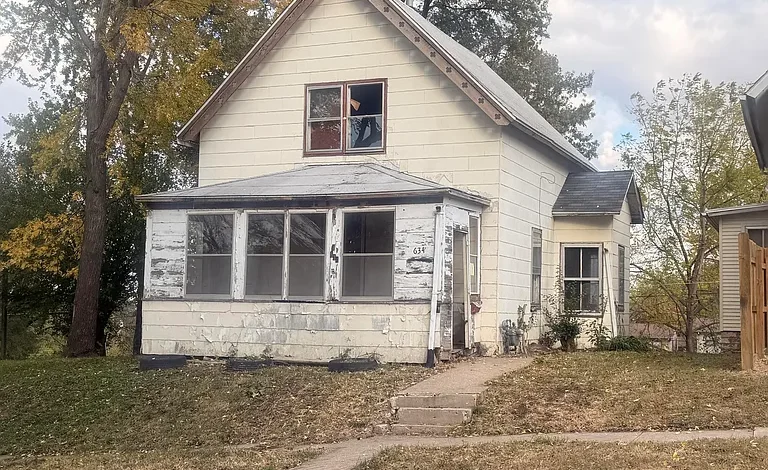
Affordable Burlington Iowa Fixer-Upper for $9,750 With Renovation Potential
Finding a residential property priced below $10,000 is unusual in almost any real estate market, which makes this Burlington, Iowa fixer-upper an opportunity that deserves a closer look from buyers who understand renovation projects. Listed at just $9,750 following a $750 price reduction, this single-family residence offers two bedrooms, one bathroom, approximately 1,201 square feet of interior space, and a 7,405-square-foot lot.
The property was built in 1850 and is being presented as a fixer-upper. That means this is not a traditional move-in-ready home. Instead, it represents a potential renovation, restoration, or investment project for someone willing to evaluate the structure carefully and take on the necessary improvements.
Located in Burlington, Iowa, the property sits within an established community and offers several characteristics that may appeal to investors, first-time buyers, contractors, restoration enthusiasts, and buyers searching for affordable real estate. The home includes a full basement, enclosed porch, forced-air heating, public water, public sewer, and a one-and-a-half-story configuration.
At approximately $8 per square foot based on the listed interior area, the asking price is exceptionally low. However, buyers should understand that the purchase price is only one component of the overall cost. Because the home is a fixer-upper and dates to 1850, a thorough inspection and professional renovation estimates are essential before making an investment decision.
A Rare Sub-$10,000 Real Estate Opportunity
The most immediate attraction of this property is its asking price.
At $9,750, the home is listed below the $10,000 threshold, making it an unusual opportunity for buyers searching for low-cost real estate in Iowa. The listing also shows a previous price of $10,500, meaning the property received a $750 price reduction.
A price at this level can attract a wide variety of potential buyers. Investors may see an opportunity to purchase an inexpensive property and create value through rehabilitation. Contractors may be interested in a project they can renovate using their own experience and trade connections. Restoration enthusiasts may appreciate the home’s 1850 construction date and potential historic character.
However, an inexpensive acquisition price should never be confused with a guaranteed bargain.
The real financial question is what the property will cost after necessary repairs. A buyer should calculate the purchase price, closing expenses, inspection costs, construction materials, labor, permits, utility expenses, insurance, taxes, financing, and a contingency reserve.
For an experienced investor, that calculation can reveal whether the property offers genuine value.
Approximately 1,201 Square Feet of Interior Space
The home provides approximately 1,201 square feet of total interior livable area.
While the property’s footprint is not enormous, the layout includes two bedrooms, one bathroom, and a full basement. The listing reports approximately 804 square feet of finished area above ground and no finished area below ground.
The one-and-a-half-story configuration may provide a traditional older-home layout with space distributed across different levels.
The home’s size could make it practical for a future renovation aimed at creating a comfortable smaller residence. Depending on the condition and configuration, the property could potentially appeal to buyers seeking an affordable starter home, rental property, or compact residence.
The key will be determining how much of the existing structure can be preserved and how much requires replacement.
Two Bedrooms and One Bathroom
The listing identifies two bedrooms and one bathroom.
A two-bedroom layout can serve a broad segment of the residential market. Smaller households, couples, individuals, roommates, and some small families may find a two-bedroom property practical depending on the home’s final condition and location.
For an investor, the bedroom count is also important when researching comparable rental properties. Buyers should compare this home with other two-bedroom rentals in Burlington to determine potential market rent after renovation.
For a future owner-occupant, the two-bedroom layout could provide one bedroom plus an office, guest room, hobby space, or other flexible use.
Before changing the layout, buyers should consult appropriate professionals to determine which rooms qualify as legal bedrooms and whether renovations require permits.
A Home Built in 1850
One of the most distinctive characteristics of the property is its reported construction date.
The home was built in 1850, placing it among a much older generation of American residential architecture. A property of this age can offer a type of character that is difficult to replicate with modern construction.
Older homes may feature traditional proportions, distinctive construction techniques, mature surrounding development, and architectural details that have disappeared from newer housing.
At the same time, a home dating to 1850 requires extensive due diligence.
Prospective buyers should carefully evaluate:
- Foundation condition
- Structural framing
- Roof condition
- Exterior materials
- Windows and doors
- Electrical system
- Plumbing
- Heating
- Insulation
- Basement
- Moisture and drainage
- Termite or wood-destroying insect activity
- Potential environmental concerns
- Overall structural integrity
The property’s age should be viewed as both a potential source of character and a reason for careful inspection.
Full Basement Provides Additional Utility
The property includes a full basement.
The listing indicates that there is no finished living area below ground, so buyers should not automatically treat the basement as additional finished square footage.
Nevertheless, a full basement can provide valuable storage and mechanical space.
Depending on its condition, the basement could potentially accommodate laundry, storage, workshop space, utilities, or other non-living uses. Any proposal to finish the basement should be evaluated against local building codes and the physical condition of the foundation and lower level.
Moisture inspection is particularly important.
A basement in an older home should be checked for water intrusion, dampness, cracks, drainage problems, foundation movement, wood deterioration, and signs of previous flooding.
Addressing water problems should generally be a priority before investing heavily in cosmetic renovations.
Enclosed Porch Adds Character and Flexibility
The property features an enclosed porch.
Enclosed porches can provide an additional transition space between the outdoors and the main living areas. Depending on the condition and construction, this type of space could serve as a sitting area, entryway, seasonal room, storage space, or other flexible-use area.
For a restoration project, an enclosed porch can also contribute to the home’s exterior character.
However, buyers should inspect the porch carefully for structural issues, moisture damage, foundation problems, deteriorated flooring, and window or enclosure concerns.
Because the house is so old, any renovation should distinguish between cosmetic deterioration and structural problems.
7,405-Square-Foot Lot
The home sits on a lot measuring approximately 7,405 square feet.
That is roughly 0.17 acres and provides a meaningful amount of outdoor space for an in-town property.
The lot dimensions are listed as approximately 40 by 117 feet.
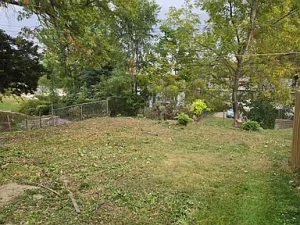
A lot of this size can provide room for landscaping, gardening, outdoor seating, recreation, or other residential uses, subject to local zoning and property restrictions.
For a future rental property, an attractive and maintained yard can contribute to curb appeal.
For an owner-occupant, the outdoor area could become a private extension of the home.
Potential improvements might include:
- Lawn restoration
- Landscaping
- Garden areas
- Outdoor seating
- Walkway improvements
- Fencing
- Exterior lighting
- Drainage improvements
The property’s existing site conditions should be evaluated before planning any major exterior improvements.
Public Water and Public Sewer
The listing indicates that the home is served by public water and public sewer.
This is an important infrastructure feature for an established residential property.
Public water and sewer can simplify ownership compared with rural properties dependent on private wells and septic systems. However, the existence of public utility connections does not guarantee that the interior plumbing is in good condition.
Given the property’s age, plumbing should be inspected carefully.
Buyers should determine whether the supply lines, drains, fixtures, shutoff valves, and sewer connection are functional and appropriate for the intended renovation.
A sewer inspection may also be worth considering, particularly for an older property.
Forced-Air Heating
The property is listed with forced-air heating.
A reliable heating system is essential in Iowa, where winters can bring significant cold weather.
Because the property is a fixer-upper and dates to 1850, the heating system should be professionally evaluated.
Buyers should determine:
- The age of the system
- Current operating condition
- Energy efficiency
- Safety
- Ductwork condition
- Ventilation
- Thermostat operation
- Whether replacement is recommended
If the existing heating equipment is outdated or nonfunctional, replacement could become an important part of the renovation budget.
Gas Water Heater
The listing identifies a gas water heater among the included appliances and systems.
The water heater should be inspected for age, condition, leaks, proper venting, and safe operation.
Older water heaters can require replacement, and buyers should account for this possibility when calculating the property’s rehabilitation costs.
Hot water infrastructure should also be evaluated alongside the home’s plumbing system.
Residential Zoning
The property is listed with residential zoning.
Residential zoning can be important for determining how the property may legally be used and what renovations are permitted.
Buyers should independently verify the current zoning designation with the appropriate local authority.
If an investor is considering using the property as a rental, additional requirements may apply, including rental registration, inspections, occupancy standards, or property maintenance regulations.
If the buyer wants to add bedrooms, expand the structure, alter the exterior, construct an accessory building, or make major changes to the property, permits may also be required.
Never assume that a renovation idea is automatically permitted simply because the property is zoned residential.
A Blank Slate for Renovation
The listing’s description of the home as a fixer-upper makes it clear that the property needs work.
For some buyers, that is a disadvantage. For others, it is the primary attraction.
A fixer-upper gives a buyer the ability to influence the final design rather than paying for renovations completed by someone else.
The renovation could potentially focus on restoring the home’s older character while incorporating modern conveniences.
A thoughtful project might preserve worthwhile architectural elements while upgrading:
- Electrical systems
- Plumbing
- Heating
- Insulation
- Flooring
- Kitchen
- Bathroom
- Lighting
- Paint
- Windows
- Exterior finishes
The right balance will depend on the property’s actual condition and the buyer’s budget.
Potential Rental Property Strategy
One possible investment strategy is to renovate the property and operate it as a long-term rental.
Before choosing this approach, investors should research current rental rates for comparable two-bedroom homes in Burlington.
The calculation should include expected rent as well as all operating expenses.
Important factors include:
- Monthly rental income
- Property taxes
- Insurance
- Repairs
- Maintenance
- Vacancy
- Property management
- Utilities
- Capital expenditures
- Financing costs
The property should only be considered a successful rental investment if the projected numbers remain attractive after realistic expenses.
Because the purchase price is extremely low, investors may be tempted to assume the rental return will automatically be strong. That is not necessarily the case. Renovation costs can be several times the acquisition price, so the complete investment must be evaluated.
Potential House-Flipping Opportunity
Another possible strategy is a fix-and-flip project.
A flipper could theoretically purchase the home, renovate it, and sell it after improvements.
However, flipping an older home requires careful analysis.
The investor should determine the likely after-repair value by studying comparable renovated properties. The renovation budget should then include a significant contingency because older houses can contain hidden problems.
A basic flip calculation might look at:
Purchase Price + Renovation + Holding Costs + Financing + Closing Costs + Selling Costs = Total Investment
The projected resale price must then provide enough margin to justify the risk.
Because this home was constructed in 1850, a professional inspection and contractor estimates are particularly important.
Potential First-Time Buyer Project
Although investors may be naturally attracted to a $9,750 property, an owner-occupant could also potentially consider the home.
For someone with renovation experience, family assistance, contractor connections, or the ability to complete work gradually, a low purchase price can provide a different path toward homeownership.
However, financing a severely distressed property can be more complicated than financing a move-in-ready home.
Traditional mortgage programs may have property-condition requirements. Buyers should speak with lenders about renovation financing or other loan structures that may be appropriate for properties requiring substantial work.
Cash buyers may have greater flexibility, but they should still maintain adequate reserves for repairs.
Why the Low Price Matters
The property’s $9,750 asking price is clearly its biggest headline feature.
A price below $10,000 creates an unusually low barrier to acquiring the underlying real estate. But the buyer should focus on total project economics rather than the headline number.
If the property requires a new roof, foundation work, electrical upgrades, plumbing replacement, HVAC work, interior remodeling, and extensive exterior repairs, the final cost could be much higher.
On the other hand, if the core structure is sound and many major systems are serviceable, the low acquisition price could create a more interesting renovation equation.
Only an inspection and contractor estimates can reveal which situation applies.
Renovation Priorities
A sensible renovation strategy should begin with the property’s most important structural and safety components.
Potential priorities include:
1. Structural Inspection
Determine whether the foundation, framing, floors, walls, and roof structure are sound.
2. Water Management
Address drainage, roof leaks, basement moisture, and other sources of water intrusion.
3. Electrical System
Evaluate the electrical service, wiring, outlets, grounding, and circuit capacity.
4. Plumbing
Inspect supply lines, drains, sewer connections, fixtures, and water heater.
5. Heating
Confirm that the forced-air system is safe and functional.
6. Exterior Envelope
Evaluate the roof, siding, windows, doors, gutters, and foundation.
7. Interior Rehabilitation
Once major systems are addressed, focus on walls, flooring, ceilings, kitchen, bathroom, and other finishes.
8. Curb Appeal
Complete landscaping, exterior maintenance, and entrance improvements after the primary repairs are finished.
This approach can help prevent spending heavily on cosmetic improvements before fundamental problems are resolved.
Historic Restoration Potential
Because the house dates to 1850, restoration may be an appealing direction for the right buyer.
Historic properties can sometimes benefit from preserving original elements rather than replacing everything with modern materials.
Potential restoration features could include:
- Original doors
- Traditional trim
- Older flooring
- Woodwork
- Architectural proportions
- Original-style hardware
- Historic exterior character
However, buyers should not assume that every original feature is worth preserving. Some materials may be severely deteriorated, unsafe, or too expensive to restore.
A preservation-minded contractor can help determine which components deserve restoration and which should be replaced.
Burlington, Iowa Community Setting
The property is located in Burlington, Iowa, a Mississippi River community with a long history and established residential neighborhoods.
For buyers considering an investment property, an established community can offer access to existing infrastructure, services, businesses, transportation routes, employment opportunities, shopping, dining, and other everyday amenities.
Location should always be evaluated from the perspective of the intended use.
A landlord should investigate tenant demand and comparable rental properties. An owner-occupant should evaluate commute patterns and nearby conveniences. A flipper should study buyer demand and recent comparable sales.
The same property can have very different investment potential depending on the buyer’s strategy.
Property Taxes Are Relatively Modest
The listing reports an annual tax amount of approximately $648 and a tax assessed value of $38,000.
Property taxes should be verified independently before purchase, especially because assessments and tax obligations can change.
Investors should incorporate property taxes into their annual operating expenses.
Even when taxes are relatively modest, the complete cost of ownership also includes insurance, maintenance, repairs, utilities, and potential vacancy.
Long-Term Value Creation
The strongest argument for a property like this is the possibility of creating value through rehabilitation.
Instead of purchasing a fully renovated property at a higher market price, a buyer may be able to acquire an older structure at a low entry price and invest capital into improvements.
Value creation could potentially come from:
- Improving structural condition
- Modernizing the kitchen
- Updating the bathroom
- Improving heating
- Updating electrical systems
- Improving energy efficiency
- Restoring architectural character
- Improving curb appeal
- Improving functionality
- Creating a more attractive rental property
The exact amount of value created depends on renovation costs and local market conditions.
Due Diligence Before Purchase
A $9,750 asking price may make the property look simple to purchase, but due diligence is even more important when dealing with an extremely inexpensive fixer-upper.
Potential buyers should consider obtaining professional evaluations of:
- Foundation
- Roof
- Electrical
- Plumbing
- Heating
- Basement
- Sewer line
- Exterior
- Windows
- Structural framing
- Environmental concerns
- Pest activity
Buyers should also verify property taxes, zoning, utility status, title information, permits, and any outstanding municipal requirements.
A local real estate professional and qualified contractors can provide valuable information before a buyer commits significant capital.
Who Might Be Interested in This Property?
This property could appeal to several different groups.
Real estate investors may investigate the low acquisition cost and possible rental strategy.
House flippers may evaluate the project based on renovation costs and comparable sales.
Contractors may appreciate the opportunity to complete much of the work themselves or manage the renovation directly.
Restoration enthusiasts may be attracted by the property’s 1850 construction date.
First-time buyers with renovation experience may consider it as an alternative path to homeownership.
Long-term landlords may investigate whether the completed property could meet local rental demand.
Each buyer should perform their own financial analysis rather than assuming the property will produce a particular return.
Property Facts at a Glance
- Asking Price: $9,750
- Price Reduction: $750
- Property Type: Single-Family Residence
- Bedrooms: 2
- Bathrooms: 1
- Interior Livable Area: Approximately 1,201 square feet
- Finished Above Ground: Approximately 804 square feet
- Lot Size: Approximately 7,405 square feet
- Lot Size: Approximately 0.17 acres
- Lot Dimensions: Approximately 40 x 117 feet
- Year Built: 1850
- Stories: 1.5
- Basement: Full
- Porch: Enclosed porch
- Heating: Forced air
- Water Heater: Gas
- Water: Public
- Sewer: Public sewer
- Electric: Noted with circuit breakers
- Zoning: Residential
- Annual Taxes: Approximately $648
- Tax Assessed Value: Approximately $38,000
- Price Per Square Foot: Approximately $8
- HOA: None listed
- Ownership: Fee simple
- Condition: Fixer-upper
Final Thoughts
At just $9,750, this Burlington, Iowa fixer-upper stands out as an unusual low-cost real estate opportunity. The property offers two bedrooms, one bathroom, approximately 1,201 square feet of interior space, a full basement, an enclosed porch, public utilities, and a 7,405-square-foot lot.
Its 1850 construction date adds another layer of interest. For the right buyer, the home’s age could represent an opportunity to restore an older piece of residential architecture while introducing modern improvements.
The property is clearly not intended for someone looking for a turnkey home. It is a project. The listing describes it as a fixer-upper, and anyone considering the purchase should be prepared for the possibility of significant repairs.
The biggest advantage is the exceptionally low acquisition price. At $9,750, the initial cost of purchasing the property is far below what buyers typically associate with residential real estate. But the true investment question is what happens after closing.
If the foundation and major structural components are sound, and if the renovation can be completed within a realistic budget, the property could provide an interesting platform for creating value. A finished residence could potentially serve as a personal home, long-term rental, or resale property depending on market conditions and local regulations.
The full basement, enclosed porch, two-bedroom layout, residential zoning, public water, public sewer, and forced-air heating provide useful fundamentals. The 0.29-acre lot also provides outdoor space that could be improved as part of the overall renovation.
However, the home’s age means buyers should be particularly careful. A structure dating to 1850 may contain hidden issues that are not visible during a casual visit. Foundation problems, outdated electrical wiring, plumbing deterioration, moisture, roof issues, inefficient heating, and other repairs can dramatically change the economics of a project.
For that reason, professional inspections and contractor estimates should come before major financial commitments.
For investors and renovation-minded buyers who are comfortable taking on risk and managing a construction project, this Burlington property could be an intriguing opportunity to acquire real estate at an exceptionally low entry price. The potential is there, but the final outcome will depend on the property’s actual condition, the renovation budget, local market demand, and the buyer’s ability to execute the project successfully.
The $9,750 price makes this listing attention-grabbing, but the real opportunity lies in what a skilled buyer may be able to accomplish after the necessary work is completed.
Listed on Zillow