2-bedroom, 1-bathroom
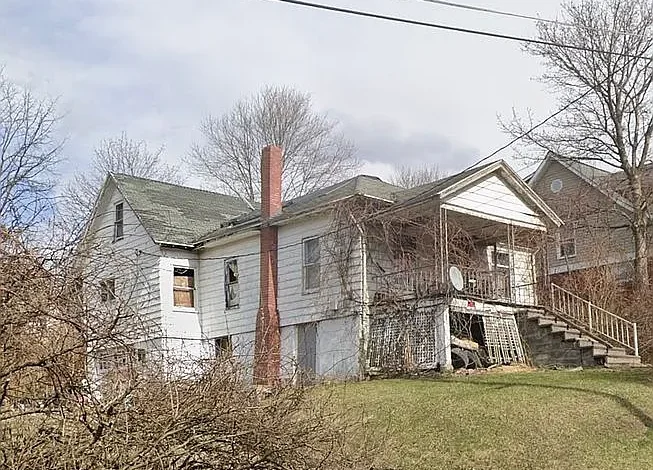
Affordable Johnstown Pennsylvania Fixer-Upper With Spacious Layout and Investment Potential
Finding an affordable property with enough space to support a complete renovation can be an attractive opportunity for buyers who are willing to take on a project. In Johnstown, Pennsylvania, a two-bedroom, one-bathroom single-family home is currently offered for $25,000, presenting a low-entry-price opportunity for investors, contractors, renovators, and buyers searching for a property they can transform according to their own vision.
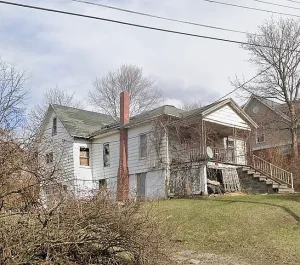
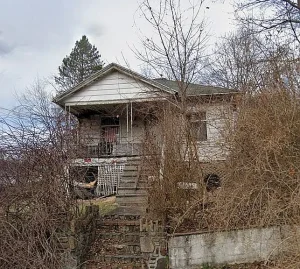
Built in 1930, the home is being sold strictly as-is and requires a major renovation. According to the listing, the interior has already been cleaned out, leaving the property ready for someone to begin evaluating the structure and planning the next stage of work. The listing also describes the layout as spacious and indicates that the interior could potentially be reconfigured or converted to create additional rooms, subject to the property’s existing structure, local regulations, permits, and professional assessment.
Unlike a move-in-ready home, this property is best viewed as a renovation project. The $25,000 price reflects an opportunity to acquire the property at a relatively low purchase price, but buyers should understand that the eventual investment will include not only the acquisition cost but also renovation, materials, labor, permits, utilities, insurance, property taxes, financing or carrying costs, and potential unforeseen repairs.
For the right buyer, however, the combination of a low acquisition price, an established residential location, two bedrooms, one full bathroom, and a spacious interior could provide a starting point for a customized home or investment property.
A Low-Cost Entry Into Real Estate
One of the first things that makes this Johnstown property noteworthy is its $25,000 asking price.
Real estate at this price point can attract buyers who are interested in entering the housing market without purchasing a property at the price levels associated with renovated homes. It may also appeal to investors who specialize in distressed properties, contractors looking for their next project, or experienced renovators who understand how to control construction costs.
However, a low purchase price should never be interpreted as the total cost of ownership.
A property requiring a full renovation can involve significant expenses. Buyers should evaluate the roof, foundation, framing, plumbing, electrical systems, heating, insulation, windows, exterior siding, flooring, walls, ceilings, kitchen, bathroom, and other components before determining whether the project makes financial sense.
The most important question is not simply how inexpensive the property is to purchase. The more important question is how much it will cost to bring the property to the buyer’s desired condition.
A 1930 Single-Family Residence
The home was built in 1930 and is classified as a single-family residence.
A property constructed during this period may have architectural characteristics and construction methods that differ considerably from modern homes. Older homes can sometimes provide layouts, proportions, materials, or structural details that give them a distinctive character.
At the same time, homes approaching a century in age require careful inspection.
Systems may have been modified over the decades, and the condition of major components can vary substantially. A buyer should not assume that any particular system is functional or code-compliant without inspection.
The age of the property also makes professional due diligence particularly important. Structural evaluation, electrical inspection, plumbing inspection, roof inspection, pest inspection, and environmental considerations may all be appropriate depending on the property’s visible condition and renovation plans.
Spacious Two-Bedroom Layout
The property offers two bedrooms and one full bathroom.
Although the listing does not provide a finished square-footage figure, the description emphasizes that the interior is spacious.
That can be an important characteristic for a renovation project. A flexible interior may provide more options for changing room configurations, creating larger living areas, adding storage, or potentially developing additional rooms.
The listing specifically suggests that the home could be reconfigured or converted into additional rooms.
That possibility could be appealing to buyers who are not interested in simply restoring the existing layout. Instead, they may want to redesign the interior around contemporary living requirements.
Any proposed reconfiguration should be evaluated by a qualified contractor or architect, particularly if walls need to be removed or added, plumbing must be relocated, electrical systems need modification, or additional bedrooms are planned.
One Full Bathroom
The property currently has one full bathroom.
For a two-bedroom home, a single bathroom can be functional, but a renovation may provide an opportunity to improve the space substantially.
Depending on the existing plumbing layout and available interior space, a buyer might consider upgrading the bathroom with a modern vanity, shower or tub, new flooring, improved lighting, storage, and energy-efficient fixtures.
Whether a second bathroom could be added would depend on the property’s layout, plumbing infrastructure, available space, building codes, and renovation budget.
Bathroom renovations can also be among the areas where careful planning is especially important because water supply, drainage, ventilation, waterproofing, and electrical requirements all need to be handled properly.
The Interior Has Already Been Cleaned Out
One practical advantage mentioned in the listing is that the interior has already been cleaned out.
For a major renovation project, removing unwanted contents and debris can be a useful first step. It allows contractors and prospective buyers to see more of the underlying structure and evaluate the property without having to deal with a large amount of personal property or household clutter.
A clean interior can also make it easier to measure rooms, inspect walls and ceilings, identify damaged areas, and develop preliminary renovation plans.
However, cleaning out a property does not mean the renovation itself has been completed or that the underlying systems are ready for use.
The buyer should still arrange appropriate inspections before committing to a renovation budget.
Full Renovation Opportunity
This property is clearly positioned as a full renovation opportunity.
The listing describes it as an investor special and states that major renovation work is needed. That makes it particularly relevant to buyers who already have experience with construction, property rehabilitation, or investment real estate.
A full renovation can potentially involve several stages.
The first stage is usually assessment. Buyers need to understand the structural and mechanical condition of the property before developing a detailed budget.
The second stage is stabilization. This may involve addressing water intrusion, roof issues, foundation concerns, unsafe electrical components, plumbing problems, or other conditions that could worsen if ignored.
The third stage is systems and infrastructure. Electrical, plumbing, heating, insulation, windows, and other components may need attention.
The final stages can include interior finishes, kitchen installation, bathroom improvements, flooring, painting, lighting, exterior improvements, and landscaping.
The exact scope should be determined by professional inspection rather than assumptions based solely on the listing description.
Potential for Reconfiguration
The possibility of reconfiguring the home is one of its more interesting features.
A renovation-minded buyer may look at the property differently from someone searching for a move-in-ready home. Instead of asking whether the current floor plan meets their needs, they can consider how the existing structure could potentially be adapted.
The listing suggests that the property may be spacious enough to support additional rooms.
Potential concepts could include creating a dedicated dining area, home office, larger kitchen, additional bedroom, laundry room, storage room, or improved living space.
However, adding bedrooms or other rooms may trigger requirements related to emergency egress, heating, ventilation, electrical capacity, minimum room dimensions, windows, smoke detectors, and other building regulations.
Before making a floor-plan decision, a buyer should have the property professionally measured and evaluated.
Opportunity for Contractors
Contractors may find the property particularly interesting because the purchase provides a relatively inexpensive starting point for a renovation project.
An experienced contractor can often evaluate a distressed property differently from an ordinary buyer. Construction knowledge can help identify which problems are manageable, which require specialized work, and which could make the project financially impractical.
The property could potentially serve as a contractor’s own renovation project or as an investment rehabilitation.
A contractor who has reliable access to skilled trades and materials may also have a different renovation cost structure from a first-time investor who must hire every part of the project externally.
Nevertheless, even experienced contractors should maintain a contingency reserve because older properties frequently contain unexpected conditions.
Potential Investor Property
The listing specifically markets the property toward investors.
Investment buyers may evaluate several possible strategies.
One approach could be renovating the home and selling it after improvements.
Another could be renovating it as a long-term rental.
A third possibility could be holding the property for future use or resale.
The most appropriate strategy depends on the local market, renovation costs, potential after-repair value, expected rental income, property taxes, insurance, financing costs, and demand for renovated housing.
Buyers should conduct their own market analysis rather than assuming that a particular return is guaranteed.
Understanding the After-Repair Value
For a renovation project, after-repair value is one of the most important financial considerations.
A buyer should compare the expected finished property with recently sold homes that are genuinely comparable in location, size, bedroom and bathroom count, lot characteristics, condition, and renovation quality.
The goal is to determine what the market might realistically support after the work is complete.
It is important not to base a renovation budget on optimistic resale assumptions.
If a property costs $25,000 but requires $100,000 of renovation work, the total investment is not $25,000. The buyer must also consider closing expenses, permits, utilities, insurance, taxes, financing, professional fees, holding costs, and a contingency reserve.
A disciplined renovation budget can help prevent a seemingly inexpensive purchase from becoming an unexpectedly expensive project.
Potential Rental Strategy
A renovated two-bedroom home may also be considered as a rental property.
Two-bedroom housing can appeal to a variety of renters, including individuals, couples, small families, and roommates.
However, rental potential should be evaluated using current local rental comparables.
Investors should research realistic market rent, vacancy rates, property management costs, maintenance expenses, insurance, taxes, utilities, and future capital expenditures.
A rental property’s performance depends on the complete financial picture, not simply the purchase price.
If the renovation can be completed efficiently and the finished home meets local rental demand, the property may provide an opportunity for an investor to create a rental asset from a distressed structure.
Cash Buyers May Have an Advantage
The listing indicates that cash buyers are preferred.
This is common with heavily distressed properties because some traditional lenders may have difficulty financing a home that requires substantial repairs.
Mortgage lenders often have property-condition requirements, and a home without functional systems or with significant structural issues may not qualify for certain conventional loan products in its current condition.
Cash buyers can potentially simplify the acquisition process, although they should still complete proper inspections and due diligence.
Renovation financing programs may also exist for certain properties and borrowers, but eligibility depends on lender requirements, property condition, borrower qualifications, and the scope of work.
Potential buyers should speak with lenders before assuming that financing is or is not available.
Important Financial Details
The property is listed at $25,000.
The listing reports a tax assessed value of approximately $10,100 and annual property taxes of approximately $1,021.
These figures can help buyers begin evaluating carrying costs, but they should verify current tax information with the appropriate local authority.
A renovation investor should calculate projected expenses beyond the purchase price.
Potential costs can include:
- Acquisition and closing expenses
- Inspection fees
- Survey or professional assessments
- Architectural or design work
- Building permits
- Demolition
- Structural repairs
- Roofing
- Electrical upgrades
- Plumbing
- Heating
- Insulation
- Windows and doors
- Kitchen renovation
- Bathroom renovation
- Flooring
- Drywall
- Painting
- Exterior repairs
- Landscaping
- Waste removal
- Insurance
- Property taxes
- Utilities
- Financing costs
- Contractor labor
- Contingency reserves
Creating a detailed renovation budget before closing can make a major difference in the success of the project.
Why Location Matters for a Renovation Project
A renovation project is not valuable simply because the building can be improved. The surrounding real estate market is equally important.
Johnstown provides an established residential environment in Pennsylvania, and buyers should study nearby properties to understand the types of homes that sell, rental demand, neighborhood characteristics, and price ranges.
A renovated property generally needs to fit the market around it.
Over-improving a home beyond what comparable properties support can reduce the potential return on investment.
For example, a buyer might be better served by installing durable, attractive, market-appropriate finishes rather than selecting extremely expensive materials that local buyers may not value proportionally.
This is particularly important for investors planning to resell.
Designing a Modern Home From an Older Structure
One of the most appealing aspects of a fixer-upper is the opportunity to combine an older structure with modern design.
A renovation could potentially introduce an open and functional kitchen, updated bathroom, improved lighting, modern flooring, efficient heating, better insulation, contemporary paint colors, and improved storage.
At the same time, the buyer may choose to preserve elements of the home’s older character where practical.
The goal does not necessarily have to be making the property look completely new. A successful renovation can combine functionality with the home’s original architectural character.
The final design should be based on the property’s structure, market demand, budget, and intended use.
Potential Home Office Space
Modern buyers increasingly value flexible rooms that can serve multiple purposes.
If the property’s interior allows for reconfiguration, a future renovation could potentially include a dedicated home office.
A home office can also function as a study, hobby room, guest space, or additional storage area.
The growth of remote and hybrid work has made flexible residential layouts increasingly useful, although buyers should consider the specific demand in their target market if the property is being renovated for resale or rental.
Storage and Functional Living
A renovation provides an opportunity to think about storage from the beginning rather than trying to add it later.
Potential improvements could include closets, built-in shelving, pantry storage, laundry organization, bathroom storage, and utility areas.
A spacious layout may make it possible to improve circulation while also creating dedicated storage zones.
These improvements can have practical value for future occupants without necessarily requiring luxury-level construction costs.
Energy Efficiency Considerations
Because the home was built in 1930, energy efficiency should be carefully evaluated.
Older homes may have less insulation than modern construction, and windows, doors, heating systems, and air sealing can all influence utility costs.
During renovation, buyers may want to evaluate insulation levels, air leakage, window condition, heating efficiency, and electrical capacity.
Energy improvements should be prioritized based on the property’s actual condition and the owner’s budget.
The goal is to improve comfort and operating efficiency while maintaining a financially sensible renovation plan.
Exterior and Structural Evaluation
Before focusing on interior finishes, buyers should examine the exterior and structural components.
The roof is particularly important because water intrusion can cause damage that spreads into ceilings, walls, insulation, and framing.
The foundation should also be inspected for cracks, movement, moisture, and drainage issues.
Exterior siding, windows, doors, gutters, grading, and drainage should be reviewed as part of the overall property assessment.
A beautiful interior renovation cannot compensate for unresolved structural or water problems.
Due Diligence Is Essential
The property is being sold as-is, making due diligence especially important.
Prospective buyers should inspect the home thoroughly and determine the actual condition before deciding what the renovation will cost.
Important areas to investigate include:
- Foundation
- Structural framing
- Roof
- Electrical system
- Plumbing
- Heating
- Water intrusion
- Basement or crawl areas
- Windows
- Doors
- Exterior walls
- Insulation
- Flooring
- Ceilings
- Kitchen area
- Bathroom
- Sewer or wastewater connection
- Water service
- Potential environmental concerns
- Pest activity
- Local building-code requirements
The buyer should also confirm the legal status of the property, parcel information, zoning, taxes, and any outstanding obligations.
Understanding the As-Is Sale
Buying as-is means the seller is not presenting the property as a renovated or move-in-ready home.
The buyer accepts the property in its existing condition, subject to the terms of the purchase agreement.
For experienced investors, this can be an acceptable arrangement because the investor is already purchasing with the intention of making improvements.
For first-time buyers, however, the as-is condition means it is particularly important to avoid underestimating renovation costs.
A professional inspection can reveal issues that are not obvious during a quick showing.
Who Could Benefit From This Opportunity?
This property may appeal to several categories of buyers.
Investors
Investors who understand renovation economics may see an opportunity to acquire a low-cost property and create value through improvements.
Contractors
A contractor may be able to use construction expertise and trade relationships to complete the renovation efficiently.
Experienced Flippers
A buyer focused on resale could analyze the surrounding market and determine whether the property fits a viable renovation strategy.
Landlords
A renovated two-bedroom property could potentially serve as a rental, depending on local rental demand and the finished condition.
Owner-Occupants
A buyer willing to take on a substantial renovation may ultimately create a customized home at a relatively low acquisition price.
DIY Renovators
Individuals with construction skills may find the project appealing, although major structural, electrical, plumbing, or mechanical work should be handled by appropriately qualified professionals.
Property Facts at a Glance
Price: $25,000
Location: Johnstown, Pennsylvania
Property Type: Single-family residence
Year Built: 1930
Bedrooms: 2
Bathrooms: 1 full bathroom
Living Area: Not specified in the listing
Lot Size: Not specified in the provided listing information
Condition: Major renovation needed
Sale Type: As-is
Interior: Cleaned out and ready for renovation
Potential: Reconfiguration and additional-room possibilities, subject to feasibility and approvals
Parking: Not specified in the provided listing information
Heating: Not specified
Cooling: Not specified
Sewer: Not specified
Water: Not specified
HOA: None listed
Tax Assessed Value: Approximately $10,100
Annual Property Tax: Approximately $1,021
Listing Type: For sale by owner
Buyer Profile: Investors, contractors, renovators, cash buyers
A Low Purchase Price With a Large Renovation Question
The $25,000 price makes this property immediately interesting, but the real opportunity lies in what a buyer can realistically accomplish after acquisition.
The home is not being marketed as a turnkey residence. Instead, it is a blank slate that requires significant work.
That distinction is important.
For a buyer with construction experience, access to contractors, and a carefully developed renovation budget, the property could potentially become an attractive residential asset.
For someone without renovation experience, the project could be considerably more challenging.
The difference between those two outcomes comes down to due diligence, budgeting, execution, and market analysis.
Final Thoughts
This Johnstown, Pennsylvania fixer-upper presents an interesting opportunity for buyers who are comfortable with renovation and willing to take a property from its current as-is condition to a finished residential product.
Priced at $25,000, the home offers a relatively low acquisition point compared with many conventional residential properties. The two-bedroom, one-bathroom layout is described as spacious, and the listing indicates that the interior has already been cleaned out and is ready for a new owner to begin the renovation process.
The property’s 1930 construction gives it an established history, while its potential for reconfiguration could allow a future owner to create a layout that better fits contemporary needs.
For investors, the property could be evaluated as a potential resale or rental project. For contractors, it could represent another renovation opportunity. For an owner-occupant, it could provide the chance to build a customized home rather than purchasing someone else’s finished design.
But the low purchase price should not obscure the scale of the work required.
A successful renovation begins with understanding the structure, developing a realistic scope of work, obtaining professional estimates, researching permits and local requirements, and establishing a contingency budget. Buyers should also compare the projected finished value or rental income with the total cost of acquisition and renovation.
Because the property is sold strictly as-is and requires a major renovation, professional inspections and independent verification are strongly recommended before purchase.
For the right buyer, however, this $25,000 Johnstown property could be more than an inexpensive house. It could be the starting point for a complete transformation, with the potential to create a renovated residence, rental property, or investment asset from an existing structure.
The key is approaching the opportunity with realistic numbers, careful planning, and a clear understanding of the local real estate market.
Listed on Zillow